Glass Injection Molding Machine: Precision Manufacturing Solutions for Quality Components

All Categories

Get a Free Quote

Our representative will contact you soon.
Email
Name
Company Name
Message
0/1000

glass injection molding machine

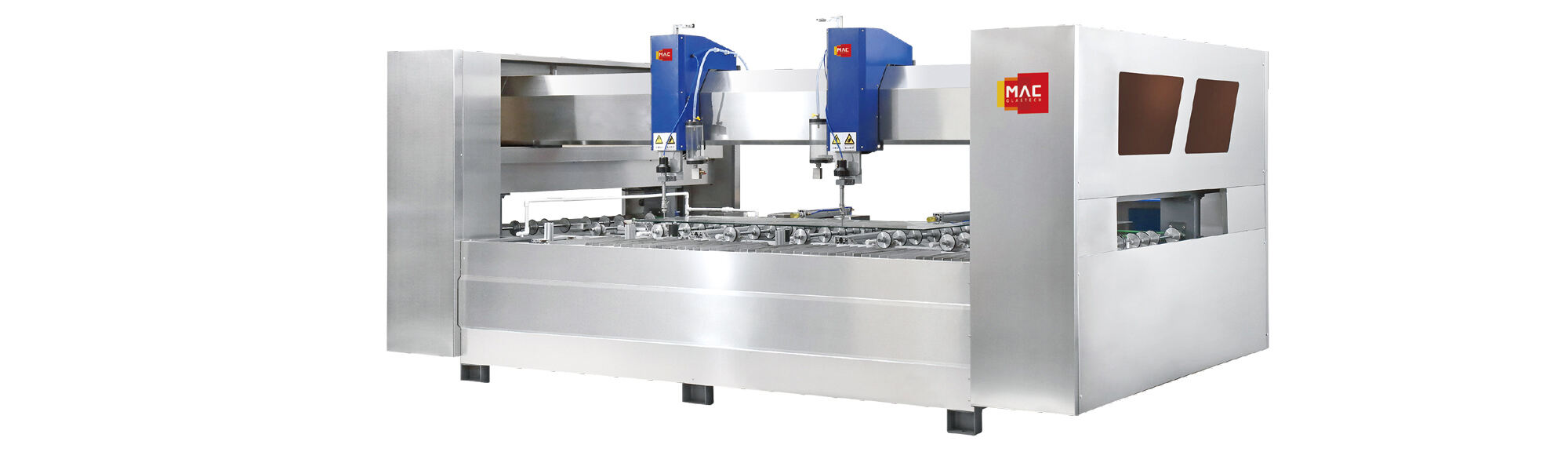
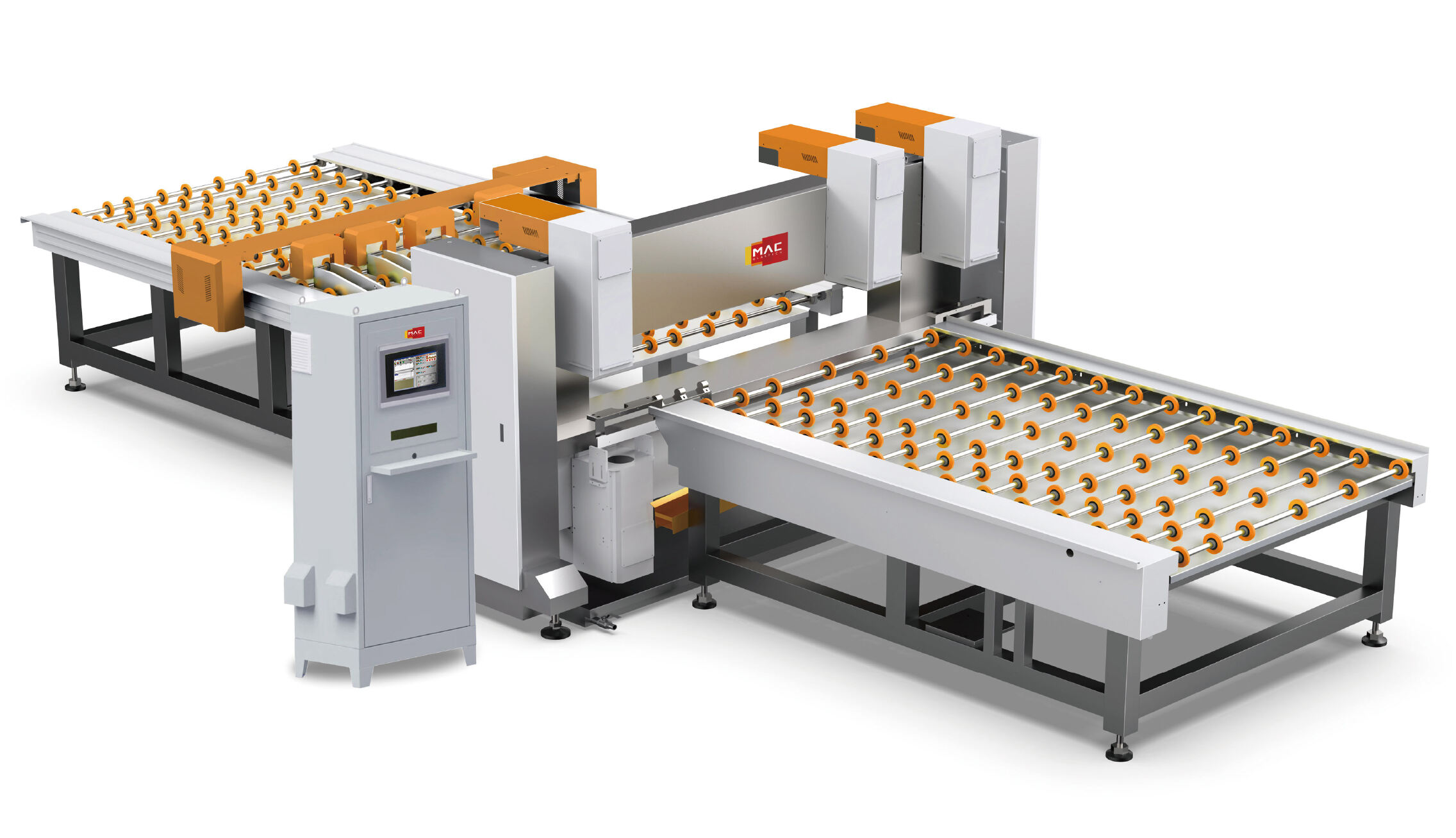
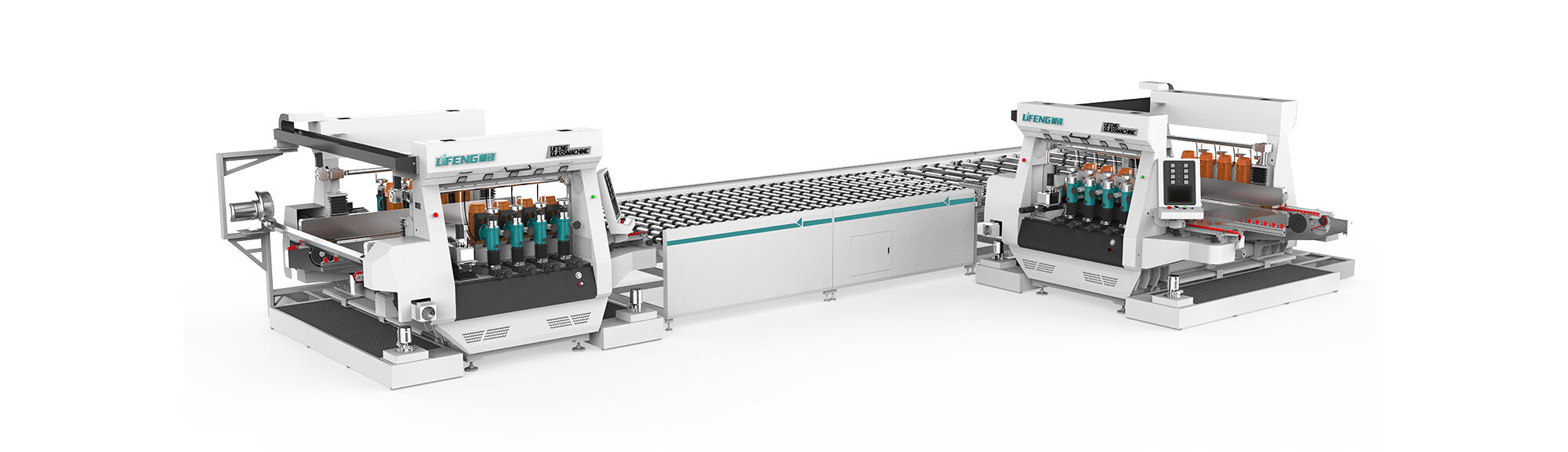
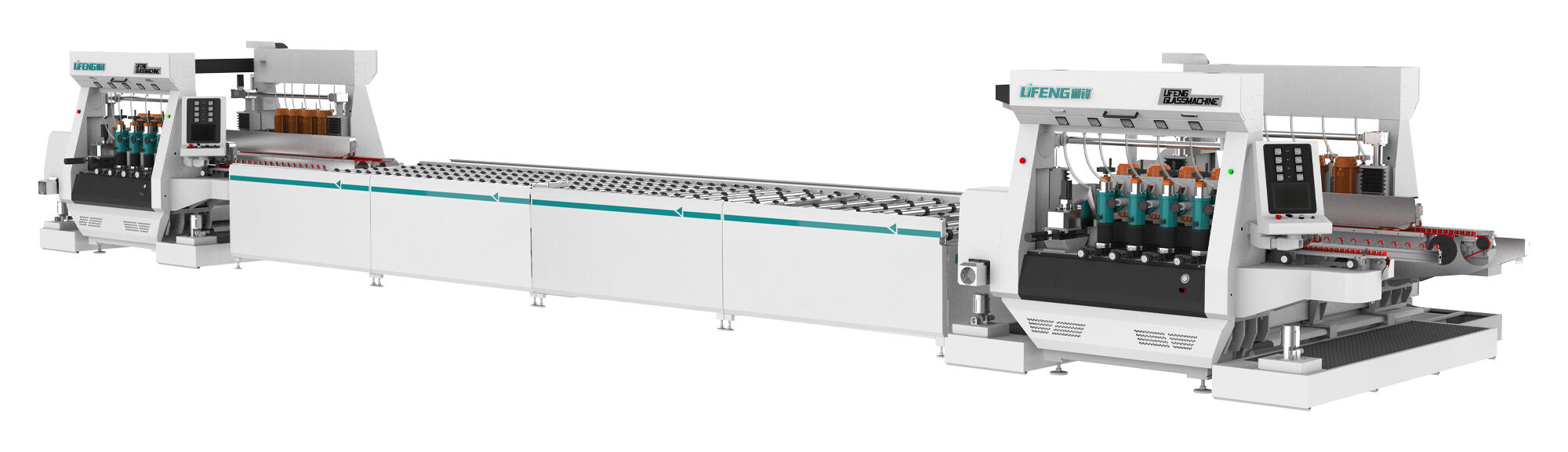
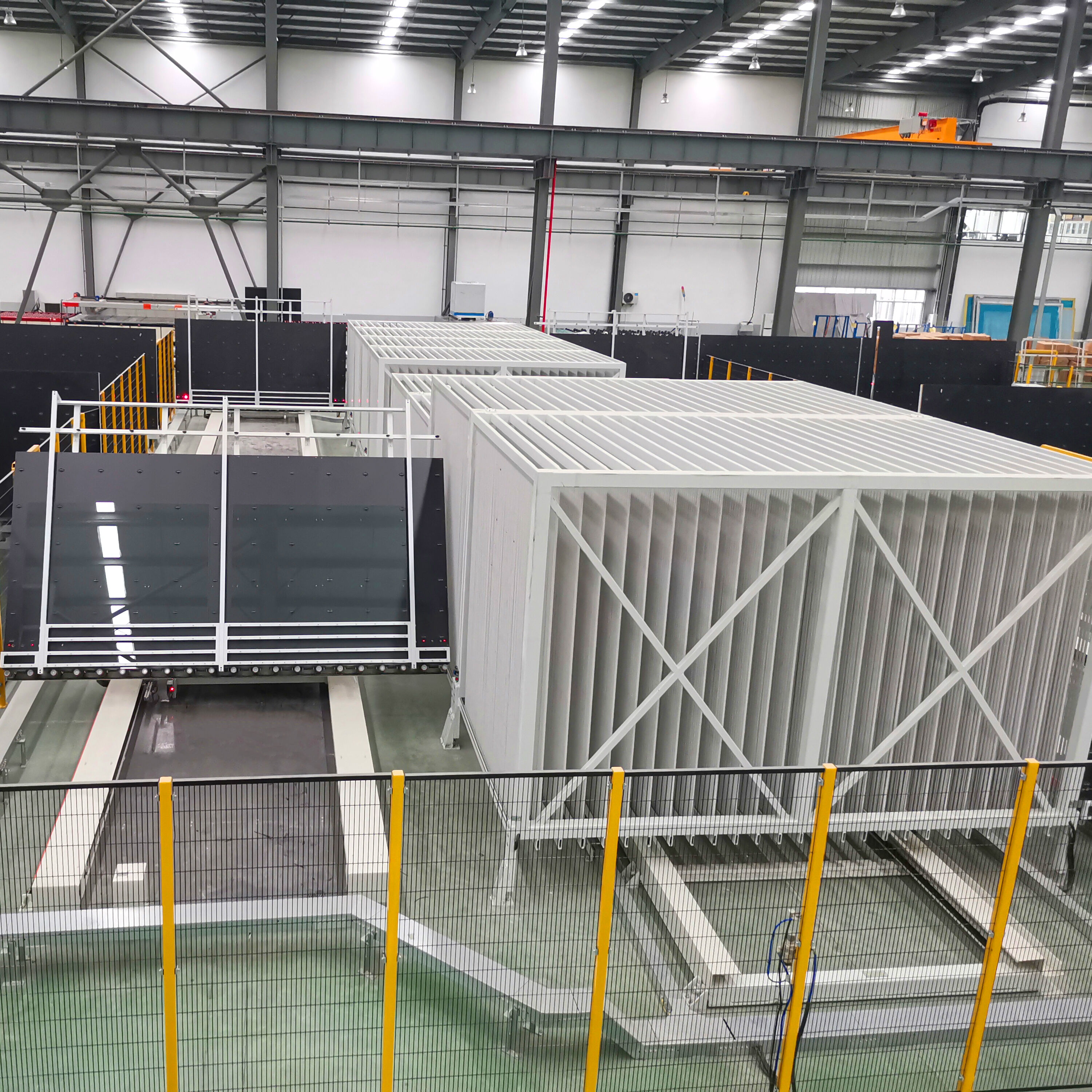
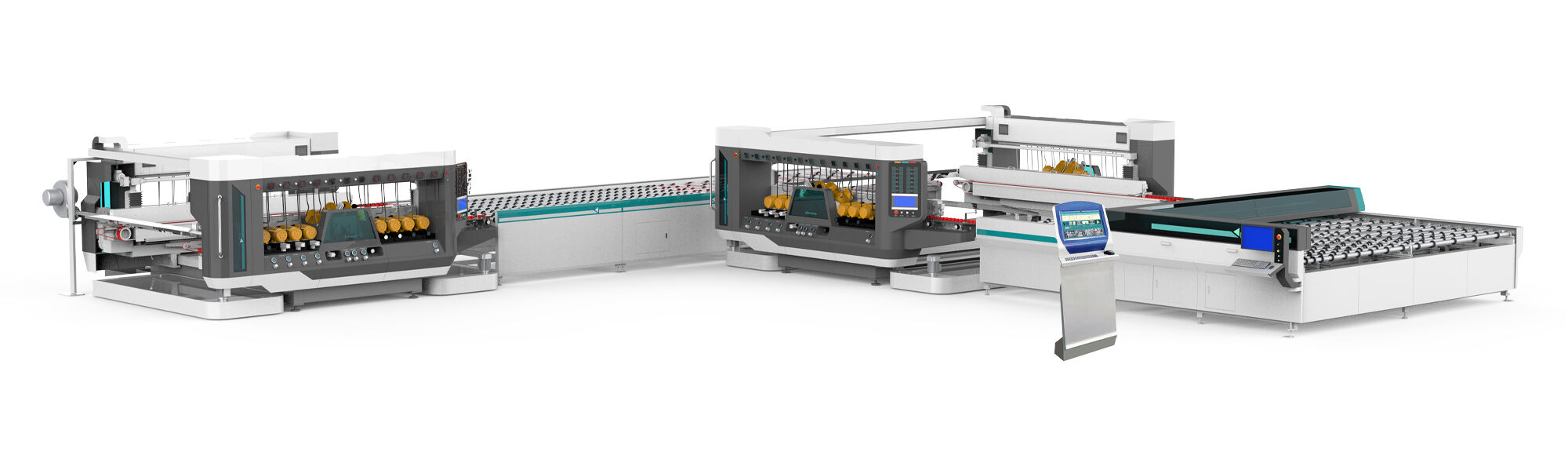
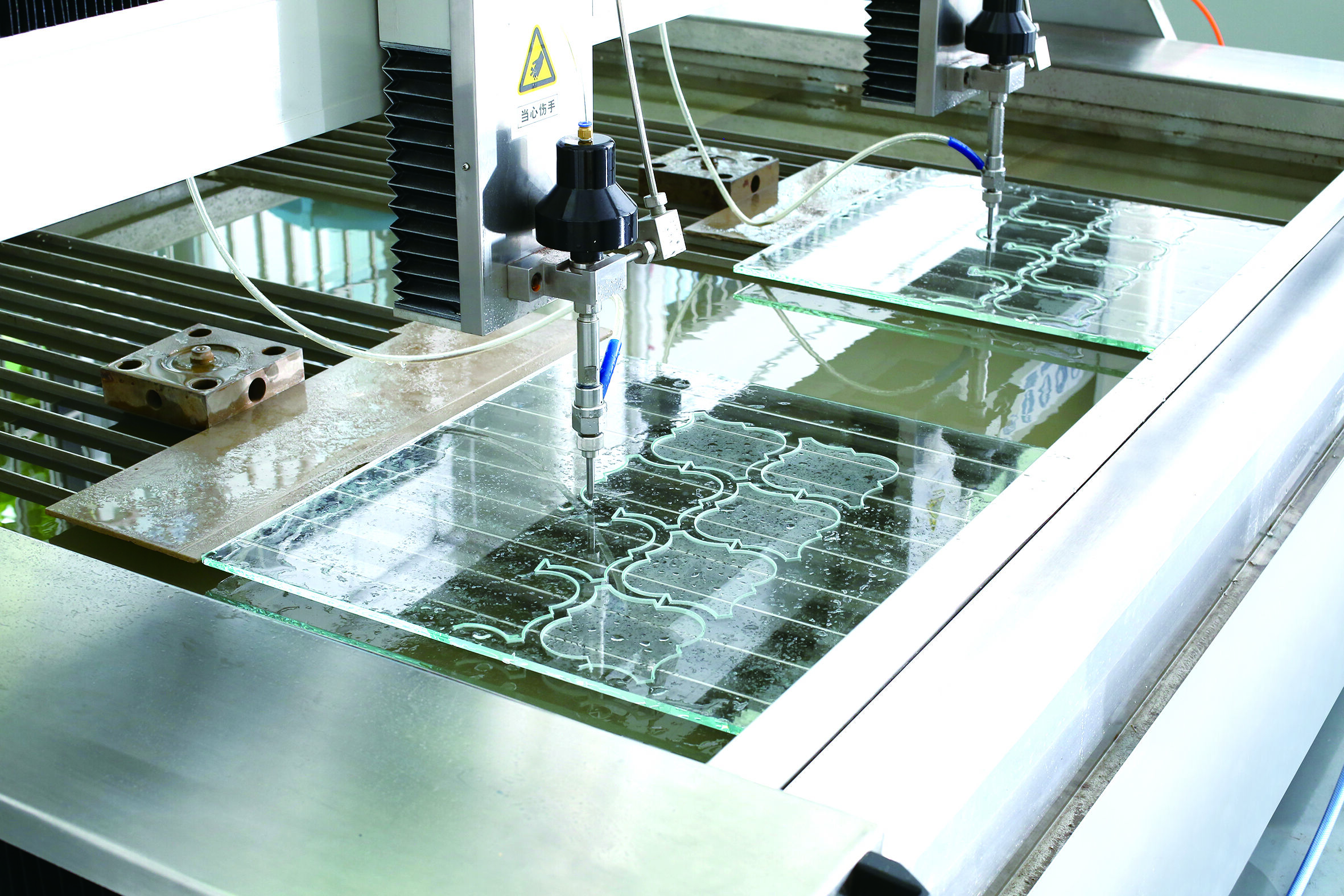
The glass injection molding machine represents a sophisticated manufacturing solution designed specifically for producing precision glass components through advanced molding technology. This specialized equipment combines high-temperature processing capabilities with precise control systems to transform raw glass materials into finished products with exceptional accuracy and consistency. The glass injection molding machine operates by heating glass to its molten state and injecting it into precision-engineered molds under controlled pressure and temperature conditions. This process enables manufacturers to create complex glass shapes that would be difficult or impossible to achieve through traditional glass forming methods. The main functions of this equipment include precise temperature regulation, automated injection control, mold clamping mechanisms, and cooling systems that ensure proper solidification of glass components. The technological features incorporate programmable logic controllers for process automation, multi-zone heating elements for uniform temperature distribution, hydraulic or electric drive systems for consistent injection pressure, and advanced safety mechanisms to protect operators and maintain product quality. These machines accommodate various glass types including borosilicate, soda-lime, and specialty optical glasses, making them versatile for different manufacturing requirements. The applications span multiple industries including automotive lighting, medical devices, laboratory equipment, optical components, decorative glassware, and electronic device components. Manufacturing facilities utilize glass injection molding machines to achieve high-volume production with minimal waste, superior dimensional accuracy, and repeatable quality standards. The equipment supports both prototype development and mass production scenarios, offering flexibility in production planning. Modern glass injection molding machines feature touchscreen interfaces for easy operation, recipe management systems for storing production parameters, and data logging capabilities for quality assurance documentation. This technology bridges the gap between traditional glassblowing craftsmanship and contemporary automated manufacturing, delivering efficiency without compromising the material properties that make glass valuable across numerous applications.

New Product Recommendations

The glass injection molding machine delivers substantial benefits that directly impact your production efficiency and bottom line. First and foremost, this equipment dramatically reduces production time compared to traditional glass forming methods. Where conventional techniques might require multiple manual steps and extended cooling periods, the glass injection molding machine completes the entire cycle automatically, allowing you to produce more parts in less time and meet demanding delivery schedules without compromising quality. The consistency achieved through automated processing means every component matches exact specifications, eliminating the variation that often occurs with manual production methods. This reliability reduces rejection rates and ensures customers receive products that perform as intended every time. Your material costs decrease significantly because the injection molding process minimizes waste. The precise control over glass quantity and injection parameters means you use only the material necessary for each component, unlike cutting or grinding operations that generate substantial scrap. The machine allows you to create intricate designs with complex geometries, thin walls, and precise details that expand your product offerings and open new market opportunities. Features like undercuts, threads, and integrated components can be molded directly into parts, reducing assembly requirements and associated labor costs. Energy efficiency represents another practical advantage, as modern glass injection molding machines incorporate insulation systems and optimized heating zones that reduce power consumption compared to continuous furnace operations. The controlled environment protects workers from extreme heat exposure and reduces workplace injuries, lowering insurance costs and improving employee satisfaction. Setup and changeover times are minimal, enabling you to switch between different products quickly and respond to market demands with agility. The equipment maintains stable operating conditions throughout production runs, preventing the temperature fluctuations and pressure variations that cause defects in traditional methods. Maintenance requirements remain manageable with accessible components and straightforward service procedures that minimize downtime. The compact footprint of glass injection molding machines allows efficient use of manufacturing space, particularly valuable in facilities where real estate costs are significant. Quality documentation becomes simpler as the machine automatically records process parameters, providing traceability for regulatory compliance and customer audits. Training new operators takes less time because intuitive controls and automated sequences reduce the skill level required compared to artisan glass forming techniques. The investment in a glass injection molding machine pays returns through increased capacity, improved quality, reduced labor costs, and enhanced competitiveness in markets where precision glass components command premium prices.

Practical Tips

What Factors Should You Consider When Choosing Automotive Glass Processing Methods?

28

Oct

What Factors Should You Consider When Choosing Automotive Glass Processing Methods?

The Complete Guide to Modern Automotive Glass Manufacturing The automotive glass processing industry has undergone significant transformation in recent years, driven by technological advancements and evolving vehicle design requirements. As manufactu...
View More
Why Are Glass Drilling Machines Vital in Automotive and Construction Industries?

28

Oct

Why Are Glass Drilling Machines Vital in Automotive and Construction Industries?

The Evolution of Glass Processing Technology in Modern Industries The landscape of industrial manufacturing has been transformed by the advent of sophisticated glass drilling machines, revolutionizing how we process and manipulate glass materials. Th...
View More
How Can Double Edgers Improve Efficiency and Reduce Waste?

24

Nov

How Can Double Edgers Improve Efficiency and Reduce Waste?

In today's competitive manufacturing landscape, companies are constantly seeking ways to enhance operational efficiency while minimizing material waste. Double edgers have emerged as a pivotal solution for businesses processing sheet materials, offer...
View More
How to Troubleshoot Common Issues in Double Edgers?

24

Nov

How to Troubleshoot Common Issues in Double Edgers?

Double edgers are essential machinery in glass processing facilities, responsible for delivering precise edge grinding and polishing operations. These sophisticated machines can encounter various operational challenges that impact productivity and pr...
View More

Get a Free Quote

Our representative will contact you soon.
Email
Name
Company Name
Message
0/1000

glass injection molding machine

Precision Engineering Ensures Perfect Components Every Time

Precision Engineering Ensures Perfect Components Every Time

The glass injection molding machine excels in delivering unmatched precision that transforms how manufacturers approach glass component production. This precision stems from multiple integrated systems working in perfect harmony to control every aspect of the molding process. The temperature control system represents the foundation of this precision, utilizing multiple heating zones that can be independently adjusted to maintain optimal glass viscosity throughout the injection cycle. Advanced sensors continuously monitor temperatures at critical points, providing real-time feedback to the control system that makes micro-adjustments faster than any human operator could achieve. This level of thermal control prevents cold spots that could cause incomplete filling or hot spots that might degrade glass properties, ensuring uniform material characteristics throughout each component. The injection pressure control operates with equal sophistication, modulating hydraulic or electric actuators to deliver exactly the right force at each stage of the cycle. Initial injection pressure drives molten glass into the mold cavity, while holding pressure compensates for material shrinkage during cooling, preventing voids or sink marks that compromise structural integrity. The mold clamping mechanism applies precise tonnage to keep mold halves together against injection forces, with position sensors confirming proper alignment before each cycle begins. This eliminates flash, parting line defects, and dimensional variations that occur when molds shift during injection. The precision extends to cycle timing, where programmable controllers execute each phase with millisecond accuracy, ensuring consistent cooling rates that affect final product properties like stress distribution and optical clarity. Shot size control meters the exact volume of glass material for each injection, preventing overfilling that wastes material or underfilling that creates incomplete parts. Modern glass injection molding machines incorporate servo motors and ball screws that position components with micron-level repeatability, eliminating the backlash and wear characteristics of older mechanical systems. The result is component dimensions that hold tolerances measured in hundredths of millimeters, critical for applications like lens systems, medical devices, and precision instrumentation. This precision reduces downstream processing requirements, as components often emerge from molds ready for immediate use without grinding, polishing, or other finishing operations. For manufacturers, precision translates directly into higher yields, lower rejection rates, and the ability to guarantee specifications that meet or exceed customer requirements, building reputation and securing long-term contracts in competitive markets.
Versatile Production Capabilities Adapt to Diverse Manufacturing Needs

Versatile Production Capabilities Adapt to Diverse Manufacturing Needs

The glass injection molding machine demonstrates remarkable versatility that allows manufacturers to address varied production requirements without investing in multiple specialized equipment systems. This adaptability begins with material compatibility, as the machine accommodates different glass formulations ranging from standard soda-lime compositions used in everyday products to specialized borosilicate glasses required for laboratory and medical applications, and even optical-grade materials for lens manufacturing. The heating system adjusts across wide temperature ranges to match each glass type's specific processing requirements, while the control software stores recipes that recall all parameters needed for different materials with a single selection. Mold changeover capabilities enhance versatility further, with quick-release mechanisms and standardized mounting interfaces that allow operators to switch between different product configurations in minutes rather than hours. This flexibility proves invaluable for manufacturers serving multiple market segments or producing seasonal product variations, eliminating the production bottlenecks that occur when equipment can only handle single applications. The machine scales effectively from prototype development through full production runs, supporting low-volume specialty items alongside high-volume commodity components. During prototype phases, engineers can test designs, refine parameters, and validate product performance using the same equipment that will eventually handle mass production, ensuring seamless transition and eliminating the variables introduced when different processes are used for development versus manufacturing. Size versatility accommodates components ranging from tiny precision parts weighing grams to larger assemblies measured in kilograms, with adjustable injection volumes and clamping forces that optimize performance across this spectrum. The glass injection molding machine handles both simple and complex geometries equally well, producing everything from basic cylindrical shapes to intricate multi-cavity parts with internal features and variable wall thicknesses. This geometric flexibility comes from the combination of adequate injection pressure to fill thin sections, controlled flow rates that prevent jetting in thick areas, and venting systems that eliminate trapped air regardless of part complexity. Multi-cavity molds further expand production options, allowing simultaneous manufacture of multiple identical components or family molds that produce different parts in the same cycle, maximizing equipment utilization and reducing per-unit costs. The machine integrates with auxiliary equipment like robotic part removal systems, vision inspection stations, and downstream assembly equipment, functioning as part of comprehensive manufacturing cells rather than isolated processing stations. This integration capability means the glass injection molding machine adapts to existing production workflows and grows with facility expansion plans.
Cost-Effective Operation Maximizes Return on Investment

Cost-Effective Operation Maximizes Return on Investment

The glass injection molding machine delivers exceptional cost-effectiveness through multiple mechanisms that reduce expenses while increasing revenue potential, making it an intelligent investment for manufacturers focused on long-term profitability. The automation inherent in injection molding technology dramatically reduces labor costs compared to manual glass forming methods that require skilled artisans for each component. A single operator can supervise multiple glass injection molding machines simultaneously, monitoring processes through centralized control systems and intervening only when conditions require adjustment or maintenance. This labor efficiency becomes increasingly valuable as skilled glassworkers become scarce and wage rates rise, allowing manufacturers to maintain production capacity without proportional increases in personnel costs. Energy consumption represents another area where the glass injection molding machine demonstrates cost advantages. Modern equipment incorporates energy-efficient heating elements, optimized insulation systems, and intelligent power management that reduces electricity usage compared to traditional glass furnaces that must maintain continuous high temperatures. The machine heats only the material quantity needed for each production cycle, eliminating the energy waste associated with keeping large volumes of glass molten. Standby modes reduce power consumption during production pauses, while quick heat-up capabilities mean the machine reaches operating temperature efficiently when production resumes. Material utilization efficiency directly impacts costs, as the precise metering and injection control minimizes waste that occurs in cutting, grinding, or hand-forming operations. The closed system prevents contamination that could ruin material batches, while the ability to reclaim and reprocess runners or rejected parts further reduces material expenses. Maintenance costs remain manageable due to robust construction using industrial-grade components designed for extended service life. Preventive maintenance procedures are straightforward, with accessible wear parts that can be inspected and replaced quickly, minimizing downtime and associated production losses. The machine's diagnostic systems provide early warning of developing issues, allowing scheduled maintenance during planned downtime rather than emergency repairs that interrupt production and incur premium service charges. Quality consistency reduces costs associated with defects, customer returns, and warranty claims that damage profitability and reputation. The glass injection molding machine produces components that meet specifications reliably, eliminating the sorting and inspection labor required when manual processes generate variable quality. This consistency also reduces inventory carrying costs, as manufacturers can operate with lower safety stock knowing that production runs will yield expected quantities of acceptable parts. The equipment's versatility allows manufacturers to consolidate multiple processes and products onto single machines, reducing capital equipment requirements and the facility space needed to house separate specialized systems. Faster production cycles mean higher throughput from existing equipment, delaying or eliminating the need for capacity expansion investments. The combination of reduced labor, lower energy consumption, minimized material waste, manageable maintenance expenses, and improved quality creates a compelling cost structure that enhances competitiveness and profitability throughout the equipment's operational life.