Exceptional Quality Control and Product Consistency
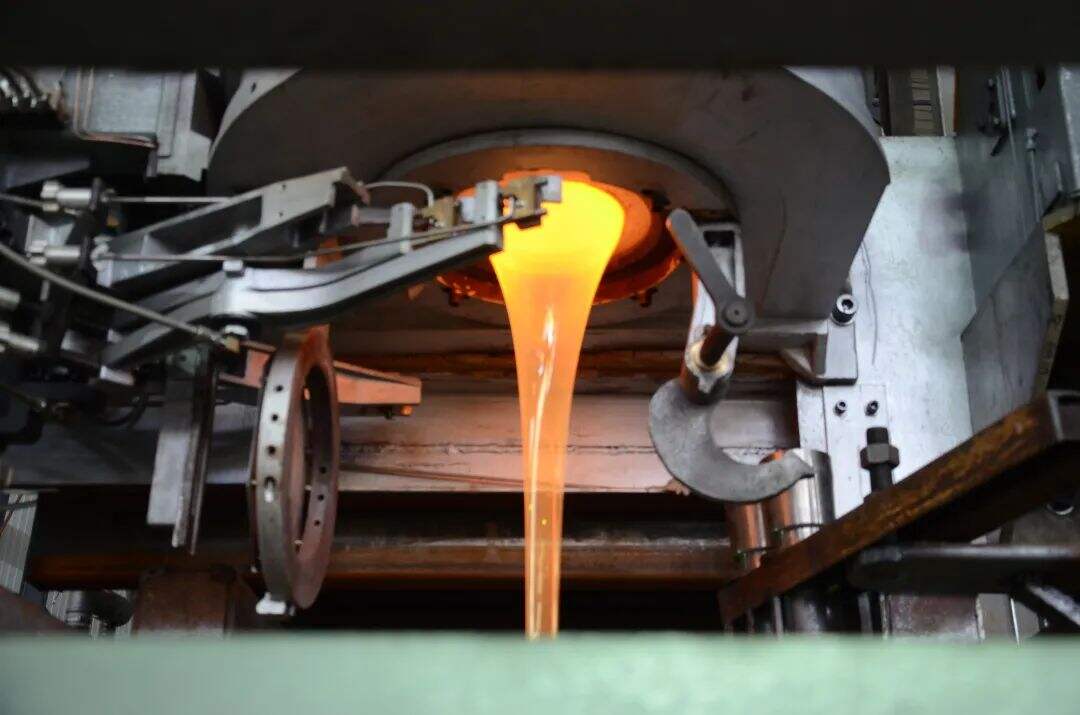
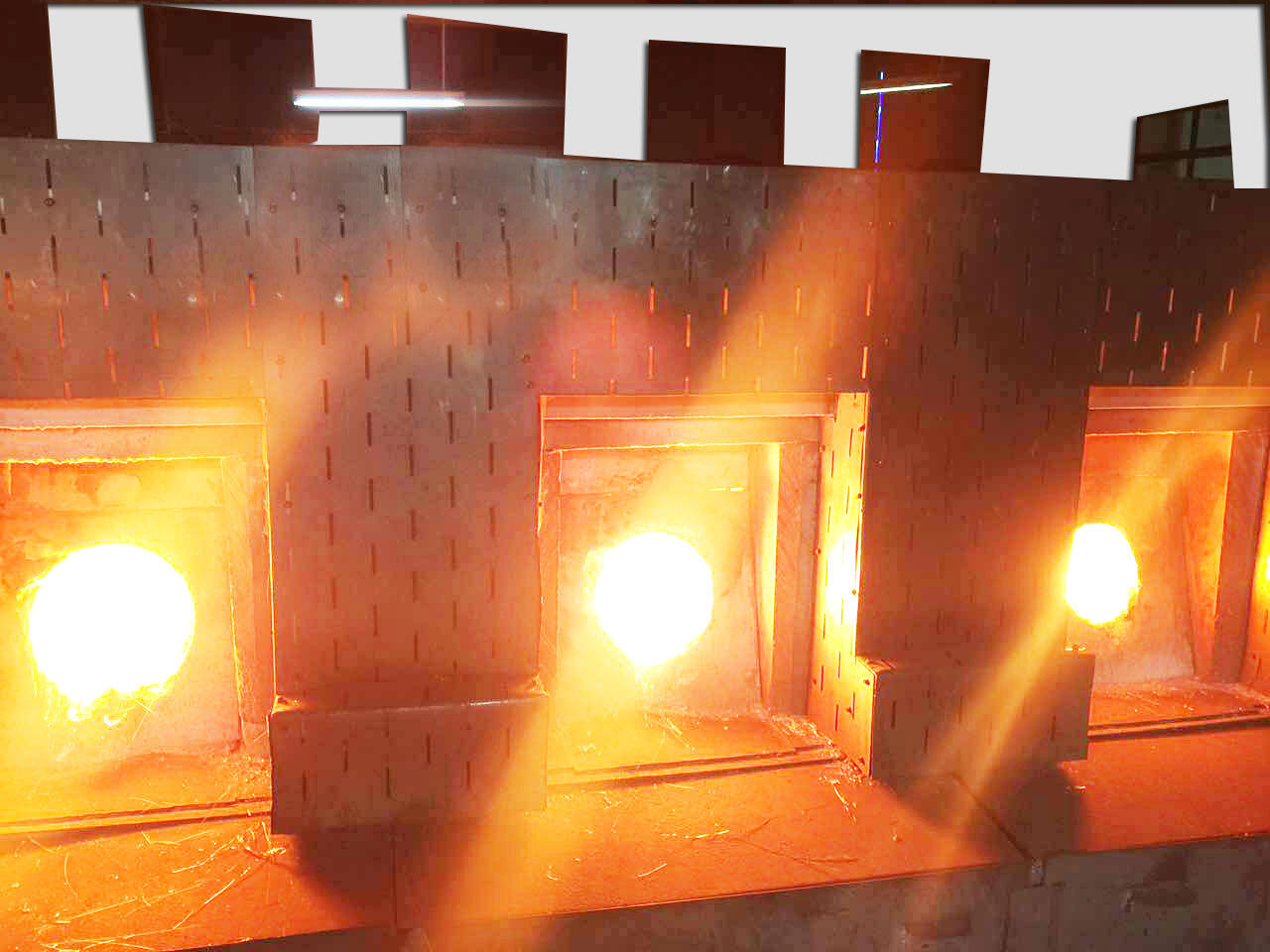
Exceptional quality control and product consistency achieved through tank furnace glass melting technology provides manufacturers with the precision necessary to meet demanding specifications across diverse applications, from pharmaceutical packaging requiring chemical resistance to automotive glazing needing exact optical properties. The fundamental advantage stems from the thermal stability inherent in continuous operations, where temperature variations that plague batch processes are virtually eliminated. In tank furnace glass melting, different zones maintain specific temperature profiles optimized for distinct process stages: melting, refining, conditioning, and working. The melting zone reaches peak temperatures where raw materials dissolve and react, forming initial glass. The refining zone maintains slightly lower temperatures ideal for allowing bubbles to rise and escape, eliminating gaseous inclusions that would compromise product quality. The conditioning zone carefully controls cooling rates to achieve optimal viscosity for forming operations, while the working zone delivers glass at precisely the temperature required by downstream equipment. This zoned approach allows your production team to optimize each process stage independently, fine-tuning conditions to achieve specific quality attributes without compromising other parameters. The extended residence time in tank furnace glass melting, often measured in days rather than hours, ensures complete homogenization as convection currents circulate glass throughout the basin, eliminating compositional variations that cause defects. Advanced monitoring systems track critical parameters including temperature distributions, glass level, pressure differentials, and combustion conditions, providing operators with real-time data to make informed adjustments. Statistical process control becomes highly effective with tank furnace glass melting because the system stability reduces random variation, allowing genuine process shifts to be detected quickly before significant quantities of off-specification material are produced. This early detection capability minimizes waste, reduces rework costs, and protects customer relationships by preventing defective products from reaching the market. For manufacturers serving regulated industries such as pharmaceuticals or food and beverage, the consistent quality documentation enabled by stable tank furnace glass melting operations simplifies compliance with validation requirements and traceability standards, reducing administrative burden while providing confidence to customers and regulatory authorities.
 EN
EN
 AR
AR
 BG
BG
 HR
HR
 CS
CS
 DA
DA
 NL
NL
 FI
FI
 FR
FR
 DE
DE
 EL
EL
 HI
HI
 IT
IT
 JA
JA
 KO
KO
 PL
PL
 PT
PT
 RO
RO
 RU
RU
 ES
ES
 SV
SV
 TL
TL
 IW
IW
 LV
LV
 LT
LT
 SK
SK
 SL
SL
 UK
UK
 VI
VI
 ET
ET
 HU
HU
 MT
MT
 TH
TH
 TR
TR
 FA
FA
 MS
MS
 SW
SW
 GA
GA
 AZ
AZ