Materialların qorunması üçün ağıllı soyutma sistemi
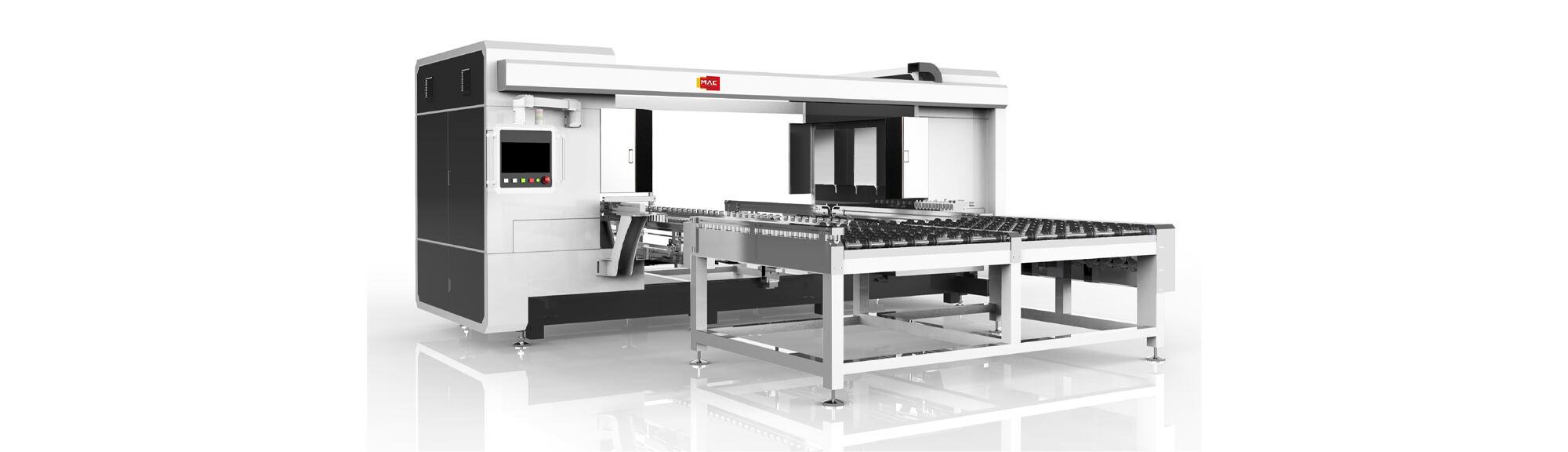
Peşəkar şüşə delmə maşınlarına daxil edilən intellektual soyutma sistemləri, şüşə materiallarını istilik zədəsindən qorumaqda, eyni zamanda alətin ömrünü uzatmaqda və uzun müddətli istehsal prosesləri ərzində optimal delmə performansını təmin etməkdə tamamilə mühüm rol oynayır. Şüşənin istilik xüsusiyyətləri onu sürətli temperatur dəyişikliklərinə və yerli isinməyə qarşı çox həssas edir; bu da ümumi delmə avadanlığı tərəfindən kifayət qədər həll edilə bilməyən, lakin ixtisaslaşmış şüşə delmə maşınları tərəfindən irəli səviyyəli soyutma texnologiyası ilə aradan qaldırılan problemlərdir. Bu sistemlər, fırlanan delmə ucunun və şüşənin bir-biri ilə sürtünməsi nəticəsində yaranan intensiv istiliyi, əks halda bütün panel üzrə yayılan anidən istilik şoku çatları yaratmağa səbəb olacaq, dəqiq nəzarət olunan soyuducu maye axınlarını birbaşa delmə nöqtəsinə verir. Soyuducu maye sadəcə temperaturu azaltmaqla kifayətlənmir, həmçinin sürtünmə qüvvələrini minimuma endirmək üçün kəsmə prosesini yağlayır, səthi xərək edə biləcək və ya delmə dəqiqliyini pozabiləcək şüşə hissəciklərini və çirkabları çıxarır, həmçinin təzə açılmış şüşə kənarlarında atmosfer rütubəti ilə kimyəvi reaksiyaların baş verməsini qarşısını alan qoruyucu maneə yaradır. İrəli səviyyəli soyutma sistemləri, delmə diametri, şüşə qalınlığı, material növü və fırlanma sürəti kimi parametrlərə əsaslanaraq avtomatik olaraq tənzimlənən proqramlaşdırıla bilən axın sürətlərinə malikdir; beləliklə, hər bir əməliyyat üçün optimal nəticələr əldə etmək üçün tam olaraq lazım olan soyutma intensivliyi təmin edilir və işlətmə xərclərini artırıb təmizləmə tələblərini artıracaq artıq soyutma qarşısı alınır. Mayenin verilməsi mexanizmləri, soyuducunu tam olaraq lazım olan yerə yönəltmək üçün hesablanmış bucaqlarda yerləşdirilmiş dəqiq püskürdüyülərdən istifadə edir; tez-tez bir neçə axın şüşəni müxtəlif istiqamətlərdən yanaşaraq tam örtük və maksimum soyutma effektivliyi əldə etməyə imkan verir. Premium şüşə delmə maşınlarına daxil edilən qapalı dövrəli təkrar istifadə sistemləri istifadə olunmuş soyuducunu toplayır, çirkləri və şüşə hissəciklərini süzür və təmiz mayeni təkrar istifadə üçün geri qaytarır; bu da sərf olunan materialların xərclərini əhəmiyyətli dərəcədə azaldır və tullantıların atılması ilə bağlı ekoloji nəzəriyyələri həll edir. İntellektual sistemlərə daxil edilən temperatur monitorinqi qabiliyyətləri real vaxtda istilik şəraitləri haqqında geri əlaqə verir, operatorları zədə baş verməzdən əvvəl potensial problemlər barədə xəbərdar edir və davamlı istehsalı saxlamaq üçün profilaktik tənzimləmələrə imkan verir; bu zaman problemlər yalnız zədələnmiş şüşə panellərin bahalı əvəzlənməsi tələb etdiyi zaman aşkar edilmir. Bahalı memarlıq şüşələrini, xüsusi örtüklü materialları və ya fərdiləşdirilmiş hazırlanmış panelləri emal edən müəssisələr üçün intellektual soyutma sistemlərinin təmin etdiyi material qorunması, layihələrin tamamilə qazanc marjlarını itirməyə səbəb ola biləcək katastrofik itkilərə qarşı qiymətli bir sığorta təmin edir. Doğru soyutma nəticəsində alətin ömrünün uzadılması, tez-tez delmə uçlarının dəyişdirilməsi ilə əlaqədar bakımı və dayanma vaxtı xərclərini azaldır, çünki nəzarət olunan temperatur şərtləri, diamant örtüklərin istilik altında yumuşaması və ya karbid alətlərin erkən dullaşması kimi kəsmə kənarlarının sürətli aşınmasını qarşısını alır.
 EN
EN
 AR
AR
 BG
BG
 HR
HR
 CS
CS
 DA
DA
 NL
NL
 FI
FI
 FR
FR
 DE
DE
 EL
EL
 HI
HI
 IT
IT
 JA
JA
 KO
KO
 PL
PL
 PT
PT
 RO
RO
 RU
RU
 ES
ES
 SV
SV
 TL
TL
 IW
IW
 LV
LV
 LT
LT
 SK
SK
 SL
SL
 UK
UK
 VI
VI
 ET
ET
 HU
HU
 MT
MT
 TH
TH
 TR
TR
 FA
FA
 MS
MS
 SW
SW
 GA
GA
 AZ
AZ