 EN
EN
 AR
AR
 BG
BG
 HR
HR
 CS
CS
 DA
DA
 NL
NL
 FI
FI
 FR
FR
 DE
DE
 EL
EL
 HI
HI
 IT
IT
 JA
JA
 KO
KO
 PL
PL
 PT
PT
 RO
RO
 RU
RU
 ES
ES
 SV
SV
 TL
TL
 IW
IW
 LV
LV
 LT
LT
 SK
SK
 SL
SL
 UK
UK
 VI
VI
 ET
ET
 HU
HU
 MT
MT
 TH
TH
 TR
TR
 FA
FA
 MS
MS
 SW
SW
 GA
GA
 AZ
AZ

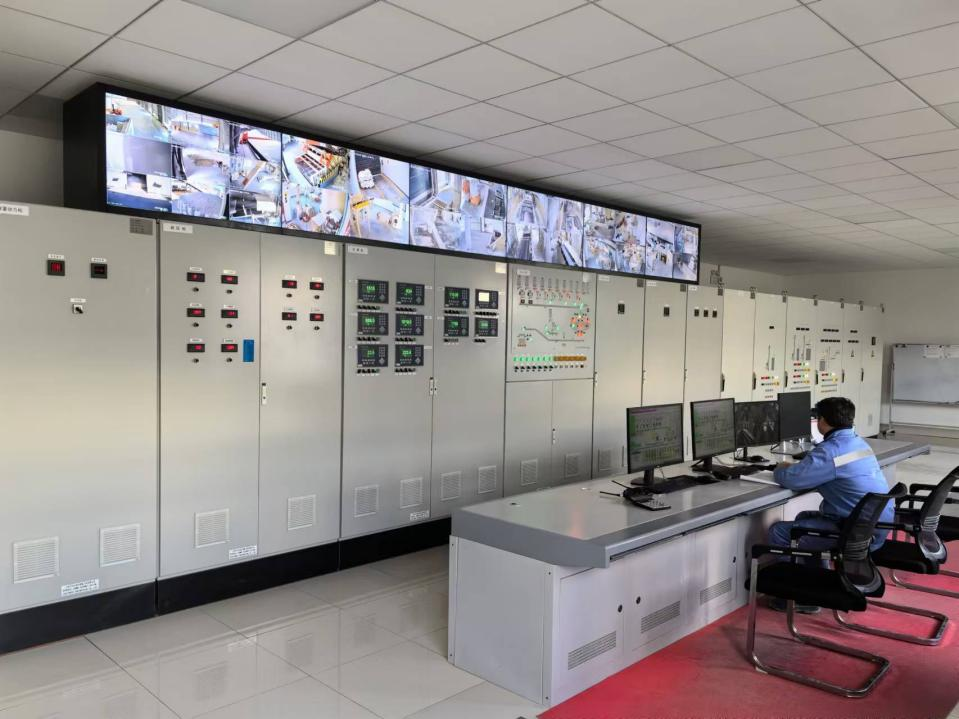
In modern glass processing facilities, material handling represents a significant operational expense and a critical efficiency bottleneck. Glass batching debatching systems address this challenge directly by automating the movement of raw materials and finished batches through production stages. When implemented effectively, glass batching debatching technology delivers measurable improvements in throughput, labor allocation, and overall plant performance.
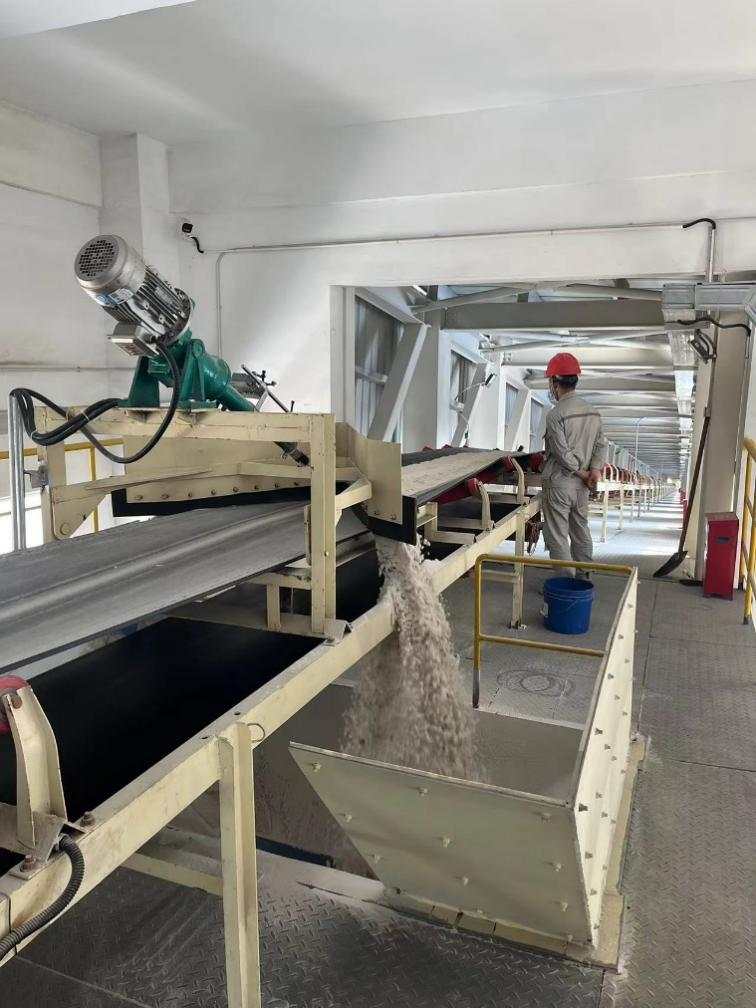
The glass batch plant environment demands precision, consistency, and speed. Traditional manual batch handling creates variable dwell times, introduces quality inconsistencies, and ties up personnel who could focus on higher-value tasks. A modern automatic glass batching system transforms this dynamic by establishing predictable material flow, reducing cycle times, and freeing operators to concentrate on quality control and equipment monitoring rather than physical material movement.
How Glass Batch Handling Systems Enhance Operational Efficiency
Automating Material Flow and Reducing Labor Dependency
Automatic glass batching removes the guesswork from material positioning and batch timing. Instead of relying on operators to manually move raw glass, aggregates, and processed batches between stages, automated glass batch handling systems execute consistent, repeatable movements on demand. This consistency eliminates delays caused by personnel availability, shift transitions, or human error. Processing plants report labor hour reductions of 15 to 25 percent when transitioning from manual batch handling to automated systems, allowing supervisors to redeploy staff to inspection, maintenance, and process optimization roles.
Minimizing Material Damage and Waste
Rough handling during manual batch movement causes glass fractures, contamination, and material loss. Controlled automatic glass batching systems employ gentle, precision movement patterns that protect fragile materials throughout the transfer process. Reduced breakage directly improves yield rates and reduces scrap disposal costs. Processing plants also benefit from lower raw material consumption, as less waste means fewer materials must be repurchased to meet production quotas.
Integration Benefits of Modern Glass Batching Systems
Synchronization with Production Schedules
A glass batch plant operates most efficiently when material availability matches production demand exactly. Modern glass batching system designs incorporate timing logic that positions batches at processing stages just as previous batches clear those stations. This synchronization eliminates bottlenecks caused by starving workstations or overwhelming them with excess inventory. Consequently, throughput increases without requiring additional production equipment or extended operating hours.
Real-Time Monitoring and Data Capture
Automated glass batch handling systems generate continuous operational data. Processing plants can track batch movement times, identify recurring delays, and correlate material flow with production quality metrics. This visibility enables informed decisions about equipment upgrades, process adjustments, and resource planning. Operators gain immediate alerts when batches deviate from expected timelines, allowing rapid intervention before minor issues cascade into major disruptions.
Practical Implementation Considerations for Processing Plants
Assessing Current Workflow and Identifying Automation Opportunities
Before investing in an automatic glass batching system, processing plants should map existing batch movement patterns, measure current cycle times, and calculate labor costs associated with manual handling. This baseline analysis reveals where automatic glass batching delivers the highest return. Facilities handling high volumes, managing fragile materials, or facing chronic labor shortages typically see faster payback periods from glass batch handling system investments compared to lower-volume operations.
Selecting Systems Aligned with Facility Scale and Material Types
Effective glass batching debatching solutions must match the specific requirements of each processing plant. System capacity, movement speed, safety interlocks, and material compatibility all influence selection. A glass batching system designed for high-speed cullet handling may not suit delicate crushed glass applications. Conversely, an automatic glass batching configuration optimized for fragile materials might prove too slow for high-throughput operations. Processing plant managers should evaluate multiple configurations and pilot installations when feasible to ensure the chosen glass batch handling system aligns with long-term production goals.
FAQ
What measurable improvements can processing plants expect from glass batching debatching automation?
Processing plants typically observe 15 to 25 percent labor hour reductions, 10 to 20 percent improvements in throughput, 5 to 15 percent increases in material yield due to reduced breakage, and 20 to 40 percent shorter batch cycle times. These gains vary based on facility design, current operations, and system configuration, but multiple studies confirm that well-implemented glass batch handling systems deliver rapid return on investment within two to four years.
How does a glass batching system integrate with existing production equipment?
Modern automatic glass batching technology connects to existing furnaces, mixing equipment, and packaging lines through standard interfaces. A glass batch plant can typically retrofit an automatic glass batching system without halting current operations or replacing major production components. Integration specialists design material pathways, install positioning sensors, and configure timing logic to synchronize batch movement with downstream equipment, minimizing disruption during installation and startup phases.
Are glass batching systems suitable for all material types and plant sizes?
Automatic glass batching systems adapt to diverse materials, from cullet and recycled glass to virgin raw materials and specialty aggregates. Processing plants ranging from small regional facilities to large multinational operations deploy glass batch handling solutions successfully. System configuration varies by volume, material fragility, and available space, so manufacturers offer modular designs that scale from basic batch positioning to comprehensive production flow automation that coordinates multiple stages simultaneously.