 EN
EN
 AR
AR
 BG
BG
 HR
HR
 CS
CS
 DA
DA
 NL
NL
 FI
FI
 FR
FR
 DE
DE
 EL
EL
 HI
HI
 IT
IT
 JA
JA
 KO
KO
 PL
PL
 PT
PT
 RO
RO
 RU
RU
 ES
ES
 SV
SV
 TL
TL
 IW
IW
 LV
LV
 LT
LT
 SK
SK
 SL
SL
 UK
UK
 VI
VI
 ET
ET
 HU
HU
 MT
MT
 TH
TH
 TR
TR
 FA
FA
 MS
MS
 SW
SW
 GA
GA
 AZ
AZ


Smart factory automation represents a transformative shift in glass manufacturing, and glass machines are at the core of this revolution. Modern glass processing machines integrate digital controls, real-time monitoring, and automated workflows that enable manufacturers to optimize production efficiency, reduce waste, and maintain consistent quality. As competition intensifies and consumer demands grow more sophisticated, understanding how glass machines support automation becomes essential for manufacturers seeking to remain competitive in Industry 4.0 environments.
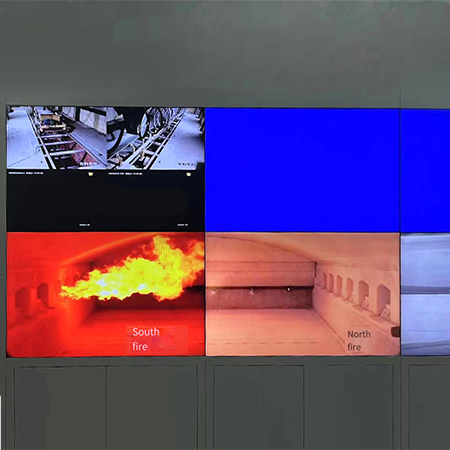
Glass processing equipment has evolved dramatically over the past decade. Today's glass processing machines combine precision engineering with intelligent software systems that communicate seamlessly across production lines. A reliable glass machine supplier now offers solutions equipped with sensors, cloud connectivity, and predictive maintenance capabilities. These advancements enable glass machinery manufacturer offerings to support the automation demands of contemporary smart factories, where machines work together to optimize throughput, energy consumption, and product consistency without constant manual intervention.
Integration of Glass Processing Machines in Smart Factories
Digital Connectivity and Data Exchange
Smart factory automation depends on seamless communication between glass processing equipment units. Modern glass machines are built with standardized interfaces and protocols that allow them to exchange production data, performance metrics, and adjustment signals in real time. This connectivity transforms individual glass processing machines into nodes within a larger intelligent ecosystem. Manufacturers benefit from centralized visibility into every stage of production, enabling rapid response to bottlenecks or quality deviations. The data collected from each glass processing equipment piece informs machine learning algorithms that continuously improve cutting speeds, thermal profiles, and finishing parameters.
Automated Workflow Orchestration
Glass machinery manufacturer systems now orchestrate entire production sequences with minimal human input. From raw material intake through final inspection, glass machines execute preprogrammed workflows while adapting to real-time conditions. Advanced glass processing equipment can communicate with upstream supply systems and downstream packaging lines, coordinating material flow and preventing production interruptions. This automated orchestration reduces labor costs, minimizes human error, and dramatically increases throughput compared to traditional semi-automated approaches.
Operational Efficiency and Cost Reduction
Predictive Maintenance and Downtime Prevention
One of the most significant advantages of modern glass machines in smart factory environments is predictive maintenance capability. Glass processing machines equipped with IoT sensors continuously monitor mechanical stress, temperature patterns, and component wear. A skilled glass machine supplier integrates this data into predictive algorithms that forecast maintenance needs before failures occur, reducing unplanned downtime by up to 40 percent. This proactive approach extends equipment lifespan and protects production schedules. Glass processing equipment that combines real-time diagnostics with predictive analytics shifts manufacturers from reactive maintenance to strategic planning.
Energy Efficiency and Resource Optimization
Smart factory automation enables glass machines to optimize energy consumption dynamically. Glass processing machines adjust heating cycles, motor speeds, and cooling sequences based on actual production requirements rather than fixed parameters. Machine control systems from advanced glass machinery manufacturer suppliers analyze energy usage patterns and identify opportunities for optimization. Some glass processing equipment implementations have achieved energy reductions of 15 to 25 percent. This efficiency translates directly into lower operational costs and aligns glass manufacturing operations with sustainability goals increasingly demanded by customers and regulators.
Quality Assurance Through Intelligent Glass Processing Equipment
Real-Time Quality Monitoring
Glass machines in smart factories perform continuous quality verification throughout production cycles. Glass processing equipment incorporates vision systems, thickness sensors, and dimensional measurement tools that operate alongside production processes. These glass machines capture quality data for every unit produced, creating comprehensive records that support traceability and rapid issue resolution. When deviations occur, automated alerts trigger adjustments before defective products enter downstream processes. This real-time quality management capability transforms glass machines into active guardians of product consistency and customer satisfaction.
Adaptive Parameter Adjustment
Advanced glass processing machines employ adaptive control systems that fine-tune operational parameters based on real-time quality feedback. When glass processing equipment detects variations in glass composition, environmental conditions, or processing outcomes, it automatically adjusts temperatures, pressures, and timing to compensate. This intelligent responsiveness means that glass machines maintain tight quality tolerances even when raw material properties fluctuate slightly. Glass machinery manufacturer solutions that implement adaptive adjustment reduce scrap rates, improve yield percentages, and decrease the need for manual intervention and operator expertise.
FAQ
What specific Industry 4.0 technologies do modern glass machines incorporate?
Contemporary glass processing machines integrate Industrial Internet of Things sensors, cloud-based data analytics, machine learning algorithms, edge computing platforms, and advanced manufacturing execution systems. Glass processing equipment typically includes barcode readers, weight sensors, temperature probes, and machine vision systems connected through secure networks. A reputable glass machine supplier ensures that glass machinery manufacturer equipment meets cybersecurity standards while enabling real-time data sharing across the production ecosystem. These technologies work together to create the intelligent, responsive production environments that define smart factories.
How do glass machines reduce production costs in automated environments?
Glass processing machines lower costs through multiple pathways including energy optimization, predictive maintenance that prevents costly downtime, automated quality control that reduces scrap, and increased throughput per operator. Glass processing equipment minimizes manual inspection requirements and enables skeleton crews to manage larger production volumes. Glass machinery manufacturer systems reduce consumable waste through precise control and optimize scheduling to improve asset utilization. The cumulative effect of these cost reductions typically justifies the investment in automated glass machines within two to three years.
What challenges exist when implementing automated glass processing equipment?
Implementation challenges include significant upfront capital investment, workforce retraining requirements, integration complexity with legacy systems, and cybersecurity considerations. Glass machines require ongoing technical support and software updates that depend on choosing a reliable glass machine supplier. Glass processing equipment integration demands careful planning to ensure compatibility across production lines. However, most manufacturers find that working with experienced glass machinery manufacturer partners helps navigate these challenges systematically, and long-term operational benefits substantially outweigh initial obstacles.