 EN
EN
 AR
AR
 BG
BG
 HR
HR
 CS
CS
 DA
DA
 NL
NL
 FI
FI
 FR
FR
 DE
DE
 EL
EL
 HI
HI
 IT
IT
 JA
JA
 KO
KO
 PL
PL
 PT
PT
 RO
RO
 RU
RU
 ES
ES
 SV
SV
 TL
TL
 IW
IW
 LV
LV
 LT
LT
 SK
SK
 SL
SL
 UK
UK
 VI
VI
 ET
ET
 HU
HU
 MT
MT
 TH
TH
 TR
TR
 FA
FA
 MS
MS
 SW
SW
 GA
GA
 AZ
AZ


Intelligent furnace batch scheduling represents a transformative approach to glass production, where precise glass batching debatching directly determines tempering efficiency and final product quality. Modern glass manufacturers face mounting pressure to reduce cycle times while maintaining strict quality standards, and the answer lies in automating the critical sequence of loading, processing, and unloading operations within furnace environments. Effective glass batch handling system integration eliminates manual bottlenecks, reduces thermal shock during transitions, and ensures consistent material flow that optimizes energy consumption across the entire production line.
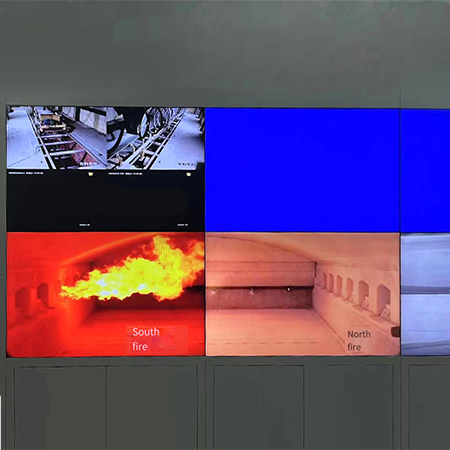
The convergence of glass batch plant automation with real-time scheduling intelligence creates a competitive edge that extends beyond raw throughput. By deploying an automatic glass batching system integrated with furnace controls, facilities can synchronize batch arrivals with furnace cooling cycles, eliminating unnecessary idle time and preventing thermal degradation. This synchronized approach to glass batch plant operations transforms scheduling from a reactive task into a predictive discipline that anticipates furnace load capacity, material readiness, and downstream tempering demands simultaneously.
The Core Challenge: Synchronizing Batch Flow with Furnace Cycles
Understanding Thermal Constraints and Material Readiness
Glass furnaces operate within strict thermal windows where timing determines both quality and efficiency. When raw materials enter the furnace at incorrect intervals, the system experiences thermal shock, temperature fluctuations, and uneven glass conditioning that cascades into tempering defects. A modern glass batching system must account for furnace residence time, material composition variables, and the precise moment when conditioned glass reaches optimal viscosity for tempering. Intelligent scheduling bridges this gap by continuously monitoring furnace temperature profiles, predicting when each batch will reach optimum extraction temperature, and staging incoming material accordingly.
Labor Reduction and Consistency Gains
Manual glass batch handling introduces human variability that undermines even the most sophisticated furnace controls. Operators make timing decisions based on visual cues rather than precise thermal data, leading to inconsistent batch intervals and quality variance. An automatic glass batching system eliminates this variability by enforcing deterministic scheduling logic that repeats identically across every shift, every day, and every season. The result is not simply labor savings, but structural consistency that reduces scrap rates, rework cycles, and quality-related downtime that would otherwise erode profitability.
Intelligent Scheduling Architecture and Workflow Integration
Real-Time Data Fusion and Predictive Logic
Optimal glass batch plant scheduling depends on continuous fusion of multiple data streams: furnace temperature sensor readings, batch material composition profiles, downstream tempering queue status, and cooling system availability. Intelligent scheduling systems ingest this data in real time, apply predictive algorithms that forecast when each batch will reach target conditions, and generate precise scheduling recommendations that maximize furnace utilization. A glass batching system operating without this predictive capability becomes reactive rather than proactive, responding to furnace state changes after they occur rather than orchestrating them before they happen. The difference between reactive and predictive scheduling directly translates to fewer thermal disturbances, tighter quality control, and measurably lower energy consumption per unit produced.
Integration Points Across the Production Sequence
Effective automatic glass batching requires seamless integration at multiple points: raw material staging, batch charging into the furnace, intermediate conditioning phases, extraction timing, and handoff to tempering systems. Each transition point represents a scheduling decision that must account for upstream buffer status, current furnace load, and downstream capacity constraints. When these integration points operate independently, bottlenecks form at the weakest link, throttling overall line throughput. A unified glass batch handling system that coordinates across all these points eliminates isolated constraints, redistributes processing load more evenly, and enables the entire line to operate closer to theoretical maximum capacity. This coordination is not optional; it is the foundation that separates high-performance facilities from those struggling with chronic efficiency losses.
Quality Assurance Through Deterministic Batch Control
Thermal Profile Consistency and Defect Prevention
Glass quality ultimately depends on the thermal history each batch experiences within the furnace. When batch arrival timing varies, furnace temperature profiles become erratic, conditioning becomes uneven, and viscosity at extraction diverges from specification. Intelligent furnace batch scheduling ensures that every batch follows nearly identical thermal curves, receives consistent conditioning time, and reaches extraction at precisely the same thermal state. This deterministic thermal treatment directly reduces common tempering defects such as surface compression variance, tensile stress distribution inconsistencies, and edge strength variability. A glass batching system that maintains tight thermal consistency transforms quality from a probabilistic outcome into an engineered guarantee, enabling tighter specifications and higher customer acceptance rates.
Material Composition Tracking and Adaptive Scheduling
Advanced glass batch plant systems track not only batch arrival but also the specific material composition of each batch, accounting for seasonal variations in raw material properties and reformulation changes. This composition-aware scheduling adapts furnace parameters and residence times to compensate for material variability that would otherwise cause quality drift. An automatic glass batching system coupled with composition tracking becomes self-correcting; it learns from each production run and refines future scheduling decisions based on actual outcome data. This feedback mechanism is impossible in purely manual operations, making intelligent batch scheduling a continuous quality improvement engine rather than a static set of rules.
Operational Economics and Energy Optimization
Energy Consumption Reduction Through Optimized Thermal Management
Furnace heating represents one of the largest energy costs in glass production. Irregular batch scheduling forces furnaces into thermal oscillation patterns where burner cycles become erratic, maintaining unnecessary thermal margins to accommodate unpredictable batch arrivals. Conversely, a glass batching system that delivers material at precisely synchronized intervals allows furnace operators to maintain tighter temperature bands, reduce peak heating demand, and operate burners more efficiently. The cumulative energy savings from optimized thermal management often exceed the capital cost of the scheduling system within two to three years of operation, creating a compelling economic justification independent of quality considerations.
Throughput Maximization and Asset Utilization
Every hour the furnace operates below capacity represents lost revenue and underutilized capital. Intelligent batch scheduling removes timing uncertainties that create artificial idle periods, allowing furnace utilization rates to climb from typical 70–75% to consistent 85–90% without requiring additional furnace capacity. A glass batch handling system that achieves even a 10% utilization improvement can generate additional annual output equivalent to the cost of the system itself. This throughput gain compounds over facility lifetime, making furnace batch optimization one of the highest-return investments available to glass manufacturers seeking to expand capacity without major capital expansion.
FAQ
How does automatic glass batching reduce production defects compared to manual scheduling?
Automatic glass batching eliminates human timing variability that causes inconsistent thermal conditioning, viscosity drift at extraction, and uneven tempering stress distribution. By enforcing deterministic batch intervals and synchronizing material flow with furnace thermal cycles, an intelligent glass batching system ensures every batch receives identical conditioning time and reaches extraction at the same thermal state, directly reducing surface compression variance, edge strength inconsistency, and other temperature-dependent defects that emerge from schedule irregularity.
What integration challenges arise when implementing a glass batch handling system in existing facilities?
Integration complexity depends on furnace design, current control system architecture, and material handling equipment configuration. Modern glass batch plant systems require real-time data connectivity to furnace sensors, batch tracking sensors, and downstream tempering equipment. Legacy facilities may need sensor retrofits and PLC programming modifications to achieve full integration. However, modular glass batching systems are designed for phased implementation, allowing facilities to start with basic batch sequence control and progressively add predictive scheduling, composition tracking, and advanced optimization modules as comfort with the system increases.
What measurable performance improvements should a facility expect from intelligent furnace batch scheduling?
Facilities typically observe 8–15% throughput increases, 10–20% scrap rate reductions from thermal defects, 5–10% energy consumption decreases, and 15–25% labor cost reductions when transitioning from manual to intelligent glass batching debatching systems. Quality consistency improvements often exceed economic benefits in markets where stricter specifications command premium pricing. The specific gains depend on baseline facility conditions; facilities with already-tight manual scheduling see smaller gains, while those with loose historical practices and high scrap rates experience transformative improvements within three to six months of system deployment.
Table of Contents
- The Core Challenge: Synchronizing Batch Flow with Furnace Cycles
- Intelligent Scheduling Architecture and Workflow Integration
- Quality Assurance Through Deterministic Batch Control
- Operational Economics and Energy Optimization
-
FAQ
- How does automatic glass batching reduce production defects compared to manual scheduling?
- What integration challenges arise when implementing a glass batch handling system in existing facilities?
- What measurable performance improvements should a facility expect from intelligent furnace batch scheduling?