 EN
EN
 AR
AR
 BG
BG
 HR
HR
 CS
CS
 DA
DA
 NL
NL
 FI
FI
 FR
FR
 DE
DE
 EL
EL
 HI
HI
 IT
IT
 JA
JA
 KO
KO
 PL
PL
 PT
PT
 RO
RO
 RU
RU
 ES
ES
 SV
SV
 TL
TL
 IW
IW
 LV
LV
 LT
LT
 SK
SK
 SL
SL
 UK
UK
 VI
VI
 ET
ET
 HU
HU
 MT
MT
 TH
TH
 TR
TR
 FA
FA
 MS
MS
 SW
SW
 GA
GA
 AZ
AZ

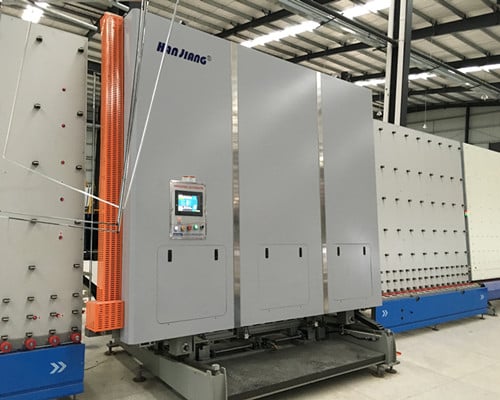
The construction and manufacturing industries are experiencing a significant shift toward automation, with automated insulating glass production leading this transformation in large-scale factories. This evolution represents more than just technological advancement; it reflects a fundamental change in how manufacturers approach efficiency, quality control, and market competitiveness. Large factories worldwide are investing heavily in automated systems to meet growing demand while maintaining consistent product standards that manual processes simply cannot achieve at scale.
Market Drivers Behind Automated Manufacturing Adoption
Growing Demand for Energy-Efficient Building Solutions
The construction industry's increasing focus on energy efficiency has created unprecedented demand for high-performance insulating glass units. Modern buildings require sophisticated glazing systems that provide superior thermal insulation, noise reduction, and structural integrity. Automated insulating glass production systems can manufacture these complex products with precision that manual processes cannot match, ensuring consistent performance across thousands of units.
Large factories recognize that automated systems enable them to meet stringent energy codes and building standards without compromising on production speed. The ability to produce double and triple-glazed units with precise gas fills and sealant applications has become essential for manufacturers serving commercial and residential markets where energy performance directly impacts building certification and market value.
Economic Pressures and Cost Optimization
Manufacturing costs continue to rise across all sectors, with labor expenses representing a significant portion of production budgets. Automated insulating glass production addresses these economic pressures by reducing dependency on skilled labor while simultaneously increasing output capacity. Large factories can operate with smaller crews while producing significantly more units per shift, creating substantial cost advantages over traditional manufacturing methods.
The return on investment for automation equipment has become increasingly attractive as technology costs decrease and efficiency gains compound over time. Factories implementing automated systems report reduced waste rates, lower rework costs, and improved material utilization, all contributing to enhanced profitability in competitive markets where margins are constantly under pressure.
Technological Advantages of Automated Systems
Precision and Quality Consistency
Automated insulating glass production systems deliver unprecedented precision in critical manufacturing processes including glass cutting, spacer placement, sealant application, and gas filling. These systems utilize advanced sensors and control algorithms to ensure each unit meets exact specifications, eliminating the variability inherent in manual production methods. Large factories benefit from this consistency by reducing quality control costs and warranty claims while building reputation for reliable products.
The precision capabilities of modern automation extend beyond basic assembly to include complex operations such as warm-edge spacer installation, dual-seal applications, and inert gas concentration monitoring. These sophisticated processes require exact timing and measurement tolerances that human operators cannot consistently maintain across extended production runs, making automation essential for maintaining quality standards.
Advanced Process Control and Monitoring
Contemporary automated systems incorporate comprehensive process monitoring and data collection capabilities that provide real-time insights into production performance. Large factories utilize these systems to track key performance indicators including cycle times, defect rates, material consumption, and equipment efficiency. This data-driven approach enables continuous improvement initiatives and predictive maintenance strategies that minimize downtime and optimize overall equipment effectiveness.
Integration with manufacturing execution systems allows automated insulating glass production lines to communicate with enterprise resource planning platforms, creating seamless information flow from raw material procurement through finished product delivery. This connectivity enables better demand forecasting, inventory management, and production scheduling that directly supports business objectives and customer satisfaction.
Operational Efficiency and Productivity Gains
Increased Production Throughput
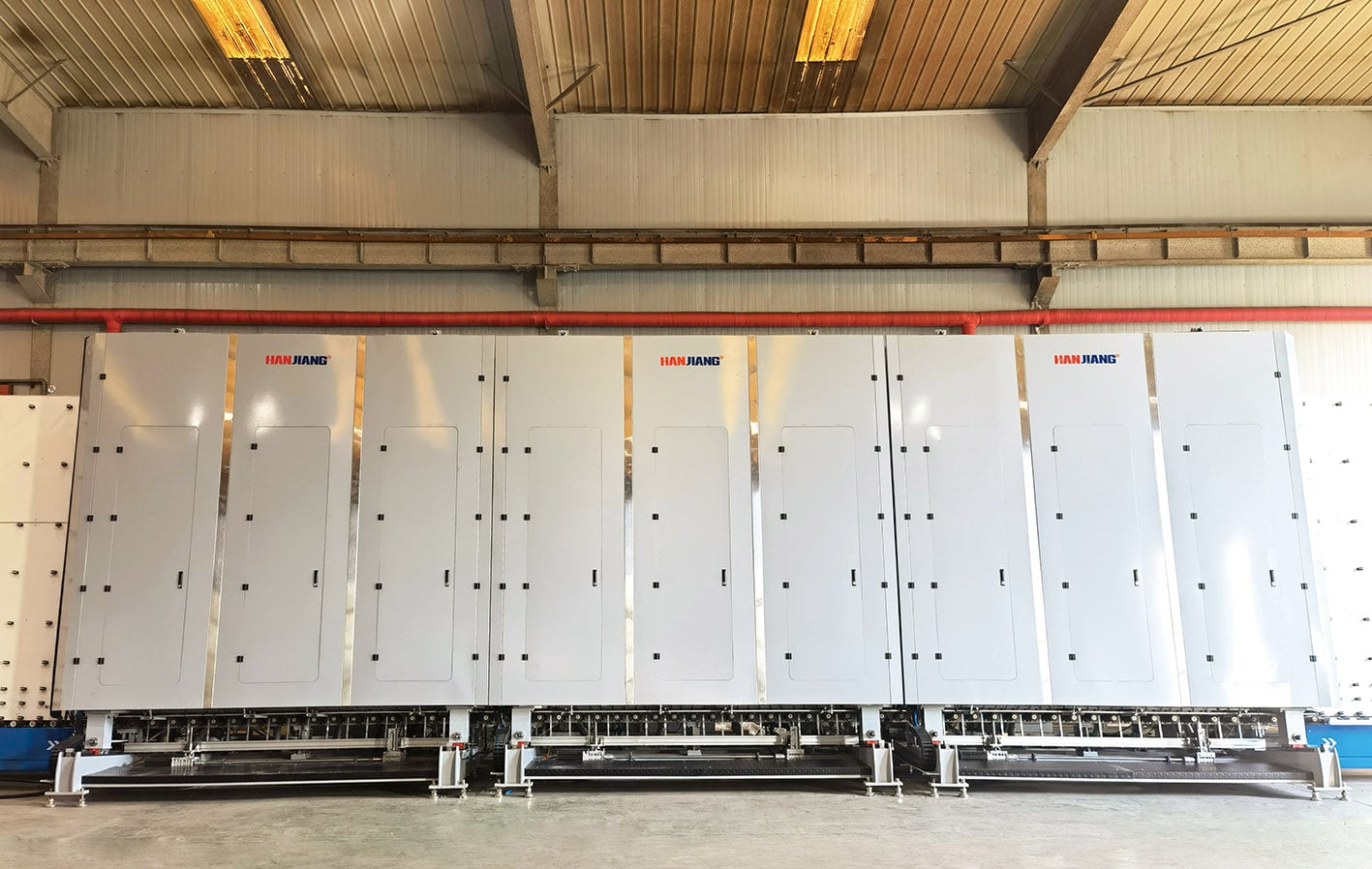
Large factories implementing automated insulating glass production systems typically experience substantial increases in production throughput compared to manual operations. These systems can operate continuously with minimal intervention, processing multiple units simultaneously through parallel production lines. The speed advantages become particularly pronounced in high-volume production scenarios where consistency and repeatability are paramount to meeting delivery commitments.
Modern automation enables factories to respond quickly to changing production requirements without extensive retooling or retraining procedures. Quick changeover capabilities allow the same equipment to produce different glass sizes, thicknesses, and configurations with minimal setup time, maximizing equipment utilization and production flexibility while maintaining quality standards across product variations.
Reduced Labor Dependencies and Safety Improvements
The transition to automated insulating glass production significantly reduces dependency on skilled labor while simultaneously improving workplace safety conditions. Automated systems handle heavy glass sheets, hazardous sealant materials, and repetitive assembly tasks that previously exposed workers to injury risks. Large factories benefit from reduced insurance costs, workers' compensation claims, and safety compliance expenses while creating safer work environments.
Workforce optimization through automation allows factories to redeploy human resources to higher-value activities including quality assurance, maintenance, process improvement, and customer service functions. This strategic reallocation of human capital creates opportunities for employee development and career advancement while reducing the operational risks associated with high employee turnover in manufacturing environments.
Quality Control and Performance Standards
Consistent Product Quality and Specifications
Automated systems deliver consistent product quality that manual processes cannot achieve at industrial scale. Each insulating glass unit produced through automated processes meets identical specifications for dimensions, sealant application, gas concentration, and structural integrity. Large factories leverage this consistency to build strong relationships with customers who depend on reliable product performance for their own construction projects and commitments.
The ability to maintain consistent quality standards across large production volumes enables factories to secure long-term contracts with major construction companies, window manufacturers, and architectural firms. These relationships provide stable revenue streams and predictable demand patterns that support business growth and expansion planning while reducing market uncertainty.
Advanced Testing and Quality Assurance
Modern automated insulating glass production incorporates sophisticated testing and quality assurance protocols that continuously monitor product performance throughout the manufacturing process. Inline testing systems verify seal integrity, gas concentration levels, and structural specifications before units leave the production line, eliminating defective products and reducing downstream quality issues.
Integration of quality control data with production management systems enables factories to implement statistical process control methodologies that identify trends and variations before they impact product quality. This proactive approach to quality management reduces waste, improves customer satisfaction, and supports continuous improvement initiatives that enhance overall manufacturing performance.
Environmental Benefits and Sustainability
Energy Efficiency and Resource Conservation
Automated insulating glass production systems typically consume less energy per unit produced compared to manual manufacturing processes. Optimized heating, cooling, and processing cycles reduce overall energy consumption while maintaining quality standards. Large factories benefit from lower utility costs and reduced environmental impact while meeting corporate sustainability goals and regulatory requirements.
Material waste reduction represents another significant environmental benefit of automation. Precise cutting, handling, and assembly processes minimize glass breakage, sealant waste, and spacer material consumption. These efficiency gains translate directly to cost savings while reducing the environmental footprint of manufacturing operations and supporting circular economy principles.
Supporting Green Building Initiatives
The high-performance insulating glass units produced through automated systems directly support green building initiatives and energy efficiency programs. These products enable construction projects to achieve LEED certification, Energy Star ratings, and other sustainability credentials that are increasingly important in commercial and residential markets. Large factories positioning themselves as suppliers of sustainable building materials gain competitive advantages in growing market segments.
Automated production capabilities enable factories to manufacture specialized glass products including low-emissivity coatings, solar control glazing, and smart glass technologies that contribute to building energy efficiency. These advanced products command premium pricing while supporting environmental objectives and regulatory compliance requirements across diverse market applications.
Future Trends and Industry Evolution
Integration with Industry 4.0 Technologies
The evolution of automated insulating glass production continues with integration of Industry 4.0 technologies including artificial intelligence, machine learning, and Internet of Things connectivity. These advanced capabilities enable predictive maintenance, adaptive process control, and autonomous optimization that further enhance manufacturing efficiency and product quality. Large factories investing in these technologies position themselves for long-term competitive advantages.
Smart manufacturing platforms enable real-time communication between production equipment, quality control systems, and business management applications. This connectivity supports advanced analytics, demand forecasting, and supply chain optimization that improve overall business performance while reducing operational complexity and decision-making uncertainty.
Customization and Market Responsiveness
Future automated systems will provide enhanced customization capabilities that enable factories to produce specialized insulating glass products for niche market segments without sacrificing efficiency or quality. Mass customization approaches will allow manufacturers to serve diverse customer requirements while maintaining the cost advantages of automated production systems.
Advanced automation will enable rapid response to changing market demands, regulatory requirements, and customer specifications. Factories equipped with flexible automated systems will capture market opportunities more effectively while reducing inventory costs and obsolescence risks associated with changing product requirements and market conditions.
FAQ
What are the main cost benefits of implementing automated insulating glass production systems?
The primary cost benefits include reduced labor costs, increased production throughput, lower waste rates, improved quality consistency, and reduced warranty claims. Large factories typically see return on investment within 2-3 years through these combined savings, while also gaining capacity to serve larger markets without proportional increases in operational expenses.
How do automated systems ensure consistent quality in insulating glass manufacturing?
Automated systems use precise sensors, controlled environments, and standardized processes to eliminate human variability in critical manufacturing steps. Real-time monitoring of parameters such as sealant application thickness, gas concentration, and spacer placement ensures each unit meets exact specifications, while integrated quality control systems identify and reject any products that fall outside acceptable tolerances.
What types of insulating glass products can be manufactured using automated systems?
Modern automated systems can produce a wide range of products including standard double-glazed units, triple-glazed assemblies, warm-edge spacer systems, gas-filled units with argon or krypton, low-emissivity coated glass, and specialized products for commercial and residential applications. The flexibility of these systems allows rapid changeover between different product specifications without significant downtime.
How does automation impact the skilled labor requirements in glass manufacturing?
While automation reduces the need for manual assembly workers, it creates demand for technicians skilled in equipment maintenance, process control, and quality assurance. Factories typically retrain existing employees for these higher-value roles while reducing overall labor costs and improving workplace safety. The transition supports career development opportunities while addressing labor shortage challenges in manufacturing industries.
Table of Contents
- Market Drivers Behind Automated Manufacturing Adoption
- Technological Advantages of Automated Systems
- Operational Efficiency and Productivity Gains
- Quality Control and Performance Standards
- Environmental Benefits and Sustainability
- Future Trends and Industry Evolution
-
FAQ
- What are the main cost benefits of implementing automated insulating glass production systems?
- How do automated systems ensure consistent quality in insulating glass manufacturing?
- What types of insulating glass products can be manufactured using automated systems?
- How does automation impact the skilled labor requirements in glass manufacturing?