Integreeritud kvaliteedikontrollisüsteemid tagavad tootmise ühtlase kvaliteedi
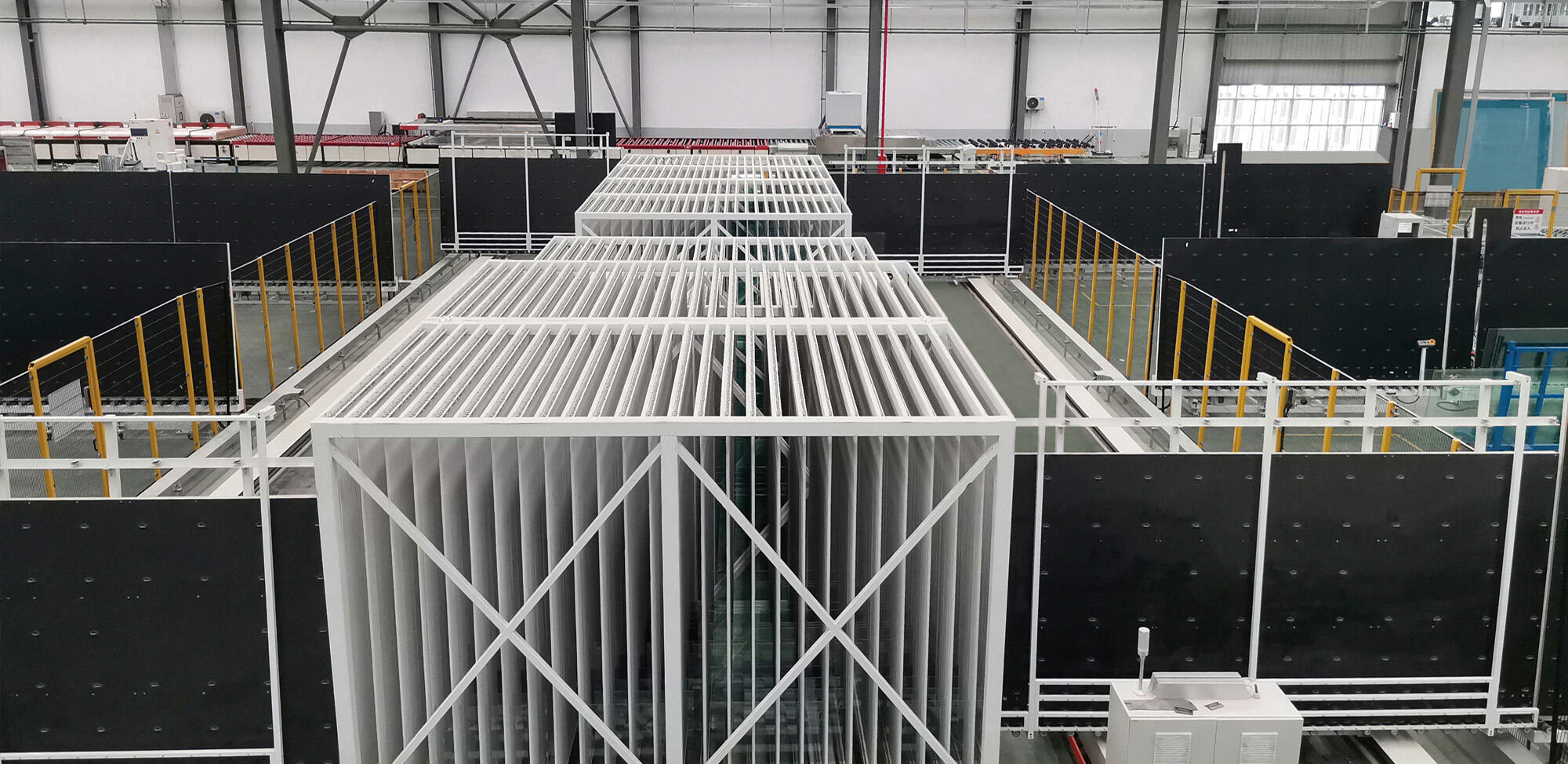
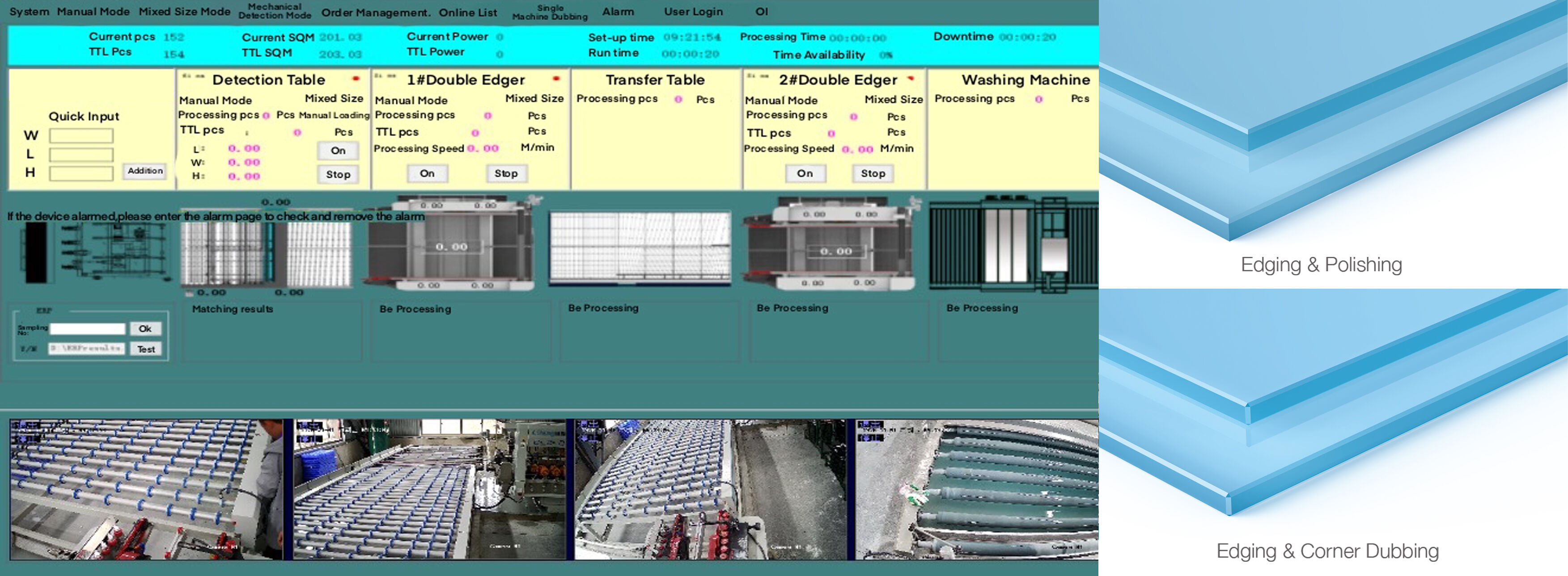
Kaasaegsete klaaspudelite tootmismasinatega kaasnevad kvaliteedikontrolli võimalused pakuvad põhjalikku defektide tuvastamist, mis kaitseb teie brändi mainet ja vähendab jäätmeid. Need automaatse inspektsiooni süsteemid uurivad iga toodetud pudelit, tuvastades puudused, mida inimese inspektorid võivad oma töö käigus vahele jätta, samal ajal kui masinad töötavad tootmispeediga, mis ületab sadu pudleid minutis. Mitmed inspektsioonipunktid, mis on paigutatud tootmisliini erinevatesse kohtadesse, hindavad erinevaid kvaliteedinäitajaid mitmesuguste tuvastustehnoloogiate abil. Mõõtmeline kontrollisüsteem kasutab lasermeetodit või nägemiskamerateid, et kinnitada, et pudeli kõrgus, läbimõõt, kaela lõpetus ja seinapaksus vastavad spetsifikatsioonidele, mille tolerantsid on tavaliselt kümnendmillimeetrites. See täpsus tagab ühilduvuse täitmisseadmete ja kinnitussüsteemidega ning takistab kulukaid tootmisliini seiskumisi klientide tehastes. Klaaspudelite tootmismasin sisaldab optilist inspektsiooni, mis tuvastab pinnakirjeldusi nagu pragud, kriimud, puhkused ja sirged, mis võivad ohustada struktuurilist tugevust või esteetilist muljet. Kõrglahutusega kamerad salvestavad pilti mitmest nurgast, kusjuures pilditöötlusalgoritm analüüsib iga pudelit millisekundites, et tuvastada isegi väikseimad puudused. Külgseina skaneerimistehnoloogia kasutab läbipaistvat valgust või peegelduvat valgustust, et paljastada sisemisi pingetesi, sisaldusi või paksusvariasioone, mida tavapärane visuaalne inspektsioon ei suuda tuvastada. Pudlid, mille pingemustrid ületavad eelnevalt määratud piire, kantakse automaatselt kõrvale enne pakkimistoiminguid. Põhja inspektsioonisüsteemid uurivad põhja pinda, et tuvastada vormimärgid, teravnurgalised servad või mõõtmete ebaregulaarsused, mis võivad mõjutada stabiilsust või põhjustada konveieris käsitsemisega seotud probleeme. Kaela lõpetuse kontroll kinnitab niitide mõõtmeid, tihenduspinnale kvaliteeti ja läbimõõtu, et need vastaksid spetsifikatsioonidele, mis on vajalikud sobiva kaanaga kinnitamiseks ja tihenduse terviklikkuse tagamiseks. Klaaspudelite tootmismasin koordineerib kõrvaldamise mehanisme, mis eemaldavad vigased pudlid tootmisvoolust ilma tootmisliini kiirust häirides, suunates need taaskasutusse kogumispunktidesse. Statistilise protsessikontrolli tarkvara analüüsib inspektsioonandmeid reaalajas, jälgides defektide trende ja hoiatades operaatoreid arenevatest probleemidest enne, kui need mõjutavad olulist tootmismahtu. See proaktiivne lähenemine võimaldab viivitamatut parandusmeetmete rakendamist, vähendades jäätmeid ja säilitades optimaalsed kvaliteedinäitajad. Jälgitavuse funktsioonid seovad iga pudeli konkreetsete tootmisparameetritega, sealhulgas sektsiooninumbri, tootmisaja, klaasipartii ja vormikooka, mis võimaldab juurteanalüüsi kvaliteediprobleemide korral. Inspektsioonandmed annavad väärtuslikku tagasisidet protsessi optimeerimiseks, paljastades seosed tööparameetrite ja defektide musterite vahel. Kohandatavad inspektsioonikriteeriumid võimaldavad teil määrata vastuvõtustandardid, mis sobivad erinevate toote rakenduste jaoks – näiteks rakendades rangemaid nõudeid ravimikonteineritele ja kasutades tavaspetsifikatsioone üldiste joogipudelite puhul. Klaaspudelite tootmismasinaga kaasnevad inspektsioonisüsteemid vähendavad sõltuvust alljärgnevast kvaliteedikontrollist, tuvastades defektid kohe, mitte pärast olulisi lisaväärtusega töötlemistoiminguid. See varajane tuvastamine vähendab oluliselt vigaste toodete tõttu tekkivaid kulusid ja kaitseb klientide suhteid, tagades, et turule jõuavad ainult vastuvõetavad konteinerid.
 EN
EN
 AR
AR
 BG
BG
 HR
HR
 CS
CS
 DA
DA
 NL
NL
 FI
FI
 FR
FR
 DE
DE
 EL
EL
 HI
HI
 IT
IT
 JA
JA
 KO
KO
 PL
PL
 PT
PT
 RO
RO
 RU
RU
 ES
ES
 SV
SV
 TL
TL
 IW
IW
 LV
LV
 LT
LT
 SK
SK
 SL
SL
 UK
UK
 VI
VI
 ET
ET
 HU
HU
 MT
MT
 TH
TH
 TR
TR
 FA
FA
 MS
MS
 SW
SW
 GA
GA
 AZ
AZ