Glass Grinder Machine Price Guide: Features, Benefits and Best Value Options

All Categories

Get a Free Quote

Our representative will contact you soon.
Email
Name
Company Name
Message
0/1000

glass grinder machine price

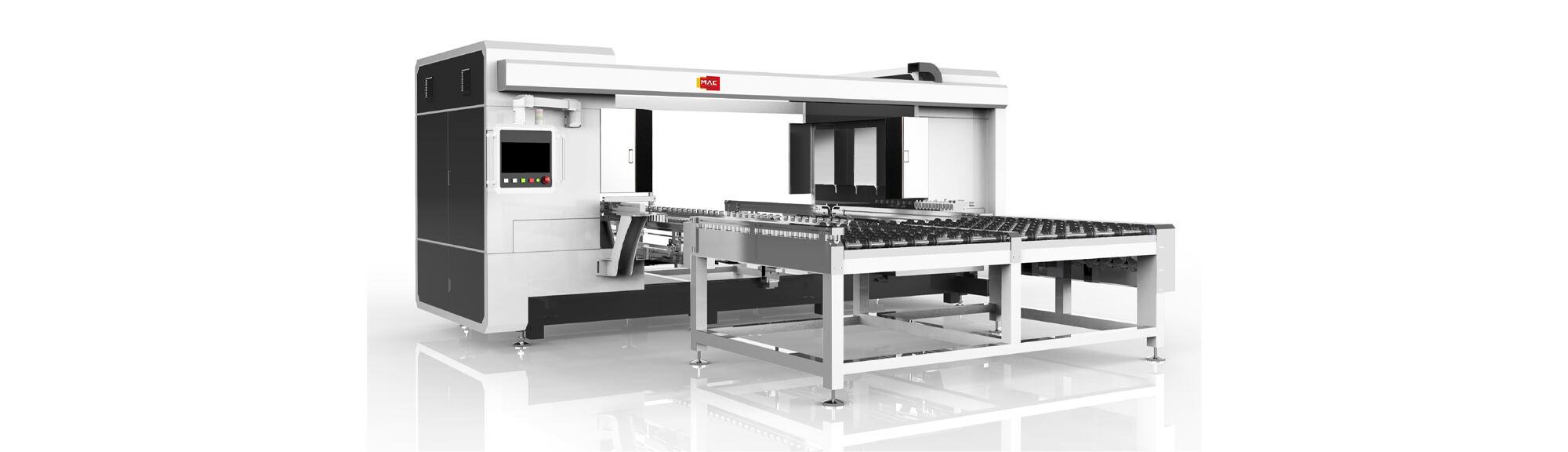
Understanding glass grinder machine price requires a comprehensive look at what these specialized tools offer to various industries and individual craftsmen. A glass grinder machine is an essential piece of equipment designed to shape, smooth, and polish glass edges with precision and efficiency. The glass grinder machine price typically ranges from affordable entry-level models suitable for hobbyists to professional-grade industrial equipment, with costs varying based on specifications, capabilities, and brand reputation. These machines function by utilizing diamond-coated grinding bits that rotate at controlled speeds to remove excess material from glass surfaces, creating smooth, beveled, or decorative edges. The technological features integrated into modern glass grinder machines include variable speed controls, water-cooling systems to prevent thermal stress on glass, adjustable work tables for different glass thicknesses, and powerful motors that ensure consistent performance. When evaluating glass grinder machine price, customers should consider the machine's grinding head configuration, motor wattage, work surface dimensions, and construction quality. Applications for these versatile machines span across stained glass artistry, mirror manufacturing, automotive glass fabrication, architectural glass installation, jewelry making, and general glass workshops. The glass grinder machine price reflects not only the basic functionality but also advanced features such as digital speed displays, multiple grinding head options, splash guards for operator safety, and ergonomic designs that reduce fatigue during extended use. Professional models command higher prices due to their durability, precision engineering, and ability to handle high-volume production requirements. Budget-conscious buyers can find reliable machines at lower price points that still deliver satisfactory results for smaller projects or occasional use. The investment in a quality glass grinder directly impacts productivity, finished product quality, and operational safety, making the glass grinder machine price a crucial consideration for anyone working with glass materials regularly. Understanding the correlation between features and pricing helps buyers make informed decisions that align with their specific needs and budget constraints.

Popular Products

The glass grinder machine price delivers exceptional value when you consider the numerous practical benefits these tools bring to your workspace and projects. First and foremost, investing in a quality glass grinder significantly reduces manual labor time, allowing you to complete edge finishing tasks in minutes rather than hours compared to traditional hand-grinding methods. This time efficiency directly translates to increased productivity and the ability to take on more projects, quickly offsetting the initial glass grinder machine price through enhanced workflow capacity. Safety represents another major advantage, as these machines eliminate the dangerous practice of manually smoothing sharp glass edges with handheld tools, substantially reducing the risk of cuts and injuries in your workshop. The precision achievable with a glass grinder ensures consistent, professional-quality results across all your projects, creating smooth edges that enhance both the aesthetic appeal and structural integrity of finished glass pieces. When evaluating glass grinder machine price, consider how the water-cooling feature prevents glass from cracking due to heat buildup during grinding, saving you money by reducing material waste from damaged pieces. These machines accommodate various glass thicknesses and types, from delicate stained glass to thicker architectural panels, providing versatility that justifies the glass grinder machine price through multi-purpose functionality. The learning curve for operating these machines is remarkably gentle, enabling even beginners to achieve professional results after minimal practice, making the investment accessible to craftspeople at all skill levels. Maintenance requirements are generally minimal, with most machines needing only periodic grinding bit replacement and basic cleaning, ensuring long-term value that extends well beyond the initial glass grinder machine price. The compact footprint of many models means you can integrate this powerful tool into workshops of various sizes without requiring extensive space allocation. Noise levels on modern glass grinders remain relatively low compared to other power tools, creating a more pleasant working environment for extended sessions. The ability to create decorative edges, bevels, and custom shapes expands your creative possibilities, allowing you to differentiate your work in competitive markets and command premium prices for specialized pieces. Energy efficiency in contemporary models keeps operational costs reasonable, with most machines consuming modest electricity even during intensive use. The glass grinder machine price includes features like adjustable speed controls that let you optimize grinding parameters for different glass types and project requirements, preventing damage to delicate materials while maximizing efficiency on tougher jobs. Customer support and warranty coverage typically accompany quality machines, providing peace of mind and protecting your investment against manufacturing defects or operational issues.

Tips And Tricks

What Are the Future Trends in Intelligent Glass Sorting Systems?

24

Sep

What Are the Future Trends in Intelligent Glass Sorting Systems?

The Evolution of Advanced Glass Sorting Technology The landscape of glass recycling and processing is undergoing a remarkable transformation through intelligent glass sorting systems. These sophisticated technologies are revolutionizing how we handle...
View More
How to Optimize Production Settings in a Hub Glass Furnace?

24

Nov

How to Optimize Production Settings in a Hub Glass Furnace?

Glass manufacturing represents one of the most energy-intensive industrial processes, requiring precise control of temperature, atmosphere, and raw material flow to achieve optimal production efficiency. Modern hub glass furnace systems have evolved ...
View More
Why Are CNC Grinding Machines Preferred in Modern Production Lines?

19

Dec

Why Are CNC Grinding Machines Preferred in Modern Production Lines?

Modern manufacturing has undergone a revolutionary transformation with the integration of advanced grinding technologies. Among these innovations, specialized grinding equipment has become indispensable for achieving precision results in various indu...
View More
How Can Grinding Machines Enhance Surface Finish and Dimensional Accuracy?

19

Dec

How Can Grinding Machines Enhance Surface Finish and Dimensional Accuracy?

Manufacturing precision has reached unprecedented levels in modern industrial applications, where surface finish quality and dimensional accuracy determine product performance and market competitiveness. Advanced grinding machines represent the corne...
View More

Get a Free Quote

Our representative will contact you soon.
Email
Name
Company Name
Message
0/1000

glass grinder machine price

Comprehensive Speed Control Technology Maximizes Versatility

Comprehensive Speed Control Technology Maximizes Versatility

The sophisticated speed control technology integrated into modern glass grinders represents a critical factor influencing glass grinder machine price and overall performance capabilities. This advanced feature allows operators to precisely adjust the grinding bit rotation speed across a wide range, typically from 1,500 to 3,500 revolutions per minute, depending on the specific model and manufacturer specifications. The importance of variable speed control cannot be overstated when working with diverse glass types, thicknesses, and project requirements. Delicate stained glass requires slower speeds to prevent chipping and cracking, while thicker architectural glass benefits from higher speeds for efficient material removal. The glass grinder machine price reflects this technological sophistication, as implementing reliable speed control systems requires precision engineering, quality electronic components, and careful calibration during manufacturing. Digital displays on premium models provide real-time speed readouts, enabling operators to maintain consistent parameters across multiple pieces for uniform results in production environments. The value this feature brings extends beyond simple convenience, directly impacting finished product quality, material waste reduction, and operational efficiency. Craftspeople working with antique or particularly fragile glass appreciate the ability to dial down speeds to minimize stress on irreplaceable materials, while production shops maximize throughput by optimizing speeds for their most common glass types. The gradual acceleration and deceleration features found in higher-priced models prevent sudden torque changes that could damage workpieces or cause binding, demonstrating how the glass grinder machine price correlates with operational refinement. Temperature management also benefits from proper speed control, as excessive speeds generate heat that can compromise glass integrity despite water-cooling systems. The electronic speed controllers in quality machines maintain consistent rotation regardless of load variations, ensuring uniform grinding pressure and finish quality throughout each session. This consistency proves essential for commercial operations where product uniformity directly affects customer satisfaction and brand reputation. Training new employees becomes simpler when machines offer intuitive speed controls, reducing the learning curve and minimizing costly mistakes during the skill development phase. The durability of speed control mechanisms varies significantly across price ranges, with premium models featuring sealed electronics protected from moisture and dust ingress, while budget options may require more frequent maintenance or replacement. Understanding how speed control technology influences both capability and longevity helps buyers appreciate why certain models command higher prices and how that investment pays dividends through enhanced versatility, reduced waste, and extended equipment lifespan in demanding workshop environments.
Superior Water-Cooling System Ensures Glass Integrity and Safety

Superior Water-Cooling System Ensures Glass Integrity and Safety

The water-cooling system incorporated into glass grinding machines stands as a fundamental engineering feature that significantly impacts both glass grinder machine price and operational success across diverse applications. This essential system continuously circulates water over the grinding surface during operation, preventing the thermal stress that inevitably occurs when friction generates heat during the material removal process. Without adequate cooling, glass subjected to grinding quickly develops microfractures that compromise structural integrity and often result in catastrophic failure, either immediately or after installation. The glass grinder machine price reflects the sophistication of these cooling systems, which range from basic gravity-fed reservoirs in entry-level models to pressurized circulation systems with filtration capabilities in professional equipment. The value proposition extends well beyond simple temperature management, encompassing several critical operational benefits that directly affect productivity and profitability. Water simultaneously serves as a lubricant, reducing friction between the diamond grinding bit and glass surface, which extends bit life substantially and maintains consistent grinding performance throughout extended sessions. The cooling water also captures glass particles and dust generated during grinding, preventing these materials from becoming airborne and creating respiratory hazards for operators. Higher-quality systems featured in premium-priced machines include larger reservoir capacities that extend operating time between refills, multi-stage filtration that removes glass particles to prevent premature bit wear, and adjustable flow rates that can be optimized for different grinding intensities. The glass grinder machine price differential between models often correlates directly with cooling system capacity and sophistication, making this feature a key consideration during purchase evaluation. Maintenance requirements for water systems vary considerably, with basic models needing frequent cleaning to prevent sediment buildup, while advanced systems incorporate self-cleaning mechanisms and easy-access filter cartridges that simplify upkeep. The prevention of thermal shock represents perhaps the most critical value delivered by effective cooling systems, as temperature-related glass failure not only wastes materials but also consumes valuable labor time invested in prior processing steps. Commercial operations processing high-value architectural glass or custom artistic pieces cannot afford the risk of thermal damage, making robust cooling systems an non-negotiable requirement regardless of glass grinder machine price considerations. The workspace cleanliness benefits provided by water-cooling systems reduce overall facility maintenance requirements, as contained slurry proves far easier to manage than airborne glass dust settling throughout the workshop. Operators also experience improved visibility of the grinding area when water keeps the surface clear of accumulated debris, enabling more precise work and reducing eye strain during detailed operations. Environmental considerations favor water-cooling systems as they eliminate dust emissions, though proper disposal of glass-laden water requires attention to local regulations. The initial glass grinder machine price premium for superior cooling systems generates returns through reduced consumable costs, minimized material waste, enhanced operator safety, and improved finished product quality that justifies higher pricing in competitive markets.
Robust Construction Quality Delivers Long-Term Reliability

Robust Construction Quality Delivers Long-Term Reliability

The construction quality and material selection underlying glass grinder machines represent fundamental factors that profoundly influence both glass grinder machine price and long-term ownership satisfaction across diverse usage scenarios. Premium machines feature cast iron or heavy-gauge steel frames that provide the rigidity necessary for vibration-free operation, maintaining precise grinding tolerances even during intensive use with thick or irregular glass pieces. This structural stability directly impacts edge quality, as any machine flex or vibration translates immediately into inconsistent grinding patterns and compromised finish quality. The glass grinder machine price reflects these material choices, as quality casting and precision machining add substantially to manufacturing costs compared to lightweight plastic or thin metal construction found in budget alternatives. The value delivered through robust construction manifests across multiple dimensions that affect both immediate performance and long-term operational economics. Heavy, stable machines remain firmly positioned during operation without walking or shifting, eliminating the need for complex mounting systems and enabling quick repositioning within workshop layouts as needs evolve. The work surface construction quality varies dramatically across price points, with professional models offering precision-ground cast iron or aluminum tables that remain perfectly flat despite years of use, while economy versions may utilize stamped sheet metal that deflects under load or develops warping over time. Component quality throughout the machine, from motor bearings to shaft assemblies, determines maintenance requirements and operational lifespan, making the glass grinder machine price a reflection of total cost of ownership rather than merely initial acquisition expense. Premium motors feature sealed ball bearings, thermal overload protection, and continuous-duty ratings that enable all-day operation in production environments, whereas budget motors may overheat during extended sessions or require frequent replacement. The grinding head assembly represents another area where construction quality proves critical, as precision-machined components ensure concentric rotation without wobble that would create uneven grinding patterns. Higher-priced machines incorporate corrosion-resistant materials and protective coatings that withstand constant water exposure inherent to grinding operations, preventing rust and deterioration that plague inferior machines operating in wet environments. The electrical components and switch assemblies vary considerably in quality, with professional equipment featuring waterproof controls and heavy-duty wiring versus basic switches prone to moisture-related failure in demanding applications. Ease of maintenance and repair access reflects thoughtful engineering found in quality machines, where removable panels and accessible components simplify service procedures compared to sealed units requiring complete disassembly for basic maintenance. The glass grinder machine price premium for superior construction generates returns through reduced downtime, lower repair costs, consistent performance that maintains product quality standards, and extended service life that defers replacement capital expenditures. Resale value retention represents an often-overlooked benefit of quality construction, as well-maintained professional machines command strong secondary market prices, effectively reducing the net ownership cost when eventual replacement occurs. Warranty coverage duration and comprehensiveness typically correlate with construction quality, as manufacturers confident in their engineering offer extended protection periods that provide buyer security and demonstrate commitment to product longevity. Understanding the relationship between construction quality and glass grinder machine price enables informed purchasing decisions that balance immediate budget constraints against long-term operational requirements and total cost considerations.