Glass Making Machine Price Guide: Cost, Features & Benefits 2024

All Categories

Get a Free Quote

Our representative will contact you soon.
Email
Name
Company Name
Message
0/1000

glass making machine price

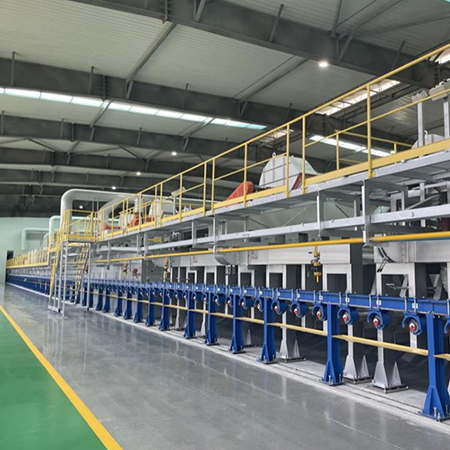
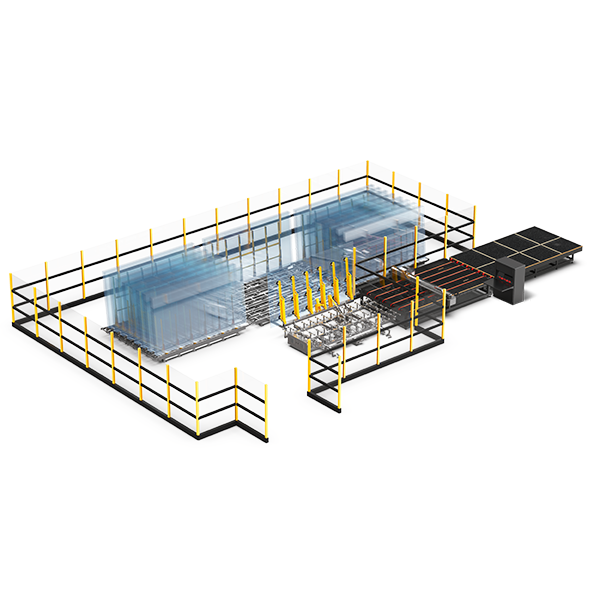
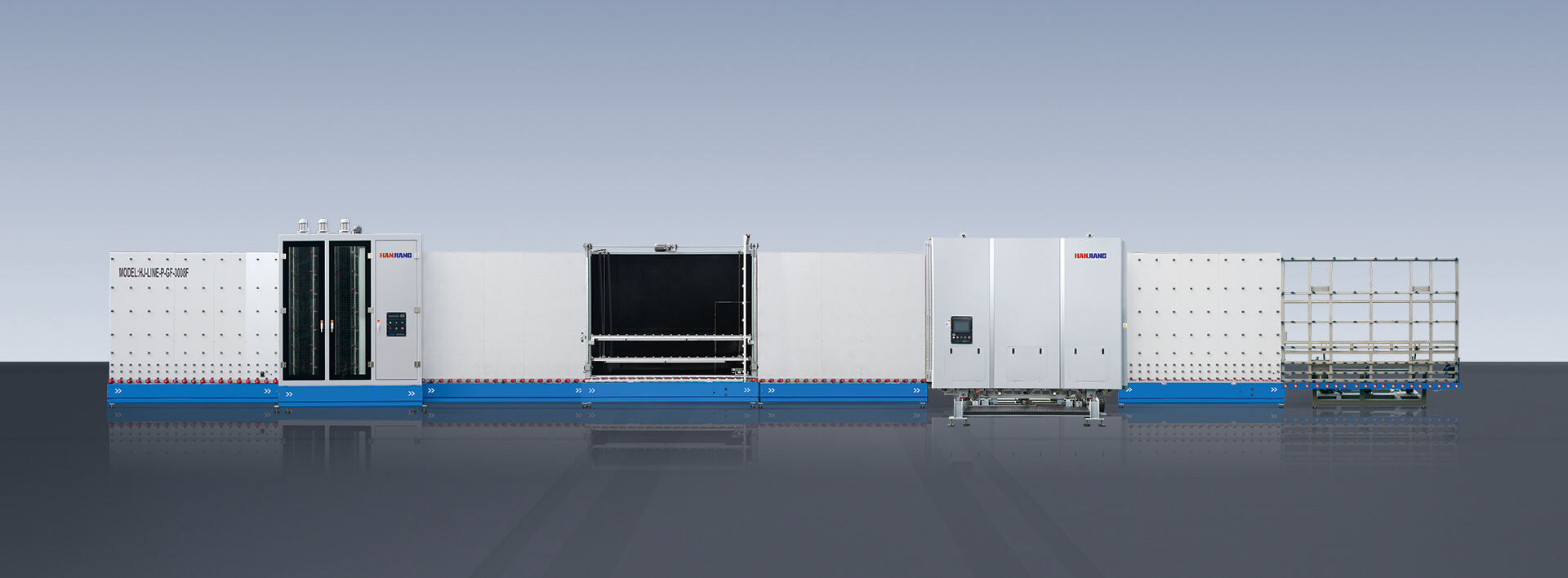
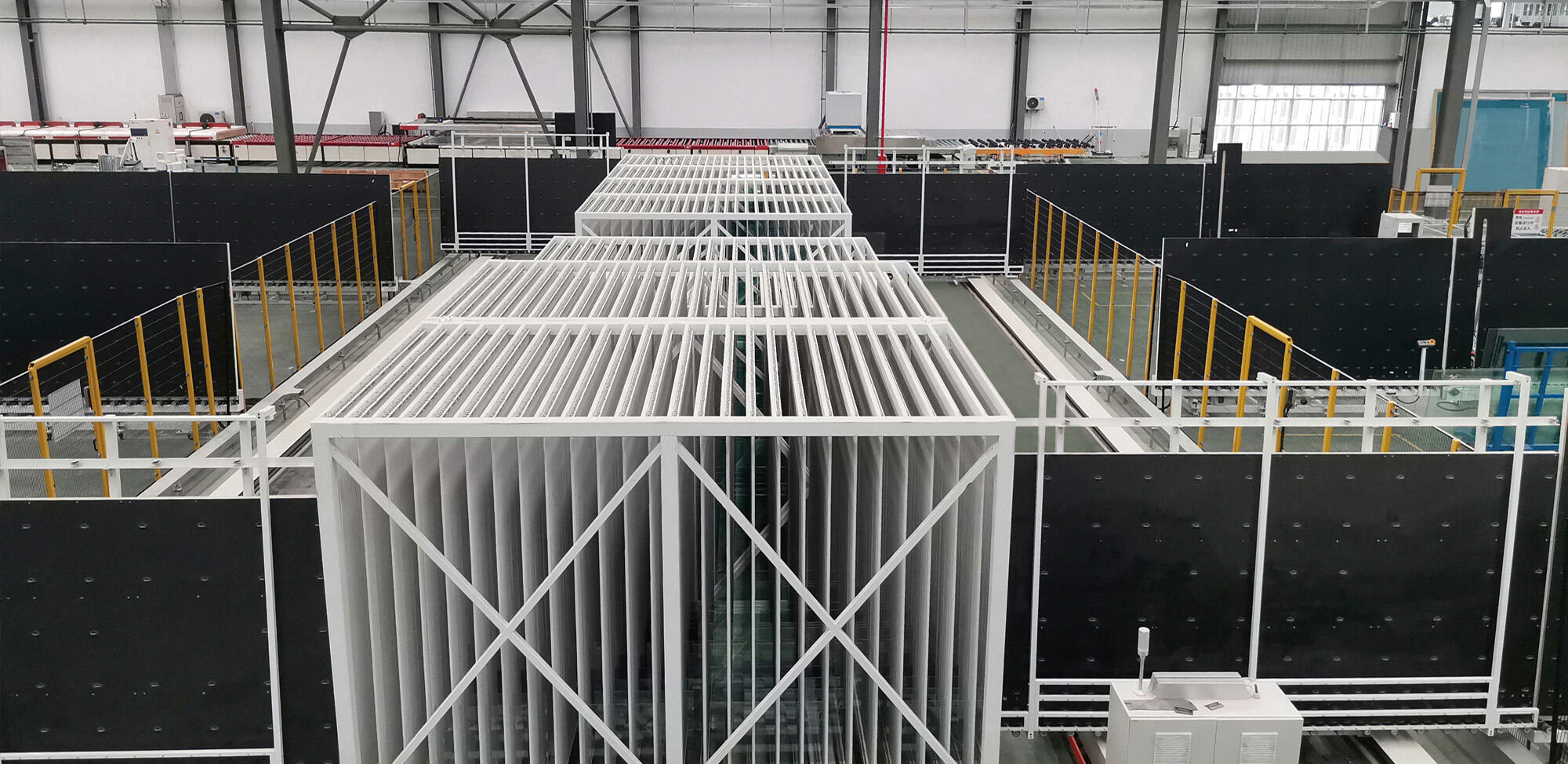
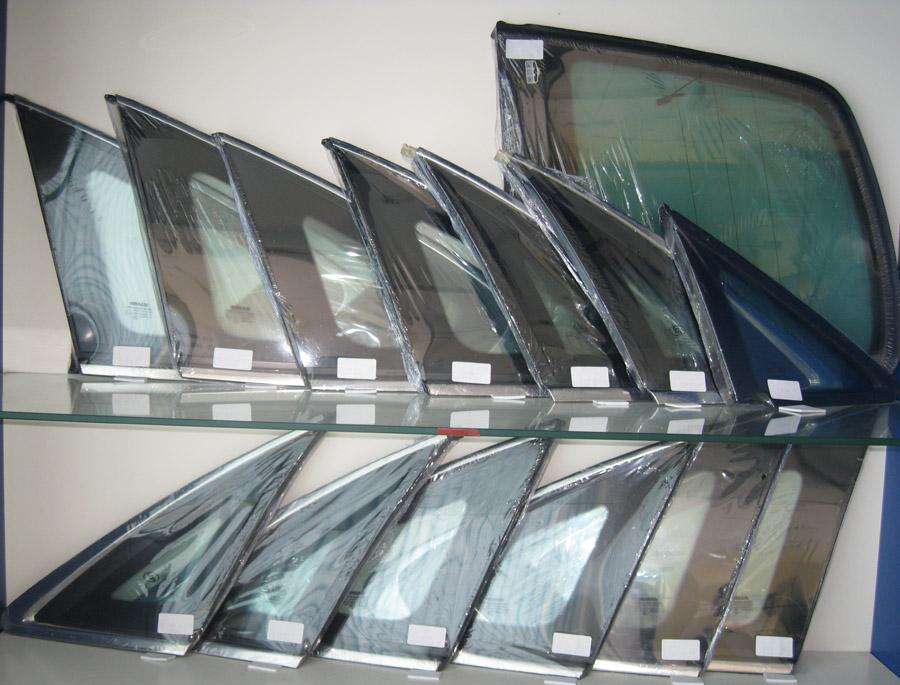
Understanding glass making machine price requires a comprehensive look at what these industrial systems offer and how they serve manufacturing operations. Glass making machines represent sophisticated equipment designed to transform raw materials into finished glass products through automated processes. The glass making machine price typically reflects the complexity of production capabilities, output capacity, and technological sophistication integrated into each system. Modern glass manufacturing equipment encompasses various machine types, including bottle making machines, sheet glass production lines, and specialty glass forming equipment. When evaluating glass making machine price, manufacturers must consider that these machines employ advanced heating systems, precise molding mechanisms, and automated quality control features. The pricing structure accounts for furnace capacity, production speed measured in units per hour, energy efficiency ratings, and the level of automation incorporated. Glass making machine price ranges from compact semi-automated units suitable for small operations to massive fully-integrated production lines for industrial-scale manufacturing. These machines utilize cutting-edge temperature control systems that maintain optimal melting points for different glass compositions, ensuring consistent product quality. The investment in glass making equipment directly impacts production efficiency, product quality standards, and long-term operational costs. Manufacturers should recognize that glass making machine price encompasses not just the initial equipment cost but also factors like installation requirements, operator training, maintenance schedules, and energy consumption patterns. The application scope of these machines extends across packaging industries, construction materials production, automotive glass manufacturing, and specialty glass products for electronics and scientific instruments. Contemporary glass making machines feature programmable logic controllers, touchscreen interfaces, and diagnostic systems that simplify operation and maintenance. When comparing glass making machine price options, buyers should assess production volume requirements, product specifications, available floor space, and projected return on investment timelines to make informed purchasing decisions that align with their business objectives and growth strategies.

New Product Releases

The advantages of investing in quality glass making equipment become evident when examining practical benefits that directly impact manufacturing operations and profitability. First and foremost, modern glass making machines dramatically increase production efficiency compared to traditional manual methods, allowing manufacturers to produce hundreds or thousands of units per hour depending on the machine specifications. This efficiency translates directly into reduced labor costs per unit and faster order fulfillment capabilities. When evaluating glass making machine price against production output, the return on investment often materializes within months for high-volume operations. These automated systems maintain exceptional consistency in product dimensions, wall thickness, and overall quality standards, virtually eliminating the variations common in manual production processes. This consistency reduces waste rates significantly, as fewer defective products mean lower material costs and less environmental impact from discarded items. Energy efficiency represents another substantial advantage, as contemporary glass making machines incorporate advanced insulation materials, heat recovery systems, and optimized fuel consumption patterns that reduce operational expenses compared to older equipment designs. The glass making machine price includes sophisticated temperature monitoring and control systems that prevent energy waste while maintaining ideal processing conditions. Safety improvements constitute a critical benefit, as automated glass production minimizes worker exposure to extreme temperatures, molten materials, and repetitive strain injuries associated with manual glass forming. The enclosed systems and automated handling mechanisms create safer work environments while maintaining higher productivity levels. Flexibility in production capabilities allows manufacturers to adjust settings for different product specifications without extensive retooling, enabling quick changeovers between production runs. This adaptability helps businesses respond to market demands and customer orders efficiently. Maintenance requirements have improved substantially in modern equipment, with predictive maintenance features, easily replaceable components, and diagnostic systems that identify potential issues before they cause production interruptions. The glass making machine price reflects these advanced features that minimize downtime and extend equipment lifespan. Quality control integration represents another advantage, as built-in inspection systems automatically identify defects during production, removing substandard products before they enter packaging processes. This automated quality assurance reduces inspection labor while improving overall product reliability. Space optimization in facility layouts becomes possible with compact machine designs that maximize production capacity within limited floor areas. The scalability of modern glass making systems allows businesses to start with appropriately sized equipment and expand capacity as demand grows, making the glass making machine price an investment that grows with the business rather than becoming obsolete as production needs increase.

Practical Tips

What Factors Should You Consider When Choosing Automotive Glass Processing Methods?

28

Oct

What Factors Should You Consider When Choosing Automotive Glass Processing Methods?

The Complete Guide to Modern Automotive Glass Manufacturing The automotive glass processing industry has undergone significant transformation in recent years, driven by technological advancements and evolving vehicle design requirements. As manufactu...
View More
How Can Double Edgers Improve Efficiency and Reduce Waste?

24

Nov

How Can Double Edgers Improve Efficiency and Reduce Waste?

In today's competitive manufacturing landscape, companies are constantly seeking ways to enhance operational efficiency while minimizing material waste. Double edgers have emerged as a pivotal solution for businesses processing sheet materials, offer...
View More
What Factors Influence Compatibility With Different Glass Sheet Sizes?

19

Dec

What Factors Influence Compatibility With Different Glass Sheet Sizes?

Glass manufacturing and processing industries face critical decisions when selecting equipment that can accommodate varying sheet dimensions. Modern fabrication facilities require versatile solutions that maintain precision across different material ...
View More
What Should Manufacturers Consider When Selecting Equipment for Insulating Glass Production?

19

Dec

What Should Manufacturers Consider When Selecting Equipment for Insulating Glass Production?

Modern insulating glass manufacturing demands precision, efficiency, and cutting-edge technology to meet the growing requirements of energy-efficient building construction. Selecting the right equipment for insulating glass production involves carefu...
View More

Get a Free Quote

Our representative will contact you soon.
Email
Name
Company Name
Message
0/1000

glass making machine price

Advanced Automation Technology Reduces Operational Complexity

Advanced Automation Technology Reduces Operational Complexity

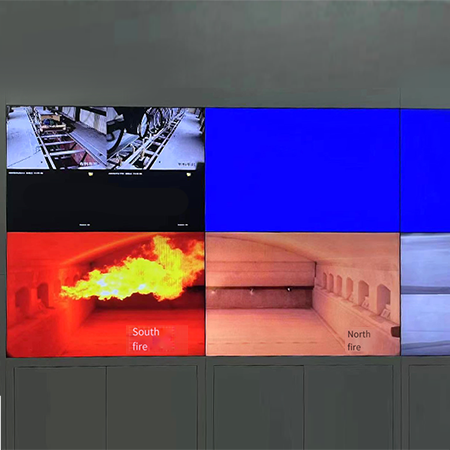
The automation technology integrated into contemporary glass making equipment represents a transformative advantage that fundamentally changes how manufacturers approach production operations. When assessing glass making machine price, the automation features included justify the investment through multiple operational improvements. These machines incorporate sophisticated programmable logic controllers that manage every aspect of the glass forming process, from raw material feeding through final product ejection. Operators interact with intuitive touchscreen interfaces that display real-time production data, temperature readings, and system status information, eliminating the need for specialized technical knowledge to monitor operations effectively. The automation systems execute precise timing sequences that coordinate furnace temperatures, mold movements, cooling cycles, and product handling with microsecond accuracy, ensuring optimal conditions for each production stage. This precision eliminates human error variables that historically caused production inconsistencies and quality issues. The glass making machine price includes servo-driven mechanisms that position molds with exceptional accuracy, creating products that meet tight tolerance specifications consistently. Recipe management systems store production parameters for different product types, allowing operators to switch between production runs simply by selecting the appropriate program, drastically reducing changeover times that previously required manual adjustments and test runs. Remote monitoring capabilities enable production managers to observe operations from office locations or even off-site through secure network connections, facilitating better resource allocation and faster response to production issues. Predictive maintenance algorithms analyze operational data to forecast component wear and schedule maintenance activities during planned downtime rather than experiencing unexpected equipment failures during production shifts. These automation features embedded in the glass making machine price structure reduce the skill level required for routine operations, lowering training costs and expanding the available labor pool. The diagnostic systems provide detailed troubleshooting information when issues occur, guiding maintenance personnel directly to problem areas rather than requiring extensive investigation procedures. Data logging functions create comprehensive production records that support quality certifications, process optimization efforts, and performance analysis over extended periods. The integration capabilities allow glass making machines to communicate with enterprise resource planning systems, automatically updating inventory records, production schedules, and quality databases without manual data entry. This connectivity transforms the glass making machine price from a simple equipment expense into an investment in comprehensive manufacturing intelligence that improves decision-making across the organization.
Energy Efficiency Innovations Deliver Substantial Cost Savings

Energy Efficiency Innovations Deliver Substantial Cost Savings

Energy consumption represents one of the largest ongoing expenses in glass manufacturing operations, making the energy efficiency features incorporated into modern equipment a critical consideration when evaluating glass making machine price. Contemporary glass making machines employ multiple technological innovations that dramatically reduce energy requirements compared to previous generation equipment. Advanced furnace designs utilize ceramic fiber insulation materials that provide superior thermal retention while occupying less space than traditional refractory brick constructions. This improved insulation minimizes heat loss to the surrounding environment, ensuring that more energy contributes directly to melting and forming processes rather than dissipating wastefully. The glass making machine price reflects these premium insulation materials that deliver energy savings throughout the equipment lifespan. Recuperative heat exchange systems capture waste heat from exhaust gases and redirect this thermal energy to preheat combustion air or raw materials, recovering energy that would otherwise escape through exhaust stacks. These heat recovery mechanisms can reduce fuel consumption by twenty to thirty percent depending on production parameters and raw material characteristics. Oxygen-enriched combustion systems increase flame temperatures while reducing the volume of exhaust gases produced, improving thermal efficiency and reducing the energy required to achieve target glass melting temperatures. The precision temperature control systems included in the glass making machine price prevent the temperature overshooting that wastes energy and can damage glass quality. Variable frequency drives on motors and blowers adjust operational speeds to match actual production demands rather than running continuously at maximum capacity, reducing electrical consumption during slower production periods or partial load conditions. The batch preheating capabilities warm raw materials using recovered waste heat before they enter the furnace, reducing the energy required to reach melting temperatures. Electric boosting systems supplement fuel-fired heating in targeted areas where additional heat input improves melting efficiency, providing precise thermal control that optimizes overall energy utilization. When comparing glass making machine price options, the energy efficiency ratings provide critical information for calculating long-term operational costs. Smart power management systems monitor energy consumption patterns and automatically optimize settings to minimize usage while maintaining production targets, continuously improving efficiency without operator intervention. The investment in energy-efficient equipment reflected in the glass making machine price generates substantial returns through reduced utility bills, particularly in regions with high energy costs or during extended production campaigns. Carbon footprint reductions achieved through lower energy consumption help manufacturers meet environmental regulations and corporate sustainability commitments while simultaneously reducing operational expenses, creating both ecological and economic benefits from the same technological improvements.
Versatile Production Capabilities Maximize Manufacturing Flexibility

Versatile Production Capabilities Maximize Manufacturing Flexibility

The production versatility built into modern glass making equipment provides manufacturers with exceptional flexibility to respond to market demands, customer requirements, and business growth opportunities. When analyzing glass making machine price, the range of products achievable on a single machine platform represents significant value that extends beyond basic production capabilities. Contemporary glass making machines accommodate multiple mold sizes and configurations, allowing manufacturers to produce various container capacities, shapes, and designs without purchasing separate dedicated equipment for each product line. Quick-change mold systems enable operators to swap production setups in minutes rather than hours, minimizing the downtime traditionally required for product changeovers. The glass making machine price includes the engineering sophistication that makes this rapid reconfiguration possible through standardized mounting systems and automated adjustment mechanisms. Adjustable forming parameters allow precise control over wall thickness distributions, finish details, and dimensional specifications to meet diverse customer requirements. This flexibility eliminates the need to maintain multiple specialized machines, reducing capital equipment investments, floor space requirements, and maintenance inventory costs. The programmable control systems store unlimited production recipes, making it simple to reproduce specific product specifications consistently whenever orders recur. Glass making machines can process various glass compositions, including standard soda-lime formulations, borosilicate glasses for heat-resistant applications, and colored glasses incorporating different mineral additives. This material versatility enables manufacturers to serve multiple market segments with a single equipment investment. The glass making machine price reflects the robust construction and adaptable mechanisms that accommodate these diverse production requirements. Capacity scalability features allow businesses to increase production volumes by adjusting cycle speeds, extending operating hours, or adding parallel production capabilities as demand grows. The modular design philosophy incorporated into contemporary equipment facilitates future upgrades and expansions without replacing entire systems. Optional accessories and attachments expand functionality for specialized applications such as embossed designs, multiple cavity production, or integrated quality inspection systems. When evaluating glass making machine price, these expansion possibilities provide assurance that initial investments remain relevant as business needs evolve. The flexibility extends to facility integration, as modern machines accommodate various utility specifications, floor layouts, and material handling systems. This adaptability simplifies installation in existing facilities and supports efficient production flow arrangements. Cross-training opportunities for operators become practical when versatile equipment handles multiple product types, improving workforce utilization and reducing dependency on specialized personnel for specific production runs. The business agility created by versatile glass making equipment enables manufacturers to pursue new market opportunities, accept specialized custom orders, and differentiate their offerings from competitors limited to narrow product ranges.