Clean Operation and Environmental Compliance
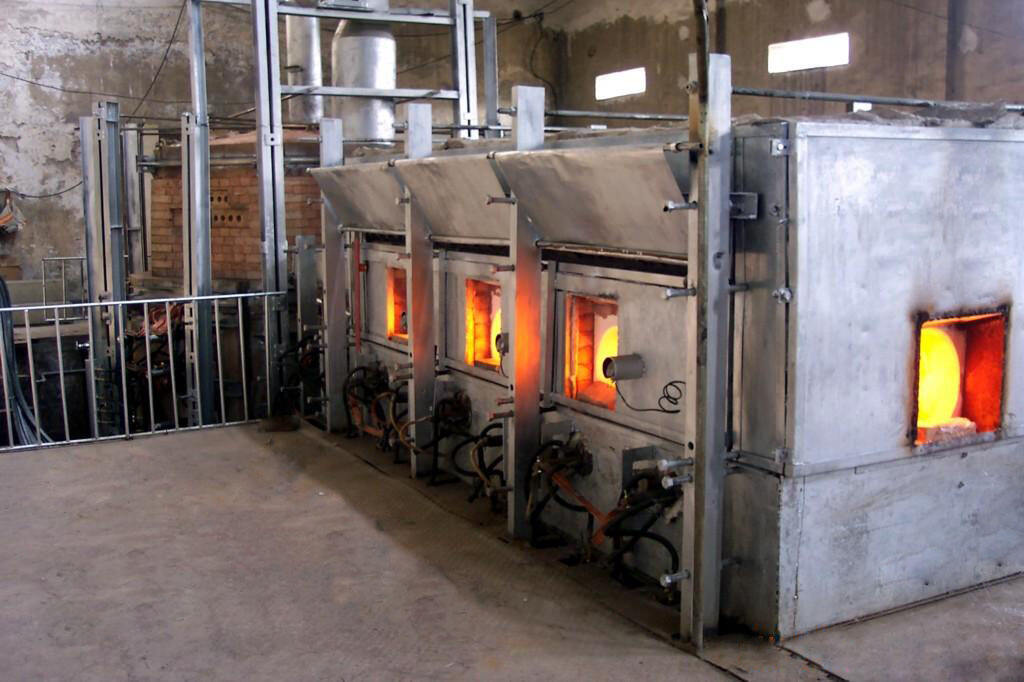
The environmental advantages of an electric glass furnace represent a critical differentiator in today's regulatory landscape where emission standards grow progressively stricter and public awareness of industrial environmental impact continues rising. Unlike combustion-based melting systems that generate significant air pollutants including nitrogen oxides, sulfur compounds, carbon monoxide, and particulate matter, the electric glass furnace produces zero direct emissions during operation, creating a fundamentally cleaner production process that benefits both your business and surrounding communities. This emission-free operation eliminates the need for expensive pollution control equipment such as scrubbers, electrostatic precipitators, and catalytic converters that add substantial capital costs and ongoing maintenance burdens to combustion furnace installations. Regulatory compliance becomes straightforward because you simply avoid the entire complex framework of air quality permits, emission monitoring requirements, and periodic compliance testing that burden facilities using fuel-fired equipment. The administrative time savings alone justify consideration of electric technology, as environmental managers spend countless hours preparing permit applications, conducting stack tests, and responding to regulatory inquiries that electric glass furnace operators never encounter. Forward-thinking manufacturers recognize that environmental regulations will only tighten over coming years, making today's compliant combustion system potentially obsolete tomorrow when new standards take effect, while electric systems remain inherently clean regardless of future regulatory changes. This future-proofing aspect provides investment security and protects against forced upgrades or operational restrictions that could impact business continuity. The absence of combustion byproducts also means no sulfur contamination of glass batches, which can cause quality problems in certain glass formulations, and no oxidation issues from excess oxygen in flame atmospheres that affect color development in artistic and specialty glass applications. Worker health and safety improve dramatically without exposure to combustion gases, fuel handling risks, or flame-related burn hazards, creating a more attractive workplace that helps recruit and retain skilled employees in competitive labor markets. Community relations benefit from operating clean electric technology that generates no visible emissions, odors, or noise pollution that might trigger neighbor complaints or opposition to facility expansion plans. Many customers now prioritize suppliers with strong environmental credentials, making your investment in an electric glass furnace a marketing advantage that differentiates your products in crowded markets. The value extends to potential carbon credit opportunities and green certifications that reward low-emission manufacturing processes, opening doors to environmentally motivated customers willing to pay premium prices for products made using clean technology that aligns with their corporate sustainability commitments and values.