Hub Glass Furnace: Advanced Industrial Glass Melting Solutions for Manufacturing Excellence

All Categories

Get a Free Quote

Our representative will contact you soon.
Email
Name
Company Name
Message
0/1000

hub glass furnace

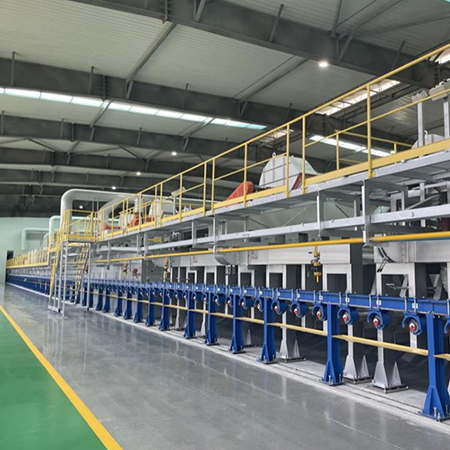
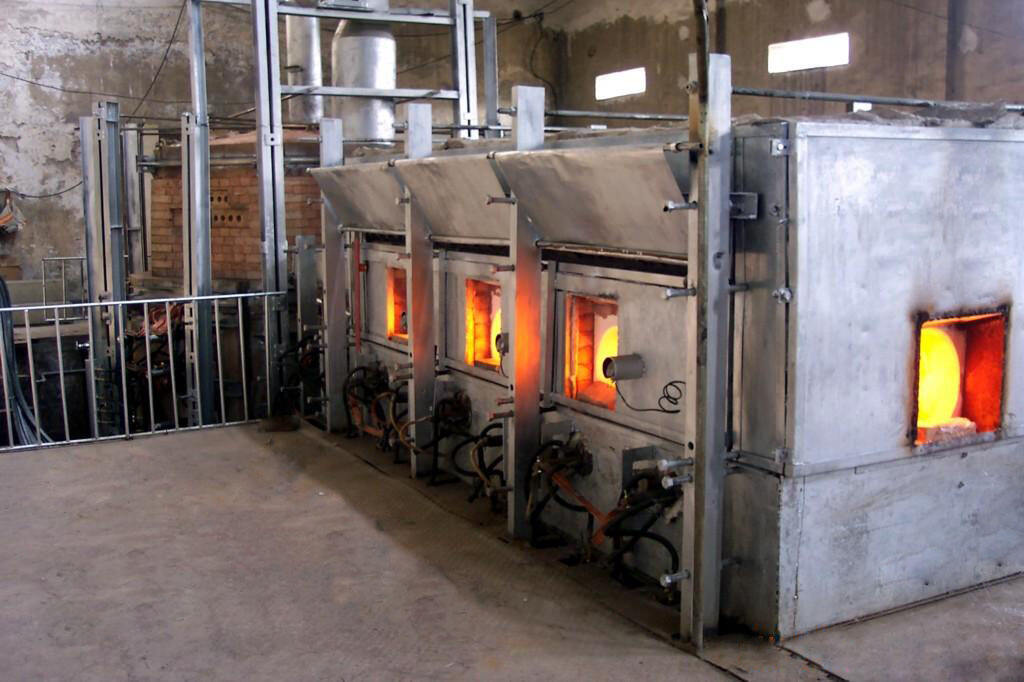
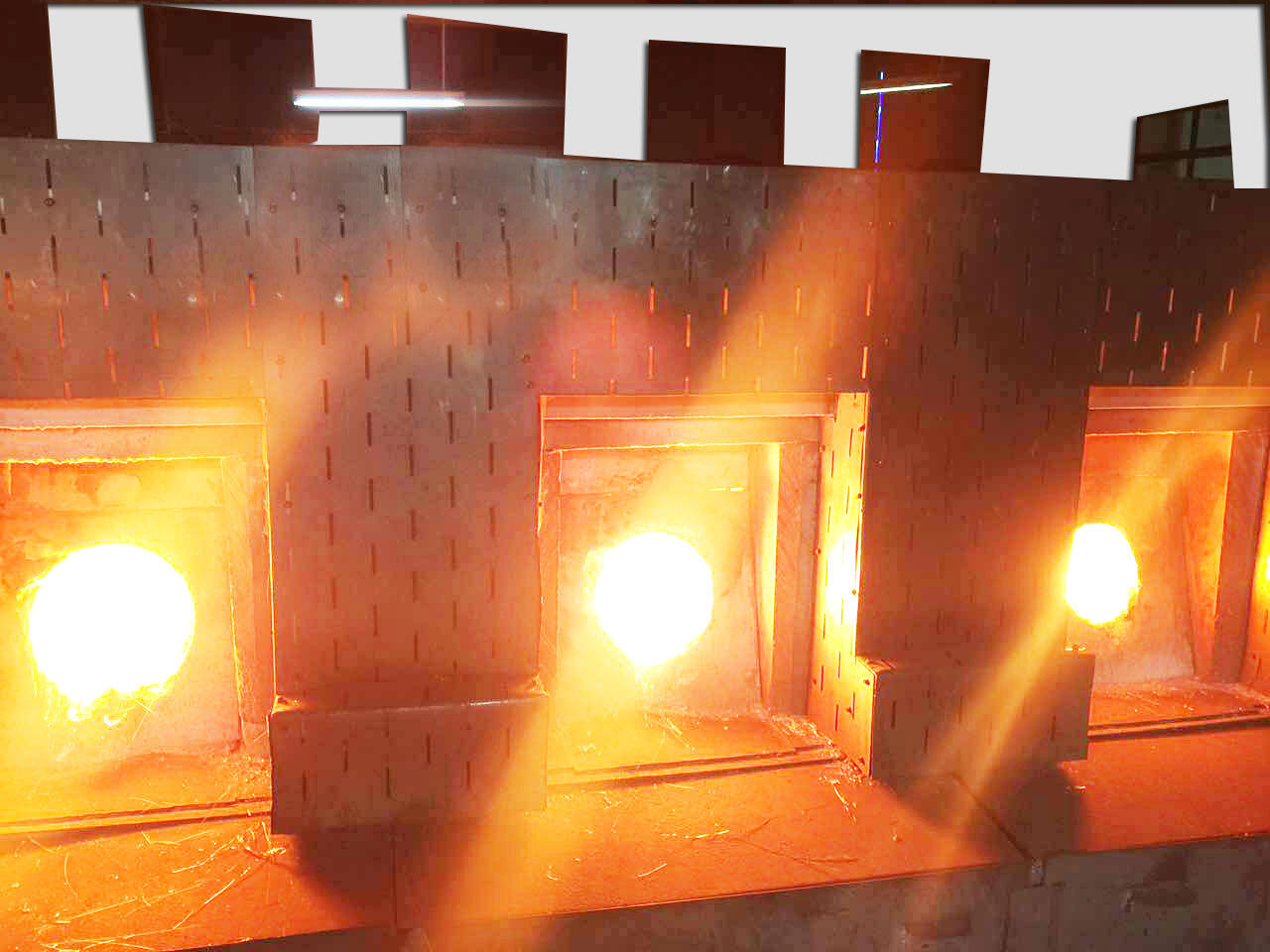
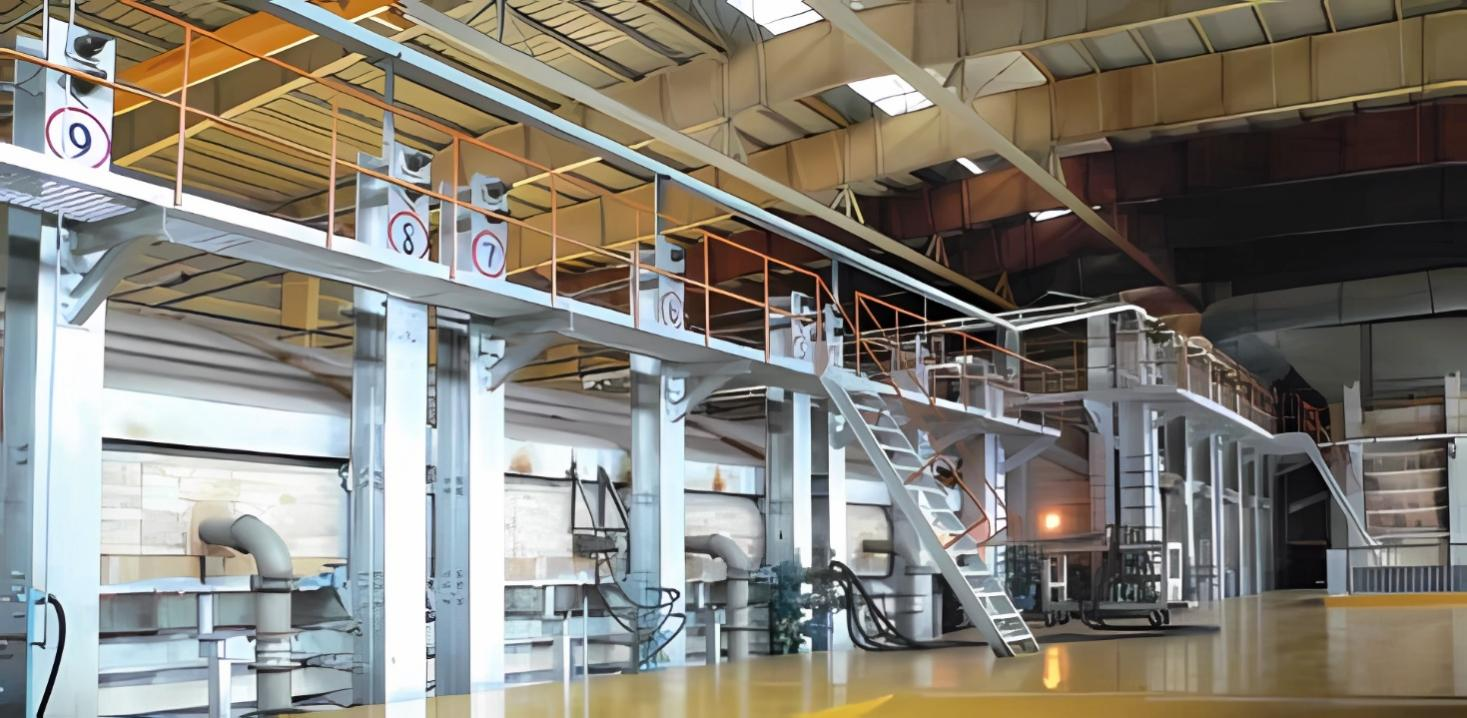
The hub glass furnace represents a specialized industrial heating system designed specifically for manufacturing glass components used in automotive, lighting, and specialty glass industries. This sophisticated equipment serves as the cornerstone of modern glass production facilities, where precision melting and shaping of glass materials occur under controlled conditions. The primary function of a hub glass furnace involves heating raw glass materials to temperatures exceeding 1400 degrees Celsius, transforming solid glass batch into molten glass suitable for forming various hub and bulb components. The technological architecture incorporates advanced heating elements, temperature monitoring systems, and automated controls that ensure consistent product quality throughout production cycles. Hub glass furnace technology utilizes electric resistance heating or gas-fired combustion methods, depending on production requirements and energy availability. The melting chamber features refractory lining materials capable of withstanding extreme temperatures while maintaining structural integrity over extended operational periods. Temperature uniformity across the melting zone remains critical for producing defect-free glass products, making precise thermal management a defining characteristic of these furnaces. Applications span across multiple sectors including automotive headlight manufacturing, where the hub glass furnace melts and shapes reflector components with exact specifications. The lighting industry relies on this equipment to produce lamp bases, envelope components, and specialized lighting glass that requires precise dimensional control. Additionally, manufacturers of scientific glassware and specialty optical components utilize hub glass furnace technology to create custom glass pieces with specific thermal and optical properties. Modern systems integrate computerized process control enabling operators to monitor multiple parameters simultaneously, adjust heating profiles dynamically, and maintain detailed production records for quality assurance purposes. Energy efficiency considerations drive contemporary hub glass furnace designs, with manufacturers implementing heat recovery systems, improved insulation technologies, and optimized combustion control strategies that reduce operational costs while maintaining output quality and consistency across production runs.

New Products

Choosing a hub glass furnace for your manufacturing operations delivers substantial practical benefits that directly impact your bottom line and production capabilities. The first major advantage centers on energy efficiency, where modern furnace designs consume significantly less power compared to traditional melting equipment, translating into reduced monthly utility expenses and improved profit margins. These savings accumulate over time, making the initial investment worthwhile for businesses of all sizes. Temperature precision represents another crucial benefit, as the hub glass furnace maintains exact heat levels throughout the melting process, ensuring every glass piece meets your quality standards without variation. This consistency eliminates waste from rejected products and reduces the need for costly rework, saving both materials and labor hours. The automated control systems built into contemporary models require minimal manual intervention, freeing your staff to focus on other value-adding activities while the furnace operates reliably in the background. Production capacity increases become achievable because the hub glass furnace processes materials faster than older technologies, allowing you to fulfill larger orders and accept more contracts without expanding your physical facility footprint. Maintenance requirements remain manageable due to durable construction and readily available replacement components, minimizing unexpected downtime that disrupts production schedules and disappoints customers. The compact design of many hub glass furnace models fits into existing factory layouts without requiring extensive renovations or building expansions, making upgrades straightforward and cost-effective. Safety features integrated into modern systems protect your workers from burns, heat exposure, and other hazards associated with high-temperature glass processing, reducing workplace accidents and associated insurance costs. Flexibility in processing different glass types and formulations gives your business the ability to diversify product offerings and respond quickly to changing market demands without investing in multiple specialized furnaces. The digital monitoring capabilities provide real-time data about furnace performance, enabling proactive maintenance scheduling that prevents major breakdowns before they occur. Long operational lifespans mean your hub glass furnace investment continues delivering value for many years, with proper maintenance extending equipment longevity beyond initial projections. Environmental benefits emerge from cleaner combustion processes and reduced emissions compared to older furnace technologies, helping your business meet regulatory requirements and appeal to environmentally conscious customers. The learning curve for operating staff remains relatively short due to intuitive interfaces and comprehensive training support from manufacturers, ensuring your team reaches full productivity quickly after installation.

Latest News

What Factors Should You Consider When Choosing Automotive Glass Processing Methods?

28

Oct

What Factors Should You Consider When Choosing Automotive Glass Processing Methods?

The Complete Guide to Modern Automotive Glass Manufacturing The automotive glass processing industry has undergone significant transformation in recent years, driven by technological advancements and evolving vehicle design requirements. As manufactu...
View More
How Do Glass Drilling Machines Achieve Precision and Accuracy?

28

Oct

How Do Glass Drilling Machines Achieve Precision and Accuracy?

The Engineering Marvel Behind Modern Glass Drilling Technology Glass drilling machines represent the pinnacle of precision engineering in today's manufacturing landscape. These sophisticated pieces of equipment combine advanced technology with mechan...
View More
How to Optimize Production Settings in a Hub Glass Furnace?

24

Nov

How to Optimize Production Settings in a Hub Glass Furnace?

Glass manufacturing represents one of the most energy-intensive industrial processes, requiring precise control of temperature, atmosphere, and raw material flow to achieve optimal production efficiency. Modern hub glass furnace systems have evolved ...
View More
What Factors Influence Compatibility With Different Glass Sheet Sizes?

19

Dec

What Factors Influence Compatibility With Different Glass Sheet Sizes?

Glass manufacturing and processing industries face critical decisions when selecting equipment that can accommodate varying sheet dimensions. Modern fabrication facilities require versatile solutions that maintain precision across different material ...
View More

Get a Free Quote

Our representative will contact you soon.
Email
Name
Company Name
Message
0/1000

hub glass furnace

Superior Temperature Control Technology

Superior Temperature Control Technology

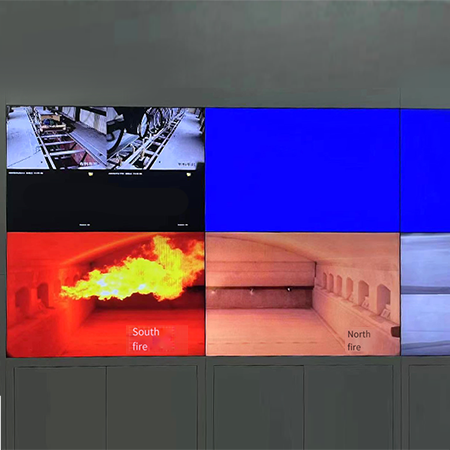
The hub glass furnace incorporates state-of-the-art temperature control technology that sets it apart from conventional glass melting equipment in the marketplace. This advanced thermal management system employs multiple strategically positioned sensors throughout the melting chamber, continuously monitoring temperature variations with precision measured in single-degree increments. The importance of this feature cannot be overstated, as glass quality depends entirely on maintaining exact temperature profiles during the melting and forming stages. When temperatures fluctuate beyond acceptable ranges, glass develops internal stresses, optical distortions, or structural weaknesses that render finished products unusable. The sophisticated control algorithms built into the hub glass furnace automatically adjust heating element output in response to sensor feedback, compensating for external factors like ambient temperature changes or variations in raw material composition. This self-regulating capability ensures consistent results regardless of environmental conditions or batch-to-batch material differences. Manufacturers benefit from dramatically reduced scrap rates because the hub glass furnace eliminates temperature-related defects that plague operations using less sophisticated equipment. The value extends beyond waste reduction, as consistent quality builds customer confidence and strengthens your market reputation. Production planning becomes more predictable when you can rely on uniform output characteristics, allowing accurate delivery commitments and improved customer satisfaction scores. The temperature control system also enables processing of specialty glass formulations that require extremely narrow temperature tolerances, opening opportunities in high-value niche markets where premium pricing offsets lower production volumes. Energy consumption decreases because the hub glass furnace applies heat only where needed and only in amounts required to maintain target temperatures, avoiding the energy waste inherent in systems that overheat to compensate for poor control. The digital interface displays real-time temperature data across multiple zones, giving operators immediate visibility into furnace performance and early warning of potential issues before they escalate into production problems. Historical data logging creates valuable records for quality audits, process optimization studies, and troubleshooting investigations when unexpected results occur. This comprehensive temperature control technology represents a fundamental advantage that justifies the hub glass furnace investment through measurable improvements in product quality, operational efficiency, and business competitiveness.
Enhanced Production Efficiency and Throughput

Enhanced Production Efficiency and Throughput

Production efficiency defines profitability in competitive glass manufacturing markets, and the hub glass furnace delivers exceptional throughput capabilities that maximize your return on investment. The engineering design optimizes heat transfer from heating elements to glass materials, minimizing the time required to reach working temperatures and reducing the overall melting cycle duration. Faster processing means more batches completed per shift, directly increasing your facility's output capacity without adding equipment or expanding workforce numbers. The continuous operation capability of the hub glass furnace allows uninterrupted production runs lasting days or weeks, eliminating the productivity losses associated with frequent startup and shutdown cycles common in batch-type systems. This operational continuity proves especially valuable for businesses serving markets with steady demand where maintaining inventory levels requires reliable daily output. The furnace chamber design accommodates larger batch sizes compared to similarly sized traditional equipment, further amplifying productivity gains by reducing the frequency of material loading operations. Automated material feeding systems available for hub glass furnace installations eliminate manual handling steps that consume time and introduce opportunities for errors or accidents, streamlining workflows and improving overall efficiency metrics. The rapid temperature recovery characteristic of these furnaces means production resumes quickly after temporary interruptions, minimizing the impact of unexpected events on daily output totals. Energy-efficient operation keeps production costs competitive even during extended high-volume manufacturing campaigns, protecting profit margins when fulfilling large contracts. The modular design philosophy adopted by leading hub glass furnace manufacturers enables capacity expansion through parallel installation of additional units rather than replacing existing equipment, providing a cost-effective growth path as your business scales. Quick changeover capabilities allow efficient switching between different glass types or product specifications, supporting diverse product portfolios without sacrificing productivity during transitions. The reliability engineered into hub glass furnace systems translates into predictable uptime percentages that production planners can depend on when creating schedules and making customer commitments. Maintenance procedures are designed for minimal disruption, with many service tasks completable during brief scheduled pauses rather than requiring extended shutdowns. The productivity advantages combine to create compelling economic benefits measured in shorter payback periods, higher equipment utilization rates, and improved competitiveness in bidding situations where delivery speed influences customer decisions.
Robust Construction and Long-Term Durability

Robust Construction and Long-Term Durability

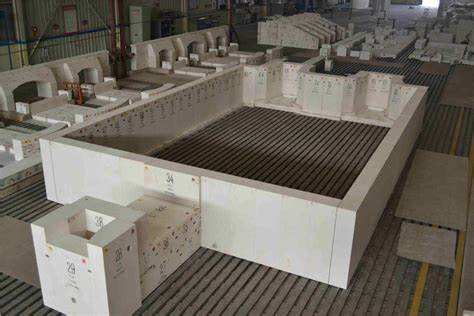
Investment protection remains paramount when acquiring capital equipment, and the hub glass furnace delivers exceptional durability that preserves asset value throughout extended service lives. The construction methodology emphasizes premium materials selected specifically for their ability to withstand the extreme thermal cycling and corrosive environments inherent in glass melting operations. High-grade refractory materials line the melting chamber, providing thermal insulation that protects the structural framework while maintaining surface integrity despite continuous exposure to molten glass at extreme temperatures. These refractory systems resist chemical attack from glass constituents and fluxing agents, preventing degradation that shortens furnace lifespan in lesser equipment. The structural support framework utilizes heavy-duty steel components engineered with generous safety factors, ensuring mechanical stability under full operational loads and thermal expansion stresses. This robust foundation prevents warping, misalignment, and structural failures that plague lighter-built alternatives, maintaining precise dimensional tolerances critical for consistent product quality. Heating elements installed in the hub glass furnace feature advanced metallurgy and protective coatings that extend replacement intervals far beyond industry averages, reducing maintenance costs and eliminating frequent service interruptions. The electrical and control system components meet industrial-grade specifications for harsh environments, with protective enclosures shielding sensitive electronics from heat, dust, and moisture that cause premature failures in standard equipment. Manufacturers design hub glass furnace systems with serviceability in mind, providing accessible maintenance points and modular component arrangements that simplify routine inspections and repairs. This thoughtful engineering reduces the specialized labor required for upkeep, allowing in-house maintenance teams to handle most service tasks without expensive external contractors. The long operational lifespan typical of properly maintained hub glass furnace installations delivers superior total cost of ownership compared to cheaper alternatives that require earlier replacement or more frequent major overhauls. Durability translates into production reliability, as robust equipment experiences fewer unexpected breakdowns that disrupt schedules and disappoint customers waiting for deliveries. The resale value of well-maintained hub glass furnace equipment remains strong due to the reputation for longevity, providing exit strategy options for businesses that eventually upgrade or change focus. Warranty coverage offered by reputable manufacturers reflects confidence in construction quality, giving buyers additional financial protection during the critical early operational period. Environmental resistance built into the hub glass furnace design allows installation in various facility conditions without special climate control requirements, reducing infrastructure costs and installation complexity.