Premium Toughened and Laminated Glass Solutions - Superior Safety, Security & Energy Efficiency

All Categories

Get a Free Quote

Our representative will contact you soon.
Email
Name
Company Name
Message
0/1000

toughened and laminated glass

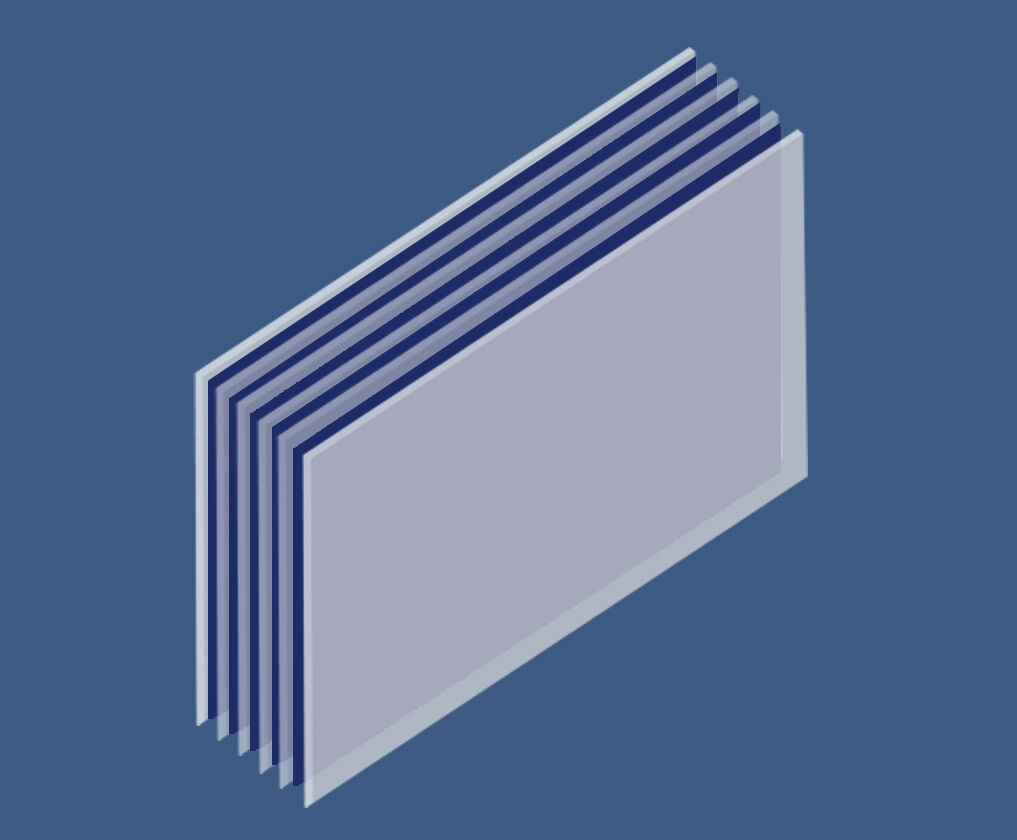
Toughened and laminated glass represents a sophisticated fusion of two powerful glazing technologies, creating a premium safety glass solution that delivers exceptional performance across residential, commercial, and industrial applications. This innovative material combines the strength characteristics of tempered glass with the security features of laminated construction, resulting in a product that offers unparalleled protection and reliability. The manufacturing process involves subjecting glass to controlled thermal treatment, heating it to approximately 620 degrees Celsius before rapidly cooling it through specialized air jets. This tempering process creates balanced internal stresses that make the glass up to five times stronger than standard annealed glass. Subsequently, multiple glass layers are bonded together using polyvinyl butyral interlayers or other advanced polymeric materials under heat and pressure, creating a unified composite structure. The technological innovation behind toughened and laminated glass addresses critical safety concerns in modern architecture and design. When subjected to impact, the toughened component provides initial resistance, while the laminated structure ensures that even if breakage occurs, glass fragments remain adhered to the interlayer rather than scattering dangerously. This dual-action safety mechanism makes toughened and laminated glass ideal for overhead glazing, balustrades, floor panels, storefronts, and security-sensitive installations. The material excels in sound insulation properties, reducing noise transmission by up to 35 decibels depending on thickness and configuration. Additionally, toughened and laminated glass offers excellent ultraviolet radiation filtering, blocking up to 99 percent of harmful UV rays while maintaining optimal visible light transmission. The versatility of this glazing solution extends to various aesthetic applications, as manufacturers can incorporate colored interlayers, decorative patterns, or smart glass technologies within the laminated structure. Environmental considerations further enhance its appeal, as the material contributes to energy efficiency through thermal insulation properties, helping reduce heating and cooling costs in buildings while maintaining structural integrity across diverse climate conditions.

New Product Releases

Choosing toughened and laminated glass brings numerous practical benefits that directly impact your safety, comfort, and long-term investment value. The foremost advantage lies in superior safety performance that protects building occupants from injury. Unlike ordinary glass that shatters into dangerous shards, this specialized material either resists breaking entirely or contains fragments within its laminated layers, dramatically reducing laceration risks during accidents or severe weather events. This protective quality proves invaluable for families with children, commercial spaces with high foot traffic, and any environment where human safety remains paramount. Beyond immediate safety, toughened and laminated glass delivers outstanding security against forced entry and vandalism. The multi-layered construction withstands repeated impacts from blunt objects, hammers, or even projectiles, creating a formidable barrier that delays unauthorized access. Security-conscious businesses, jewelry stores, banks, and residential properties in urban areas benefit tremendously from this deterrent effect, as potential intruders typically abandon attempts when confronted with glass that refuses to yield quickly. The acoustic insulation capabilities provide another tangible benefit, creating peaceful indoor environments even in noisy urban settings or near busy transportation corridors. Residents enjoy restful sleep, office workers maintain concentration without distraction, and retail spaces offer pleasant shopping experiences free from external noise pollution. Energy efficiency represents a financial advantage that accumulates over time. The insulating properties of toughened and laminated glass reduce thermal transfer, keeping interiors cooler during summer and warmer during winter. This temperature regulation translates directly into lower utility bills, with many property owners reporting energy savings of 20 to 30 percent compared to standard glazing solutions. The ultraviolet blocking feature preserves interior furnishings, carpets, artwork, and merchandise from sun damage and fading, protecting valuable assets and reducing replacement costs. Maintenance requirements remain minimal, as the smooth, non-porous surface resists staining and cleans easily with standard glass cleaners. Durability extends the functional lifespan considerably beyond conventional glass, withstanding environmental stresses, temperature fluctuations, and normal wear without degradation. Weather resistance ensures reliable performance through storms, hail, high winds, and extreme temperature variations, making toughened and laminated glass suitable for challenging climates. The aesthetic flexibility allows designers and architects to achieve their creative visions without compromising safety, incorporating this material into elegant facades, dramatic atriums, sleek partitions, and striking architectural features that enhance property appeal and market value.

Latest News

What Types of Coatings Are Applied in a Glass Coating Line?

24

Sep

What Types of Coatings Are Applied in a Glass Coating Line?

Understanding Modern Glass Coating Technologies Glass coating technology has revolutionized the way we enhance and protect glass surfaces across various industries. From architectural applications to automotive windshields, the glass coating line pro...
View More
How Do Glass Drilling Machines Achieve Precision and Accuracy?

28

Oct

How Do Glass Drilling Machines Achieve Precision and Accuracy?

The Engineering Marvel Behind Modern Glass Drilling Technology Glass drilling machines represent the pinnacle of precision engineering in today's manufacturing landscape. These sophisticated pieces of equipment combine advanced technology with mechan...
View More
How Do Glass Drilling Machines Handle Different Glass Thicknesses Safely?

28

Oct

How Do Glass Drilling Machines Handle Different Glass Thicknesses Safely?

Understanding Modern Glass Drilling Technology and Safety Mechanisms The world of glass fabrication has evolved significantly with the introduction of advanced glass drilling machines that can handle various glass thicknesses with remarkable precisio...
View More
What Should Manufacturers Consider When Selecting Equipment for Insulating Glass Production?

19

Dec

What Should Manufacturers Consider When Selecting Equipment for Insulating Glass Production?

Modern insulating glass manufacturing demands precision, efficiency, and cutting-edge technology to meet the growing requirements of energy-efficient building construction. Selecting the right equipment for insulating glass production involves carefu...
View More

Get a Free Quote

Our representative will contact you soon.
Email
Name
Company Name
Message
0/1000

toughened and laminated glass

Uncompromising Safety Through Advanced Engineering

Uncompromising Safety Through Advanced Engineering

The paramount feature of toughened and laminated glass centers on its revolutionary safety characteristics that fundamentally transform how glazing protects people and property. This engineering marvel combines two distinct protective mechanisms working in concert to create a safety system far exceeding conventional glass capabilities. The toughening process modifies the physical structure at a molecular level, introducing compression forces on the surface layers while maintaining tension in the core. This balanced stress distribution means the glass can absorb tremendous impact energy without failure, making it approximately five times stronger than untreated glass of equivalent thickness. When extreme forces do exceed its resistance threshold, the tempered nature causes the glass to fracture into thousands of small, relatively harmless granular pieces rather than large, jagged shards that cause severe lacerations. Simultaneously, the laminated construction provides a critical secondary safety layer that contains these fragments within the polyvinyl butyral interlayer, preventing them from falling or projecting toward people below or nearby. This containment feature proves especially crucial for overhead installations such as skylights, canopies, and glass roofs where falling debris poses significant danger. The interlayer maintains its adhesive properties across wide temperature ranges and remains effective for decades without degradation, ensuring long-term safety performance. Beyond accidental impacts, this glass configuration provides life-saving protection during natural disasters, withstanding flying debris during hurricanes, resisting earthquake tremors, and maintaining barrier integrity when other building elements fail. The security applications extend to blast resistance, with specially configured toughened and laminated glass systems capable of mitigating bomb blast effects and protecting occupants from terrorist attacks in high-risk facilities. Parents installing this glass in homes gain peace of mind knowing their children can play near windows without serious injury risk if accidents occur. Commercial property managers reduce liability exposure significantly, as the enhanced safety features minimize workplace accidents and customer injuries. Healthcare facilities, schools, sports complexes, and public buildings particularly benefit from these protective qualities, creating environments where safety requirements meet aesthetic expectations without compromise.
Exceptional Acoustic Performance for Superior Comfort

Exceptional Acoustic Performance for Superior Comfort

The acoustic insulation properties of toughened and laminated glass deliver transformative improvements in environmental comfort that directly enhance quality of life and productivity across diverse settings. Modern urban living presents constant noise challenges from traffic, construction, aircraft, railways, and neighboring activities that penetrate conventional windows and disrupt daily life. Toughened and laminated glass addresses these disturbances through its sophisticated multi-layer construction that disrupts sound wave transmission through multiple mechanisms. The laminated structure creates acoustic dampening as sound energy encounters density variations between the glass layers and the viscoelastic interlayer material. This interlayer absorbs vibrational energy, converting sound waves into minimal heat dissipation rather than allowing them to pass through unimpeded. The mass of multiple glass layers further attenuates sound transmission, with thicker configurations achieving progressively better noise reduction ratings. Specialized acoustic interlayers available for toughened and laminated glass can achieve sound transmission class ratings exceeding 40, reducing noise levels by 35 to 45 decibels depending on the specific composition and installation method. These performance levels transform noisy street-facing apartments into peaceful retreats where residents sleep soundly despite external commotion. Office environments benefit substantially from reduced ambient noise, as employees maintain focus during complex tasks, conduct confidential conversations without sound leakage, and experience lower stress levels associated with chronic noise exposure. Studies consistently demonstrate that improved acoustic environments increase worker productivity by 10 to 15 percent while reducing error rates and employee turnover. Educational institutions installing toughened and laminated glass in classrooms create optimal learning environments where students hear instructors clearly without distraction from outdoor activities, improving comprehension and academic performance. Healthcare facilities require quiet healing environments, and this glazing solution helps maintain the peaceful atmosphere essential for patient recovery while allowing natural daylight to support circadian rhythms and emotional well-being. Recording studios, concert halls, and broadcasting facilities utilize toughened and laminated glass to achieve the stringent acoustic separation their operations demand without sacrificing visual connectivity between spaces. Residential applications near airports, highways, or entertainment districts become viable and desirable when this superior acoustic glazing eliminates noise pollution that would otherwise render properties uncomfortable and diminish their market value substantially.
Outstanding Energy Efficiency and Environmental Protection

Outstanding Energy Efficiency and Environmental Protection

The energy performance characteristics of toughened and laminated glass represent critical advantages in an era of rising utility costs and increasing environmental consciousness among property owners and building managers. This glazing technology functions as a sophisticated thermal barrier that regulates heat transfer between interior and exterior environments, maintaining comfortable indoor temperatures while reducing mechanical heating and cooling demands. The laminated construction creates an effective insulating layer, as the polyvinyl butyral interlayer possesses lower thermal conductivity than solid glass, disrupting heat flow pathways. When combined with low-emissivity coatings or integrated into insulated glazing units with additional air or gas-filled cavities, toughened and laminated glass achieves thermal performance rivaling opaque wall assemblies while preserving transparency and natural daylight access. This thermal regulation delivers immediate financial benefits through reduced energy consumption, with comprehensive studies documenting heating and cooling cost reductions ranging from 25 to 40 percent compared to standard single-pane glazing installations. The cumulative savings over a building's operational lifespan amount to substantial sums that far exceed the initial investment premium for high-performance glazing. Environmental benefits extend beyond energy savings to encompass solar control and ultraviolet protection that preserve interior environments and reduce material waste. The glazing blocks up to 99 percent of ultraviolet radiation while allowing visible light transmission, protecting furnishings, flooring, artwork, and merchandise from photodegradation that causes fading, discoloration, and material breakdown. Retailers avoid premature inventory replacement, homeowners preserve valuable possessions, and museum collections remain protected while maintaining display visibility. The solar heat gain coefficient can be optimized through interlayer selection and coating application, allowing architects to balance daylight harvesting with cooling load management appropriate to specific climate zones and building orientations. Passive solar design strategies become feasible with toughened and laminated glass that admits winter sunlight for natural heating while reflecting summer solar radiation to minimize air conditioning requirements. Sustainability considerations increasingly influence building design decisions, and this glazing material supports green building certifications through its energy performance, durability, and contribution to occupant health and comfort. The extended service life reduces replacement frequency, minimizing manufacturing energy consumption and landfill waste associated with building material turnover, aligning with circular economy principles and responsible resource stewardship.