 EN
EN
 AR
AR
 BG
BG
 HR
HR
 CS
CS
 DA
DA
 NL
NL
 FI
FI
 FR
FR
 DE
DE
 EL
EL
 HI
HI
 IT
IT
 JA
JA
 KO
KO
 PL
PL
 PT
PT
 RO
RO
 RU
RU
 ES
ES
 SV
SV
 TL
TL
 IW
IW
 LV
LV
 LT
LT
 SK
SK
 SL
SL
 UK
UK
 VI
VI
 ET
ET
 HU
HU
 MT
MT
 TH
TH
 TR
TR
 FA
FA
 MS
MS
 SW
SW
 GA
GA
 AZ
AZ

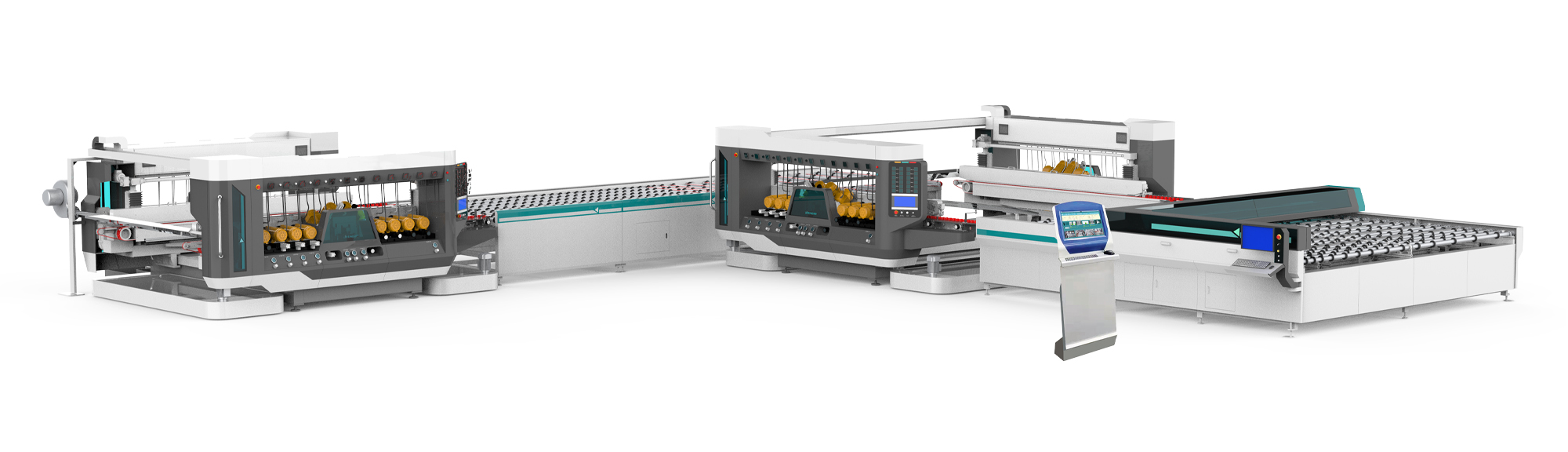
Modern industrial glass fabrication demands precision, speed, and consistency that manual methods simply cannot deliver. The integration of automated machinery has transformed how manufacturers produce finished glass products, and double edgers stand at the center of this revolution. These specialized machines perform critical finishing operations that prepare raw glass sheets for final assembly, installation, and quality inspection.
In automated factories, a glass double edger functions as both a precision tool and a production bottleneck resolver. By simultaneously processing both edges of glass sheets, these machines reduce cycle time, minimize material waste, and ensure uniform edge profiles across thousands of units. Understanding how double edging machines operate within factory workflows reveals why they are indispensable for competitive modern glass manufacturing.
Core Functions of Glass Double Edgers in Factory Automation
Simultaneous Dual-Edge Processing
The fundamental advantage of an automatic double edger lies in its ability to finish both edges of a glass sheet in a single pass. Traditional single-edging approaches require two separate machine cycles, doubling labor time and production floor space. A glass edging machine equipped with dual grinding and polishing heads eliminates this inefficiency. The operator loads a sheet once, and the system automatically positions, grinds, and polishes both edges to identical specifications. This simultaneous processing directly cuts production time by roughly fifty percent compared to sequential single-edge operations.
Integration with Conveyor Systems
Modern double edging machines connect seamlessly to automated conveyor lines, creating continuous production flows without manual material handling. Glass sheets move through the grinding and polishing stages without stopping, and sensors verify edge quality in real time. This integration enables factories to process hundreds of sheets per day with minimal operator intervention. The automatic double edger becomes a critical node in the larger production network, receiving pre-cut glass and delivering precision-finished edges ready for tempering, lamination, or direct installation.
Quality and Consistency Benefits in Automated Settings
Uniform Edge Profiles Across Production Runs
Consistency is non-negotiable in industrial glass fabrication. A glass edging machine maintains identical edge geometry, surface finish, and chamfer dimensions across thousands of units without fatigue or manual adjustment error. Automated systems use programmable parameters to replicate exact edge specifications for each product type. When an order requires a specific edge profile—whether a polished beveled edge, a standard straight edge, or a specialty finish—the double edging machine executes that specification repeatedly without variation. This reliability supports quality certifications and reduces rejection rates at downstream assembly or installation stages.
Reduced Surface Defects and Chipping
Manual edge finishing introduces risk of micro-fractures, chipping, and surface damage that compromises safety and aesthetics. A glass double edger uses precision grinding wheels and controlled polishing techniques to produce smooth, chip-free edges that meet safety standards for architectural and automotive glass. The machine applies consistent pressure and speed, eliminating the operator variability that causes defects. Automated edge finishing also reduces the need for secondary quality correction work, lowering scrap rates and improving overall throughput efficiency.
Production Efficiency and Cost Impact
Labor Reduction and Operator Productivity
Deploying an automatic double edger frees skilled operators from repetitive grinding and polishing tasks, allowing them to focus on setup, quality inspection, and machine maintenance. One operator can oversee multiple double edging machines operating simultaneously, dramatically increasing output per labor hour. Factory automation powered by double edging machines reduces direct manufacturing labor costs while improving worker safety by eliminating exposure to high-speed grinding dust and repetitive strain injuries. This labor efficiency particularly benefits factories facing tight labor markets or rising wage pressures.
Material Waste Minimization
Glass waste during edge finishing represents a direct cost to manufacturers. A glass edging machine optimizes grinding depth and wheel contact to remove only necessary material, preserving glass volume while achieving required edge quality. Automated processing also reduces operator errors that result in glass rejection or rework. Over a production run of thousands of sheets, the cumulative waste reduction and elimination of scrap directly improves factory profitability. This efficiency gain makes double edging machines valuable investments even in moderate-volume production environments.
Technology Integration in Modern Factories
Digital Control and Programmability
Contemporary double edging machines feature programmable logic controllers and touchscreen interfaces that allow operators to store and recall edge specifications for different product types. Factories can quickly switch between orders without extensive manual recalibration. Data logging capabilities track production metrics, downtime events, and maintenance schedules, supporting predictive maintenance planning. This digital integration enables factories to optimize throughput, identify bottlenecks, and demonstrate compliance with quality standards to customers.
Compatibility with Industry 4.0 Workflows
Modern double edging machines integrate with broader factory automation ecosystems through industrial IoT connectivity. These systems communicate production status, receive remote diagnostics, and participate in real-time production scheduling. A glass double edger can be monitored from control centers, adjusted remotely, and coordinated with upstream cutting and downstream processing equipment. This interconnectedness supports smart factory initiatives where machines collaborate to optimize overall plant efficiency without siloed operations.
Practical Considerations for Factory Implementation
Machine Selection and Sizing
Choosing the right glass edging machine requires matching throughput capacity to factory demand. A double edging machine must handle the typical glass dimensions, thickness ranges, and edge specifications that the factory produces. Undersized equipment becomes a production constraint, while oversized machines waste capital investment. Factory managers should evaluate current and projected demand, available floor space, and existing conveyor infrastructure before committing to a specific automatic double edger model.
Maintenance and Operator Training
Maximizing uptime requires regular maintenance schedules and staff training. Grinding wheels wear over time and require periodic replacement or dressing. Factory technicians must understand machine adjustment procedures, troubleshooting sequences, and emergency protocols. Well-trained operators and maintenance teams prevent extended downtime, reduce repair costs, and extend the useful life of double edging machines. Many equipment suppliers provide comprehensive training programs and ongoing technical support to ensure customer success.
FAQ
How does a glass double edger differ from a standard glass edging machine?
A glass double edger processes both edges simultaneously in a single machine cycle, while standard glass edging machines finish one edge at a time. The double edger reduces production time by approximately fifty percent, improves edge consistency by eliminating repositioning between cycles, and increases throughput efficiency. For factories running high volumes, an automatic double edger delivers significant labor and time savings compared to sequential single-edge processing.
Can a glass double edger handle different glass thicknesses and edge types?
Most modern glass edging machines offer adjustable processing parameters to handle a range of glass thicknesses and edge profiles. Operators can program specifications for standard edges, bevels, polished finishes, and specialty profiles without replacing the machine. However, each double edging machine has maximum and minimum thickness limits and geometric constraints. Factories should verify that equipment specifications match their product portfolio before purchasing.
What maintenance does an automatic double edger require?
Regular maintenance includes grinding wheel inspection and replacement, alignment checks, fluid level monitoring, and bearing lubrication according to manufacturer schedules. Most double edging machines require preventive maintenance every 200–500 operating hours to ensure consistent performance. Worn wheels and misalignment cause edge defects and may damage the machine, so timely maintenance prevents costly repairs and production delays. Technicians trained on specific equipment models can perform most routine tasks efficiently.