יישומים רב-תכליתייםAcross תעשיות עם תצורות ניתנות להתאמה
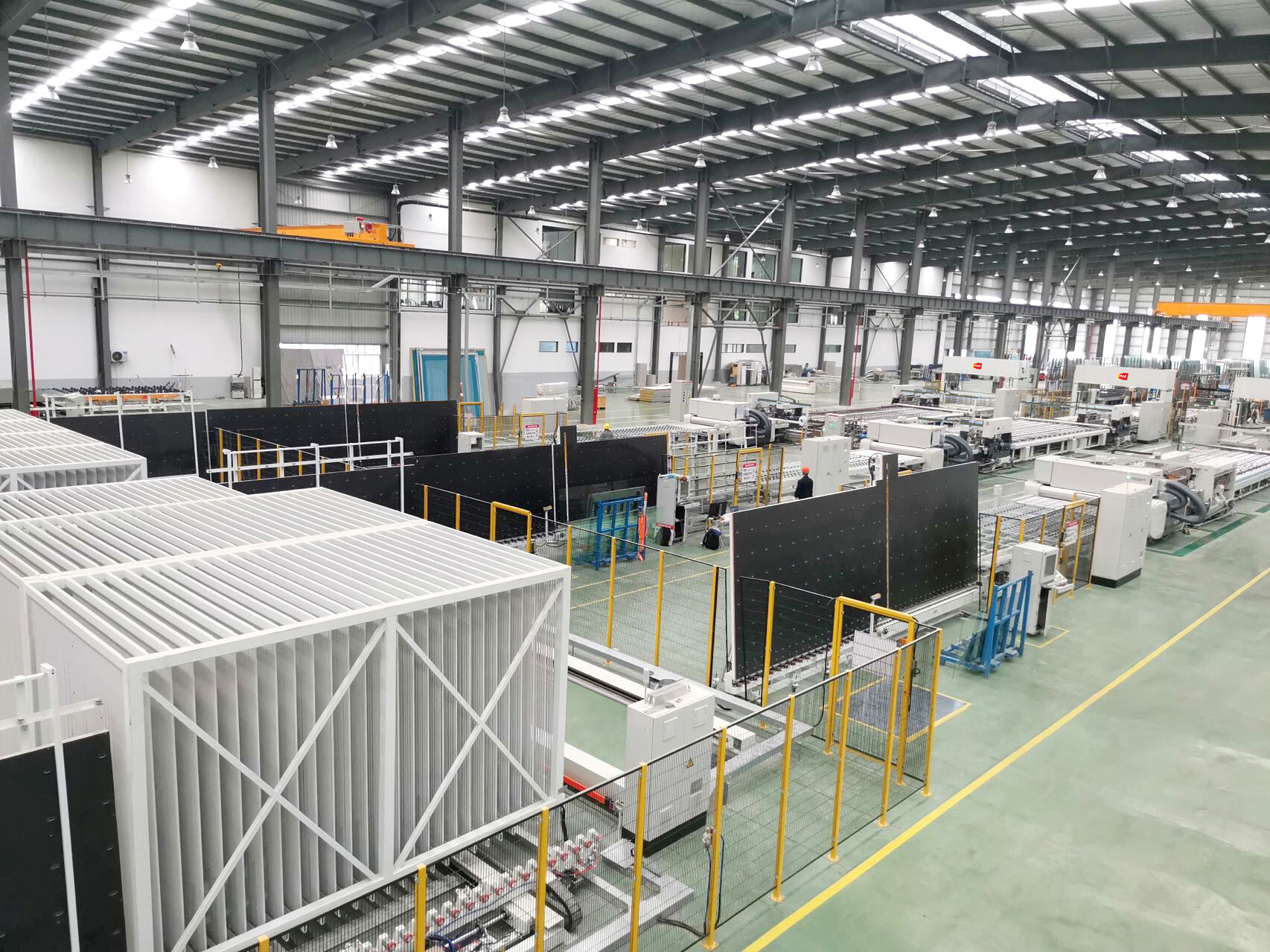
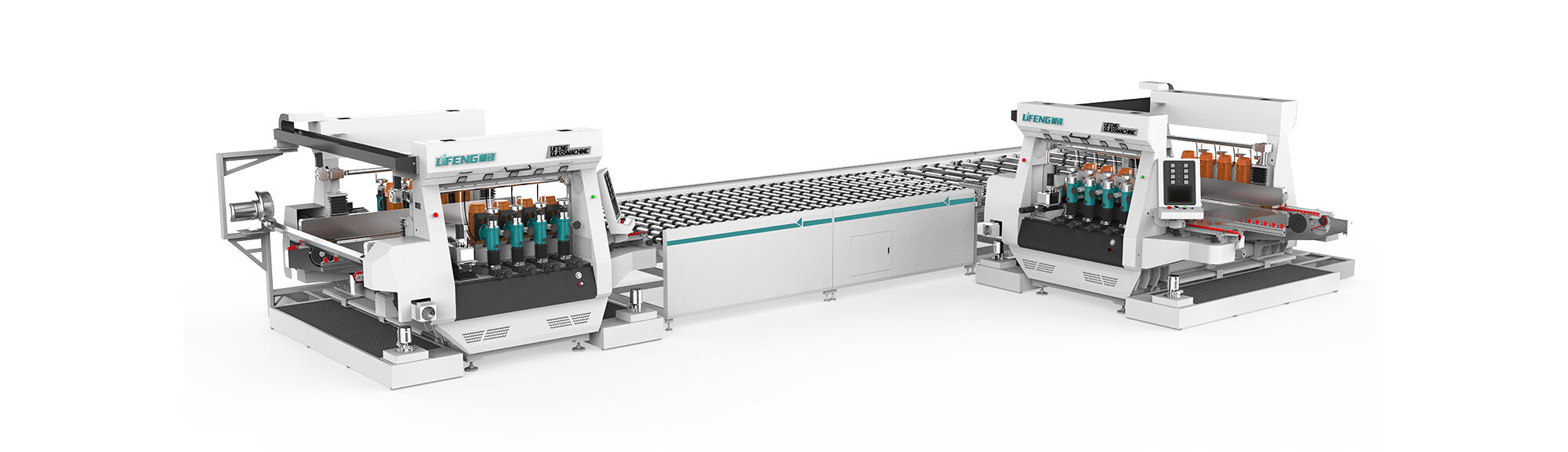
הגמישות המרשימה של מכונות לריסוק זכוכית הופכת אותן לנתיבי ערך חשובים במגוון רחב ומרשים של תחומים ויישומים, עם תצורות ניתנות להתאמה כדי לענות על דרישות תפעוליות ספציפיות. תוכניות החזרה לעירוניות מהוות אחת מקבוצות המשתמשים הגדולות ביותר, ומשתמשות במכונות לריסוק זכוכית במתקני שחזור חומרים כדי לעבד את אלפי הבקבוקים והקנקנים שנאספים מתוכניות איסוף מפינות הרחוב בזירות מגורים. מודלים תעשייתיים בעלי קיבולת גבוהה אלו מטפלים בנפח הזנה רציף, מסננים ורוצצים באופן אוטומטי זרמי זכוכית מעורבים תוך הסרת זיהומים כגון כובעים ממתכת ולables מפלסטיק. מפעלי ייצור שמייצרים אריזות זכוכית משתמשים בציוד לריסוק זכוכית כדי לשחזר פגמים בייצור וחומר שנחתך, ומחזירים אותו מיידית לתנורים שלהם במקום לרכוש חומרי גלם חדשים. מחזור זה הסגור מפחית משמעותית את צריכת האנרגיה, מאחר שריסוק זכוכית משוחזר (cullet) דורש טמפרטורות נמוכות יותר מאשר עיבוד חול, אשלגן-סודה ואבן גיר לייצור זכוכית חדשה. ענף התענוגות אימץ מכונות לריסוק זכוכית קומפקטיות שתוכננו במיוחד לברים, מסעדות ובתי מלון שיוצרים כמויות גדולות של פסולת בקבוקים. יחידות חסכוניות במרחב אלו מתאימות לאזורים במטבח או באזורים מאחור-לבית (back-of-house), מעבדות מידית את הבקבוקים הריקים ומבטלות את הקשיים באחסון והמשיכה של מזיקים הנגרמים על ידי ארגזים מלאים בקנקנים שלמים. קבלנים בתחום הבנייה וההרוס תלויים במכונות לריסוק זכוכית ניידות בעת פירוק בניינים, וממירים חלונות וזכוכית אדריכלית לאגרגטים נקיים המתאימים ליישומים מגוונים או להדחה תקינה. ניידותן של יחידות אלו, שהותקנו על מחליקים, מאפשרת עיבוד באתר, ומבטלת את עלויות ההובלה עבור פסולת הזכוכית הכבדה. פעולות ניקוי סביבתי משתמשות בציוד לריסוק זכוכית בעת שיקום אתרים מזוהמים או עיבוד פסולת זכוכית ממיקומים של השלכת פסולת בלתי חוקית, ומצמצמות את הנפח לצורך הובלה בטוחה והדחה. יישומים מיוחדים כוללים ריסוק זכוכית מעבדתי למוסדות מחקר שעליהם להרוס כלים זכוכית מזוהמים, תוך ודאות כי שאריות מסוכנות נשארות מבודדות בבטחה במהלך תהליך הריסוק. אמנים העוסקים בזכוכית משתמשים במכונות לריסוק זכוכית קטנות יותר כדי ליצור גדלים מסוימים של חלקיקים לפרויקטים של מיזוג, עבודה במוזאיקה או יישומים דקורטיביים הדורשים ממדים אחידים של זכוכית משוחזרת. החקלאות גילתה ערך בזכוכית מרוסקת כחומר לשיפור האדמה וכמעכב מזיקים, מה שיצר ביקוש לציוד עיבוד המייצר דרגות מסוימות של חלקיקים. יישומי סינון מים צורכים כמויות גדולות של זכוכית מרוסקת כאלטרנטיבה ברת-קיימא לחול בתווך הסינון, מה שמניע דרישות עיבוד מיוחדות. כל ענף נהנה מתכונות ניתנות להתאמה כגון הגדרות ריסוק ניתנות לשינוי, קיבולת תפוקה משתנה, מנגנוני הזנה שונים ומערכות פליטה מיוחדות. גישות לעיצוב מודולרי מאפשרות למנהלים להרכיב מכונות לריסוק זכוכית עם רכיבים אופציונליים כגון מפרידים מגנטיים להסרת זיהומים ממתכת, מערכות סיווג אוויר לייצור התפלגות מסוימת של גודל חלקיקים או מערכות שטיפה לייצור זכוכית משוחזרת על-טהורה שעומדת בדרישות איכות קפדניות. גמישות זו מבטיחה כי בין אם מעבדים כמה בקבוקים ביום או מפעילים מתקן אזורי מרכזי להחזרה, קיימות תצורות מתאימות של מכונות לריסוק זכוכית שמתאימות לקנה המידה התפעולי, למגבלות המרחב ולדרישות איכות הפלט, תוך הגשה של ביצועים אופטימליים ושיעור תשואה על ההשקעה.
 EN
EN
 AR
AR
 BG
BG
 HR
HR
 CS
CS
 DA
DA
 NL
NL
 FI
FI
 FR
FR
 DE
DE
 EL
EL
 HI
HI
 IT
IT
 JA
JA
 KO
KO
 PL
PL
 PT
PT
 RO
RO
 RU
RU
 ES
ES
 SV
SV
 TL
TL
 IW
IW
 LV
LV
 LT
LT
 SK
SK
 SL
SL
 UK
UK
 VI
VI
 ET
ET
 HU
HU
 MT
MT
 TH
TH
 TR
TR
 FA
FA
 MS
MS
 SW
SW
 GA
GA
 AZ
AZ