운영 효율성 및 환경 책임
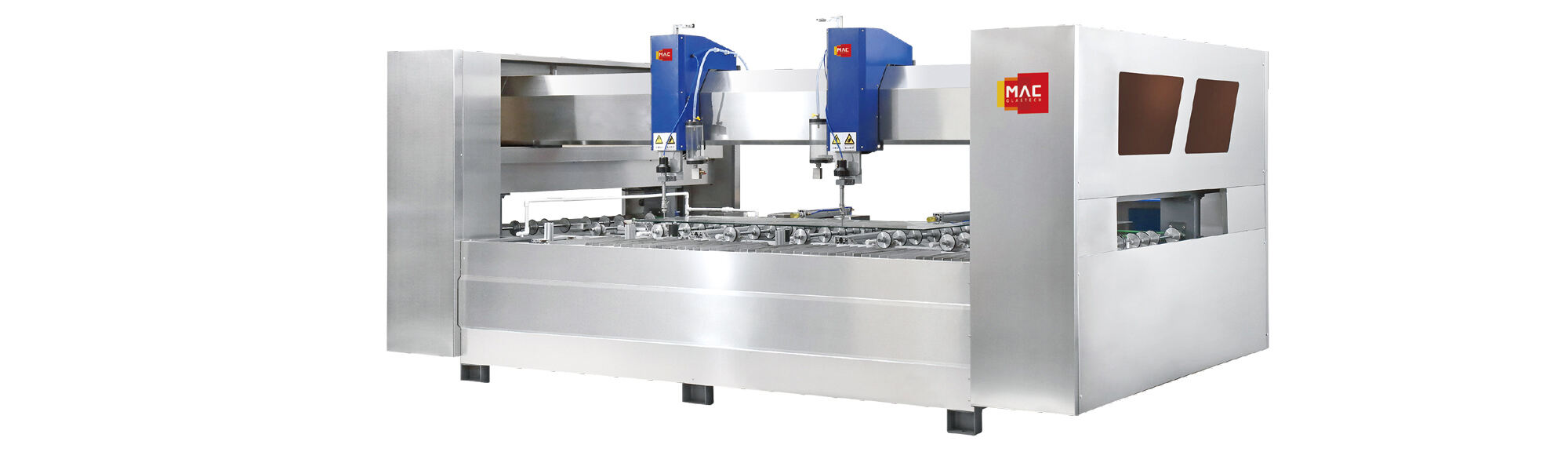
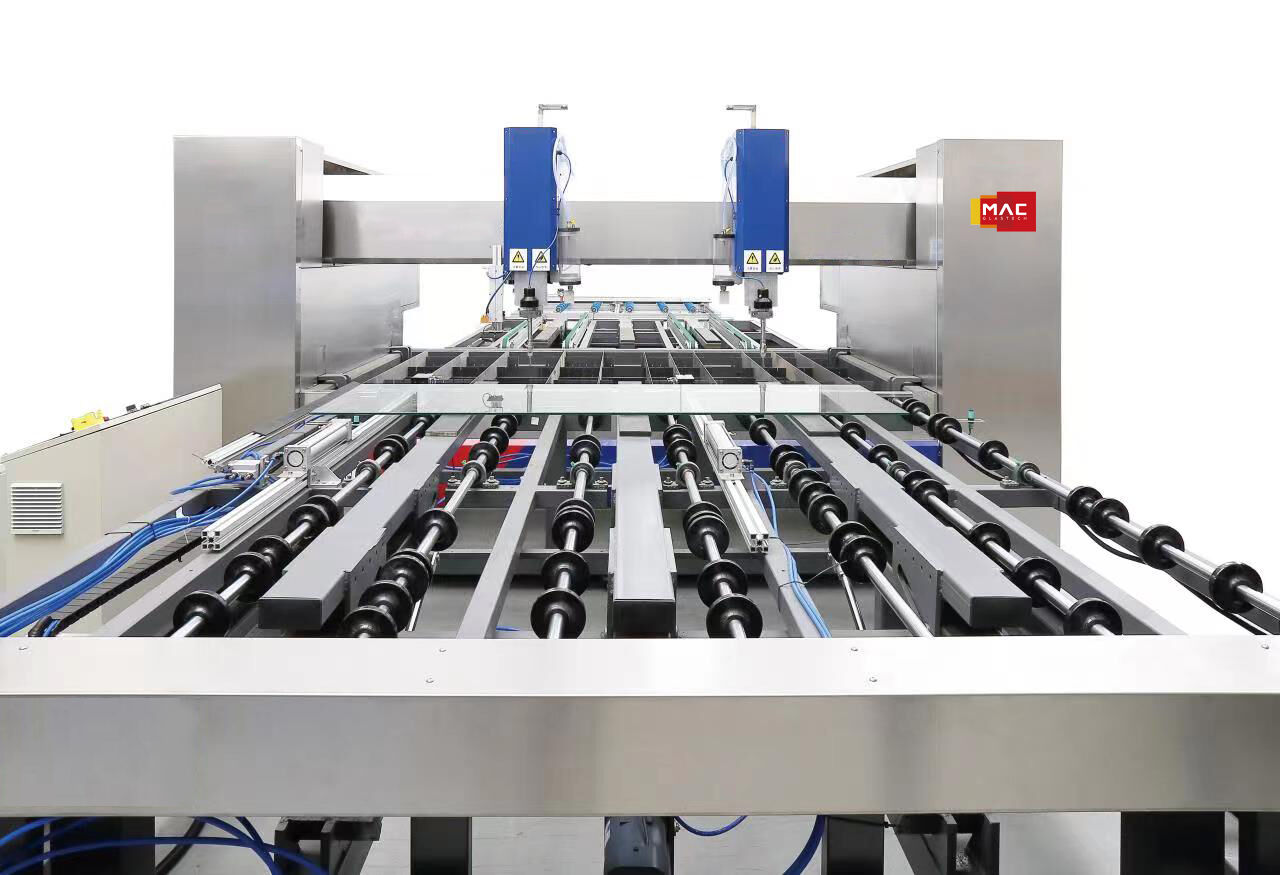
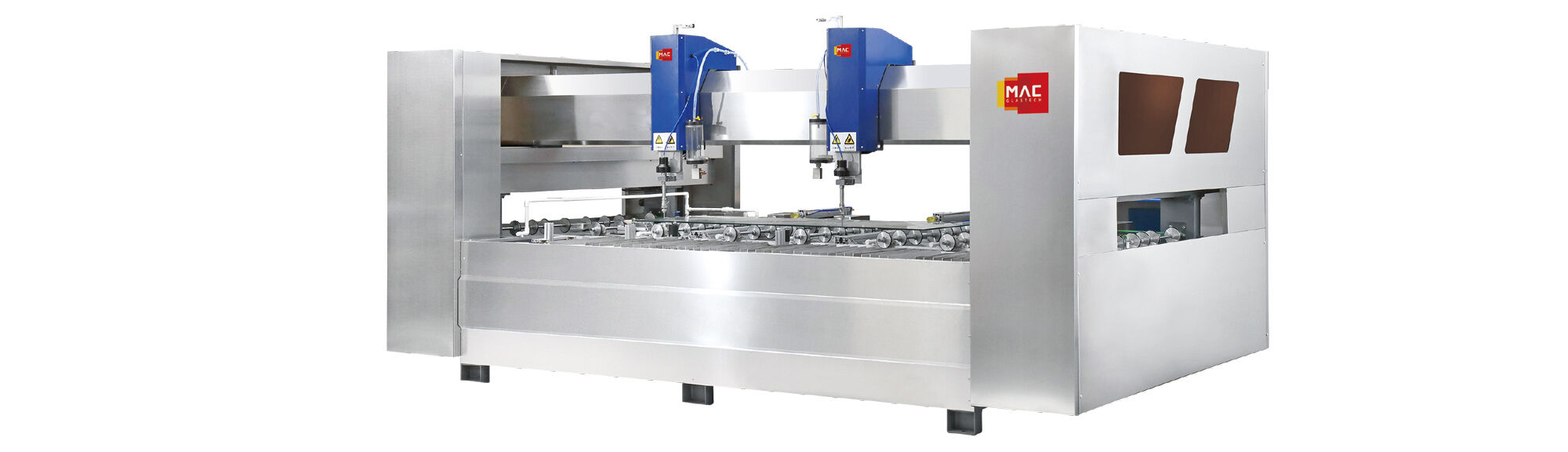
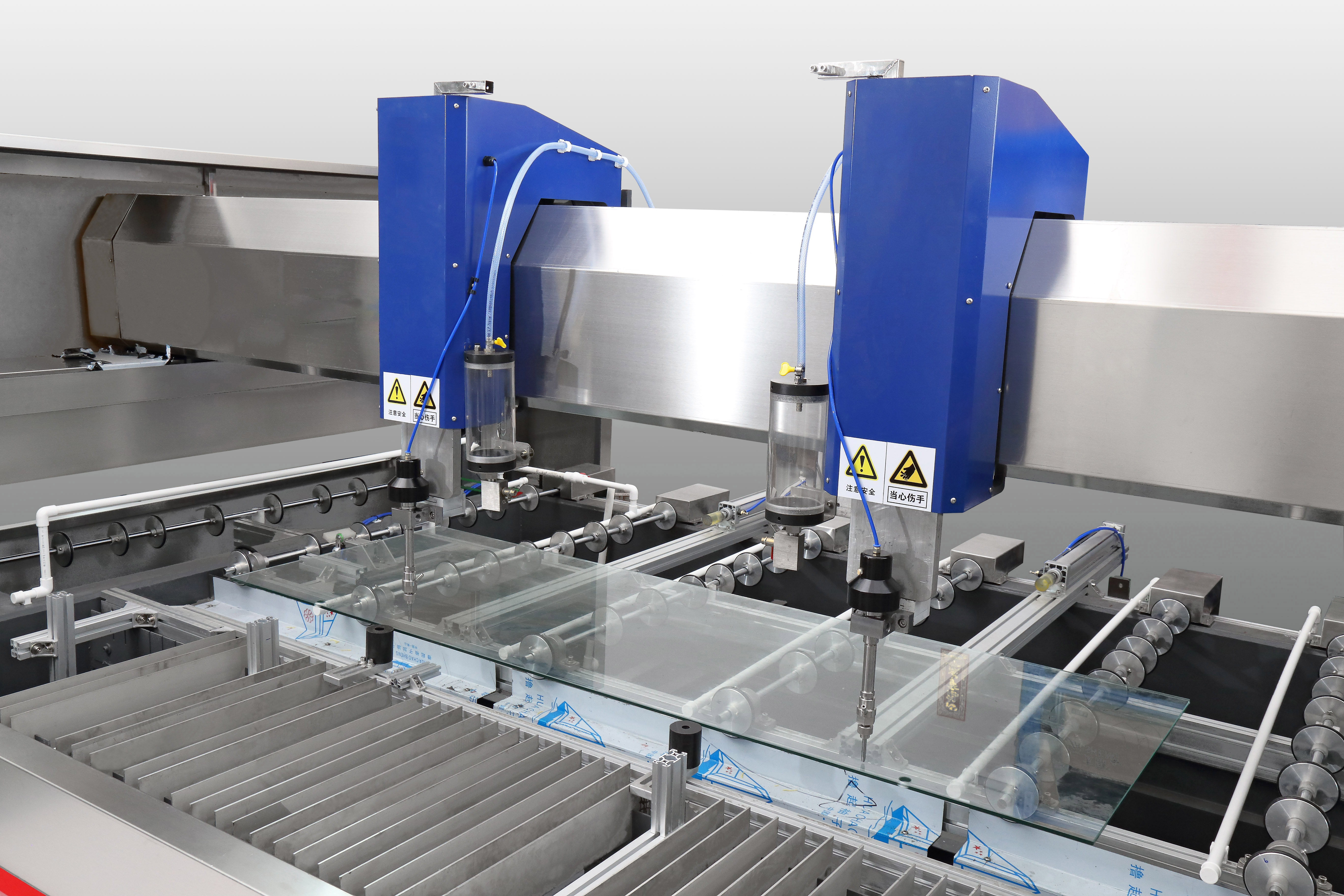
현대식 워터젯 시스템은 뛰어난 운영 효율성을 제공함과 동시에 강력한 환경 책임 이행 능력을 유지하여, 제조 장비 구매 결정에 점차 더 큰 영향을 미치는 경제성 및 지속가능성이라는 두 가지 우선 과제를 모두 충족시킵니다. 워터젯 절단의 운영 비용 구조는 다른 절단 기술에 비해 매우 유리하며, 주요 소모품은 전기, 물, 연마재로 제한되어 있어 가격이 예측 가능하고 공급이 안정적입니다. 에너지 소비량은 낮은 편으로, 시스템이 다른 절단 기술에서 흔히 사용되는 고전력 가열 요소, 고주파 발생기 또는 극저온 냉각 시스템을 필요로 하지 않기 때문입니다. 작동 중에는 물 사용이 지속되지만, 일반적으로 재활용 및 여과 시스템을 통해 실제 물 사용량을 최소화하므로, 수자원을 신중하게 관리해야 하는 지역에서도 시설이 책임감 있게 운영될 수 있습니다. 연마재(일반적으로 가넷)는 무독성이며 자연적으로 존재하는 불활성 광물로, 특별한 유해 폐기물 처리 절차 없이도 안전하게 재활용하거나 폐기할 수 있습니다. 이러한 무해한 소모품 특성은 특수 가스를 필요로 하는 레이저 절단 시스템, 금속 분진 및 오존을 발생시키는 플라즈마 절단기, 유해 산 및 용매를 사용하는 화학 가공 공정 등과 대조를 이룹니다. 워터젯 시스템은 유해 배출가스, 독성 가스, 공중 부유 미립자 등을 전혀 발생시키지 않으므로 작업장 안전성이 크게 향상되며, 복잡한 환기 인프라나 표준 공장 안전 장비 외의 특수한 개인 보호 장비(PPE)가 거의 필요하지 않습니다. 작업자는 열, 밝은 빛, 악취가 나는 배출물 등 열 절단 방식에서 흔히 나타나는 위험 요소에 노출되지 않으며, 보다 깨끗하고 쾌적한 환경에서 작업할 수 있습니다. 정비 요구 사항은 최소화되고 간단한 편으로, 일반적으로 노즐, 믹싱 튜브, 고압 실링 등의 주기적 교체만 필요하며, 이 부품들은 저렴하고 쉽게 조달 가능하며, 전문 기술 지식이나 장기간의 가동 중단 없이 신속히 설치할 수 있습니다. 복잡한 광학 시스템, 정밀 조정된 가스 혼합 비율, 온도에 민감한 구성 요소가 없기 때문에 정비의 복잡성과 관련 비용이 급격히 감소합니다. 기계적 단순성 덕분에 장비 가동률이 일관되게 업계 기준을 상회하며, 부품 마모 패턴이 예측 가능하므로 예기치 않은 고장을 방지하기 위한 사전 정비 계획을 수립할 수 있습니다. 설정 시간 측면의 이점은 생산 대응 속도를 가속화합니다. 즉, 하드 툴링 제작, 토치 캘리브레이션, 재료별 파라미터 최적화 등 작업 시작을 지연시키는 절차가 필요하지 않기 때문입니다. 작업자는 재료를 적재하고 절단 프로그램을 불러온 후 실행 버튼을 누르기만 하면 되므로, 설정 효율성이 수익성에 직접적인 영향을 미치는 신속한 프로토타입 개발 및 소량 생산에 워터젯 시스템이 이상적입니다. 프로그래밍 인터페이스는 일반적으로 표준 CAD 파일 형식을 지원하는 직관적인 소프트웨어를 채택하며, 효율적인 공구 경로를 자동 생성하고, 재료를 가공하기 전에 프로그램을 검증할 수 있는 시뮬레이션 기능을 제공하여 오류와 폐기물을 줄입니다. 이러한 사용자 친화적인 운영 방식은 신입 작업자의 교육 기간을 단축시키고, 복잡한 기술 교육 없이 기존 인력을 다기능으로 육성할 수 있도록 합니다.
 EN
EN
 AR
AR
 BG
BG
 HR
HR
 CS
CS
 DA
DA
 NL
NL
 FI
FI
 FR
FR
 DE
DE
 EL
EL
 HI
HI
 IT
IT
 JA
JA
 KO
KO
 PL
PL
 PT
PT
 RO
RO
 RU
RU
 ES
ES
 SV
SV
 TL
TL
 IW
IW
 LV
LV
 LT
LT
 SK
SK
 SL
SL
 UK
UK
 VI
VI
 ET
ET
 HU
HU
 MT
MT
 TH
TH
 TR
TR
 FA
FA
 MS
MS
 SW
SW
 GA
GA
 AZ
AZ