Professional Glass Frosting Machine - Automated Glass Finishing Solutions for Commercial Production

All Categories

Get a Free Quote

Our representative will contact you soon.
Email
Name
Company Name
Message
0/1000

glass frosting machine

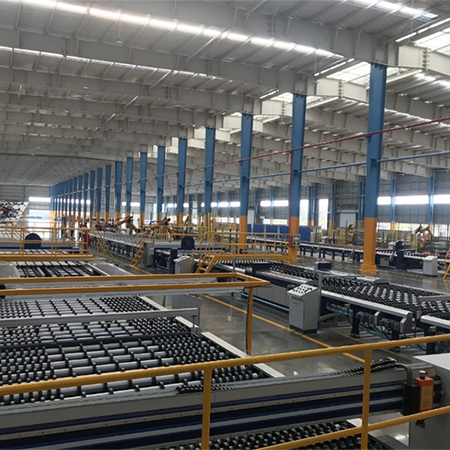
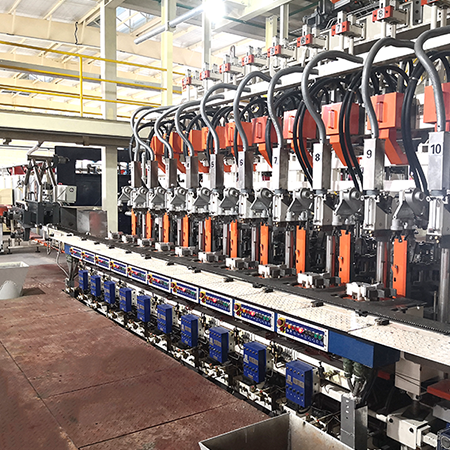
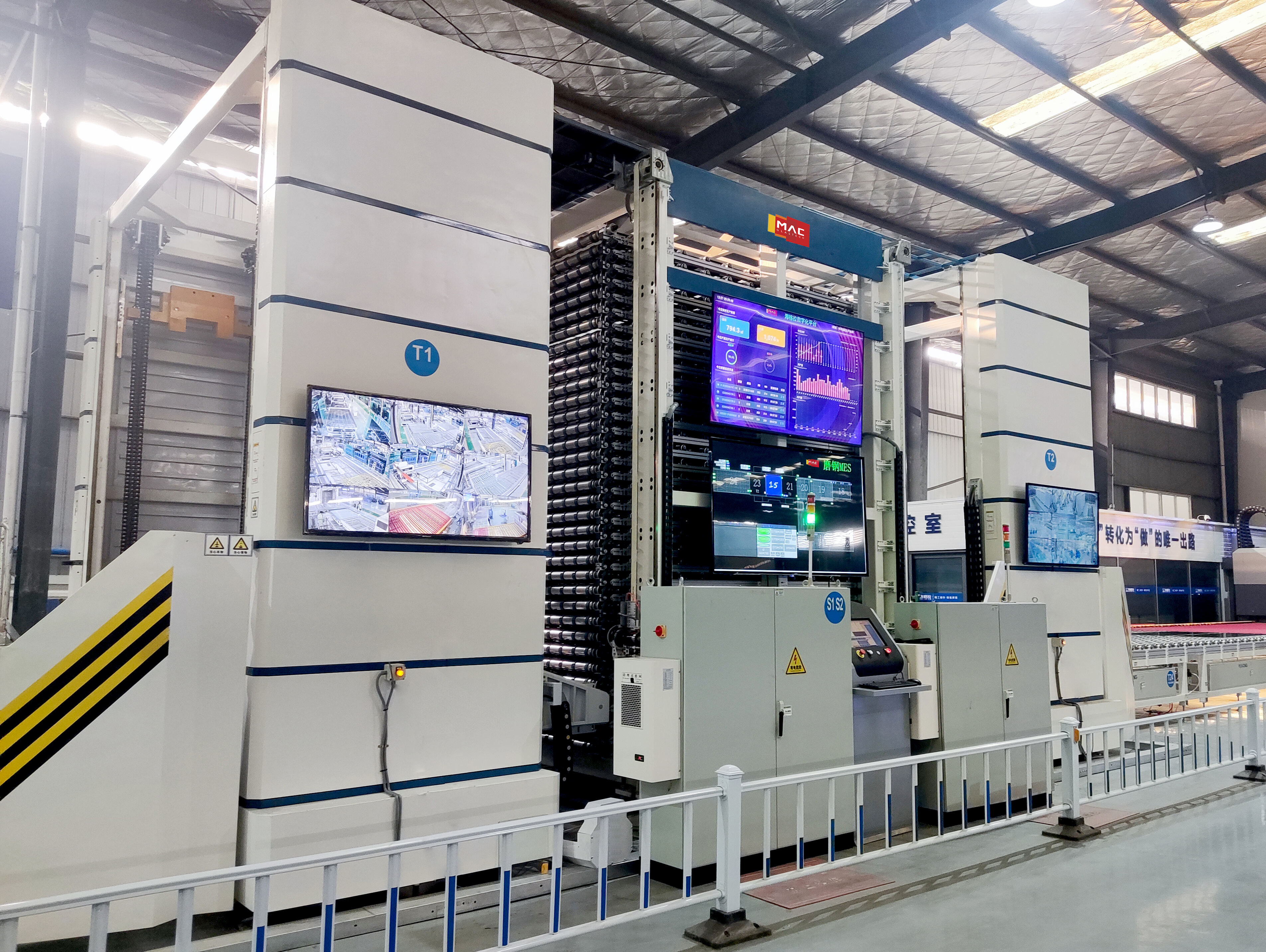
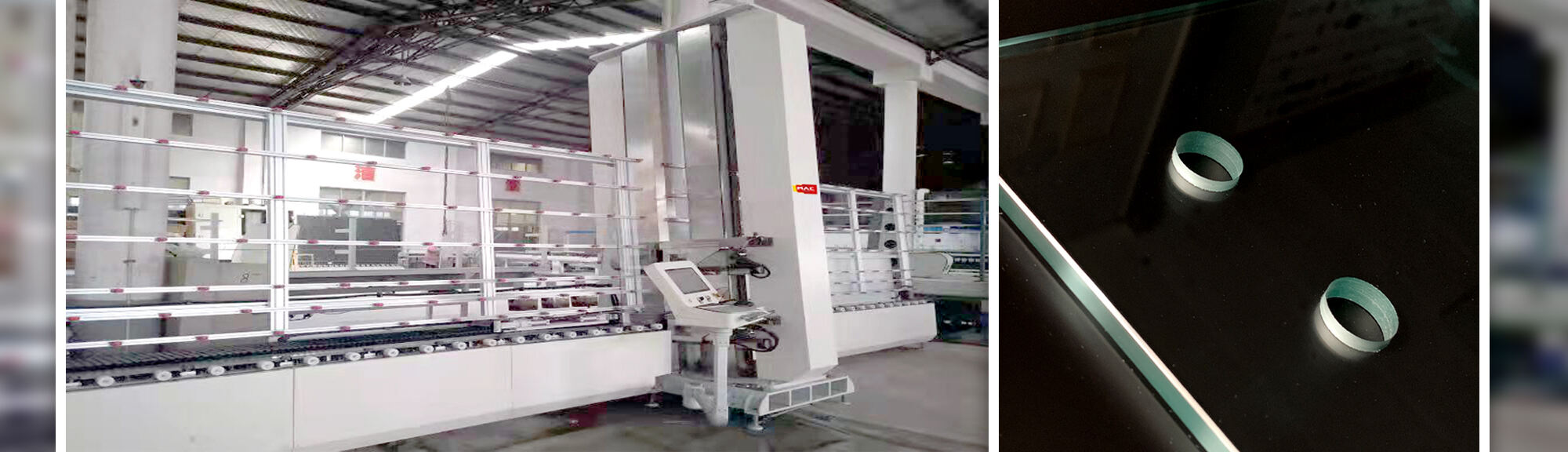
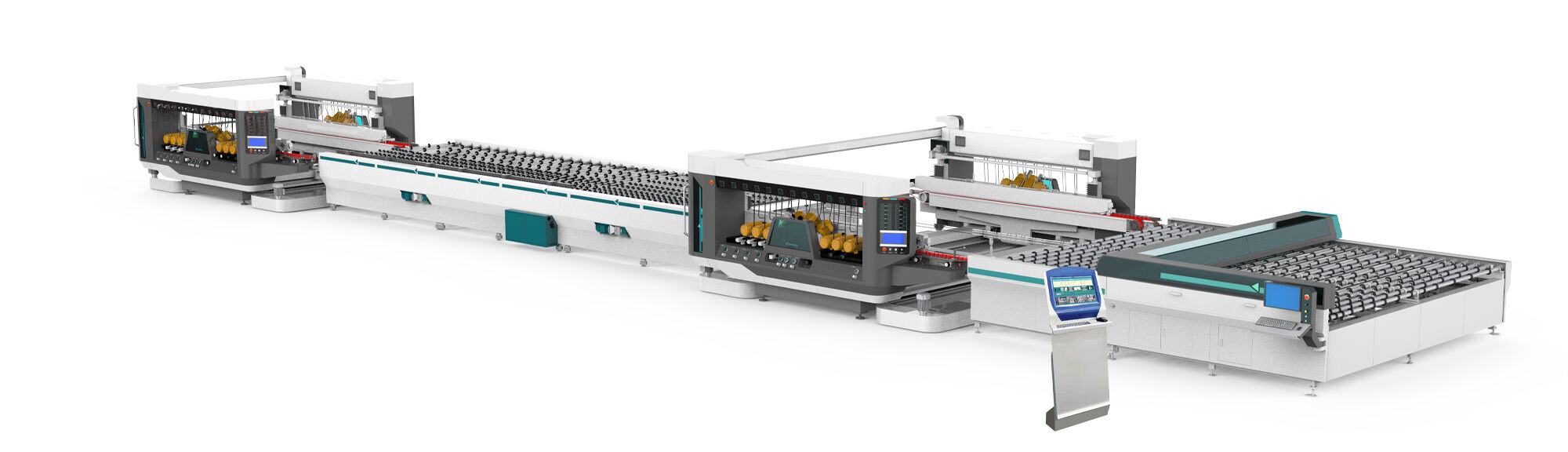
A glass frosting machine represents an essential piece of equipment designed to transform clear glass surfaces into elegant frosted finishes through automated processing methods. This sophisticated machinery employs advanced surface treatment technology to create consistent, uniform frosted effects on various glass products, from architectural panels to decorative items. The primary function of a glass frosting machine involves chemically or mechanically altering the glass surface to achieve a translucent, satin-like appearance that diffuses light while maintaining privacy. Modern glass frosting machines incorporate precision control systems that allow operators to adjust processing parameters such as treatment intensity, speed, and coverage area. These machines typically feature robust construction with corrosion-resistant materials to withstand the demands of continuous production environments. The technological framework includes automated feeding systems, precise chemical application mechanisms, and integrated washing stations to ensure thorough processing. Many contemporary models integrate computerized controls that enable operators to program specific patterns, depths, and textures into the frosted finish. The application spectrum of glass frosting machines extends across multiple industries including architectural glass manufacturing, interior design, automotive glass production, and decorative glassware creation. Commercial glass processors utilize these machines to meet growing market demand for privacy glass in office partitions, bathroom enclosures, and residential windows. The machinery accommodates various glass thicknesses and dimensions, making it versatile for both small-scale artisan workshops and large-scale industrial operations. Environmental considerations have driven manufacturers to develop eco-friendly frosting solutions that minimize chemical waste while maintaining superior finish quality. The operational efficiency of glass frosting machines significantly reduces manual labor requirements while ensuring consistent results across large production batches. Investment in quality glass frosting equipment delivers long-term benefits through increased production capacity, reduced material waste, and enhanced product quality that meets stringent industry standards.

New Product Releases

The glass frosting machine delivers substantial time savings compared to traditional manual frosting methods, enabling businesses to complete projects faster and serve more customers efficiently. Production speed increases dramatically as automated systems process multiple glass sheets simultaneously, transforming what once took hours into minutes of work. Cost efficiency emerges as a major benefit since the machine optimizes material usage, reducing chemical consumption and minimizing glass waste through precise application control. Businesses experience improved profit margins as consistent quality reduces rejection rates and rework expenses that typically plague manual operations. The equipment ensures uniform results across every glass piece, eliminating the inconsistencies and human error associated with hand-applied frosting techniques. Operators appreciate the user-friendly interface that simplifies training requirements, allowing new staff members to achieve professional results quickly without extensive experience. Safety improvements become immediately apparent as automated processing reduces direct chemical exposure for workers, creating healthier workplace conditions and lowering liability risks. The machine adapts easily to different project requirements, handling various glass sizes and thicknesses without requiring major adjustments or additional equipment purchases. Energy efficiency features built into modern glass frosting machines reduce operational costs while supporting environmental sustainability initiatives that appeal to eco-conscious customers. Maintenance requirements remain minimal due to durable construction and accessible component design, ensuring machines stay operational with simple routine care rather than frequent repairs. The precision control capabilities allow businesses to offer customized frosting options, opening new revenue streams through specialized services that competitors using manual methods cannot match. Consistent output quality strengthens brand reputation as customers receive reliably excellent results that meet their expectations every time. The automated nature of glass frosting machines frees skilled workers to focus on design, customer service, and business development rather than repetitive manual tasks. Scalability becomes achievable as businesses can increase production volume simply by running the machine longer or adding additional units, rather than hiring and training numerous manual workers. Return on investment arrives quickly as increased productivity and reduced labor costs offset the initial equipment purchase price within reasonable timeframes. The professional finish achieved by glass frosting machines enables businesses to compete for premium projects and command higher prices than competitors relying on outdated manual techniques.

Practical Tips

What Are the Benefits of Using an Automated Glass Sorting System?

24

Sep

What Are the Benefits of Using an Automated Glass Sorting System?

Revolutionizing Glass Recycling Through Advanced Automation The glass recycling industry is undergoing a remarkable transformation with the integration of automated glass sorting systems. These sophisticated technologies are reshaping how recycling f...
View More
How Do Glass Drilling Machines Achieve Precision and Accuracy?

28

Oct

How Do Glass Drilling Machines Achieve Precision and Accuracy?

The Engineering Marvel Behind Modern Glass Drilling Technology Glass drilling machines represent the pinnacle of precision engineering in today's manufacturing landscape. These sophisticated pieces of equipment combine advanced technology with mechan...
View More
How to Optimize Production Settings in a Hub Glass Furnace?

24

Nov

How to Optimize Production Settings in a Hub Glass Furnace?

Glass manufacturing represents one of the most energy-intensive industrial processes, requiring precise control of temperature, atmosphere, and raw material flow to achieve optimal production efficiency. Modern hub glass furnace systems have evolved ...
View More
Why Are CNC Grinding Machines Preferred in Modern Production Lines?

19

Dec

Why Are CNC Grinding Machines Preferred in Modern Production Lines?

Modern manufacturing has undergone a revolutionary transformation with the integration of advanced grinding technologies. Among these innovations, specialized grinding equipment has become indispensable for achieving precision results in various indu...
View More

Get a Free Quote

Our representative will contact you soon.
Email
Name
Company Name
Message
0/1000

glass frosting machine

Advanced Precision Control System for Customizable Frosting Effects

Advanced Precision Control System for Customizable Frosting Effects

The glass frosting machine incorporates cutting-edge precision control technology that revolutionizes how businesses create frosted glass products with exact specifications. This sophisticated system allows operators to fine-tune every aspect of the frosting process, from the depth of surface treatment to the texture pattern and coverage uniformity. The digital interface provides intuitive access to programmable settings, enabling users to save custom profiles for recurring projects and ensure perfect replication across multiple production runs. This level of control proves invaluable for businesses serving diverse clientele with varying aesthetic preferences and functional requirements. Architectural firms benefit from the ability to specify exact translucency levels that balance privacy needs with natural light transmission in office buildings and residential spaces. Interior designers appreciate how the machine can create gradient effects, partial frosting patterns, and artistic designs that transform ordinary glass into distinctive decorative elements. The precision capabilities extend to edge definition, allowing sharp boundaries between frosted and clear areas without the bleeding or inconsistency common in manual applications. Temperature monitoring systems maintain optimal processing conditions, automatically adjusting parameters to compensate for environmental variations that could affect finish quality. The machine's sensors detect glass thickness and adjust treatment intensity accordingly, preventing under-processing of thick glass or over-treatment of delicate thin sheets. This intelligent adaptation eliminates the trial-and-error approach that wastes materials and time in traditional methods. Quality assurance features include real-time monitoring displays that alert operators to any deviation from specified parameters, enabling immediate corrections before defects occur. The precision control system also tracks production statistics, providing valuable data for process optimization and capacity planning. Businesses can analyze this information to identify efficiency improvements and justify expansion investments with concrete performance metrics. The ability to achieve microscopic control over surface texture opens creative possibilities previously unattainable, allowing manufacturers to develop signature frosting styles that differentiate their products in competitive markets. This technological advantage translates directly into customer satisfaction as clients receive exactly what they envisioned without compromise or approximation. The consistency delivered by precision controls builds trust and encourages repeat business, as customers know they can rely on identical results for future orders or project phases.
High-Efficiency Production Capacity for Maximum Output

High-Efficiency Production Capacity for Maximum Output

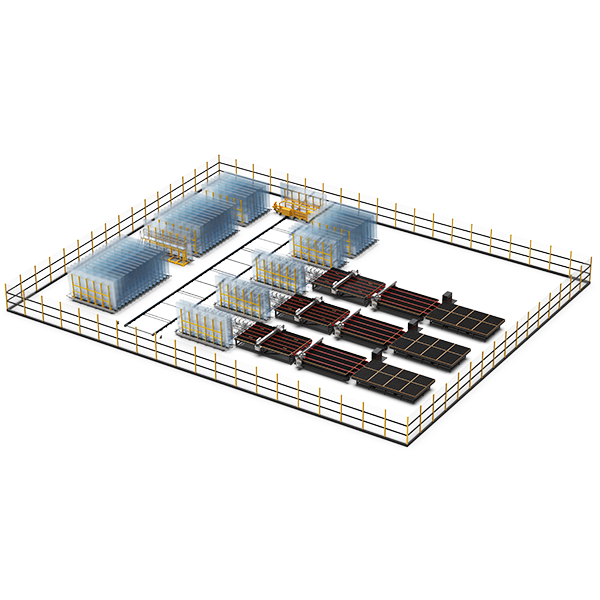
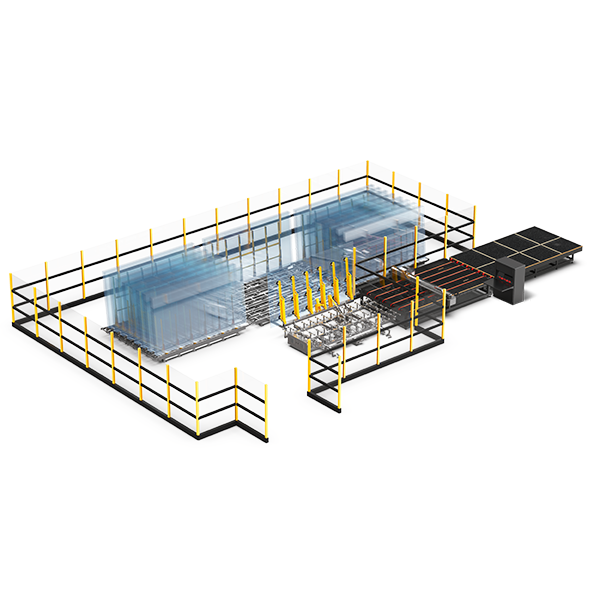
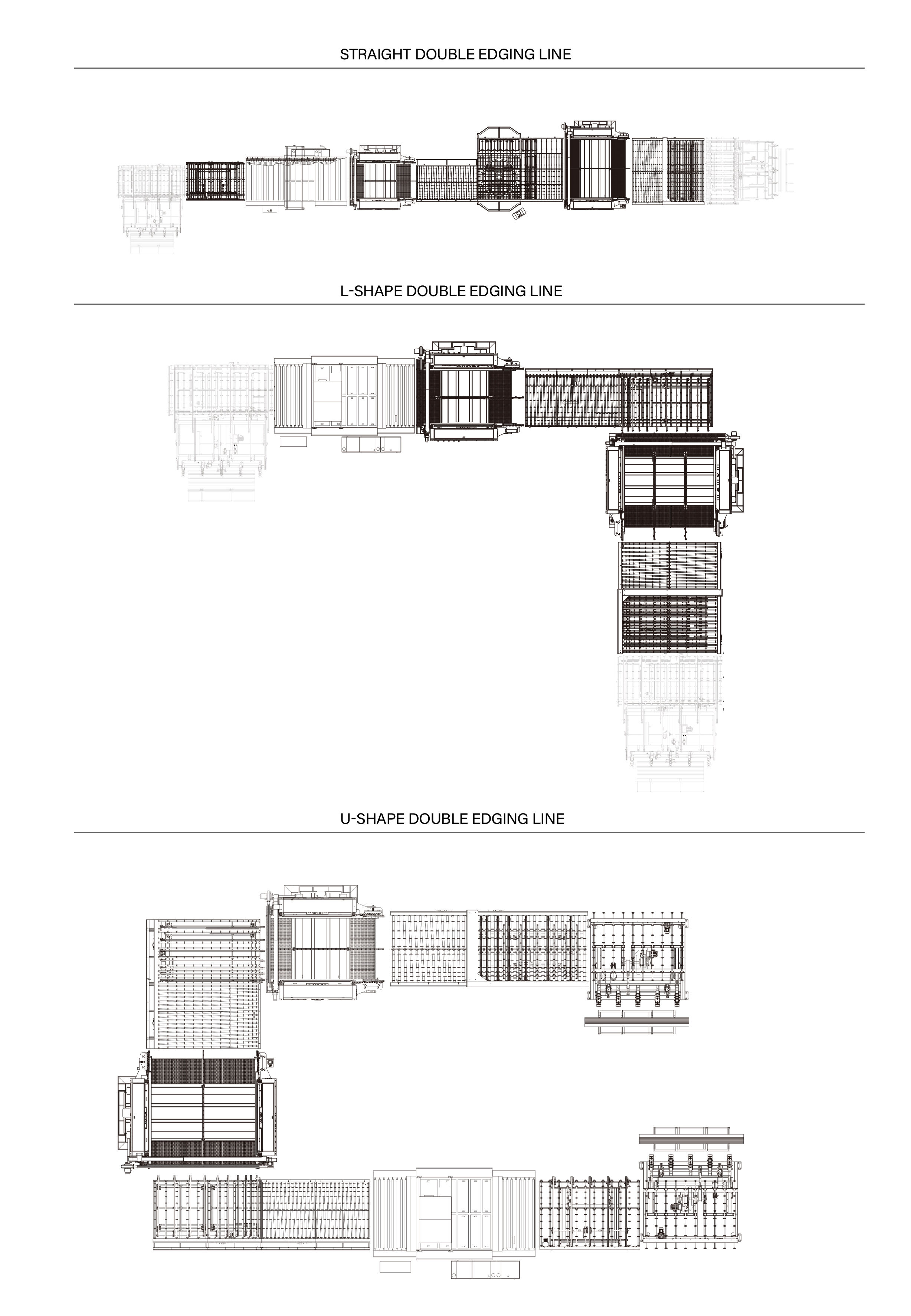
The glass frosting machine transforms production capabilities by processing glass at speeds that dramatically outpace manual methods while maintaining superior quality standards throughout extended operation periods. This high-efficiency design addresses the fundamental challenge facing glass processors: meeting increasing market demand without proportionally increasing labor costs or facility space. The automated feeding system continuously moves glass through the processing stages, eliminating the idle time between pieces that characterizes batch-oriented manual work. Multiple glass sheets can undergo treatment simultaneously within the machine's processing chamber, multiplying output compared to single-piece hand application techniques. The continuous operation capability means businesses can schedule production runs during off-hours, maximizing equipment utilization and spreading fixed costs across more units. This efficiency proves especially valuable for large commercial projects requiring hundreds or thousands of identical frosted glass panels within tight deadlines. The rapid processing cycle also benefits custom workshops serving retail customers who expect quick turnaround times on individual pieces. Quick-change features allow operators to switch between different frosting specifications with minimal downtime, accommodating varied orders within the same production day without sacrificing efficiency. The machine's throughput capacity enables businesses to accept larger contracts confidently, knowing they possess the production capability to fulfill substantial orders reliably. Energy-efficient operation ensures that increased production does not generate proportionally higher utility costs, preserving profit margins while scaling output. The robust construction withstands continuous operation without performance degradation, maintaining consistent speeds and quality throughout shifts rather than slowing as components fatigue. Preventive maintenance schedules are designed around production needs, with service intervals timed to minimize disruption and keep the machine operational during peak demand periods. The efficiency gains extend beyond pure speed to include reduced material handling, as automated systems move glass through processing stages without manual lifting that risks breakage and worker injury. Streamlined workflow integration means the glass frosting machine connects seamlessly with upstream cutting operations and downstream assembly processes, creating cohesive production lines that eliminate bottlenecks. The capacity to handle diverse glass types and sizes within a single efficient system reduces the need for multiple specialized machines, conserving floor space and capital investment. Businesses discover that efficiency improvements compound over time as operators develop expertise with the system and identify optimization opportunities specific to their product mix and customer base.
Superior Safety Features and Environmental Responsibility

Superior Safety Features and Environmental Responsibility

The glass frosting machine prioritizes operator safety and environmental protection through comprehensive design features that address the hazards inherent in traditional glass frosting methods while minimizing ecological impact. Chemical containment systems ensure that frosting agents remain within controlled processing chambers, eliminating worker exposure to corrosive substances that pose respiratory and skin contact risks in manual application scenarios. Automated chemical handling removes the need for operators to measure, pour, or directly manipulate hazardous materials, reducing accident potential and simplifying compliance with occupational safety regulations. Sealed processing environments prevent fume release into the workspace, maintaining air quality and eliminating the need for expensive ventilation systems or personal protective equipment that impedes worker comfort and productivity. Emergency shutdown mechanisms respond instantly to detected anomalies, halting operations before situations escalate into injuries or equipment damage. Interlocked safety barriers prevent access to moving components during operation, protecting workers from mechanical hazards while allowing easy maintenance access when the machine is properly secured. The environmental advantages begin with optimized chemical usage that applies frosting agents only where needed in precisely measured quantities, avoiding the over-application and runoff waste typical of manual methods. Integrated recycling systems capture and reprocess unused chemicals, dramatically reducing disposal requirements and associated environmental fees while lowering material costs. Water conservation features minimize consumption during rinsing stages through efficient spray patterns and recirculation systems that reuse water for multiple cycles before requiring treatment and discharge. The glass frosting machine produces less noise pollution than manual operations involving compressed air tools and abrasive equipment, creating a more pleasant work environment and reducing community impact for facilities in mixed-use areas. Energy-efficient motors and optimized processing cycles reduce electricity consumption compared to energy-intensive manual alternatives, lowering carbon footprints and operational expenses simultaneously. The reduced waste generation extends to glass itself, as consistent automated processing minimizes rejection rates that send improperly frosted pieces to landfills or recycling centers. Businesses using glass frosting machines strengthen their environmental credentials, appealing to eco-conscious customers and meeting green building certification requirements that increasingly influence purchasing decisions. The safety and environmental benefits contribute to employee satisfaction and retention, as workers appreciate employers who invest in equipment that protects their health and demonstrates corporate responsibility. Regulatory compliance becomes simpler as automated systems maintain consistent documentation of chemical usage, waste generation, and safety protocols that satisfy inspection requirements without manual record-keeping burdens.