Noll mekanisk spänning och överlägsen kvalitet på kanterna
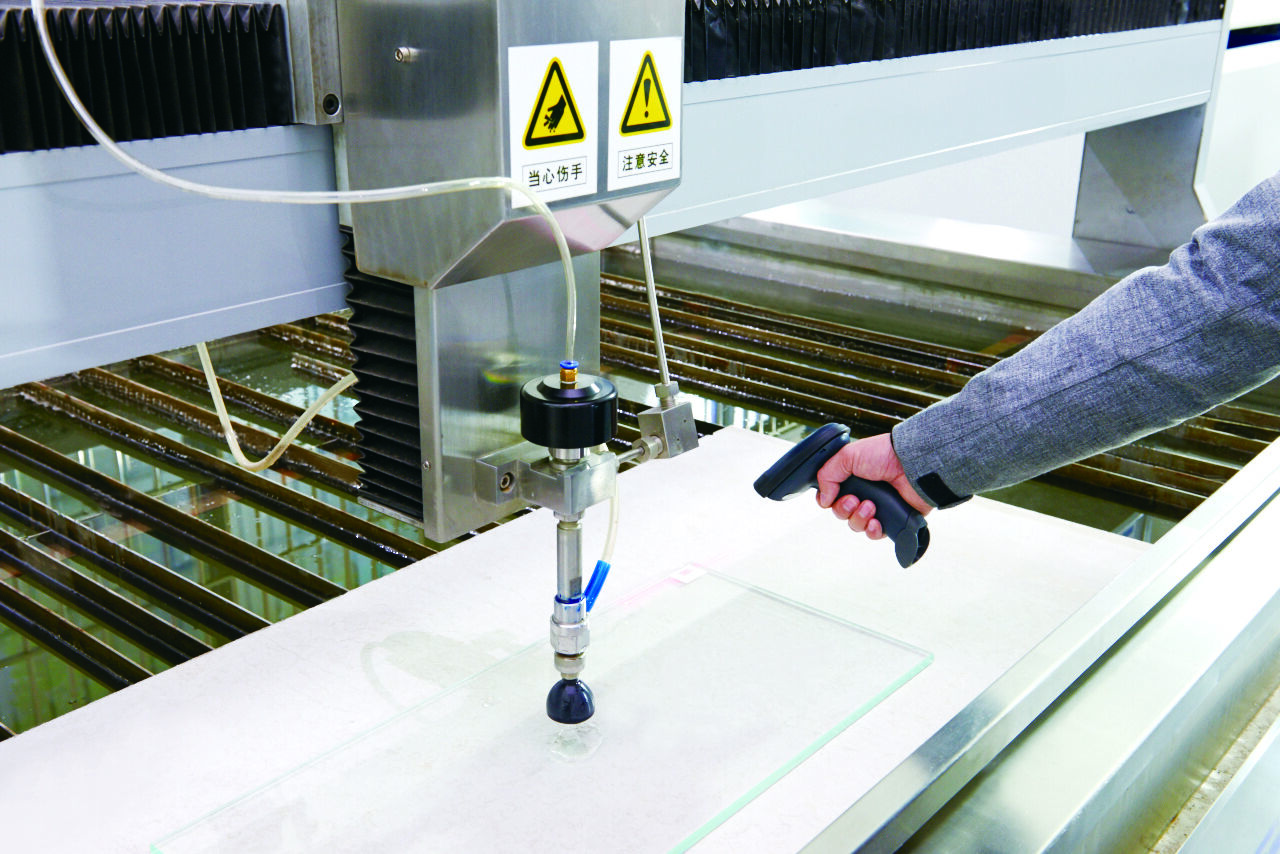
Bland de mest övertygande fördelarna som skiljer vattenstrålsnålen från konventionella tillverkningsmetoder finns den fullständiga elimineringen av mekaniska kontaktkrafter och termiska spänningar under skärprocessen, vilket resulterar i överlägsen kvalitet på snittkanten – en kvalitet som ofta eliminerar sekundära efterbearbetningsoperationer samtidigt som materialdeformation och försämring av materialens egenskaper förhindras. Traditionella skärmetoder, såsom sågning, fräsning eller skärande bearbetning, utövar betydande mekaniska laster på arbetsstyckena, vilket genererar vibrationer, böjningar och restspänningar som kan försämra dimensionsnoggrannheten och orsaka mikrospaltbildning i spröda material. Dessa mekaniska spänningar är särskilt problematiska vid bearbetning av tunnvägiga material som lätt böjs, delikata komponenter som inte tål spännkrafter, eller spröda underlag som är benägna att spricka längs kanterna. Vattenstrålsnålen undviker dessa problem helt genom att använda vattenpress istället for fysisk kontakt för att separera materialet, vilket innebär att fixeringskraven endast fokuserar på positionering snarare än på motstånd mot skärkrafter. Denna milda metod möjliggör bearbetning av fragila föremål, förspända komponenter och monterade delar som skulle spricka eller deformeras under konventionella maskinbearbetningslastar. På liknande sätt introducerar värmeproducerande processer, såsom laserskärning, plasmaark- och flammskärning, termisk energi som förändrar materialens egenskaper inom värmpåverkade zoner – vilket leder till hårdnade kanter i stål, smältning och återstelningsprocesser hos plaster, inducerade restspänningar som orsakar krökning samt potentiell försämring av strukturell integritet hos värmebehandlade legeringar. Vattenstrålsnålen fungerar som en kall process och bibehåller arbetsstyckets temperatur nära omgivningstemperaturen under hela skärprocessen, vilket bevarar fabriksmässigt tillämpade värmebehandlingar, härdningsgrader och metallurgiska förhållanden. Denna termiska neutralitet är avgörande vid tillverkning av precisionskomponenter där dimensionsstabilitet är avgörande, vid bearbetning av material med strikta temperaturbegränsningar eller vid bibehållande av specifika material egenskaper som krävs för slutanvändningens prestanda. Kantkvaliteten som uppnås med en korrekt inställd vattenstrålsnåle är jämförbar med eller bättre än den som uppnås med mycket mer tidskrävande slutförda bearbetningsoperationer. De rena, kvadratiska kanterna uppstår fria från burrar och kräver minimal avburring jämfört med mekaniska skärmetoder som lämnar grova, sönderrivna kanter som kräver omfattande manuell efterbearbetning. Frånvaron av värmpåverkad färgförändring innebär att delar ofta kan gå direkt vidare till efterföljande operationer eller slutmontering utan mellanliggande rengöring eller ytbearbetning. För många applikationer uppfyller ytkvaliteten direkt efter vattenstrålskärning de slutliga specifikationerna, vilket förkortar produktionsflödena och minskar hanteringssteg som annars skulle kunna leda till skador eller föroreningar. Den spänningsfria skärningen förhindrar också den vanliga återböjningen och deformationen som uppstår när restspänningar frigörs genom materialavtagning, vilket säkerställer att de skurna delarna behåller sin dimensionsnoggrannhet och passar korrekt i monterade sammanställningar utan att kräva korrigering genom rättnings- eller justeringsåtgärder.
 EN
EN
 AR
AR
 BG
BG
 HR
HR
 CS
CS
 DA
DA
 NL
NL
 FI
FI
 FR
FR
 DE
DE
 EL
EL
 HI
HI
 IT
IT
 JA
JA
 KO
KO
 PL
PL
 PT
PT
 RO
RO
 RU
RU
 ES
ES
 SV
SV
 TL
TL
 IW
IW
 LV
LV
 LT
LT
 SK
SK
 SL
SL
 UK
UK
 VI
VI
 ET
ET
 HU
HU
 MT
MT
 TH
TH
 TR
TR
 FA
FA
 MS
MS
 SW
SW
 GA
GA
 AZ
AZ