Professional Glass Cutter Equipment - Precision Cutting Solutions for Glass Fabrication

All Categories

Get a Free Quote

Our representative will contact you soon.
Email
Name
Company Name
Message
0/1000

glass cutter equipment

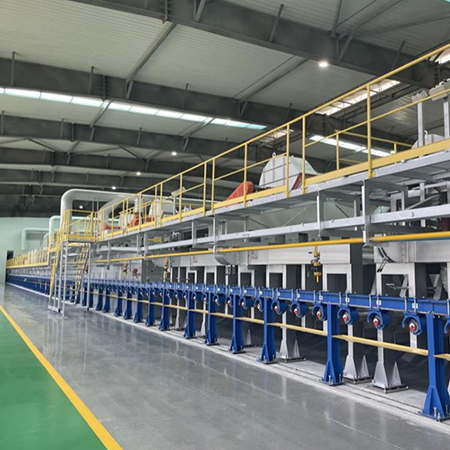
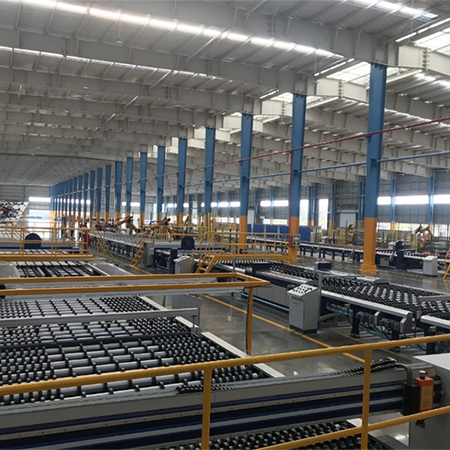
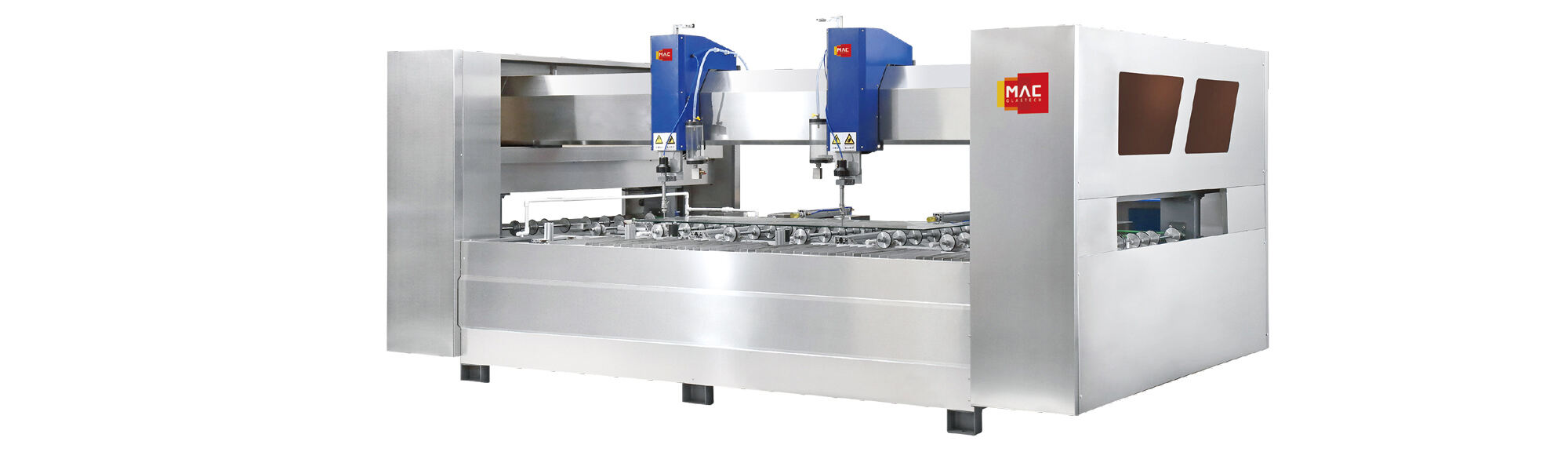
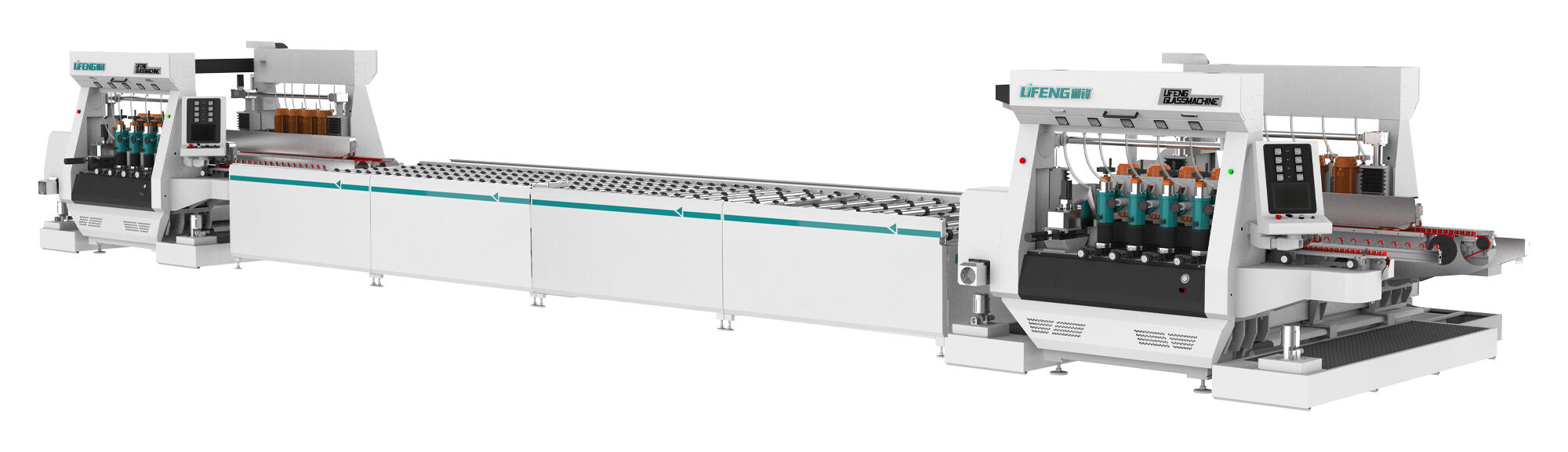
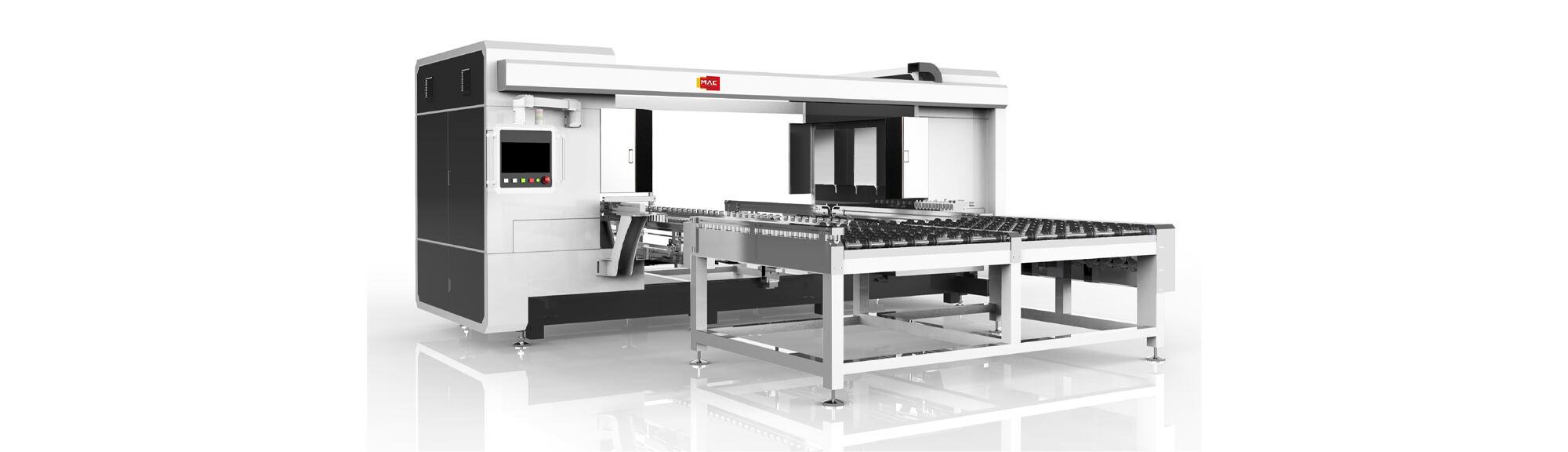
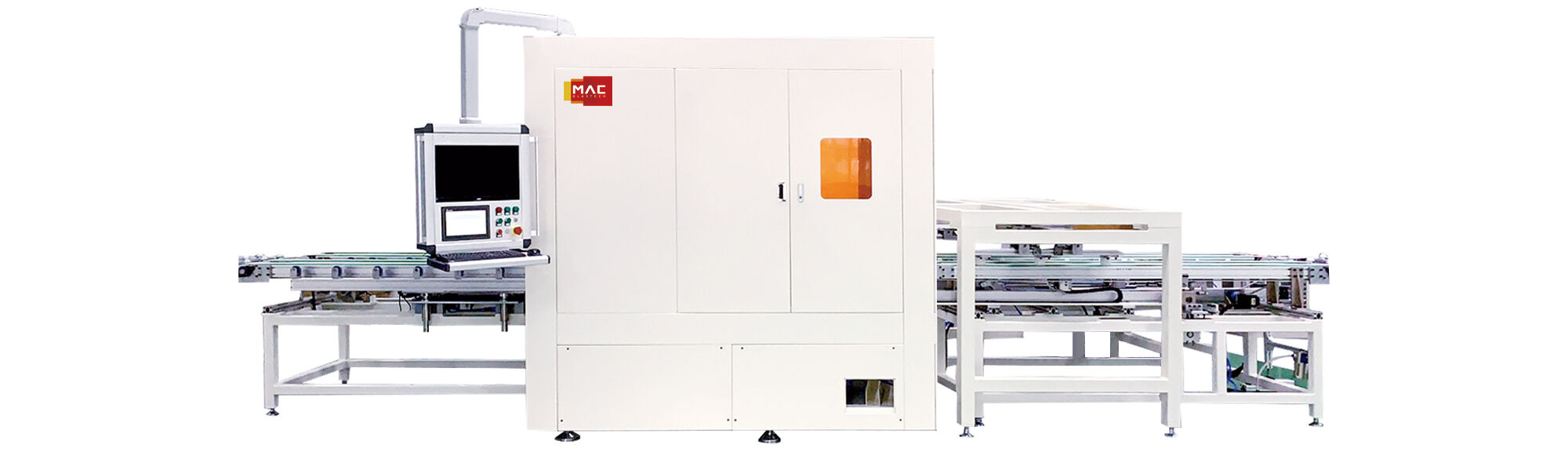
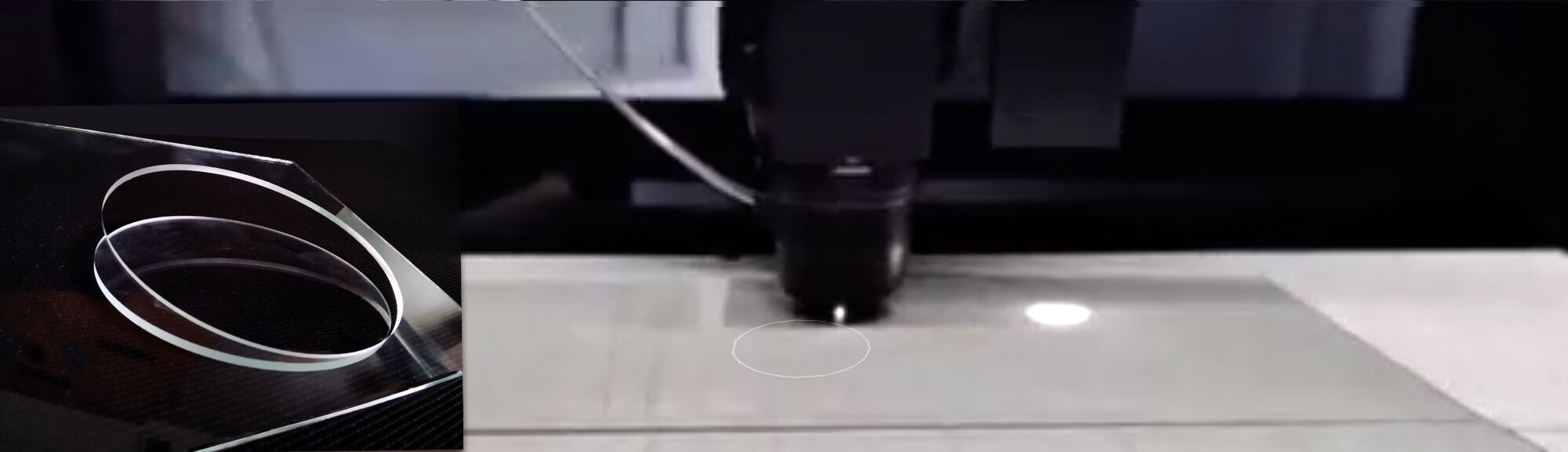
Glass cutter equipment represents a fundamental solution for businesses and craftspeople who work with glass materials on a regular basis. This specialized machinery is designed to execute precise cuts on various types of glass, ranging from thin decorative pieces to thick architectural panels. The primary function of glass cutter equipment involves scoring the glass surface along predetermined lines, creating controlled fracture points that allow for clean separation. Modern glass cutter equipment incorporates advanced technology to ensure accuracy, repeatability, and efficiency in glass processing operations. These machines typically feature computer numerical control systems that guide cutting heads with exceptional precision, minimizing material waste and maximizing productivity. The technological features of contemporary glass cutter equipment include automated positioning systems, variable speed controls, and integrated measurement tools that ensure each cut meets exact specifications. Many models offer multi-axis cutting capabilities, enabling operators to create complex shapes, curves, and intricate patterns that would be impossible to achieve through manual methods. The equipment accommodates various glass thicknesses and compositions, from standard float glass to laminated and tempered varieties. Applications for glass cutter equipment span numerous industries, including construction, automotive manufacturing, furniture production, art studios, and electronics assembly. In architectural settings, this equipment processes glass panels for windows, doors, facades, and interior partitions. Automotive manufacturers rely on glass cutter equipment to produce windshields, side windows, and rear glass components with the precise dimensions required for vehicle assembly. Furniture makers utilize this technology to create custom glass tabletops, shelving, and decorative elements. Artists and craftspeople employ glass cutter equipment to realize their creative visions, producing stained glass artwork, mosaic pieces, and sculptural installations. The versatility of glass cutter equipment makes it an indispensable tool across these diverse sectors, providing reliable performance that meets demanding production schedules while maintaining the high quality standards necessary for professional glass fabrication work.

New Product Recommendations

Investing in glass cutter equipment delivers numerous practical benefits that directly impact your bottom line and operational efficiency. First and foremost, this equipment dramatically increases cutting accuracy compared to manual methods. When you use glass cutter equipment, you eliminate the inconsistencies that come from human fatigue or skill variation, ensuring every piece meets your exact specifications. This precision reduces the rejection rate of finished products, saving you money on wasted materials and rework time. The speed advantage is equally impressive. Glass cutter equipment completes cuts in a fraction of the time required for manual scoring and breaking, allowing you to fulfill larger orders and serve more customers without expanding your workforce. This increased throughput means faster project completion and improved cash flow for your business. Safety improvements represent another significant advantage. Manual glass cutting exposes workers to sharp edges, repetitive strain injuries, and the physical demands of handling large sheets. Glass cutter equipment minimizes these risks by automating the most dangerous aspects of the process, reducing workplace injuries and the associated costs of medical treatment and lost productivity. The equipment also offers remarkable versatility in handling different glass types and thicknesses. Whether you work with standard window glass, thick architectural panels, or specialized materials, modern glass cutter equipment adjusts to accommodate your needs without requiring separate tools or extensive setup changes. This flexibility allows you to take on a wider variety of projects and serve diverse customer requirements. Cost efficiency extends beyond material savings to include labor optimization. A single operator can manage glass cutter equipment that produces output equivalent to several manual workers, allowing you to allocate human resources to other value-adding activities in your operation. The consistency of automated cutting also simplifies training requirements, as new employees can achieve professional results more quickly than with traditional methods. Maintenance requirements for quality glass cutter equipment remain reasonable, with durable construction that withstands daily production demands. Many systems include self-diagnostic features that alert you to potential issues before they cause breakdowns, minimizing unexpected downtime. The return on investment typically materializes within the first year of operation for businesses processing moderate to high volumes of glass. Additionally, glass cutter equipment enhances your competitive position by enabling you to quote shorter lead times and tighter tolerances than competitors relying on manual processes. This capability helps you win contracts and build customer loyalty based on reliability and quality. The professional finish achieved by glass cutter equipment elevates the perceived value of your products, supporting premium pricing strategies that improve profit margins.

Practical Tips

What Factors Should You Consider When Choosing Automotive Glass Processing Methods?

28

Oct

What Factors Should You Consider When Choosing Automotive Glass Processing Methods?

The Complete Guide to Modern Automotive Glass Manufacturing The automotive glass processing industry has undergone significant transformation in recent years, driven by technological advancements and evolving vehicle design requirements. As manufactu...
View More
How to Troubleshoot Common Issues in Double Edgers?

24

Nov

How to Troubleshoot Common Issues in Double Edgers?

Double edgers are essential machinery in glass processing facilities, responsible for delivering precise edge grinding and polishing operations. These sophisticated machines can encounter various operational challenges that impact productivity and pr...
View More
What Factors Influence Compatibility With Different Glass Sheet Sizes?

19

Dec

What Factors Influence Compatibility With Different Glass Sheet Sizes?

Glass manufacturing and processing industries face critical decisions when selecting equipment that can accommodate varying sheet dimensions. Modern fabrication facilities require versatile solutions that maintain precision across different material ...
View More
How Can Grinding Machines Enhance Surface Finish and Dimensional Accuracy?

19

Dec

How Can Grinding Machines Enhance Surface Finish and Dimensional Accuracy?

Manufacturing precision has reached unprecedented levels in modern industrial applications, where surface finish quality and dimensional accuracy determine product performance and market competitiveness. Advanced grinding machines represent the corne...
View More

Get a Free Quote

Our representative will contact you soon.
Email
Name
Company Name
Message
0/1000

glass cutter equipment

Advanced Precision Control Systems

Advanced Precision Control Systems

The precision control systems integrated into modern glass cutter equipment represent a revolutionary advancement in glass fabrication technology. These sophisticated systems utilize computer numerical control to manage every aspect of the cutting process with micrometer-level accuracy. When you program your desired dimensions into the glass cutter equipment interface, the control system translates those specifications into precise motor movements that guide the cutting head along the exact path required. This level of control eliminates the variations that plague manual cutting methods, where even experienced operators struggle to maintain consistent accuracy across multiple pieces. The control systems in glass cutter equipment continuously monitor cutting head position, adjusting in real-time to compensate for any deviations from the programmed path. This dynamic correction ensures that curves remain smooth, straight lines stay true, and corner angles meet exact specifications regardless of cutting speed or material characteristics. Many advanced glass cutter equipment models incorporate vision systems that scan the glass surface before cutting begins, detecting any defects or irregularities in the material. This information allows the control system to automatically adjust the cutting path to avoid problem areas or to alert the operator if the glass quality is insufficient for the intended application. The precision offered by these control systems directly translates to reduced material waste, as you can nest multiple pieces closer together on a single sheet, maximizing yield from each glass panel. This efficiency becomes particularly valuable when working with expensive specialty glass or when processing large volumes where small percentage improvements generate substantial cost savings. The repeatability achieved through precision control systems means that every piece in a production run matches the first, simplifying assembly processes and ensuring consistent quality across your entire output. For businesses producing glass components that must interface with other parts, such as window frames or electronic device enclosures, this consistency proves essential for avoiding costly fitting problems during installation. The user-friendly interfaces of modern control systems make glass cutter equipment accessible even to operators without extensive technical backgrounds, while still offering advanced features that experienced users can leverage for complex projects. Programming capabilities allow you to save cutting patterns for frequently produced items, reducing setup time for repeat orders and ensuring that specifications remain consistent across production runs separated by weeks or months.
Enhanced Safety Features for Operator Protection

Enhanced Safety Features for Operator Protection

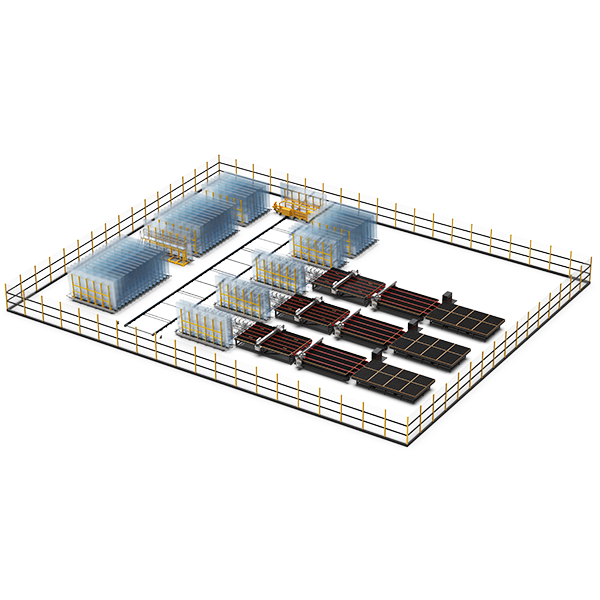
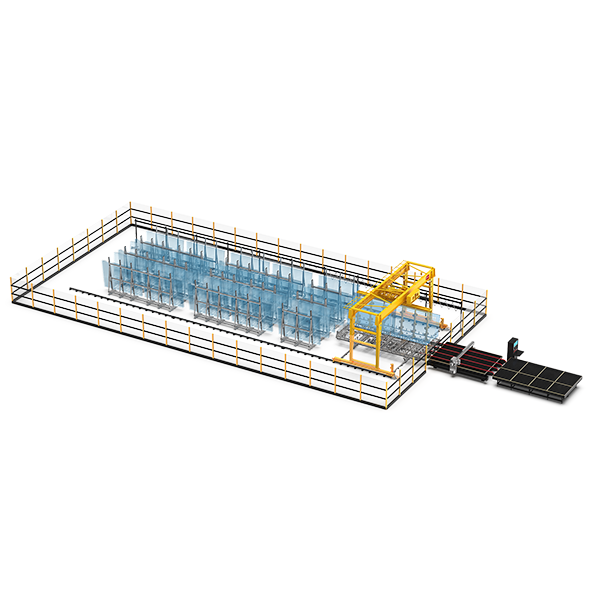
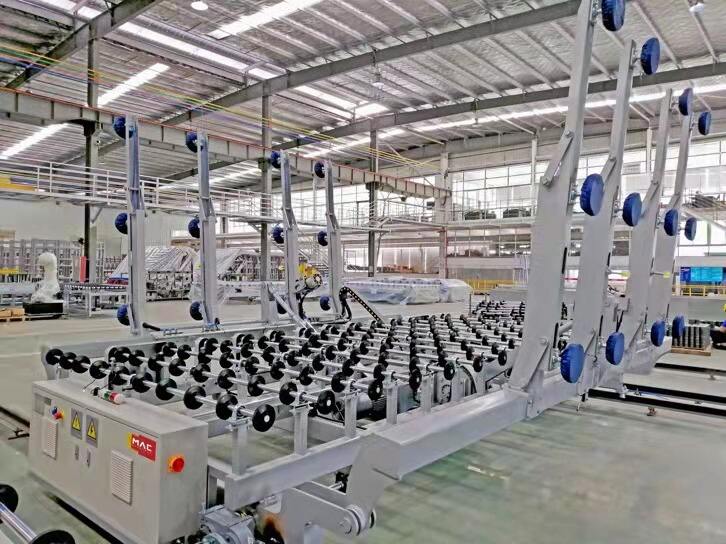
Safety considerations in glass cutter equipment design have evolved dramatically to protect operators from the inherent hazards of glass processing. Working with glass presents numerous risks, from sharp edges capable of causing deep lacerations to the physical strain of manipulating heavy sheets. Modern glass cutter equipment addresses these concerns through comprehensive safety features that create a protected working environment. Automated loading systems eliminate the need for operators to manually position large glass sheets, removing the risk of back injuries and crushed fingers that occur when handling unwieldy panels. These systems use vacuum lifters or roller conveyors to move glass from storage positions to the cutting table, keeping workers at a safe distance from potential pinch points and sharp edges. During the cutting process itself, glass cutter equipment incorporates protective barriers and safety interlocks that prevent operator contact with moving components. Emergency stop buttons remain easily accessible from multiple positions around the machine, allowing immediate shutdown if any unsafe condition develops. The cutting heads on quality glass cutter equipment feature protective shrouds that contain any glass chips or fragments generated during scoring, preventing these projectiles from striking nearby workers. Advanced models include dust extraction systems that capture glass particles before they become airborne, protecting respiratory health and maintaining clear visibility in the work area. The ergonomic design of modern glass cutter equipment reduces physical strain by positioning controls at comfortable heights and angles, minimizing the repetitive reaching and bending that lead to musculoskeletal disorders. Operators can remain in neutral postures throughout most of the work cycle, reducing fatigue and the risk of chronic injuries. Safety features extend to the software controlling glass cutter equipment, with collision avoidance algorithms that prevent the cutting head from striking fixtures or moving beyond safe limits. These systems monitor equipment status continuously, shutting down operations automatically if sensors detect unusual vibrations, excessive temperatures, or other indicators of potential mechanical failure. Training requirements decrease with safer glass cutter equipment, as the machine manages many of the risky steps that require extensive skill development in manual cutting. New employees can operate the equipment productively after basic instruction, while the machine prevents the types of errors that lead to injuries among inexperienced workers. The long-term cost savings from reduced workplace injuries extend beyond immediate medical expenses to include lower insurance premiums, decreased workers compensation claims, and improved employee morale. Creating a safer workplace through investment in modern glass cutter equipment also enhances your ability to attract and retain skilled workers who value employers that prioritize their wellbeing.
Versatile Material Handling Capabilities

Versatile Material Handling Capabilities

The versatility of contemporary glass cutter equipment enables businesses to handle an impressive range of materials and project requirements without investing in multiple specialized machines. This adaptability represents tremendous value for operations that serve diverse markets or wish to expand their service offerings. Glass cutter equipment designed with versatility in mind accommodates varying glass thicknesses, from delicate 2-millimeter sheets used in picture frames to robust 25-millimeter panels specified for architectural applications. The equipment achieves this range through adjustable cutting heads that modify pressure and scoring depth based on material properties, ensuring clean cuts regardless of glass thickness. Different glass compositions respond uniquely to cutting forces, and versatile glass cutter equipment compensates for these variations automatically. Standard float glass, low-iron glass, reflective coated glass, and even laminated safety glass all require slightly different approaches to achieve optimal results. Advanced glass cutter equipment includes material libraries in its control software, storing parameters for common glass types so operators simply select the appropriate material profile rather than manually determining optimal settings. This intelligence built into the equipment reduces the learning curve for processing unfamiliar materials and ensures consistent results across different glass varieties. The physical dimensions of glass cutter equipment determine the maximum panel size the machine can process, and many manufacturers offer models in various sizes to match different production needs. Compact units suitable for small workshops can handle sheets up to 1.5 meters square, while industrial glass cutter equipment accommodates panels exceeding 3 meters in length, serving applications from custom residential work to commercial curtain wall fabrication. Beyond basic straight and curved cuts, versatile glass cutter equipment performs specialized operations including drilling, edge grinding, and shape cutting. This multi-functionality eliminates the need to transfer glass between different machines for complete processing, reducing handling risks and streamlining workflow. Some glass cutter equipment models include automatic tool changers that swap cutting wheels, drill bits, or grinding heads as needed, executing complete processing sequences without operator intervention. The ability to process both rectangular panels and irregular shapes expands the creative possibilities for designers and artists while allowing fabricators to serve specialized markets. Glass cutter equipment with rotary axes can produce circular cuts, ovals, and complex curved profiles that open opportunities in furniture design, decorative applications, and specialty architectural features. Integration capabilities represent another dimension of versatility, as modern glass cutter equipment connects with upstream design software and downstream production systems. CAD files translate directly into cutting instructions, eliminating transcription errors and accelerating the path from concept to finished product. This digital workflow integration proves particularly valuable for custom work where each piece differs from the last, as the glass cutter equipment adapts seamlessly to changing specifications without time-consuming manual reprogramming.