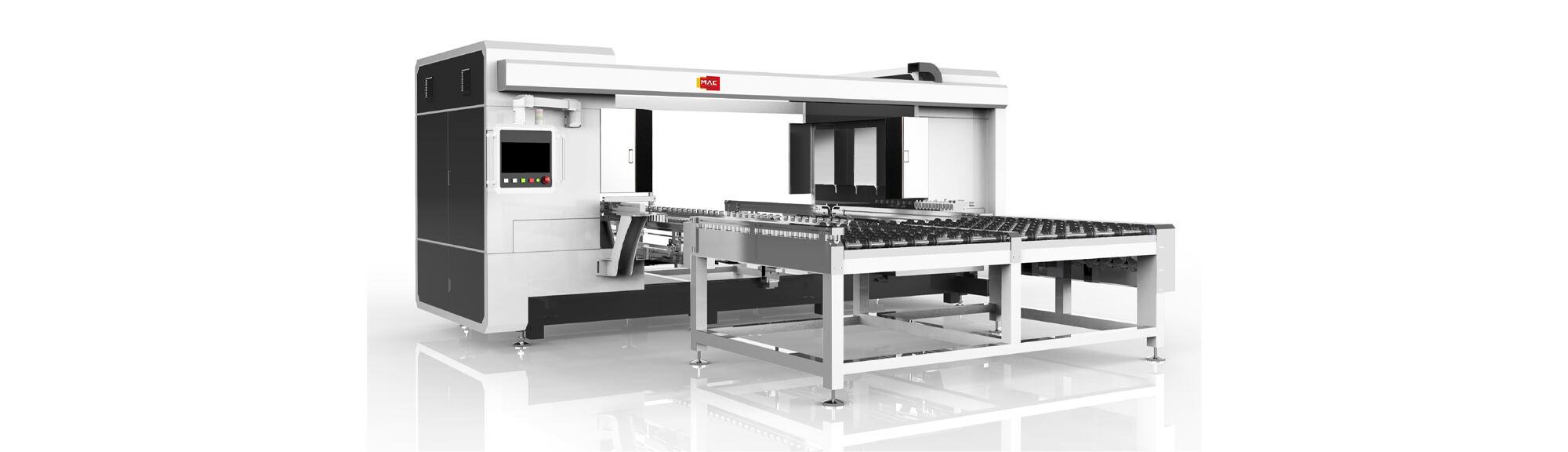
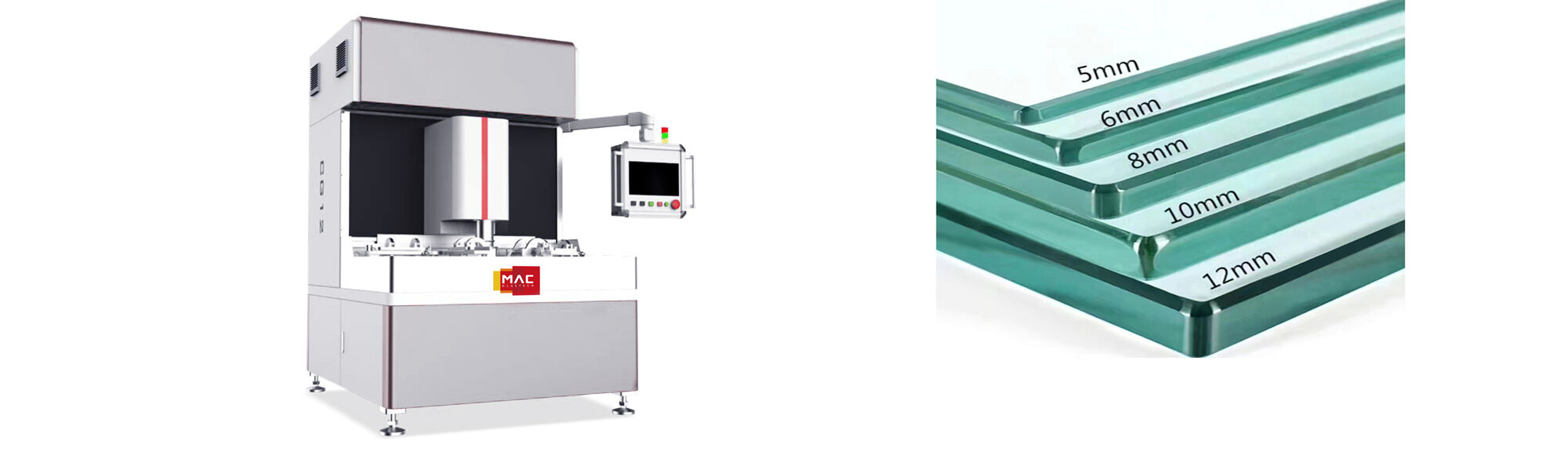
CNC Tool Grinding Machine: Precision Resharpening Solutions for Manufacturing Excellence

All Categories

Get a Free Quote

Our representative will contact you soon.
Email
Name
Company Name
Message
0/1000

cnc tool grinding machine

A CNC tool grinding machine represents a sophisticated manufacturing solution designed to sharpen, reshape, and recondition cutting tools with exceptional precision. This advanced equipment utilizes computer numerical control technology to automate the grinding process, ensuring consistent results across multiple tool types. The primary functions of a CNC tool grinding machine include resharpening drill bits, end mills, reamers, taps, and various other cutting instruments used in metalworking operations. By employing multi-axis movement capabilities, these machines can create complex geometries and cutting edges that would be impossible to achieve through manual grinding methods. The technological features integrated into modern CNC tool grinding machines encompass touch-screen interfaces, automated tool measurement systems, and sophisticated software that calculates optimal grinding parameters. These machines typically feature rigid construction with precision linear guides, high-speed spindles, and diamond or CBN grinding wheels that maintain their shape throughout extended production runs. The grinding process can be programmed to accommodate different tool materials, including high-speed steel, carbide, and ceramic composites. Application areas for CNC tool grinding machines span across automotive manufacturing, aerospace component production, medical device fabrication, and general precision machining shops. These machines prove invaluable in environments where tool performance directly impacts product quality and production efficiency. Manufacturing facilities rely on CNC tool grinding machines to extend tool life, reduce tooling costs, and maintain consistent machining quality. The ability to reproduce exact tool geometries ensures that replacement tools perform identically to their predecessors, eliminating variables in production processes. Additionally, these machines support small-batch custom tool production, enabling manufacturers to create specialized cutting tools tailored to unique application requirements without outsourcing to external tool manufacturers.

Popular Products

Investing in a CNC tool grinding machine delivers substantial cost savings by extending the usable life of expensive cutting tools. Instead of discarding worn drill bits or end mills, manufacturers can restore them to like-new condition at a fraction of replacement cost. This reconditioning capability reduces tooling expenses by up to seventy percent in high-volume production settings. The machine operates with minimal supervision, freeing skilled workers to focus on value-added activities rather than spending hours manually sharpening tools. Consistency stands as another major benefit, as the CNC tool grinding machine produces identical results every time a program runs. This repeatability eliminates the variation inherent in manual grinding, where operator skill and fatigue influence final tool geometry. Quality control becomes simpler when every reconditioned tool meets exact specifications without deviation. Production efficiency improves dramatically because these machines work faster than manual methods while maintaining superior accuracy. A task that might require thirty minutes of manual effort can be completed in five minutes with automated grinding. The time savings multiply across dozens or hundreds of tools requiring regular maintenance. Flexibility represents a key advantage, as a single CNC tool grinding machine can handle numerous tool types and sizes through simple program changes. Manufacturers avoid investing in multiple dedicated grinding machines for different tool categories. The programming capability allows quick adaptation to new tool designs or modified geometries as production requirements evolve. Safety improvements occur naturally because operators work at a control panel rather than standing directly at grinding wheels. The enclosed grinding area contains sparks and debris, creating a cleaner and safer working environment. Automated processes reduce the risk of repetitive strain injuries associated with manual grinding operations. Furthermore, these machines enhance competitive positioning by enabling faster response to customer demands. When tools can be reconditioned in-house within hours rather than days required for external regrinding services, production schedules remain stable and delivery commitments are met consistently. The ability to produce custom tool geometries internally provides manufacturers with proprietary advantages in specialized applications. Employee satisfaction typically increases when workers transition from tedious manual grinding to operating advanced computer-controlled equipment, contributing to better retention of skilled personnel.

Practical Tips

What Are the Benefits of Using an Automated Glass Sorting System?

24

Sep

What Are the Benefits of Using an Automated Glass Sorting System?

Revolutionizing Glass Recycling Through Advanced Automation The glass recycling industry is undergoing a remarkable transformation with the integration of automated glass sorting systems. These sophisticated technologies are reshaping how recycling f...
View More
What Are the Future Trends in Intelligent Glass Sorting Systems?

24

Sep

What Are the Future Trends in Intelligent Glass Sorting Systems?

The Evolution of Advanced Glass Sorting Technology The landscape of glass recycling and processing is undergoing a remarkable transformation through intelligent glass sorting systems. These sophisticated technologies are revolutionizing how we handle...
View More
What Factors Should You Consider When Choosing Automotive Glass Processing Methods?

28

Oct

What Factors Should You Consider When Choosing Automotive Glass Processing Methods?

The Complete Guide to Modern Automotive Glass Manufacturing The automotive glass processing industry has undergone significant transformation in recent years, driven by technological advancements and evolving vehicle design requirements. As manufactu...
View More
How to Troubleshoot Common Issues in Double Edgers?

24

Nov

How to Troubleshoot Common Issues in Double Edgers?

Double edgers are essential machinery in glass processing facilities, responsible for delivering precise edge grinding and polishing operations. These sophisticated machines can encounter various operational challenges that impact productivity and pr...
View More

Get a Free Quote

Our representative will contact you soon.
Email
Name
Company Name
Message
0/1000

cnc tool grinding machine

Precision Multi-Axis Control for Complex Tool Geometries

Precision Multi-Axis Control for Complex Tool Geometries

The CNC tool grinding machine excels through its advanced multi-axis control system that enables the creation of intricate cutting tool geometries with micron-level accuracy. Unlike conventional grinding equipment limited to basic profiles, modern CNC tool grinding machines incorporate five or six axes of simultaneous movement, allowing the grinding wheel to approach the workpiece from virtually any angle. This capability proves essential when manufacturing or reconditioning tools with complex flute designs, variable helix angles, or specialized relief geometries required for demanding machining applications. The precision linear scales and rotary encoders integrated throughout the machine structure continuously monitor position, automatically compensating for thermal expansion and mechanical wear that would otherwise compromise accuracy. Operators program the desired tool profile using intuitive graphical interfaces that display three-dimensional representations of the grinding process, enabling visualization of the final result before the first grinding pass begins. The software automatically calculates optimal feed rates, grinding wheel approach angles, and depth of cut parameters based on tool material, diameter, and desired surface finish. This intelligent automation removes guesswork and prevents costly errors that might ruin expensive tool blanks or partially worn tools awaiting reconditioning. The multi-axis configuration permits grinding of primary cutting edges, secondary clearance angles, and chip-breaking features in a single setup, eliminating the time-consuming repositioning required with simpler machines. Consistency across production batches becomes achievable because the CNC tool grinding machine executes identical motion sequences regardless of operator experience level or ambient conditions. Quality assurance personnel can verify that reconditioned tools meet specifications by comparing actual measurements against programmed values, establishing clear documentation for critical applications in regulated industries. The precision capabilities extend to coating preparation, as the CNC tool grinding machine can create surface textures optimized for subsequent PVD or CVD coating adhesion, enhancing tool performance beyond what standard grinding achieves.
Automated Tool Measurement and Adaptive Grinding Technology

Automated Tool Measurement and Adaptive Grinding Technology

Modern CNC tool grinding machines incorporate integrated measurement systems that automatically inspect tool dimensions before, during, and after the grinding process, ensuring perfect results without manual intervention. These measurement probes employ laser scanning, touch-trigger sensors, or optical systems to capture complete tool geometry in seconds, comparing actual dimensions against programmed specifications with resolution measured in micrometers. The adaptive grinding technology represents a breakthrough that distinguishes advanced CNC tool grinding machines from earlier generations of equipment. When the measurement system detects variations in tool blank diameter, material hardness, or existing wear patterns, the control software automatically adjusts grinding parameters to compensate for these differences. This adaptation occurs in real-time, modifying wheel depth of cut, feed rates, and dwell times to achieve the target geometry regardless of starting condition variability. The practical benefit for manufacturers involves dramatically reduced scrap rates and elimination of the trial-and-error approach common with manual grinding operations. Operators no longer need to grind a test tool, measure results, adjust machine settings, and repeat until achieving acceptable outcomes. Instead, the CNC tool grinding machine delivers correct results on the first attempt, saving time and preserving valuable tool inventory. The automated measurement capability extends to quality documentation, as the machine generates detailed inspection reports showing actual dimensions compared to specifications for every tool processed. These reports satisfy quality management system requirements and provide traceability for critical applications in aerospace, medical, or automotive sectors where tool performance directly impacts safety. The measurement system also monitors grinding wheel condition, alerting operators when wheel dressing becomes necessary or when wheel diameter decreases below minimum specifications. This predictive maintenance capability prevents quality degradation and reduces the risk of producing out-of-specification tools due to worn grinding wheels. Furthermore, the measurement data accumulates in databases that reveal trends in tool wear patterns, enabling manufacturers to optimize cutting parameters in their machining operations based on empirical evidence rather than theoretical assumptions.
Versatile Tool Capacity and Quick-Change Workholding Systems

Versatile Tool Capacity and Quick-Change Workholding Systems

The CNC tool grinding machine distinguishes itself through exceptional versatility, accommodating an extensive range of tool types, sizes, and configurations within a single platform. This flexibility eliminates the need for multiple specialized grinding machines, reducing capital investment and floor space requirements while simplifying operator training. The machine handles tools ranging from miniature micro-drills measuring less than one millimeter in diameter to substantial end mills exceeding fifty millimeters, adapting automatically to different tool dimensions through programmable parameters. Quick-change workholding systems enable rapid transitions between tool types, with magnetic chucks, collet holders, and specialized fixtures that mount and release within seconds. Operators switch from grinding twist drills to resharpening ball-nose end mills without extensive setup procedures or mechanical adjustments, maximizing productive grinding time while minimizing changeover delays. The workholding systems maintain exceptional concentricity, ensuring that tool rotation during grinding occurs precisely about the intended axis regardless of tool diameter or length variations. This accuracy proves critical when grinding tools with multiple flutes or cutting edges that must exhibit perfect symmetry for balanced cutting forces. The CNC tool grinding machine accommodates not only standard tool geometries but also custom profiles designed for specialized applications. Manufacturers producing unique components often require cutting tools with proprietary geometries unavailable from standard tool suppliers. The programming flexibility inherent in CNC tool grinding machines enables creation of these custom tools in-house, protecting intellectual property while accelerating new product development cycles. Tool libraries stored in machine memory contain hundreds of predefined programs for common tool types, allowing operators to select appropriate grinding cycles through simple menu navigation. These libraries can be expanded indefinitely as new tool requirements emerge, building institutional knowledge within the manufacturing organization. The versatility extends to material compatibility, as the CNC tool grinding machine grinds high-speed steel, cobalt alloys, solid carbide, cermet, and polycrystalline diamond tools using appropriate grinding wheel specifications. Automatic wheel changing systems available on premium models further enhance versatility by allowing the machine to switch between diamond and CBN wheels based on tool material being processed, optimizing grinding efficiency and surface finish quality without operator intervention.