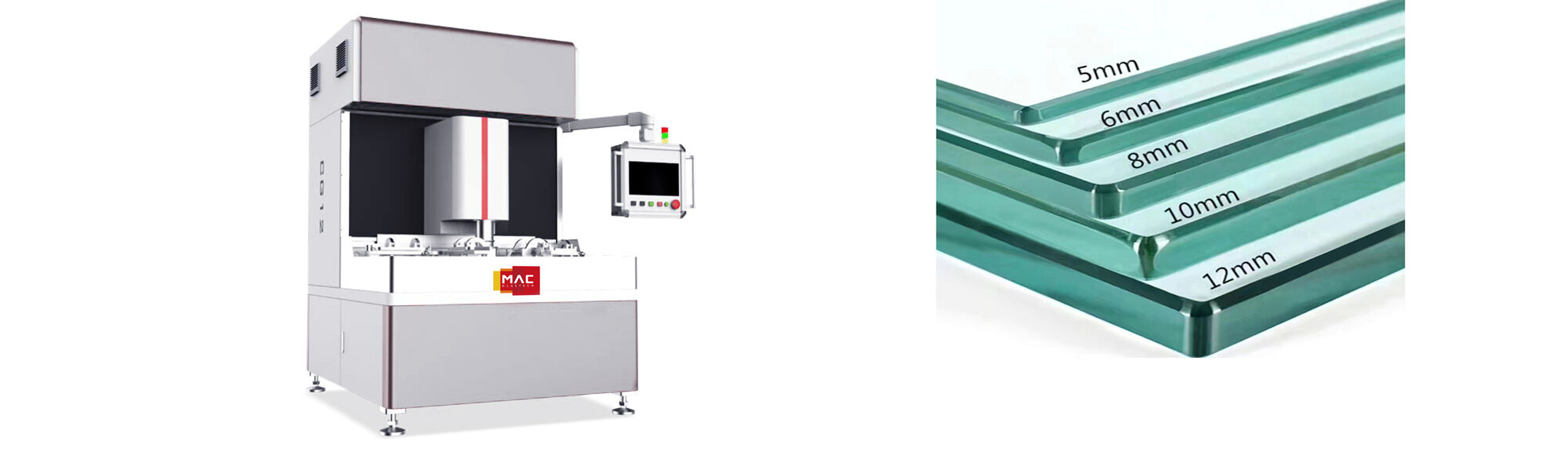
Efficient Water Cooling and Waste Management System for Optimal Performance
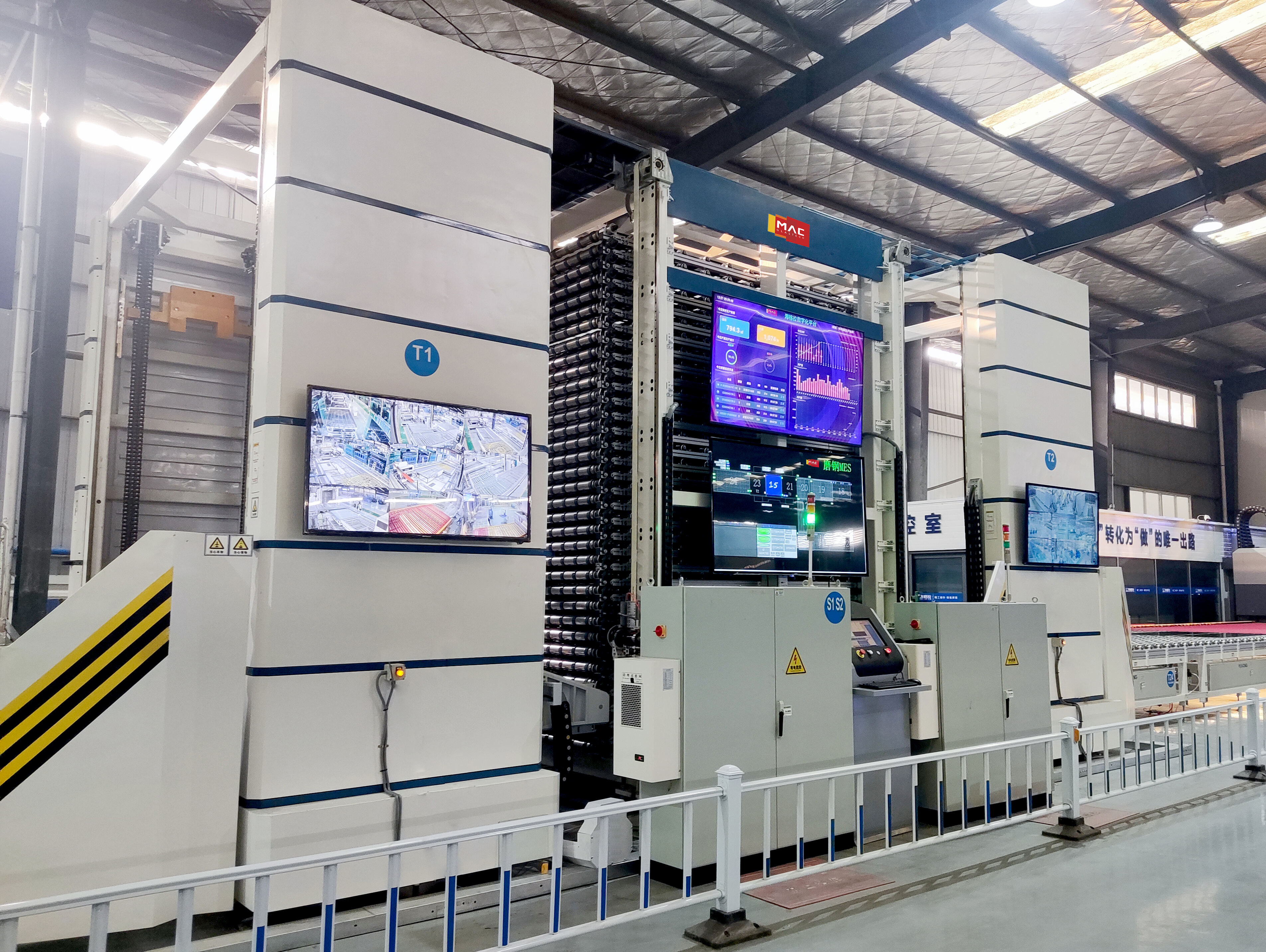
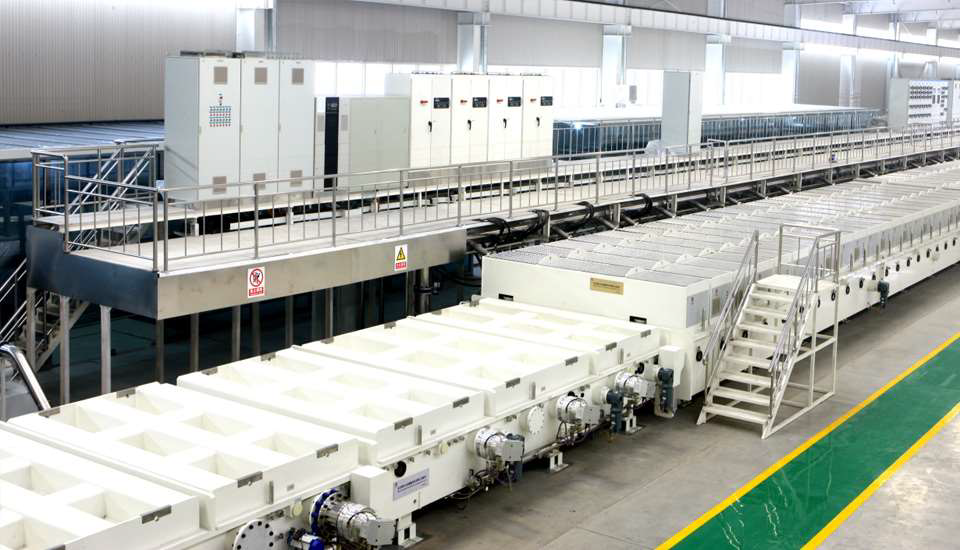
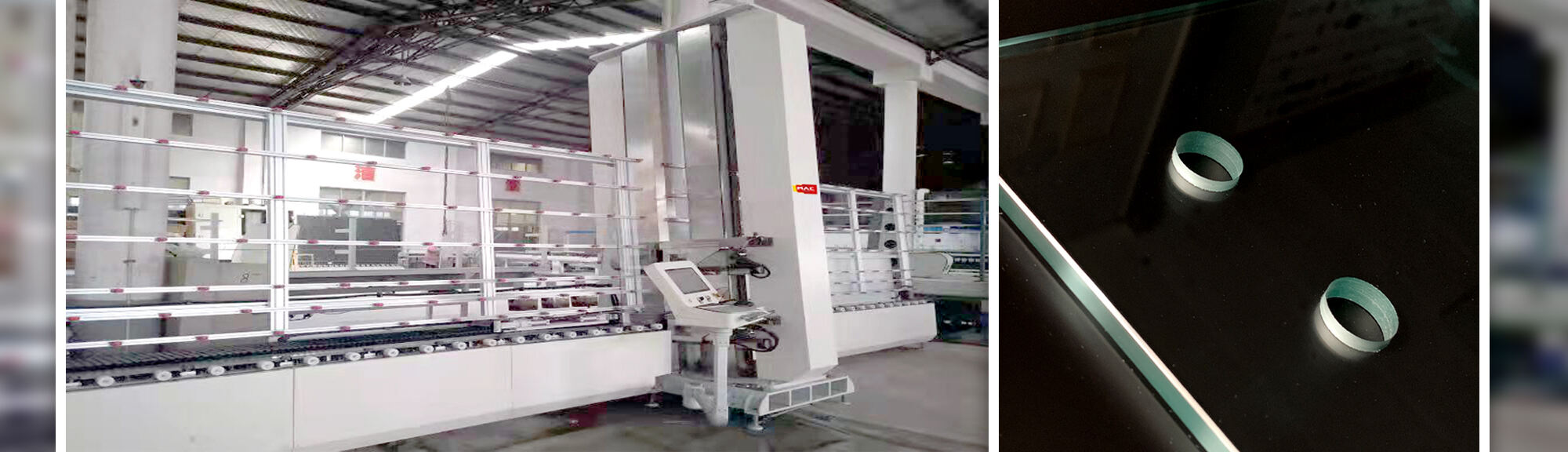
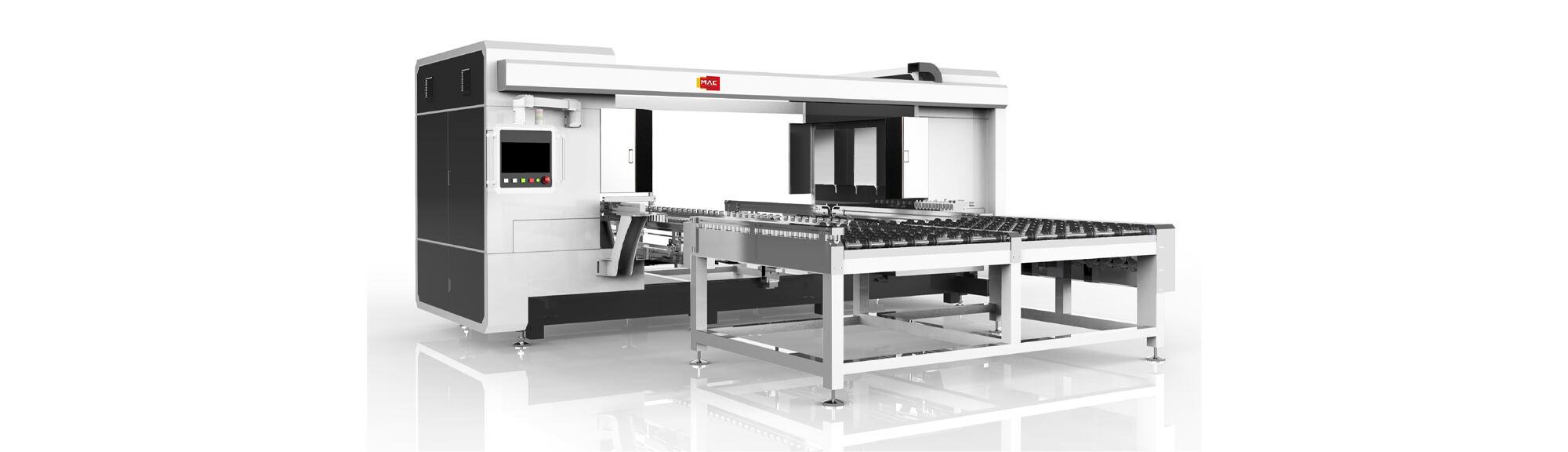
The efficient water cooling and waste management system engineered into professional glass edge grinder equipment constitutes a critical feature that directly impacts grinding performance, edge quality, equipment longevity, and workplace safety. This comprehensive system addresses multiple operational challenges simultaneously through intelligent design that integrates cooling, lubrication, cleaning, and waste removal functions into a cohesive solution. The primary cooling function serves essential purposes during glass edge grinding operations where friction between rotating abrasive wheels and glass surfaces generates substantial heat that, if uncontrolled, causes thermal stress leading to micro-cracks, edge chips, and catastrophic glass fracture. The water cooling system in a quality glass edge grinder continuously delivers precisely metered water flow directly to the grinding interface, absorbing and dissipating frictional heat before temperatures reach levels that compromise glass integrity. This constant cooling maintains glass surfaces within safe temperature ranges, typically below 60 degrees Celsius, preventing the thermal shock conditions that cause breakage and ensuring consistent material properties throughout the grinding process. Beyond temperature control, the water flow serves crucial lubrication functions that reduce friction coefficients between abrasive particles and glass surfaces, resulting in smoother cutting action, reduced grinding wheel wear, and superior surface finishes. The lubrication effect enables glass edge grinder operators to achieve finer surface textures with given abrasive grits compared to dry grinding methods, effectively extending the capability range of each grinding station. The cleaning function performed by flowing water continuously flushes away glass particles, abrasive debris, and grinding swarf from the work zone, preventing particle accumulation that scratches surfaces, clogs abrasive structures, and degrades grinding efficiency. This constant flushing action maintains optimal cutting conditions throughout extended production runs, ensuring consistent edge quality from the first piece to the last piece in high-volume manufacturing scenarios. Professional glass edge grinder systems incorporate closed-loop water recirculation designs that collect, filter, and reuse coolant water, dramatically reducing water consumption compared to once-through systems while simultaneously addressing environmental concerns and utility costs. The filtration components within these recirculation systems employ multiple stages including settlement tanks, screen filters, and sometimes magnetic separators that remove glass particles and contaminants, returning clean water to the grinding stations. This filtered water prevents abrasive particle contamination that accelerates wheel wear and degrades grinding performance. The waste management aspect encompasses collection systems that capture glass slurry, consisting of water and ground glass particles, directing it to designated collection points where solid waste settles for proper disposal according to environmental regulations. Effective waste management prevents workplace hazards associated with slippery floors, equipment contamination, and environmental violations that could result in regulatory penalties and operational shutdowns.
 EN
EN
 AR
AR
 BG
BG
 HR
HR
 CS
CS
 DA
DA
 NL
NL
 FI
FI
 FR
FR
 DE
DE
 EL
EL
 HI
HI
 IT
IT
 JA
JA
 KO
KO
 PL
PL
 PT
PT
 RO
RO
 RU
RU
 ES
ES
 SV
SV
 TL
TL
 IW
IW
 LV
LV
 LT
LT
 SK
SK
 SL
SL
 UK
UK
 VI
VI
 ET
ET
 HU
HU
 MT
MT
 TH
TH
 TR
TR
 FA
FA
 MS
MS
 SW
SW
 GA
GA
 AZ
AZ