Professional Glass Buffing Machine - Superior Surface Restoration Equipment for Multiple Industries

All Categories

Get a Free Quote

Our representative will contact you soon.
Email
Name
Company Name
Message
0/1000

glass buffing machine

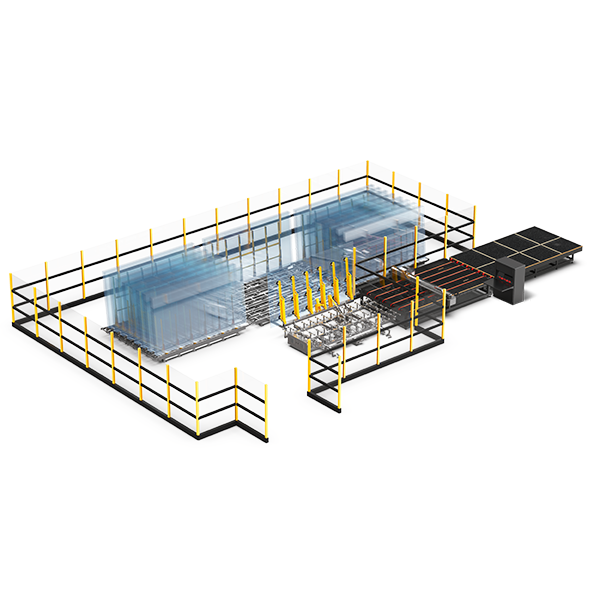
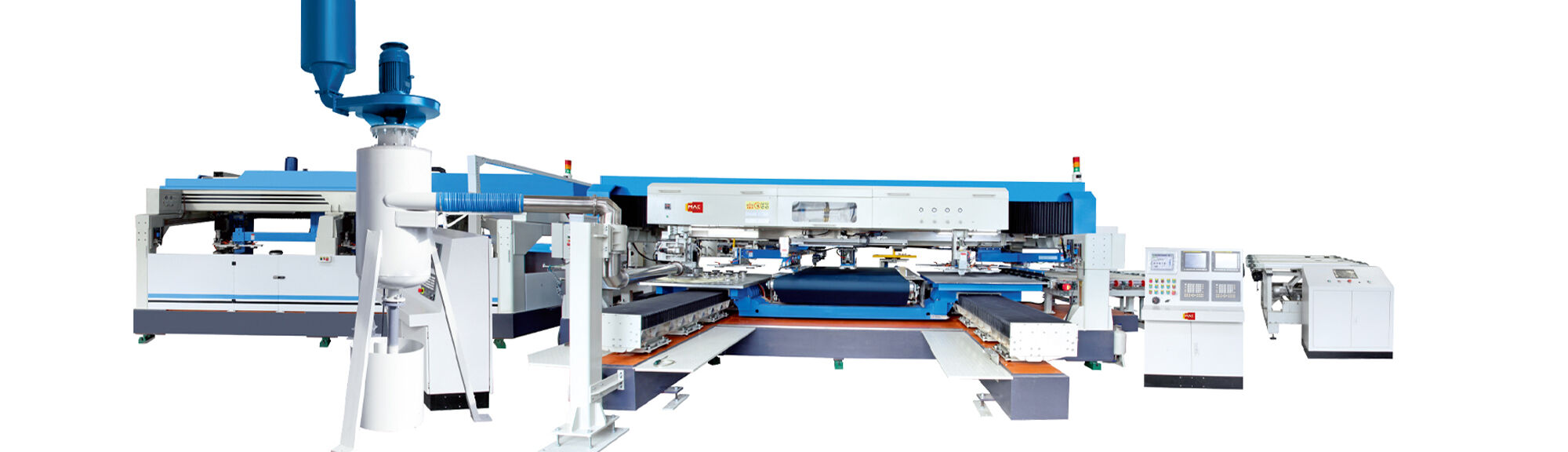
A glass buffing machine represents an essential piece of equipment in modern glass processing facilities, designed to restore clarity and smoothness to glass surfaces through precision polishing techniques. This specialized machinery eliminates surface imperfections such as scratches, watermarks, stains, and minor damage that can accumulate during manufacturing, transportation, or installation processes. The glass buffing machine operates through controlled abrasive action, utilizing rotating buffing pads or wheels combined with specialized polishing compounds to gradually refine the glass surface without compromising its structural integrity. These machines come in various configurations, from compact handheld models suitable for small-scale operations to fully automated industrial systems capable of processing large architectural glass panels. The core functionality revolves around removing microscopic layers of glass material in a controlled manner, effectively leveling surface irregularities and creating an optically clear finish. Modern glass buffing machines incorporate advanced motor systems that provide variable speed control, allowing operators to adjust rotation speeds according to the type of glass being processed and the severity of imperfections being addressed. The equipment typically features adjustable pressure mechanisms that ensure consistent contact between the buffing pad and glass surface, preventing uneven polishing results. Water cooling systems are integrated into most professional-grade glass buffing machines to dissipate heat generated during the friction process, preventing thermal stress that could cause glass cracking or distortion. The technological design emphasizes operator safety through protective guards, emergency stop functions, and ergonomic controls that reduce fatigue during extended operation periods. Applications span numerous industries including automotive glass restoration, architectural glazing maintenance, furniture manufacturing, electronics display production, and decorative glass fabrication, making the glass buffing machine an indispensable tool for businesses requiring pristine glass surfaces.

New Products

Investing in a glass buffing machine delivers substantial cost savings by eliminating the need to replace damaged glass panels entirely. Instead of discarding scratched or stained glass, businesses can restore surfaces to like-new condition at a fraction of replacement costs, significantly reducing material expenses and waste disposal fees. This equipment pays for itself quickly through retained inventory value and reduced procurement costs. The machine enhances productivity dramatically compared to manual polishing methods, completing surface restoration tasks in minutes rather than hours. Automated or semi-automated models allow operators to achieve consistent results across multiple pieces, maintaining quality standards without the variability associated with hand polishing techniques. The precision control offered by modern glass buffing machines ensures uniform surface finishes, eliminating the risk of creating new imperfections during the correction process. Operators can work confidently knowing the equipment delivers predictable outcomes every time. Environmental benefits accompany the use of a glass buffing machine since restoring existing glass reduces manufacturing demand for new materials. This sustainability aspect appeals to environmentally conscious customers and helps businesses meet green building certifications and corporate responsibility goals. The versatility of these machines accommodates various glass types including tempered, laminated, float glass, and specialty coated products, making them valuable across diverse applications. This adaptability means one piece of equipment serves multiple purposes within a facility, maximizing capital investment efficiency. Quality improvement extends beyond surface appearance as properly buffed glass enhances optical clarity, improving light transmission properties crucial for architectural applications and display technologies. Customers receive superior finished products that meet exacting visual standards. The competitive advantage gained through owning a glass buffing machine cannot be overstated, as businesses can offer repair and restoration services that competitors lacking this equipment cannot provide. This capability opens new revenue streams and strengthens customer relationships through comprehensive service offerings. Maintenance requirements remain minimal with proper care, as durable construction and simple mechanical designs ensure long operational lifespans with routine cleaning and occasional component replacement. Training staff to operate glass buffing machines proves straightforward, with most operators achieving proficiency within days rather than requiring extensive specialized education. This accessibility means businesses can quickly integrate the technology into existing workflows without prolonged disruption. The enhanced surface finish achieved through professional buffing improves adhesion properties for subsequent treatments such as coating applications, tinting, or bonding processes, making the glass buffing machine valuable in multi-stage production environments. Customer satisfaction increases measurably when businesses deliver flawless glass products free from visible defects, reducing return rates and warranty claims while building reputation for quality craftsmanship.

Latest News

How Do Glass Drilling Machines Achieve Precision and Accuracy?

28

Oct

How Do Glass Drilling Machines Achieve Precision and Accuracy?

The Engineering Marvel Behind Modern Glass Drilling Technology Glass drilling machines represent the pinnacle of precision engineering in today's manufacturing landscape. These sophisticated pieces of equipment combine advanced technology with mechan...
View More
How Do Glass Drilling Machines Handle Different Glass Thicknesses Safely?

28

Oct

How Do Glass Drilling Machines Handle Different Glass Thicknesses Safely?

Understanding Modern Glass Drilling Technology and Safety Mechanisms The world of glass fabrication has evolved significantly with the introduction of advanced glass drilling machines that can handle various glass thicknesses with remarkable precisio...
View More
What Factors Influence Compatibility With Different Glass Sheet Sizes?

19

Dec

What Factors Influence Compatibility With Different Glass Sheet Sizes?

Glass manufacturing and processing industries face critical decisions when selecting equipment that can accommodate varying sheet dimensions. Modern fabrication facilities require versatile solutions that maintain precision across different material ...
View More
How Can Grinding Machines Enhance Surface Finish and Dimensional Accuracy?

19

Dec

How Can Grinding Machines Enhance Surface Finish and Dimensional Accuracy?

Manufacturing precision has reached unprecedented levels in modern industrial applications, where surface finish quality and dimensional accuracy determine product performance and market competitiveness. Advanced grinding machines represent the corne...
View More

Get a Free Quote

Our representative will contact you soon.
Email
Name
Company Name
Message
0/1000

glass buffing machine

Advanced Surface Restoration Capability

Advanced Surface Restoration Capability

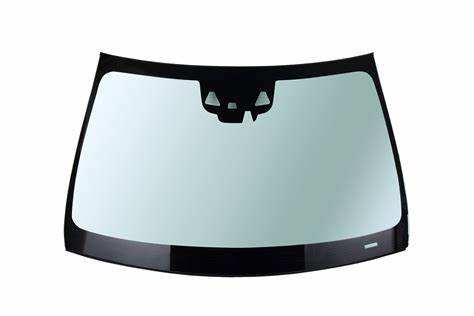
The glass buffing machine excels at transforming damaged or dull glass surfaces into pristine, optically clear finishes through its sophisticated surface restoration capabilities. This feature proves invaluable for businesses dealing with glass that has sustained scratches from cleaning equipment, abrasive contact, or environmental exposure during storage and handling. The machine systematically addresses surface imperfections by removing ultra-thin layers measured in microns, gradually smoothing irregularities until they become invisible to the naked eye. Unlike chemical treatments that merely mask defects temporarily, mechanical buffing performed by this equipment physically restructures the glass surface at a microscopic level, creating permanent improvements that withstand normal use and cleaning. The restoration process works equally well on shallow scratches that affect only the surface layer and deeper marks that extend further into the glass material, though depth limitations exist based on glass thickness and structural requirements. Operators can tackle watermark staining caused by mineral deposits, a common problem in regions with hard water where glass shower enclosures, windows, and automotive windshields develop cloudy appearances over time. The glass buffing machine removes these deposits completely rather than simply reducing their visibility, ensuring long-lasting clarity. Acid rain damage, industrial fallout, and concrete splatter that etches glass surfaces during construction projects can similarly be addressed through targeted buffing procedures. This restoration capability extends the functional lifespan of glass products significantly, allowing property owners to postpone expensive replacements while maintaining aesthetic appeal. For automotive glass technicians, the ability to remove wiper blade scratches from windshields provides a valuable service that improves driver visibility and safety without requiring full glass replacement. Architectural glass contractors benefit from offering post-construction cleaning services that eliminate construction debris damage, delivering pristine installations that showcase building designs properly. The economic value of this restoration capability multiplies when considering high-value specialty glass such as curved panels, custom tinting, or antique glass where replacement costs become prohibitive. Museums, historic preservation specialists, and antique dealers particularly value glass buffing machines for conserving irreplaceable glass artifacts and architectural elements. The precision achievable through modern buffing equipment means even delicate restoration work on thin glass or items with decorative elements can proceed safely with proper technique and equipment settings.
Operational Efficiency and Time Management

Operational Efficiency and Time Management

The operational efficiency delivered by a glass buffing machine revolutionizes workflow management in glass processing facilities by dramatically reducing the time required to achieve professional-quality surface finishes. Traditional manual polishing techniques demand extensive physical effort and prolonged working periods to produce results that often lack consistency across multiple pieces. In contrast, mechanized buffing completes identical tasks in a fraction of the time while delivering superior uniformity. A skilled operator using a glass buffing machine can process a standard automotive windshield for scratch removal in approximately fifteen to thirty minutes depending on damage severity, compared to several hours of manual effort with uncertain outcomes. This time compression allows businesses to increase throughput substantially, accepting more projects and serving additional customers without proportional increases in labor costs. The efficiency gains extend beyond raw processing speed to include setup and transition times between different glass pieces or project types. Modern glass buffing machines feature quick-change pad systems and intuitive controls that minimize downtime when switching between operations, keeping production lines moving smoothly. The consistency delivered by mechanical buffing eliminates the rework cycles common with manual methods where uneven pressure or technique variations necessitate repeated corrections. Operators achieve acceptable results on the first attempt with greater reliability, reducing wasted materials, consumables, and labor hours. For businesses operating on tight project schedules, the predictable processing times enabled by glass buffing machines facilitate accurate timeline commitments to customers, improving reputation for reliability and punctuality. The reduced physical demands on operators represent another efficiency dimension, as mechanized equipment handles the strenuous aspects of buffing work, allowing staff to maintain consistent productivity throughout full shifts without fatigue-related performance degradation. This ergonomic advantage translates to lower injury rates, reduced workers compensation costs, and improved employee satisfaction and retention. Multi-tasking becomes feasible in facilities with semi-automated or fully automated glass buffing machines, where operators can initiate buffing cycles and then attend to other production tasks while the equipment operates, effectively multiplying individual productivity. The cumulative efficiency improvements achievable through glass buffing machine adoption often enable businesses to delay or avoid hiring additional staff as order volumes grow, directly impacting profitability. Quality control processes accelerate since the consistent results from mechanical buffing require less inspection time and generate fewer rejections, streamlining overall production workflows from initial processing through final delivery.
Versatile Application Across Multiple Industries

Versatile Application Across Multiple Industries

The remarkable versatility of the glass buffing machine makes it an invaluable asset across numerous industries, each benefiting from the equipment's ability to restore and enhance glass surfaces for specific applications. In the automotive sector, professionals utilize glass buffing machines to remove scratches from windshields, side windows, and rear glass, addressing damage from defective wiper blades, improper cleaning techniques, or environmental factors. This capability allows auto detailing businesses and repair shops to offer comprehensive services that preserve vehicle value and enhance driver safety through improved visibility. Marine applications present similar opportunities where boat windshields and porthole glass suffer from saltwater exposure, sand abrasion, and harsh weather conditions that cause cloudiness and surface degradation. The glass buffing machine restores optical clarity essential for navigation safety while extending the service life of expensive marine glazing. Architectural glass contractors depend on these machines for post-installation cleaning that removes construction debris damage, cement splatter, and scratches from handling, ensuring building facades and interior glass partitions meet design specifications. Historical restoration projects particularly benefit from the gentle yet effective surface treatment capabilities, allowing preservation specialists to restore century-old windows and glass architectural elements without risking further damage to irreplaceable materials. The furniture manufacturing industry employs glass buffing machines during production of glass tabletops, cabinet doors, and display cases, ensuring products leave factories with flawless surfaces that showcase craftsmanship quality. Electronics manufacturers processing display glass for smartphones, tablets, televisions, and computer monitors require the precision finishing that buffing equipment provides to meet stringent optical quality standards. Shower door manufacturers and bathroom fixture companies utilize glass buffing machines to prepare surfaces for coating applications and to refurbish returned or slightly damaged inventory, reducing waste and improving profit margins. The jewelry and watchmaking industries benefit from smaller specialized glass buffing machines capable of polishing watch crystals and display case glass to museum-quality clarity. Scientific instrument manufacturers processing microscope slides, laboratory glassware, and optical components depend on buffing equipment to achieve the surface perfection required for accurate research results. Art glass studios and stained glass craftspeople use buffing machines to finish edges, remove grinding marks, and polish decorative pieces to exhibition standards. The solar energy sector increasingly employs glass buffing technology for maintaining and refurbishing photovoltaic panel covers, removing accumulated environmental contamination that reduces energy collection efficiency. This cross-industry applicability means businesses investing in glass buffing machines can potentially serve diverse client bases, creating multiple revenue streams from a single equipment purchase and maximizing return on investment through varied applications.