glass drilling machine price
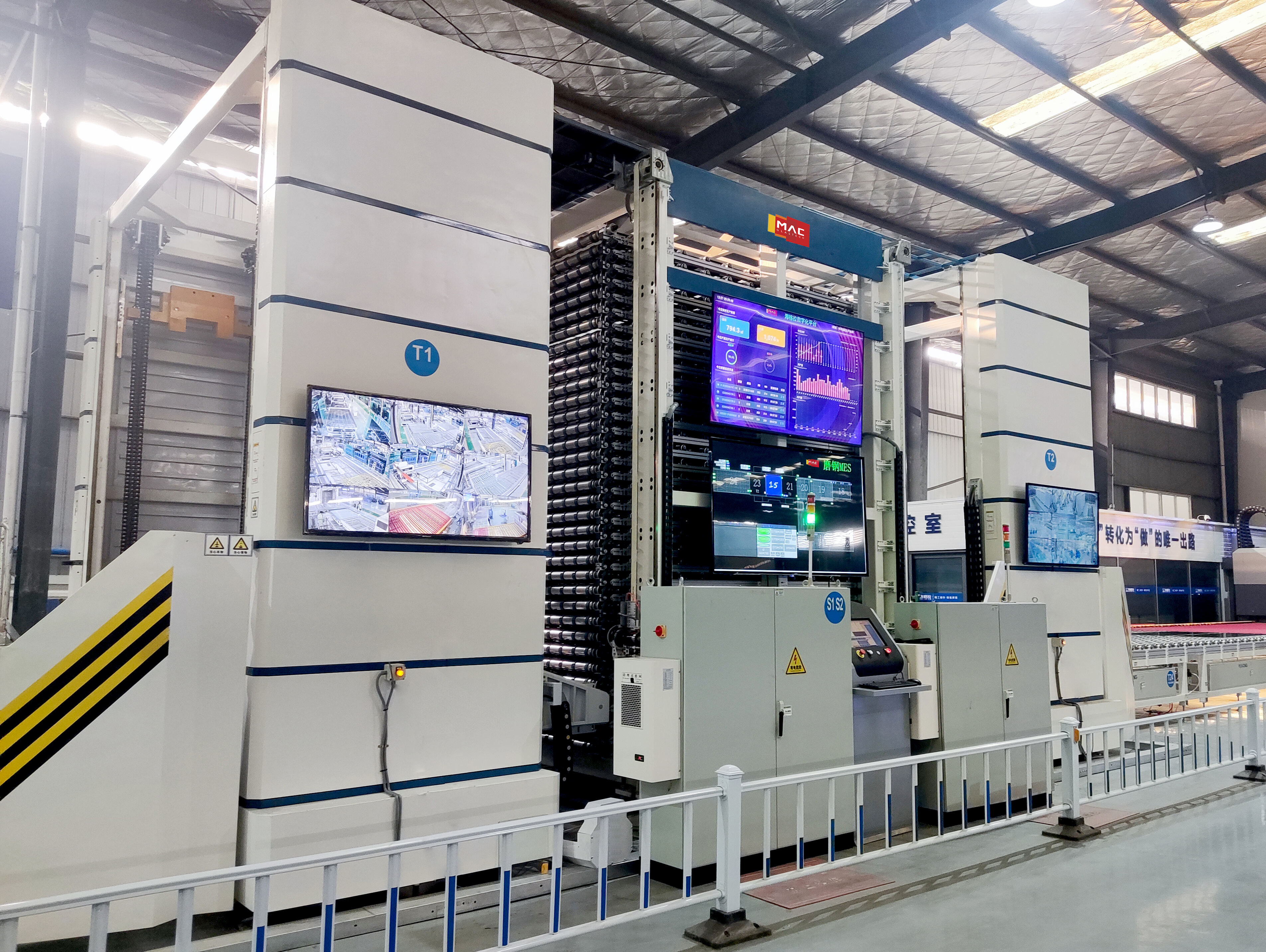
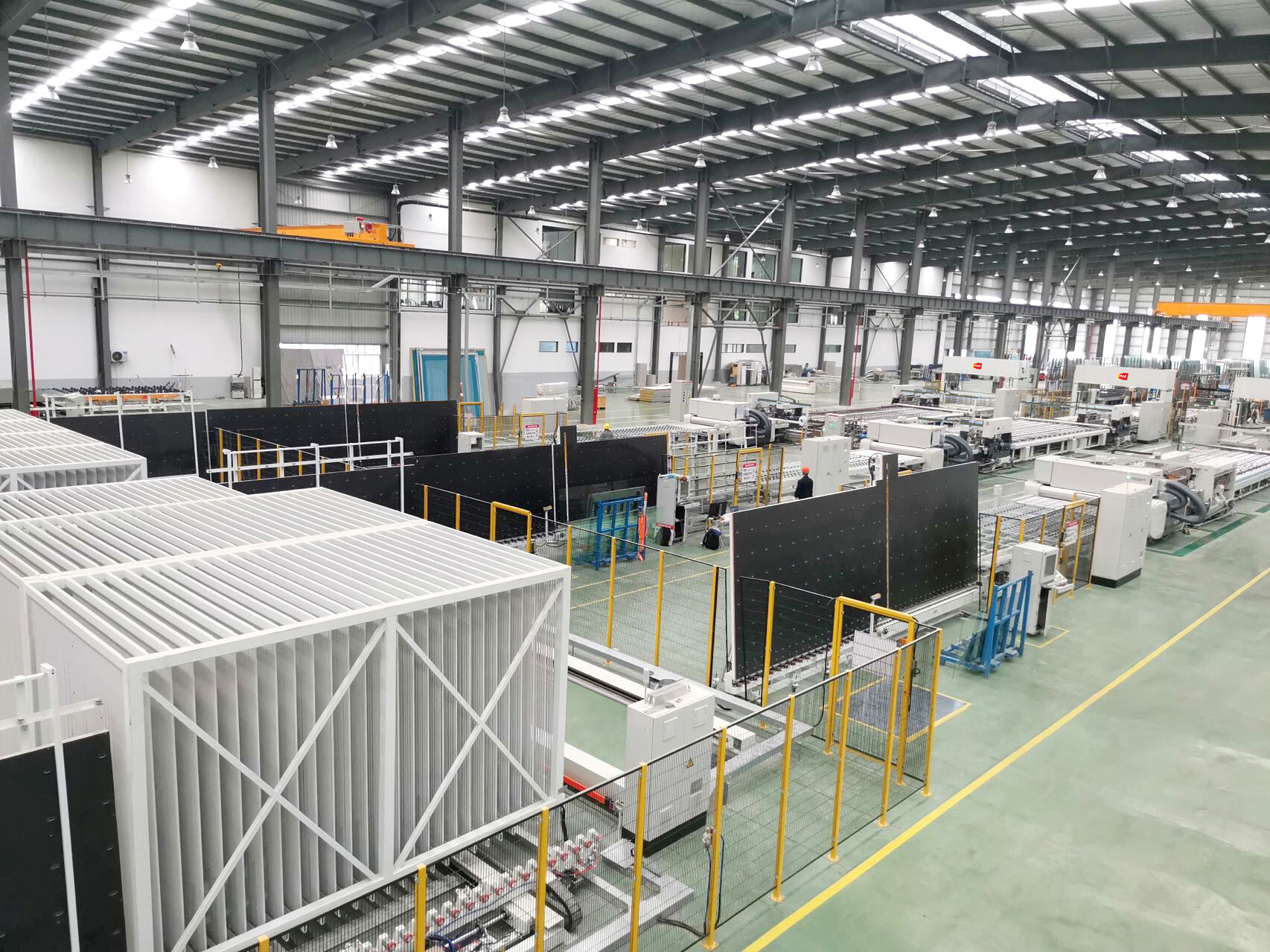
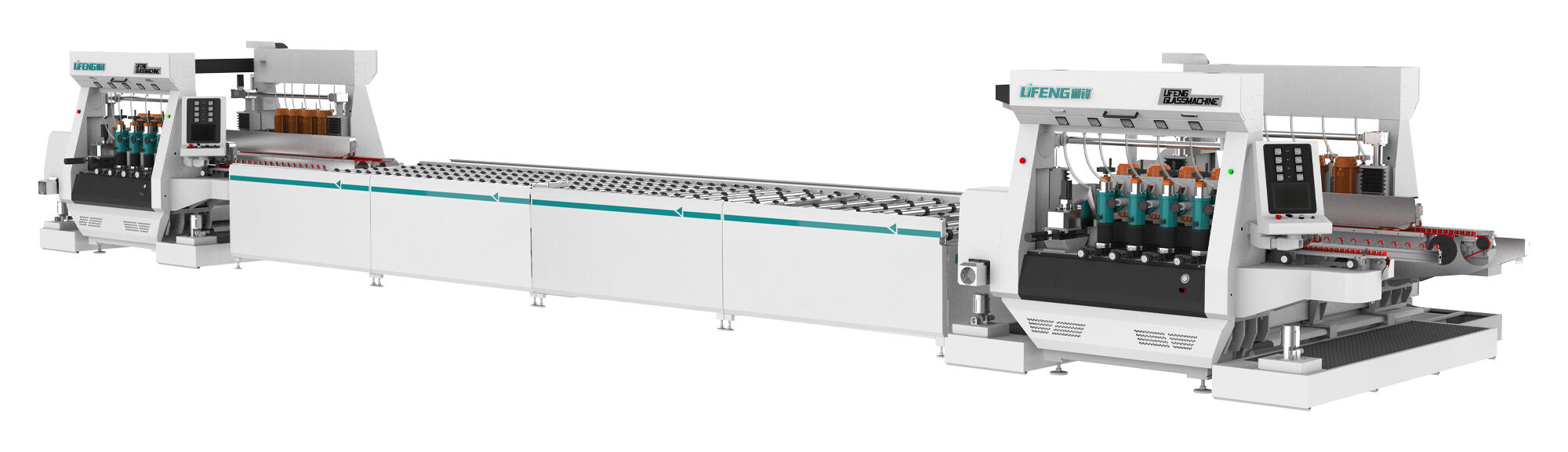
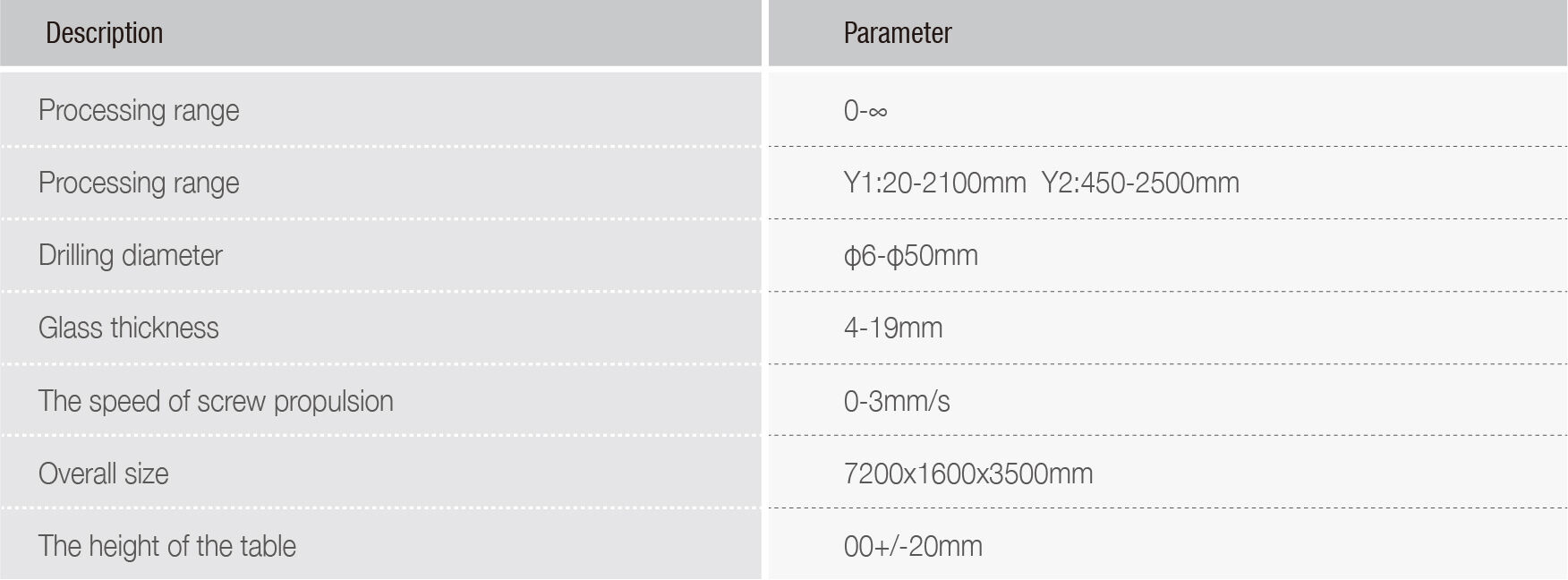
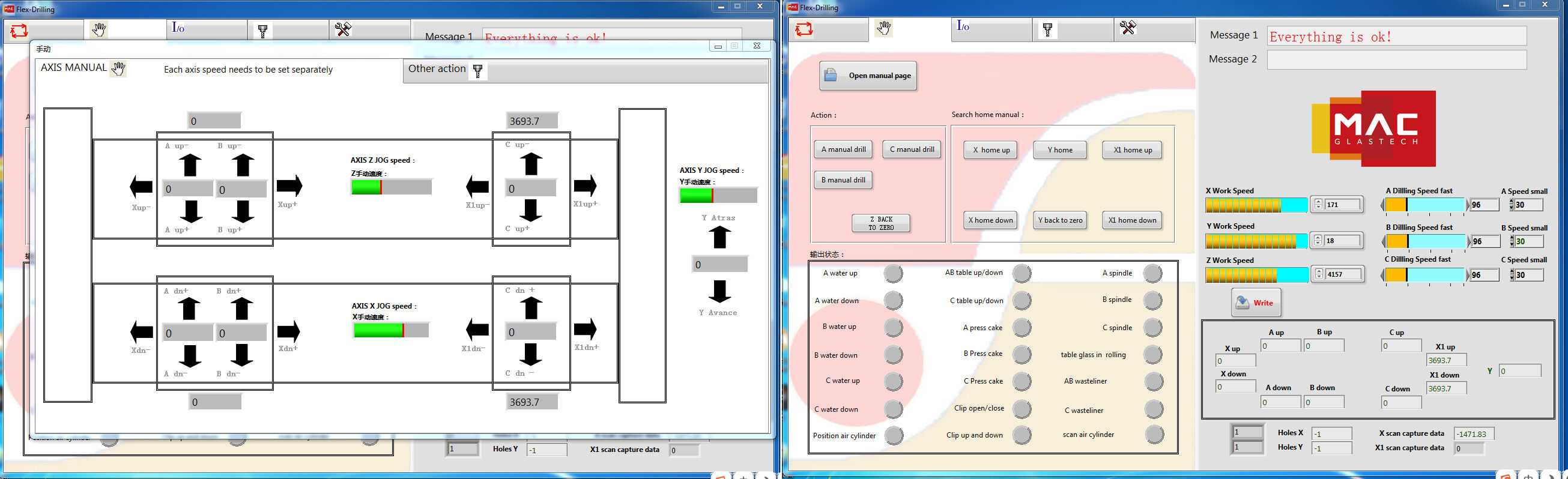
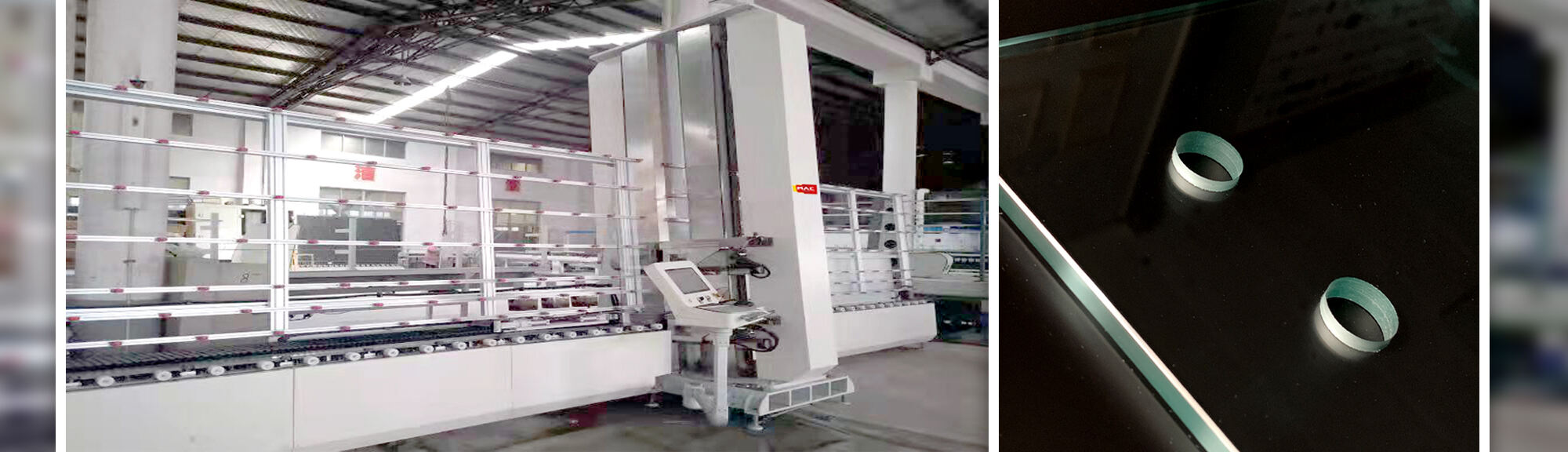
Understanding the glass drilling machine price involves examining multiple factors that influence the investment decision for businesses in glass processing, furniture manufacturing, construction, and decorative industries. The glass drilling machine price typically ranges from several hundred dollars for basic manual models to over fifty thousand dollars for fully automated CNC systems, depending on specifications, capabilities, and manufacturer reputation. These specialized machines are designed to create precise holes in various types of glass materials, including tempered glass, laminated glass, float glass, and decorative glass panels. The primary functions include drilling holes of different diameters, countersinking for hardware installation, edge grinding, and creating openings for fixtures, hinges, handles, and mounting systems. Modern glass drilling machines incorporate advanced technological features such as programmable logic controllers, servo motor systems, automatic tool changers, vacuum suction systems for material stability, and computerized positioning controls that ensure accuracy within 0.01mm tolerances. The glass drilling machine price reflects the inclusion of safety features like emergency stop mechanisms, protective enclosures, automatic lubrication systems, and anti-slip work surfaces. Applications span across architectural glass fabrication where holes are needed for curtain wall installations, shower door manufacturing requiring precise hardware mounting points, automotive glass processing for sensor and camera installations, furniture production incorporating glass shelves and tabletops, and electronics manufacturing needing specialized glass components. When evaluating the glass drilling machine price, buyers should consider operational efficiency gains, reduction in material waste, labor cost savings, production speed improvements, and the machine's capacity to handle various glass thicknesses from 3mm to 25mm or more. The pricing structure also accounts for after-sales service, warranty coverage, training provisions, spare parts availability, and technical support duration, all of which contribute to the total cost of ownership beyond the initial purchase consideration.
 EN
EN
 AR
AR
 BG
BG
 HR
HR
 CS
CS
 DA
DA
 NL
NL
 FI
FI
 FR
FR
 DE
DE
 EL
EL
 HI
HI
 IT
IT
 JA
JA
 KO
KO
 PL
PL
 PT
PT
 RO
RO
 RU
RU
 ES
ES
 SV
SV
 TL
TL
 IW
IW
 LV
LV
 LT
LT
 SK
SK
 SL
SL
 UK
UK
 VI
VI
 ET
ET
 HU
HU
 MT
MT
 TH
TH
 TR
TR
 FA
FA
 MS
MS
 SW
SW
 GA
GA
 AZ
AZ