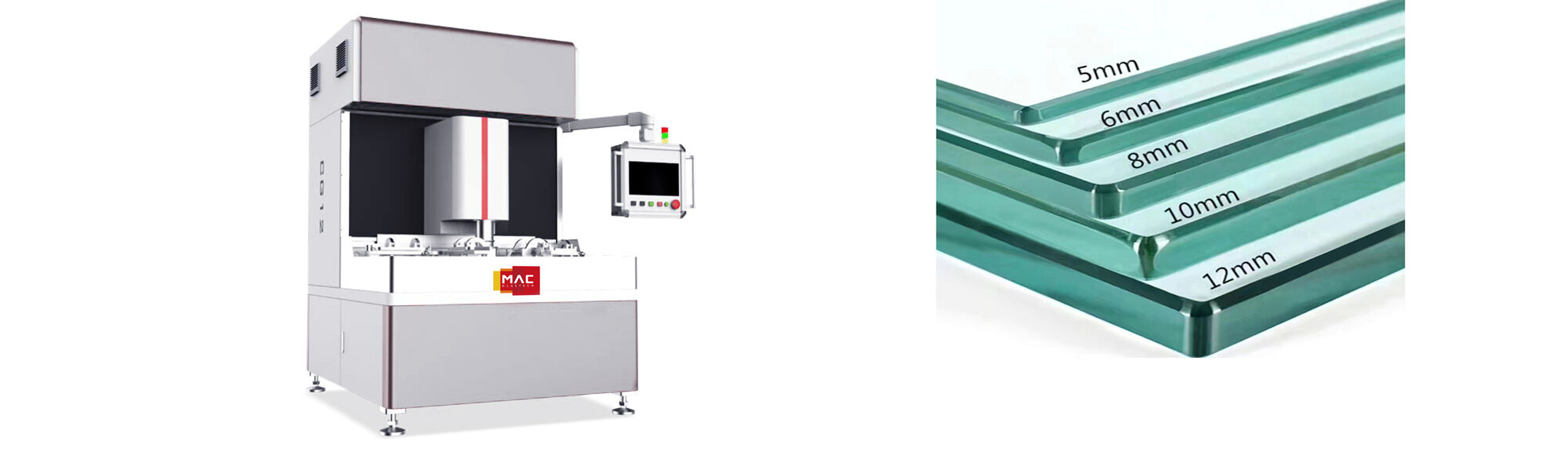
Professional Glass Grinding and Polishing Machine - Precision Edge Finishing Solutions

All Categories

Get a Free Quote

Our representative will contact you soon.
Email
Name
Company Name
Message
0/1000

glass grinding and polishing machine

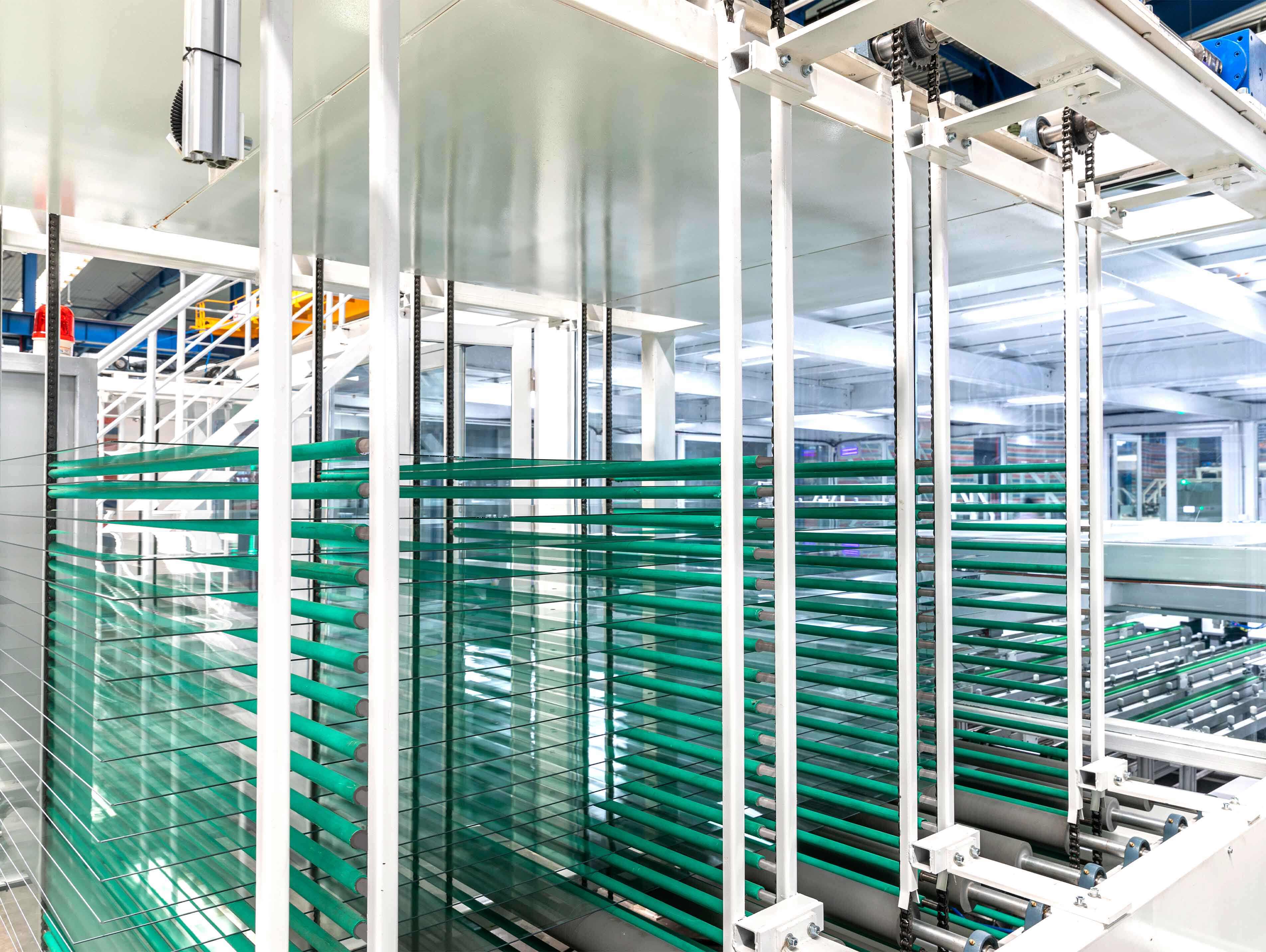
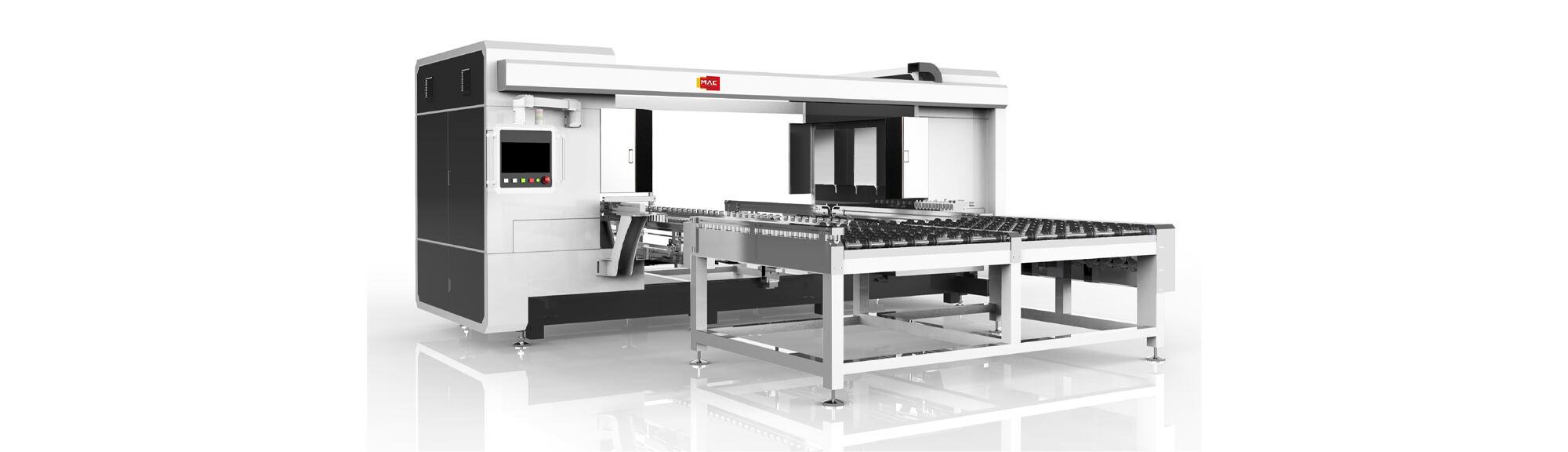
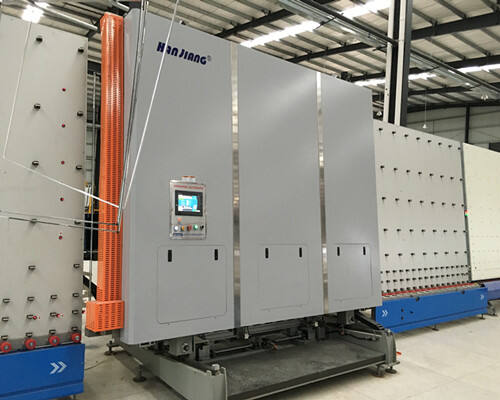
The glass grinding and polishing machine represents a sophisticated industrial equipment solution designed to transform raw glass edges and surfaces into smooth, refined finishes. This specialized machinery combines precision engineering with automated processes to deliver consistent results across various glass processing applications. At its core, the glass grinding and polishing machine utilizes rotating abrasive wheels and compounds to systematically remove imperfections, sharp edges, and surface irregularities from glass panels, mirrors, and architectural glass components. Modern iterations of this equipment integrate digital controls, variable speed settings, and programmable parameters that allow operators to customize grinding depths, polishing intensity, and processing speeds according to specific project requirements. The technological architecture of contemporary glass grinding and polishing machines incorporates water cooling systems that prevent thermal stress and cracking during processing, while simultaneously flushing away glass particles and maintaining optimal working conditions. These machines accommodate diverse glass thicknesses ranging from thin decorative pieces to heavy structural panels, making them indispensable in manufacturing environments. Primary functions extend beyond basic edge treatment to include beveling, straight-line edging, pencil edging, and surface polishing operations. The application spectrum encompasses residential window production, commercial building facades, automotive glass manufacturing, furniture components, decorative mirrors, and specialty glass products. Advanced models feature multiple grinding heads arranged in sequential stations, enabling complete edge processing in a single pass through the machine. Touch-screen interfaces simplify operation while providing real-time monitoring of processing parameters, maintenance schedules, and production metrics. Safety mechanisms including emergency stops, protective guards, and automatic shut-off systems ensure operator protection throughout the grinding and polishing cycle. The versatility of the glass grinding and polishing machine makes it equally suitable for high-volume production lines and smaller custom fabrication shops seeking professional-grade finish quality.

Popular Products

Investing in a quality glass grinding and polishing machine delivers measurable returns through enhanced productivity and superior product quality. The automation capabilities eliminate the inconsistencies associated with manual grinding techniques, ensuring every glass piece receives uniform treatment regardless of production volume or operator skill level. This consistency translates directly into reduced rejection rates and fewer customer complaints about edge quality or surface imperfections. Time efficiency represents another compelling advantage, as modern machines complete in minutes what would require hours of manual labor. The glass grinding and polishing machine processes multiple edges simultaneously through multi-head configurations, dramatically accelerating throughput without compromising finish standards. Labor cost savings accumulate quickly since a single operator can supervise machine operations that would otherwise demand multiple skilled workers performing tedious hand-finishing tasks. Energy efficiency features built into contemporary designs minimize electricity consumption while maintaining powerful grinding performance, contributing to lower operational expenses over the equipment lifespan. The precision offered by computerized controls enables repeatable results that meet exacting specifications for architectural projects, automotive applications, and premium furniture manufacturing. Operators can save preferred settings for different glass types and edge profiles, then recall these parameters instantly when switching between production runs. This flexibility supports diverse product offerings without requiring extensive machine reconfiguration or downtime. Safety improvements protect workers from the hazards inherent in manual glass grinding, including repetitive strain injuries, cuts from sharp edges, and respiratory exposure to glass dust. Enclosed processing chambers with integrated dust collection systems maintain cleaner work environments while capturing particles that would otherwise contaminate facility air quality. The glass grinding and polishing machine also enhances competitive positioning by enabling businesses to accept orders requiring professional-grade edge finishing that competitors lacking such equipment cannot fulfill. Maintenance requirements remain manageable through accessible component designs and widely available replacement parts. Durability engineering ensures these machines withstand demanding production schedules across multiple shifts with minimal performance degradation. Water recirculation systems reduce consumption and disposal costs while supporting environmental sustainability initiatives. The versatility to process various glass types including tempered, laminated, and low-iron variants expands revenue opportunities without additional capital investment. Quick changeover capabilities between different grinding wheels and polishing pads minimize setup time when transitioning between edge profiles. Digital diagnostics identify potential issues before they cause breakdowns, supporting proactive maintenance strategies that maximize uptime. The professional finish quality achievable with a glass grinding and polishing machine commands premium pricing in the marketplace, improving profit margins on every completed project while building reputation for craftsmanship excellence.

Tips And Tricks

What Are the Future Trends in Intelligent Glass Sorting Systems?

24

Sep

What Are the Future Trends in Intelligent Glass Sorting Systems?

The Evolution of Advanced Glass Sorting Technology The landscape of glass recycling and processing is undergoing a remarkable transformation through intelligent glass sorting systems. These sophisticated technologies are revolutionizing how we handle...
View More
How to Select the Right Hub Glass Furnace for Your Facility?

24

Nov

How to Select the Right Hub Glass Furnace for Your Facility?

Selecting the appropriate hub glass furnace for your manufacturing facility represents one of the most critical decisions that will impact your production efficiency, product quality, and long-term operational costs. A hub glass furnace serves as the...
View More
How Can Grinding Machines Enhance Surface Finish and Dimensional Accuracy?

19

Dec

How Can Grinding Machines Enhance Surface Finish and Dimensional Accuracy?

Manufacturing precision has reached unprecedented levels in modern industrial applications, where surface finish quality and dimensional accuracy determine product performance and market competitiveness. Advanced grinding machines represent the corne...
View More
Why Is Automated Insulating Glass Production Increasing in Large Factories?

19

Dec

Why Is Automated Insulating Glass Production Increasing in Large Factories?

The construction and manufacturing industries are experiencing a significant shift toward automation, with automated insulating glass production leading this transformation in large-scale factories. This evolution represents more than just technologi...
View More

Get a Free Quote

Our representative will contact you soon.
Email
Name
Company Name
Message
0/1000

glass grinding and polishing machine

Advanced Multi-Stage Processing Technology

Advanced Multi-Stage Processing Technology

The glass grinding and polishing machine incorporates sophisticated multi-stage processing technology that revolutionizes how glass fabricators approach edge finishing and surface refinement. This systematic approach begins with coarse grinding wheels that remove substantial material and eliminate major imperfections, followed by progressively finer abrasive stages that smooth the glass surface to exacting standards. The sequential station design ensures each processing phase prepares the glass optimally for the next stage, creating a graduated refinement pathway that achieves mirror-quality finishes impossible through single-stage methods. Precision engineering maintains exact spacing and alignment between grinding heads, preventing uneven material removal that would compromise edge straightness or introduce waviness into the finished product. The water-cooled grinding wheels operate at carefully calibrated speeds that balance material removal rates against heat generation, protecting glass integrity while maximizing processing efficiency. Advanced models feature independent motor controls for each grinding station, allowing operators to fine-tune speeds according to glass hardness, thickness, and desired finish characteristics. This granular control proves invaluable when working with specialty glass types that require modified processing parameters to prevent chipping or stress fractures. The polishing stages utilize progressively finer compounds applied through felt or cork wheels that buff the glass surface to optical clarity, eliminating the frosted appearance left by grinding operations. Automated compound delivery systems ensure consistent application throughout production runs, maintaining finish quality without requiring operator intervention. The glass grinding and polishing machine benefits fabricators through dramatically reduced processing time compared to traditional methods, with complete edge treatment cycles measured in minutes rather than hours. This acceleration supports higher daily production volumes without expanding facility footprints or workforce sizes. The technology accommodates both straight-line edging for rectangular panels and specialized profiles including bevels, pencil rounds, and custom contours through interchangeable wheel sets and adjustable head positioning. Repeatability stands as a crucial advantage, with digital controls ensuring identical results across thousands of pieces, critical for large architectural projects requiring perfect uniformity. The multi-stage approach also extends abrasive life by distributing material removal across multiple wheels rather than concentrating wear on a single grinding surface, reducing consumable costs and maintenance frequency.
Intuitive Digital Control Systems

Intuitive Digital Control Systems

Modern glass grinding and polishing machines feature intuitive digital control systems that transform complex processing operations into straightforward, operator-friendly procedures accessible to technicians across various skill levels. The touchscreen interfaces present all critical parameters through graphical displays that eliminate confusion and reduce training time for new employees. Operators can monitor real-time grinding speeds, water flow rates, table feed speeds, and processing progress through clear visual indicators that provide immediate feedback about machine status. The programmable memory functions allow storage of dozens of custom recipes tailored to specific glass types, edge profiles, and finish requirements, enabling instant recall when switching between production orders. This recipe management capability proves particularly valuable for fabricators handling diverse customer specifications, as it eliminates manual parameter adjustments and the errors that accompany repeated setup procedures. The glass grinding and polishing machine control systems incorporate intelligent diagnostic features that continuously monitor operational parameters and alert operators to potential issues before they escalate into costly breakdowns. Predictive maintenance algorithms track component wear patterns and recommend service intervals based on actual usage rather than arbitrary time periods, optimizing maintenance schedules and reducing unexpected downtime. Integration capabilities allow connectivity with facility management systems, enabling production tracking, quality documentation, and efficiency analysis through centralized data platforms. The user interface design prioritizes safety through confirmation prompts before executing potentially hazardous operations and automatic lockout features that prevent accidental activation during maintenance procedures. Multilingual support accommodates international workforces without compromising operational clarity or safety comprehension. The control systems also manage water recirculation pumps, ensuring optimal coolant flow throughout the grinding process while monitoring reservoir levels and triggering alerts when refilling becomes necessary. Password protection and user permission levels provide security against unauthorized parameter changes that could compromise processing quality or machine integrity. The digital architecture supports remote technical support, allowing equipment manufacturers to diagnose issues and adjust settings through secure network connections, minimizing service delays and reducing troubleshooting costs. Historical data logging captures production metrics, quality measurements, and operational events that support continuous improvement initiatives and compliance documentation requirements. The glass grinding and polishing machine benefits from these digital control advancements through improved consistency, reduced operator error, faster training times, and enhanced troubleshooting capabilities that collectively maximize return on equipment investment while supporting quality assurance objectives.
Comprehensive Safety and Environmental Features

Comprehensive Safety and Environmental Features

The glass grinding and polishing machine prioritizes operator safety and environmental responsibility through comprehensive protective features that exceed industry standards and regulatory requirements. Enclosed processing chambers isolate grinding operations from the surrounding workspace, containing glass particles, water spray, and noise within protective housings that shield operators from exposure hazards. Transparent safety windows manufactured from impact-resistant materials allow visual monitoring of processing operations without compromising protection, while interlocked access doors prevent machine operation when guards are open or improperly secured. Emergency stop buttons positioned at multiple locations around the equipment provide immediate shutdown capability when hazardous conditions arise, with large, distinctive controls that remain accessible even during urgent situations. The water delivery systems serve dual purposes by cooling grinding surfaces to prevent thermal stress while simultaneously capturing glass dust particles before they become airborne contaminants. This wet grinding approach eliminates the respiratory hazards associated with dry grinding methods, protecting long-term worker health and reducing facility cleaning requirements. Integrated filtration systems remove glass particles from recirculated water, maintaining system cleanliness and extending component life while supporting sustainable water usage practices. The glass grinding and polishing machine incorporates automatic lubrication systems that eliminate manual greasing procedures and the safety risks associated with accessing moving components during maintenance activities. Ergonomic loading and unloading positions minimize awkward postures and heavy lifting, reducing repetitive strain injuries and supporting comfortable operation during extended production shifts. Anti-slip flooring surfaces around the machine footprint prevent falls on wet surfaces where water spray or coolant leakage might accumulate. Noise dampening materials and isolated motor mounts reduce operational sound levels, protecting operator hearing and creating more comfortable working environments that support sustained concentration and productivity. Electrical safety features include ground fault protection, properly rated circuit breakers, and clearly labeled disconnect switches that simplify troubleshooting and emergency response procedures. The environmental benefits extend beyond worker protection to include reduced water consumption through recirculation systems, minimal chemical usage compared to alternative finishing methods, and efficient energy utilization that lowers carbon footprints. The glass grinding and polishing machine supports corporate sustainability initiatives while ensuring compliance with occupational health regulations and environmental protection standards. Comprehensive safety training materials and clear warning labels in multiple languages ensure all operators understand proper procedures and hazard awareness regardless of their background or experience level with industrial glass processing equipment.