Glass Making Furnace Solutions - High-Efficiency Industrial Glass Melting Equipment

All Categories

Get a Free Quote

Our representative will contact you soon.
Email
Name
Company Name
Message
0/1000

glass making furnace

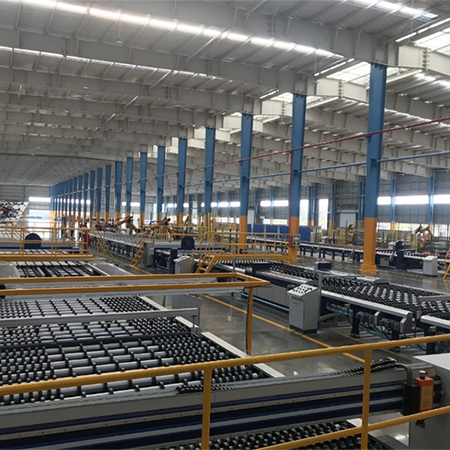
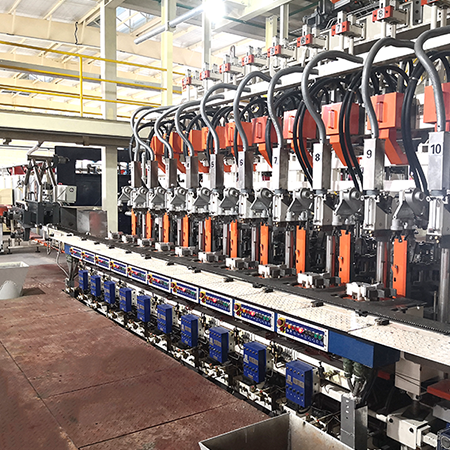
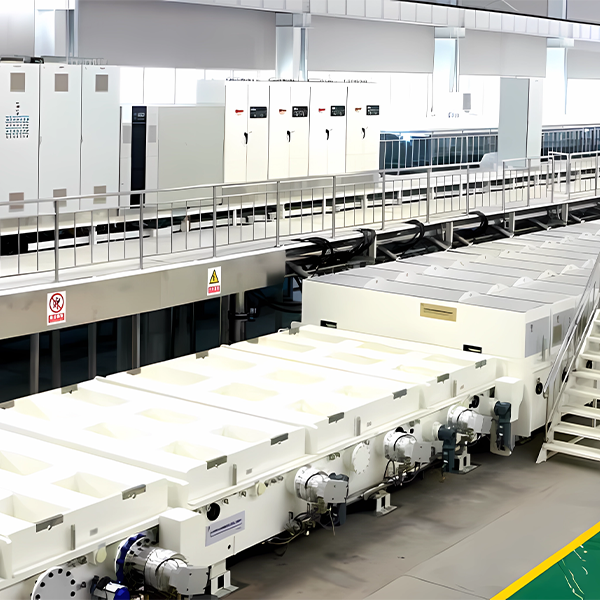
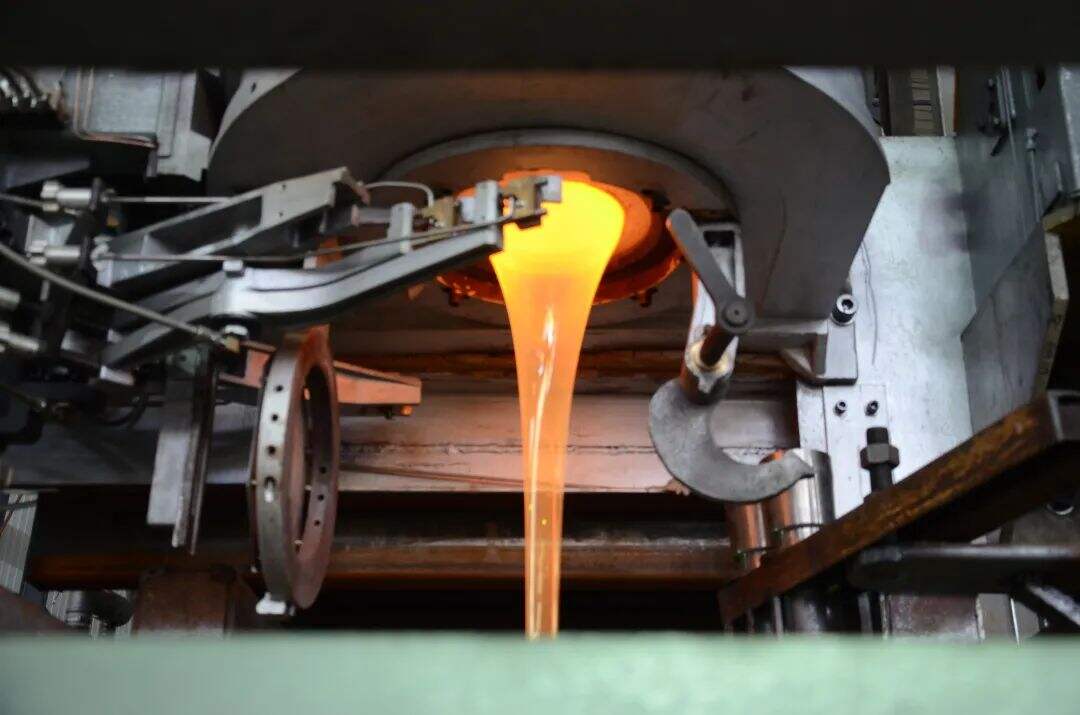
A glass making furnace represents the heart of any glass manufacturing operation, serving as the primary equipment where raw materials transform into molten glass through extreme heat and precise control. This industrial powerhouse operates at temperatures exceeding 1500 degrees Celsius, creating the perfect environment for silica sand, soda ash, limestone, and other additives to melt and combine into homogeneous liquid glass. The glass making furnace incorporates sophisticated heating systems, typically utilizing natural gas, electricity, or fuel oil as energy sources, delivering consistent thermal output necessary for maintaining optimal melting conditions. Modern glass making furnace designs feature regenerative heating technology that captures and reuses waste heat, significantly improving energy efficiency while reducing operational costs. These furnaces come in various configurations including continuous tank furnaces for large-scale production, day tanks for smaller operations, and specialized pot furnaces for artistic or laboratory applications. The refractory lining inside each glass making furnace withstands extreme temperatures and chemical corrosion, constructed from high-quality materials like alumina, zirconia, or silica bricks that ensure longevity and stable performance. Advanced control systems monitor and adjust multiple parameters including temperature distribution, pressure levels, fuel-to-air ratios, and batch feeding rates, ensuring consistent glass quality throughout production cycles. The glass making furnace accommodates different glass types from standard soda-lime glass used in containers and windows to specialized borosilicate glass for laboratory equipment and optical glass for precision lenses. Melting chambers within the furnace allow sufficient residence time for raw materials to fully dissolve and homogenize, eliminating seeds, stones, and other defects that could compromise final product quality. Modern installations integrate environmental protection systems that filter emissions, recover valuable materials, and minimize ecological impact, addressing increasingly stringent regulatory requirements while maintaining productive efficiency across diverse manufacturing environments.

Popular Products

Investing in a quality glass making furnace delivers substantial returns through enhanced productivity and operational efficiency that directly impact your bottom line. These systems provide precise temperature control that ensures consistent melting conditions, eliminating batch-to-batch variations that can lead to product defects and costly waste. The controlled environment within the furnace allows you to produce glass with uniform properties, meeting exact specifications required by demanding applications and maintaining your reputation for quality. Energy efficiency stands as a primary benefit, with modern regenerative designs recovering up to 60 percent of waste heat and redirecting it back into the melting process, substantially reducing fuel consumption and lowering monthly utility expenses. This recovered energy translates into thousands of dollars saved annually, making the initial investment pay for itself within reasonable timeframes. Automated control systems reduce labor requirements by managing complex parameters without constant human intervention, freeing your skilled workers to focus on quality assurance and process optimization rather than routine monitoring tasks. The glass making furnace operates continuously for extended campaigns lasting months or even years, providing reliable production capacity that meets market demands without frequent shutdowns that disrupt supply chains and disappoint customers. Maintenance costs remain manageable thanks to durable refractory materials and accessible design features that simplify inspections and repairs, minimizing downtime when service becomes necessary. Flexibility represents another key advantage, as these furnaces accommodate various raw material formulations and allow you to switch between different glass types with minimal adjustments, responding quickly to changing market opportunities. Environmental benefits include reduced emissions through efficient combustion and integrated filtration systems that capture particulates before they enter the atmosphere, helping you meet environmental regulations and demonstrate corporate responsibility. The stable thermal environment prevents thermal shock to glass articles during forming operations, reducing breakage rates and improving overall yield percentages. Consistent output quality strengthens customer relationships by delivering predictable performance that manufacturers can depend on for their downstream processes. Modern furnace designs incorporate safety features including automatic shutdown systems, pressure relief mechanisms, and thermal barriers that protect operators from high-temperature hazards. The proven technology behind glass making furnace systems provides peace of mind, backed by decades of industrial application and continuous improvement by manufacturers who understand your production challenges and engineering requirements.

Latest News

What Safety Features Should Be Built into a Glass Sorting System?

24

Sep

What Safety Features Should Be Built into a Glass Sorting System?

Essential Safety Components for Modern Glass Processing Systems Glass sorting systems are vital components in recycling facilities and glass manufacturing plants, where efficiency must be perfectly balanced with worker protection. These sophisticated...
View More
What Factors Should You Consider When Choosing Automotive Glass Processing Methods?

28

Oct

What Factors Should You Consider When Choosing Automotive Glass Processing Methods?

The Complete Guide to Modern Automotive Glass Manufacturing The automotive glass processing industry has undergone significant transformation in recent years, driven by technological advancements and evolving vehicle design requirements. As manufactu...
View More
What Factors Influence Compatibility With Different Glass Sheet Sizes?

19

Dec

What Factors Influence Compatibility With Different Glass Sheet Sizes?

Glass manufacturing and processing industries face critical decisions when selecting equipment that can accommodate varying sheet dimensions. Modern fabrication facilities require versatile solutions that maintain precision across different material ...
View More
What Should Manufacturers Consider When Selecting Equipment for Insulating Glass Production?

19

Dec

What Should Manufacturers Consider When Selecting Equipment for Insulating Glass Production?

Modern insulating glass manufacturing demands precision, efficiency, and cutting-edge technology to meet the growing requirements of energy-efficient building construction. Selecting the right equipment for insulating glass production involves carefu...
View More

Get a Free Quote

Our representative will contact you soon.
Email
Name
Company Name
Message
0/1000

glass making furnace

Advanced Energy Recovery Systems Maximize Operational Efficiency

Advanced Energy Recovery Systems Maximize Operational Efficiency

The glass making furnace incorporates cutting-edge regenerative technology that fundamentally transforms how thermal energy flows through your production facility. This sophisticated system captures hot exhaust gases that would otherwise escape into the atmosphere and channels them through ceramic checkerwork structures that absorb and store thermal energy. When the airflow reverses, incoming combustion air passes through these preheated chambers, raising its temperature substantially before it even reaches the burners. This preheating effect dramatically reduces the fuel required to achieve target melting temperatures, delivering energy savings that immediately improve your cost structure and competitive position. The regenerative cycle alternates at regular intervals, typically every 20 to 30 minutes, ensuring continuous heat recovery without interrupting production flow. Modern glass making furnace installations can achieve thermal efficiencies exceeding 50 percent, compared to older designs that wasted most heat energy through exhaust stacks. These efficiency gains compound over time, reducing your carbon footprint while simultaneously lowering operating expenses that affect profitability. The environmental advantages extend beyond fuel savings, as reduced combustion requirements mean fewer emissions of nitrogen oxides, carbon dioxide, and particulate matter released into surrounding communities. Sophisticated monitoring systems track energy consumption in real-time, providing data analytics that identify optimization opportunities and verify that your glass making furnace operates at peak efficiency throughout production campaigns. The technology adapts seamlessly to various fuel types including natural gas, propane, or fuel oil, providing operational flexibility when energy markets fluctuate or supply constraints develop. Investment in regenerative glass making furnace technology demonstrates forward-thinking management that balances immediate production needs with long-term sustainability goals, positioning your operation as an industry leader committed to responsible manufacturing practices that benefit both your organization and the broader environment where you operate and serve customers who increasingly value environmental stewardship.
Precision Temperature Control Ensures Superior Glass Quality

Precision Temperature Control Ensures Superior Glass Quality

Temperature management within the glass making furnace determines the fundamental characteristics of your final product, making precise control systems absolutely essential for consistent manufacturing success. Advanced temperature monitoring employs multiple thermocouples strategically positioned throughout the melting chamber, refining zone, and working end, providing comprehensive thermal mapping that reveals exactly how heat distributes across different furnace sections. This detailed temperature data feeds into sophisticated control algorithms that automatically adjust burner firing rates, air-to-fuel ratios, and electric boosting when applicable, maintaining target temperatures within narrow tolerances regardless of external variables like ambient conditions or raw material variations. The glass making furnace achieves uniform thermal distribution that eliminates hot spots and cold zones where incomplete melting or premature crystallization could occur, ensuring every portion of glass moving through the system receives identical heat treatment. This uniformity directly translates to consistent glass properties including viscosity, color, refractive index, and chemical durability that customers depend on for their manufacturing processes. Precise control prevents overheating that accelerates refractory wear and increases energy waste while simultaneously avoiding underheating that leaves unmelted particles or gaseous inclusions trapped within the glass matrix. The control system responds dynamically to production rate changes, automatically adjusting thermal input when you increase or decrease pull rates to meet fluctuating demand without compromising quality standards. Modern human-machine interfaces display real-time temperature profiles in intuitive graphical formats, allowing operators to instantly recognize trends and make informed decisions about process adjustments. Historical data logging creates permanent records documenting temperature compliance, providing quality assurance documentation that satisfies customer audits and regulatory reporting requirements. The glass making furnace maintains stable conditions during color changes or formulation transitions, reducing transition periods that produce off-specification material requiring disposal or remelting. This precision control capability expands your product portfolio by enabling you to manufacture demanding specialty glasses with tight specification windows that less capable systems cannot reliably achieve, opening premium market segments where technical performance commands higher pricing and strengthens long-term customer partnerships built on demonstrated capability and consistent delivery excellence.
Robust Construction Delivers Long-Term Reliability and Production Continuity

Robust Construction Delivers Long-Term Reliability and Production Continuity

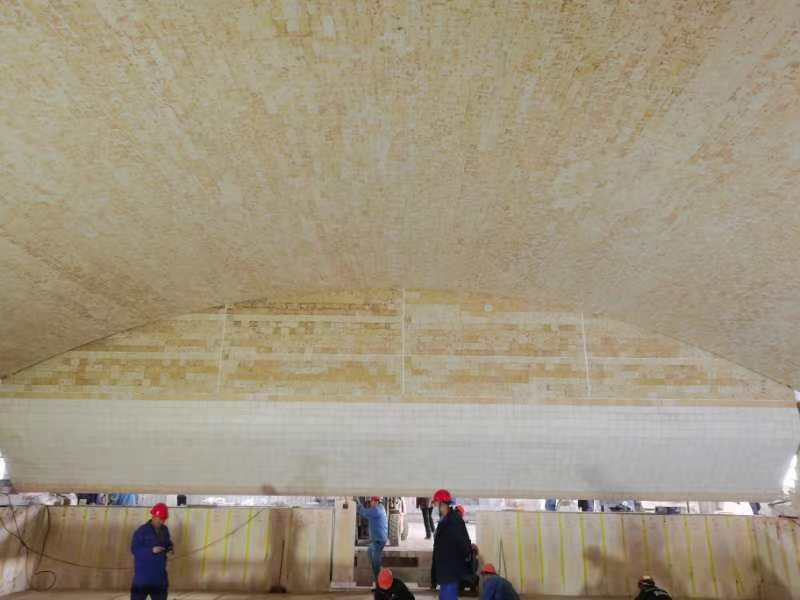
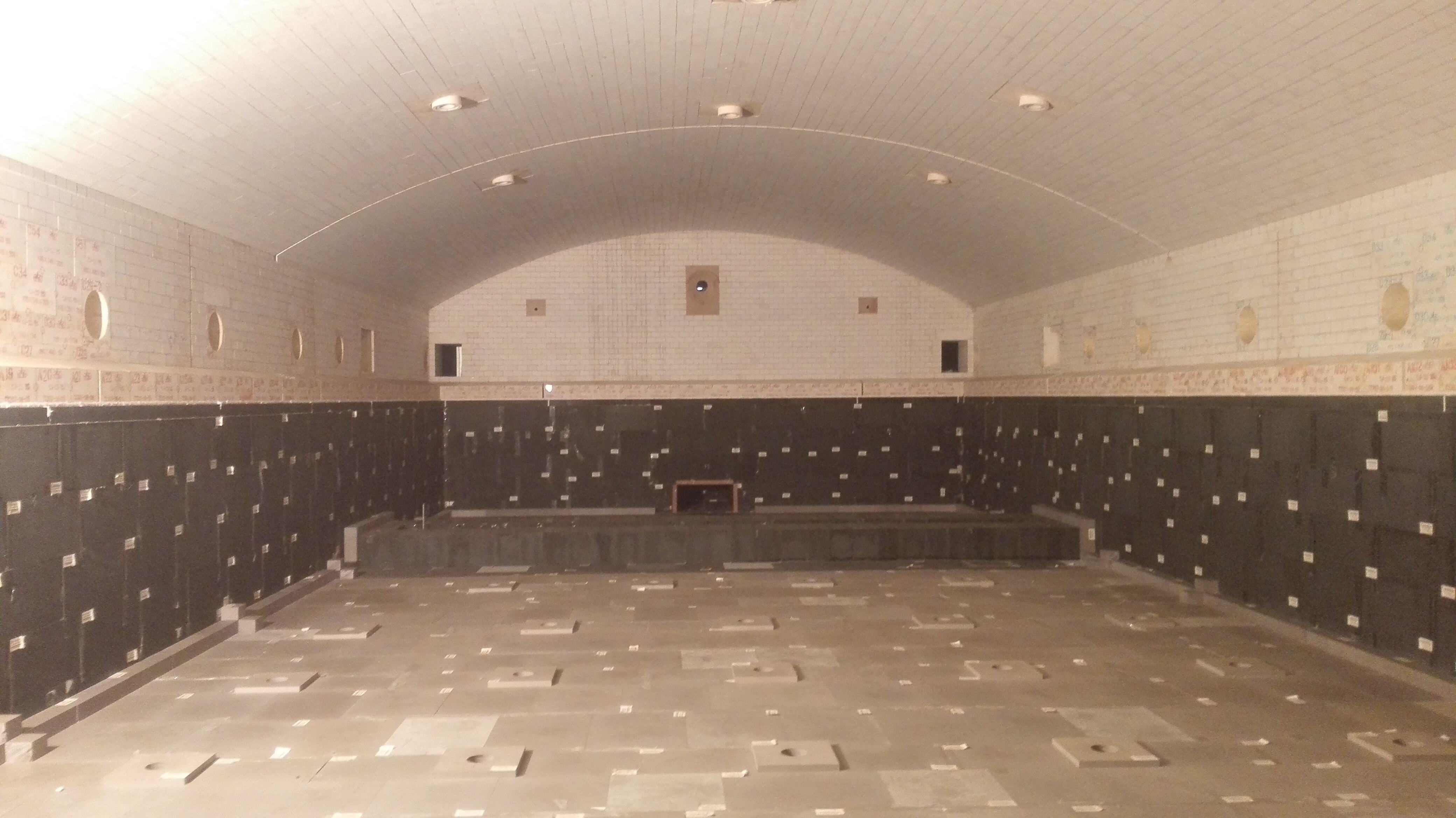
The structural integrity and materials engineering behind every glass making furnace determine its operational lifespan and influence total cost of ownership over decades of continuous service. Premium refractory materials form the foundation of furnace longevity, with specialized bricks and castables engineered to withstand extreme temperatures, chemical attack from molten glass, and mechanical stress from thermal cycling without degradation that compromises performance. The crown structure overhead uses high-alumina refractories that resist sagging under sustained heat exposure, maintaining proper geometry that ensures efficient heat radiation throughout the melting campaign. Sidewall construction employs dense, corrosion-resistant materials in contact zones where molten glass flows, preventing erosion that could contaminate glass with refractory particles or create structural weaknesses leading to catastrophic failures. The basin or tank bottom incorporates the most robust refractories available, often featuring multiple layers with varying properties that provide thermal insulation, structural support, and chemical resistance in a comprehensive protective system. Careful attention to expansion joints and construction techniques accommodates thermal expansion without creating destructive stresses that crack refractory components, extending campaign life and reducing maintenance frequency. The glass making furnace superstructure uses heavy steel framing that supports refractory weight while providing rigid platforms for burners, monitoring equipment, and access points required for operation and maintenance activities. Cooling systems protect external steelwork from excessive heat that could cause warping or weakening, using water-cooled panels or air circulation that maintains safe temperatures on exterior surfaces. Quality construction practices during initial installation establish proper alignment and structural integrity that prevents problems throughout the furnace lifespan, making manufacturer selection and installation oversight critical investment decisions. Modern glass making furnace designs incorporate accessibility features including inspection ports, maintenance platforms, and modular components that simplify repair work when eventually required after years of faithful service. The proven durability of well-constructed furnaces provides production continuity that manufacturing operations absolutely require, avoiding unplanned shutdowns that disrupt customer deliveries, idle expensive forming equipment, and send workers home without productive work. This reliability advantage strengthens your market position by establishing a reputation for dependable supply that procurement managers value when selecting glass suppliers for critical applications where supply interruptions create costly consequences downstream in their manufacturing processes.