glass tempering machine manufacturers
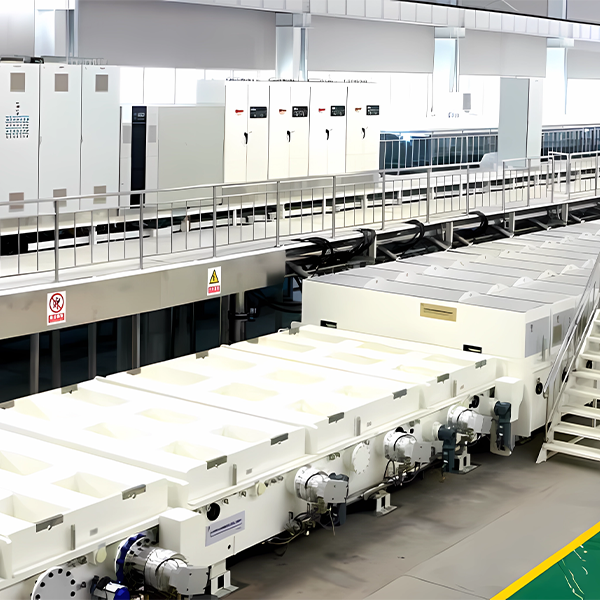
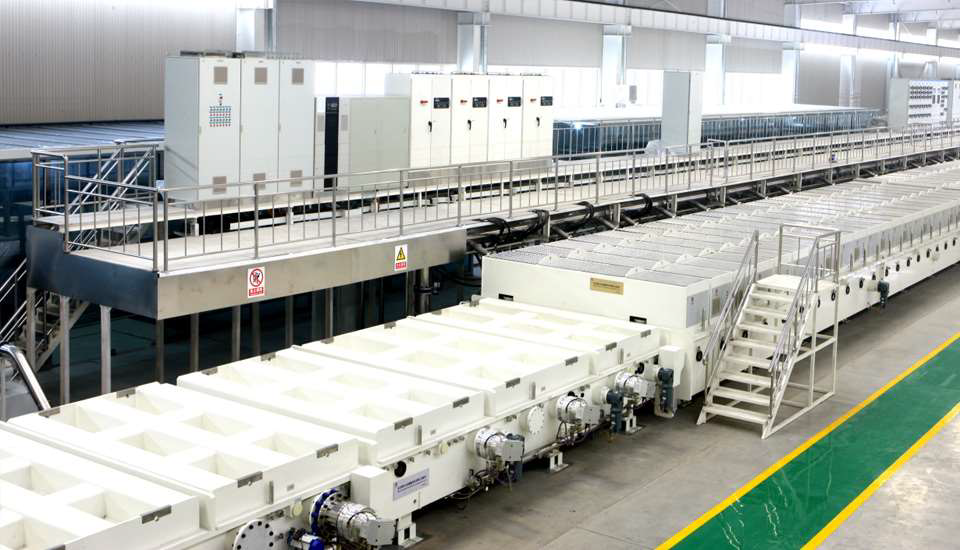
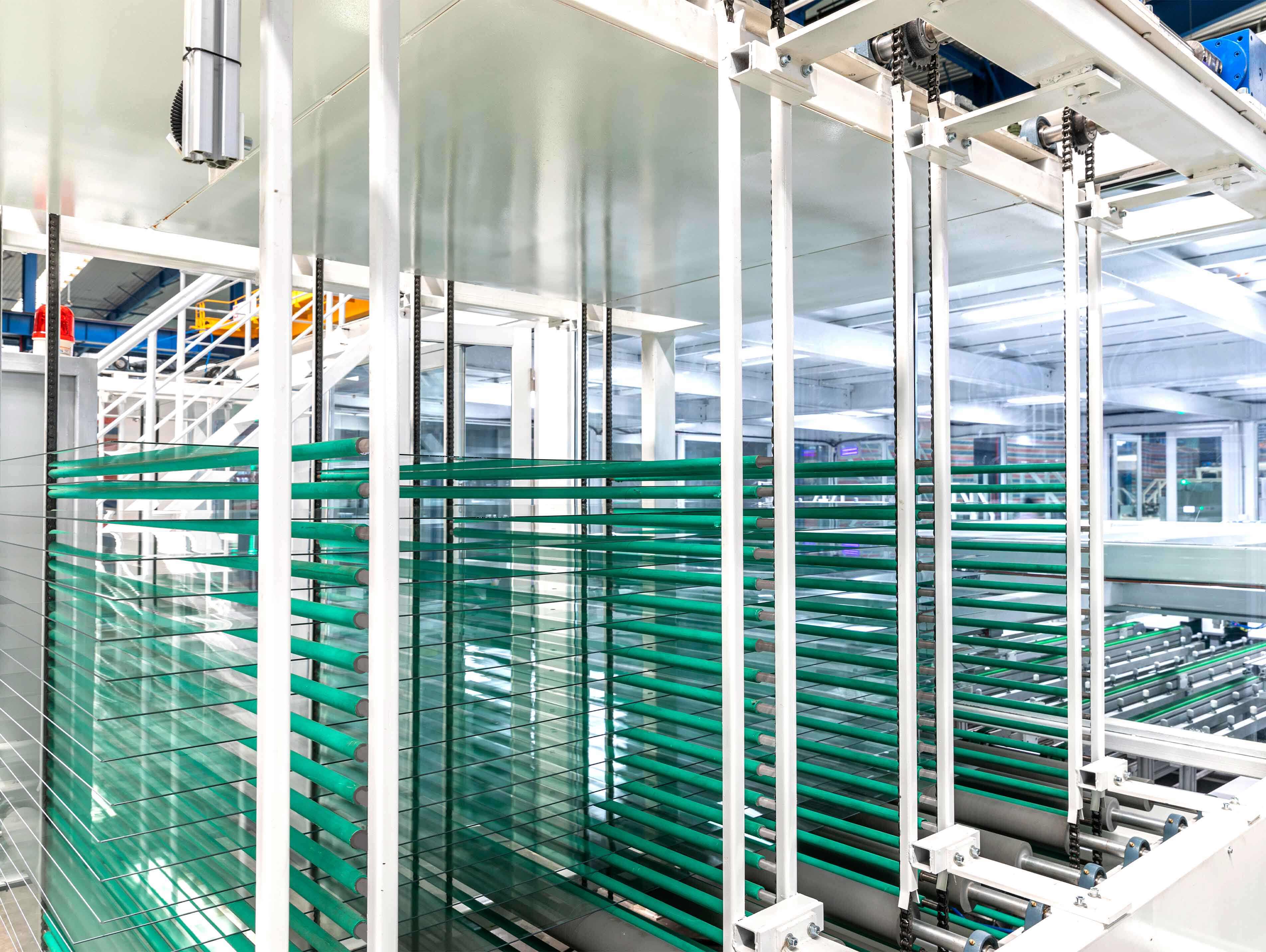
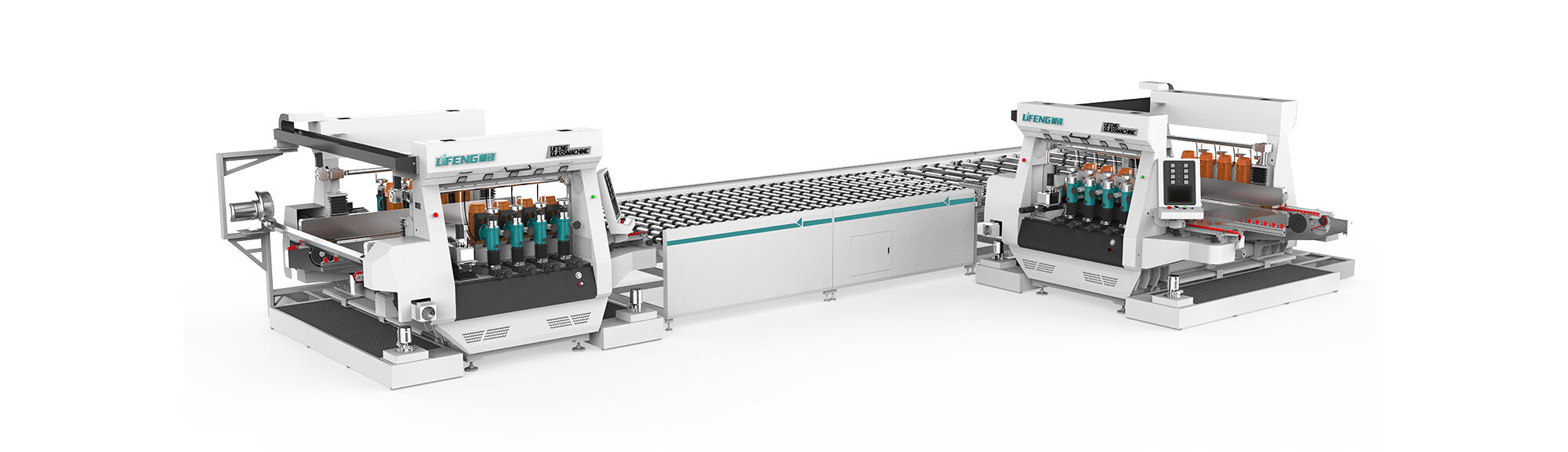
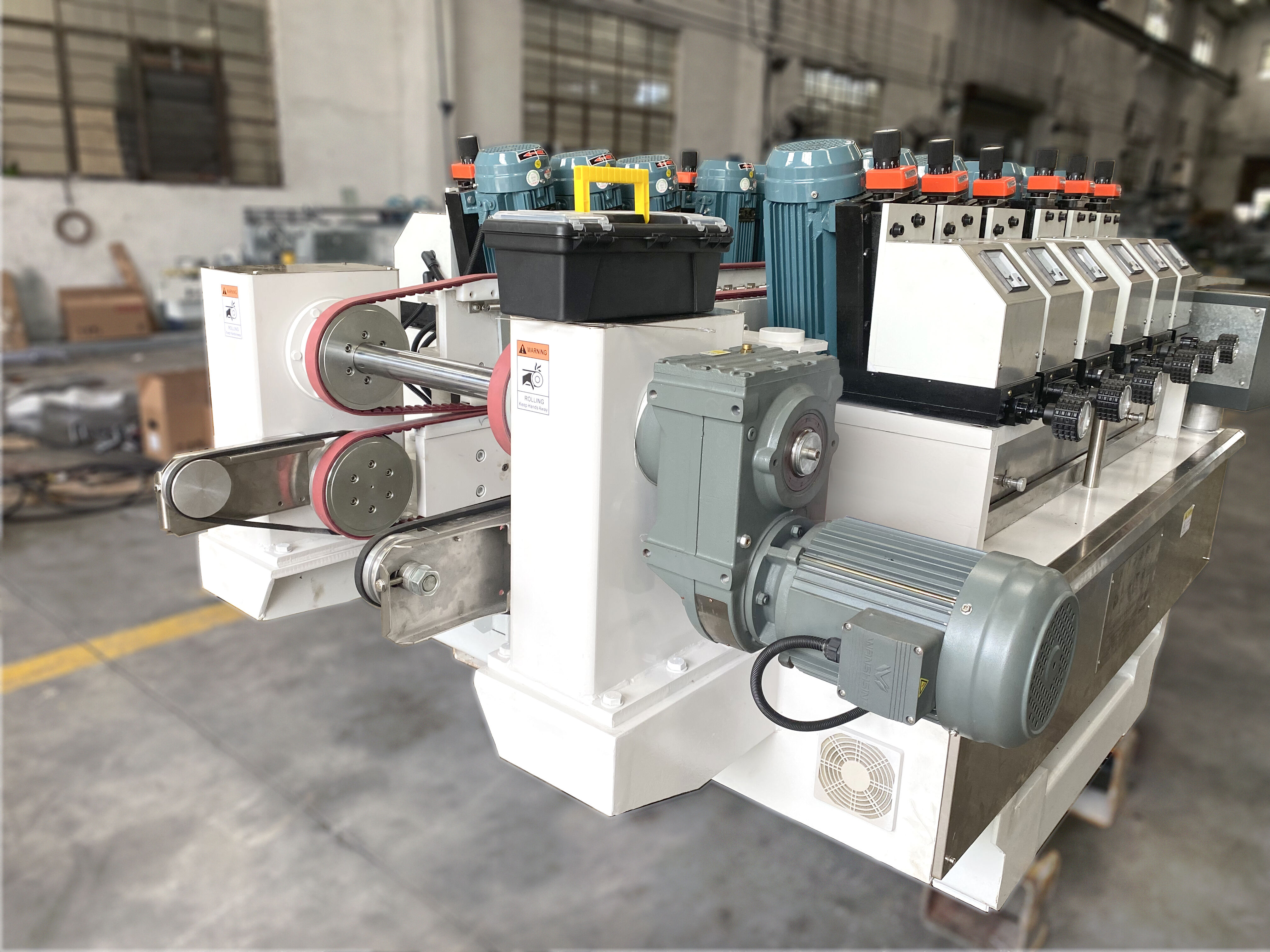
Glass tempering machine manufacturers play a crucial role in the global glass processing industry by producing sophisticated equipment that transforms ordinary glass into strengthened, safety-enhanced materials. These manufacturers design and build machines that use controlled heating and rapid cooling processes to create tempered glass, which is four to five times stronger than standard glass. The main functions of equipment from glass tempering machine manufacturers include precisely heating glass panels to temperatures around 620-650 degrees Celsius, then rapidly cooling them using strategically positioned air nozzets to create surface compression. This process fundamentally alters the glass structure, making it suitable for applications where safety and durability are paramount. Technological features offered by leading glass tempering machine manufacturers incorporate advanced control systems with programmable logic controllers, ensuring consistent quality across production batches. Modern machines feature sophisticated temperature monitoring systems, adjustable cooling patterns, and automated loading and unloading mechanisms that enhance operational efficiency. These manufacturers also integrate energy-efficient heating elements and optimized airflow designs that reduce power consumption while maintaining superior tempering quality. The applications of products from glass tempering machine manufacturers span numerous industries including automotive manufacturing, where tempered glass is essential for windshields and windows, architectural projects requiring building facades and shower enclosures, furniture production for glass tabletops and shelving, and electronics manufacturing for smartphone screens and display panels. Glass tempering machine manufacturers serve markets worldwide, providing equipment ranging from small-scale machines for local glass shops to industrial-grade production lines capable of processing thousands of square meters daily. Their commitment to innovation ensures that glass processors can meet evolving safety standards, aesthetic demands, and production volume requirements across diverse market segments.
 EN
EN
 AR
AR
 BG
BG
 HR
HR
 CS
CS
 DA
DA
 NL
NL
 FI
FI
 FR
FR
 DE
DE
 EL
EL
 HI
HI
 IT
IT
 JA
JA
 KO
KO
 PL
PL
 PT
PT
 RO
RO
 RU
RU
 ES
ES
 SV
SV
 TL
TL
 IW
IW
 LV
LV
 LT
LT
 SK
SK
 SL
SL
 UK
UK
 VI
VI
 ET
ET
 HU
HU
 MT
MT
 TH
TH
 TR
TR
 FA
FA
 MS
MS
 SW
SW
 GA
GA
 AZ
AZ