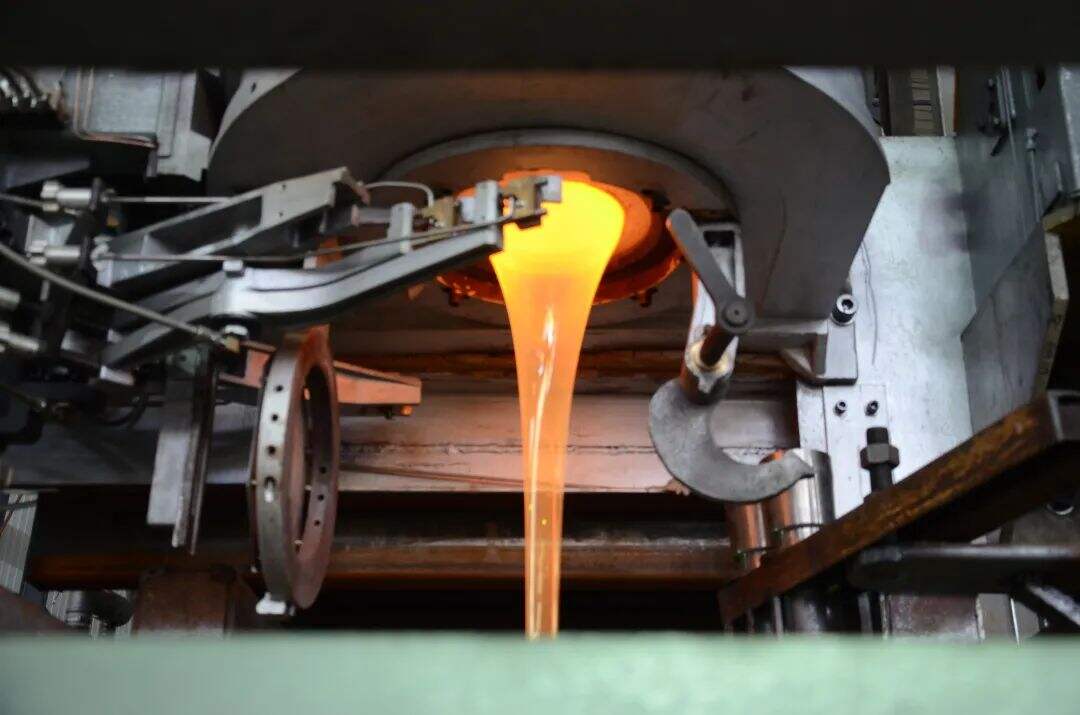
glass melting oven
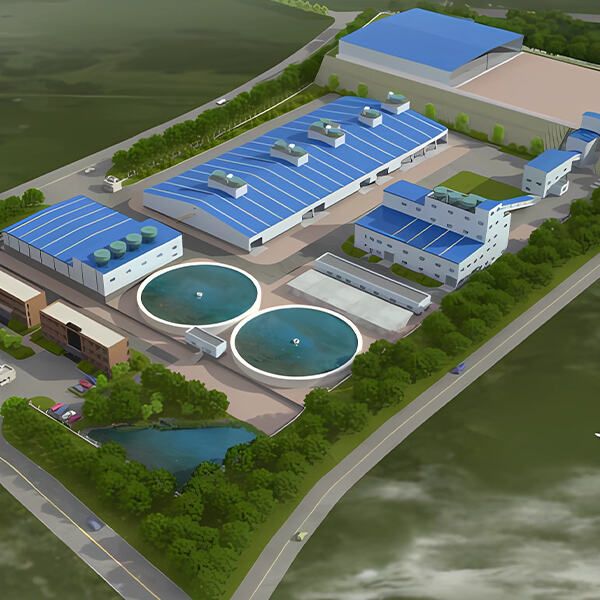
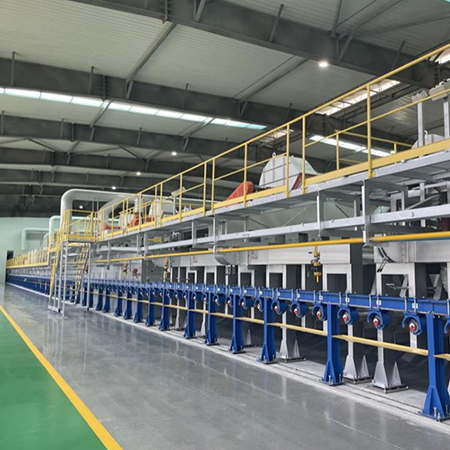
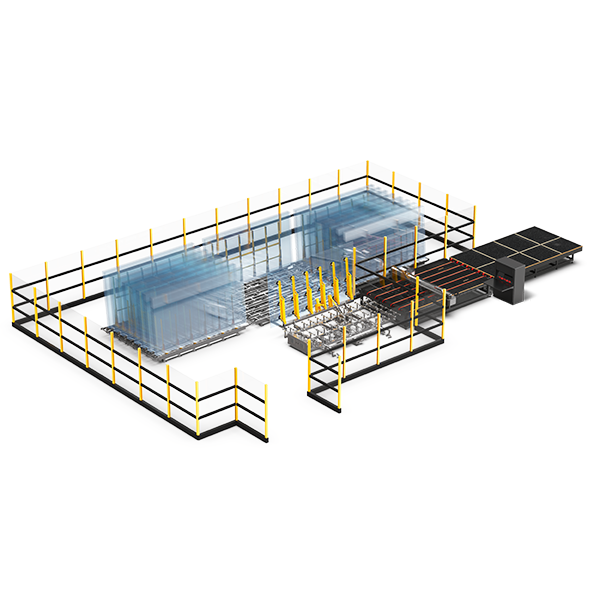
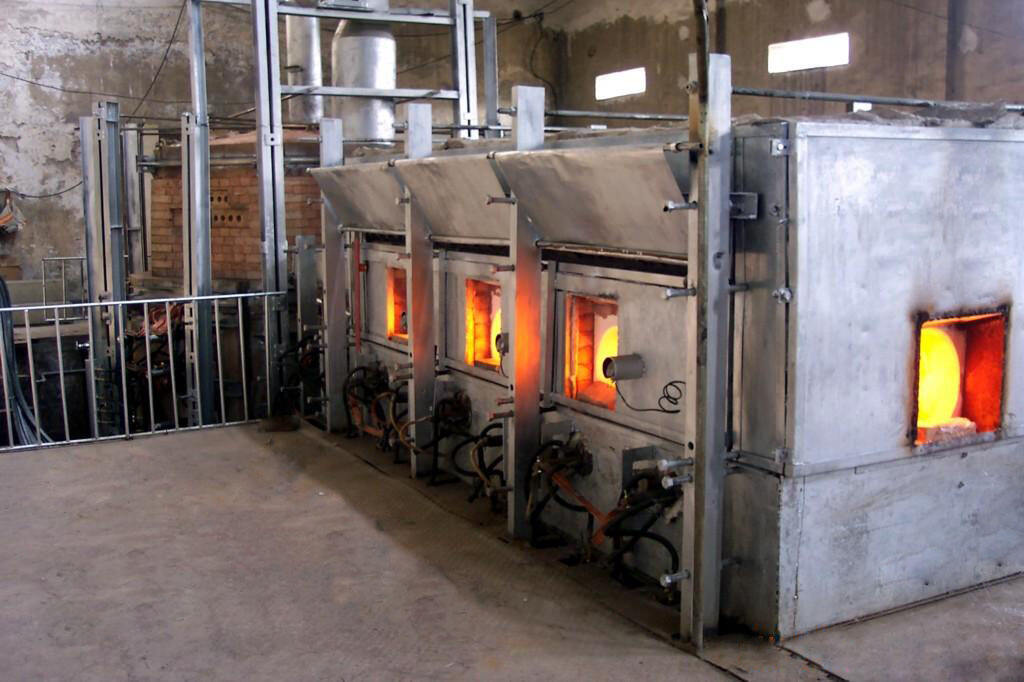
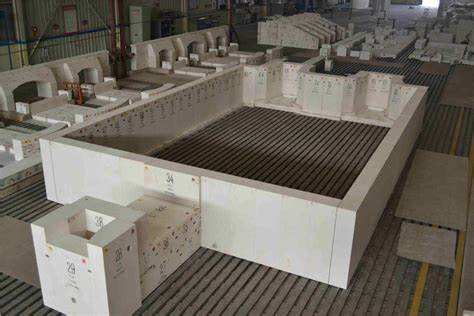
A glass melting oven represents a crucial piece of industrial equipment designed specifically for transforming raw materials into molten glass through controlled heating processes. This sophisticated machinery operates at extremely high temperatures, typically ranging from 1400 to 1600 degrees Celsius, to achieve the complete fusion of silica sand, soda ash, limestone, and other additives into a homogeneous liquid state. The glass melting oven serves as the foundation of glass manufacturing operations across multiple industries, enabling the production of everything from architectural windows and automotive components to decorative items and specialized laboratory equipment. Modern glass melting ovens incorporate advanced heating technologies, including electric resistance heating, gas-fired combustion systems, and increasingly popular oxy-fuel configurations that enhance energy efficiency while reducing environmental impact. The primary function of this equipment involves maintaining consistent temperature distribution throughout the melting chamber, ensuring that raw materials undergo complete vitrification without creating defects or inconsistencies in the final product. These ovens feature refractory-lined chambers constructed from materials capable of withstanding prolonged exposure to extreme heat while minimizing thermal losses. Temperature monitoring systems continuously track conditions within the melting chamber, allowing operators to make precise adjustments that optimize glass quality and production efficiency. Applications for glass melting ovens span numerous sectors, including container glass manufacturing for beverage and food packaging, flat glass production for construction and automotive uses, specialty glass creation for electronics and fiber optics, and artistic glass blowing for decorative purposes. The technological features of contemporary glass melting ovens include automated batch feeding mechanisms, computerized temperature control systems, emission reduction technologies, and heat recovery systems that capture waste thermal energy for preheating raw materials or generating electricity. These innovations transform the glass melting oven from a simple heating device into an integrated production system that maximizes output quality while minimizing operational costs and environmental footprint.
 EN
EN
 AR
AR
 BG
BG
 HR
HR
 CS
CS
 DA
DA
 NL
NL
 FI
FI
 FR
FR
 DE
DE
 EL
EL
 HI
HI
 IT
IT
 JA
JA
 KO
KO
 PL
PL
 PT
PT
 RO
RO
 RU
RU
 ES
ES
 SV
SV
 TL
TL
 IW
IW
 LV
LV
 LT
LT
 SK
SK
 SL
SL
 UK
UK
 VI
VI
 ET
ET
 HU
HU
 MT
MT
 TH
TH
 TR
TR
 FA
FA
 MS
MS
 SW
SW
 GA
GA
 AZ
AZ