Premium Insulated Glass Manufacturer | Energy-Efficient Glazing Solutions

All Categories

Get a Free Quote

Our representative will contact you soon.
Email
Name
Company Name
Message
0/1000

insulated glass manufacturer

An insulated glass manufacturer specializes in producing high-performance glazing units that consist of two or more glass panes separated by a spacer and sealed to create an insulating air or gas-filled space. These manufacturers utilize advanced production techniques to create energy-efficient windows and doors for residential, commercial, and industrial applications. The primary function of an insulated glass manufacturer is to deliver products that significantly reduce heat transfer, minimize condensation, and enhance acoustic insulation properties. By combining multiple layers of glass with precision-engineered spacers and specialized sealants, these manufacturers create barrier systems that maintain comfortable interior temperatures while reducing energy consumption. The technological features employed by a modern insulated glass manufacturer include automated assembly lines, computer-controlled cutting systems, and quality assurance protocols that ensure each unit meets strict performance standards. Many manufacturers incorporate low-emissivity coatings, argon or krypton gas fills, and warm-edge spacer technology to maximize thermal efficiency. The production process involves meticulous cleaning, precise spacing, primary and secondary sealing, and rigorous testing to guarantee long-term durability and performance. Applications for products from an insulated glass manufacturer span across various sectors including residential construction for homes and apartments, commercial buildings such as office towers and retail centers, institutional facilities like schools and hospitals, and specialized uses in cold storage facilities and greenhouses. These versatile glazing solutions provide architects, builders, and property owners with customizable options that balance aesthetic appeal with functional performance, contributing to sustainable building practices and improved occupant comfort throughout diverse climate zones and architectural designs.

Popular Products

Choosing a reputable insulated glass manufacturer offers numerous practical benefits that directly impact your building's performance and your bottom line. First and foremost, these manufacturers deliver substantial energy savings by producing windows that act as effective thermal barriers, keeping warm air inside during winter and blocking heat during summer months. This temperature regulation translates to lower heating and cooling costs, often reducing energy bills by twenty to thirty percent compared to single-pane alternatives. Beyond financial savings, an insulated glass manufacturer provides products that enhance interior comfort by eliminating cold spots near windows and reducing drafts that make rooms feel uncomfortable. The specialized production methods used by these manufacturers ensure consistent quality across every unit, giving you reliable performance that lasts for decades without degradation. Another significant advantage involves condensation control, as the insulating space between glass panes prevents moisture buildup that can damage window frames, promote mold growth, and obstruct views. When you work with an experienced insulated glass manufacturer, you gain access to customization options that match your specific needs, including various glass thicknesses, tints, coatings, and sizes that fit unique architectural requirements. These manufacturers also prioritize noise reduction, creating products that dampen external sounds from traffic, construction, or other urban disturbances, resulting in quieter indoor environments that improve concentration and relaxation. The durability factor cannot be overlooked, as quality insulated glass units resist environmental stresses like temperature fluctuations, humidity, and UV exposure much better than standard glass. Furthermore, an established insulated glass manufacturer maintains strict quality control procedures and testing protocols that verify each product meets industry standards before leaving the facility. This commitment to excellence means fewer callbacks, replacements, or warranty claims, saving time and resources for contractors and building owners alike. The environmental benefits also matter significantly, as reduced energy consumption directly decreases carbon footprints and supports green building certifications like LEED or ENERGY STAR ratings. Working with a professional insulated glass manufacturer also means benefiting from their technical expertise, as they can recommend optimal configurations for specific climate zones, building orientations, and performance objectives, ensuring you get the right solution rather than a one-size-fits-all product.

Practical Tips

How Do Glass Drilling Machines Achieve Precision and Accuracy?

28

Oct

How Do Glass Drilling Machines Achieve Precision and Accuracy?

The Engineering Marvel Behind Modern Glass Drilling Technology Glass drilling machines represent the pinnacle of precision engineering in today's manufacturing landscape. These sophisticated pieces of equipment combine advanced technology with mechan...
View More
Why Are Glass Drilling Machines Vital in Automotive and Construction Industries?

28

Oct

Why Are Glass Drilling Machines Vital in Automotive and Construction Industries?

The Evolution of Glass Processing Technology in Modern Industries The landscape of industrial manufacturing has been transformed by the advent of sophisticated glass drilling machines, revolutionizing how we process and manipulate glass materials. Th...
View More
What Maintenance Practices Keep Double Edgers Performing Optimally?

24

Nov

What Maintenance Practices Keep Double Edgers Performing Optimally?

Double edgers represent sophisticated industrial machinery that requires systematic maintenance protocols to ensure consistent performance and operational longevity. These precision instruments, commonly utilized in glass processing facilities and ma...
View More
How to Troubleshoot Common Issues in Double Edgers?

24

Nov

How to Troubleshoot Common Issues in Double Edgers?

Double edgers are essential machinery in glass processing facilities, responsible for delivering precise edge grinding and polishing operations. These sophisticated machines can encounter various operational challenges that impact productivity and pr...
View More

Get a Free Quote

Our representative will contact you soon.
Email
Name
Company Name
Message
0/1000

insulated glass manufacturer

Advanced Manufacturing Technology for Superior Performance

Advanced Manufacturing Technology for Superior Performance

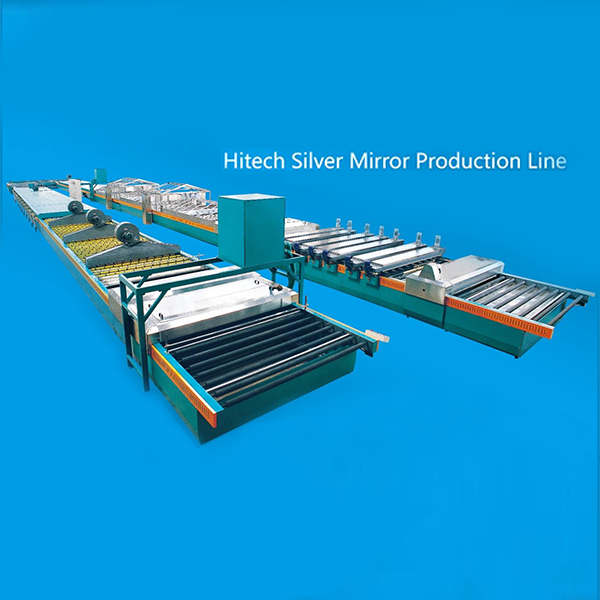
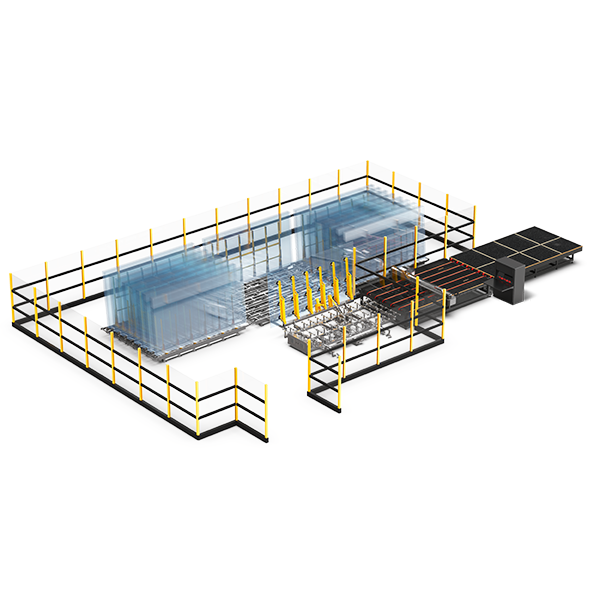
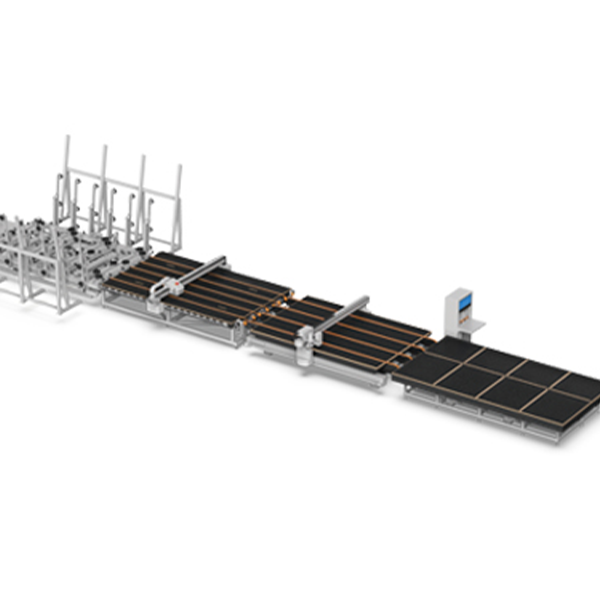
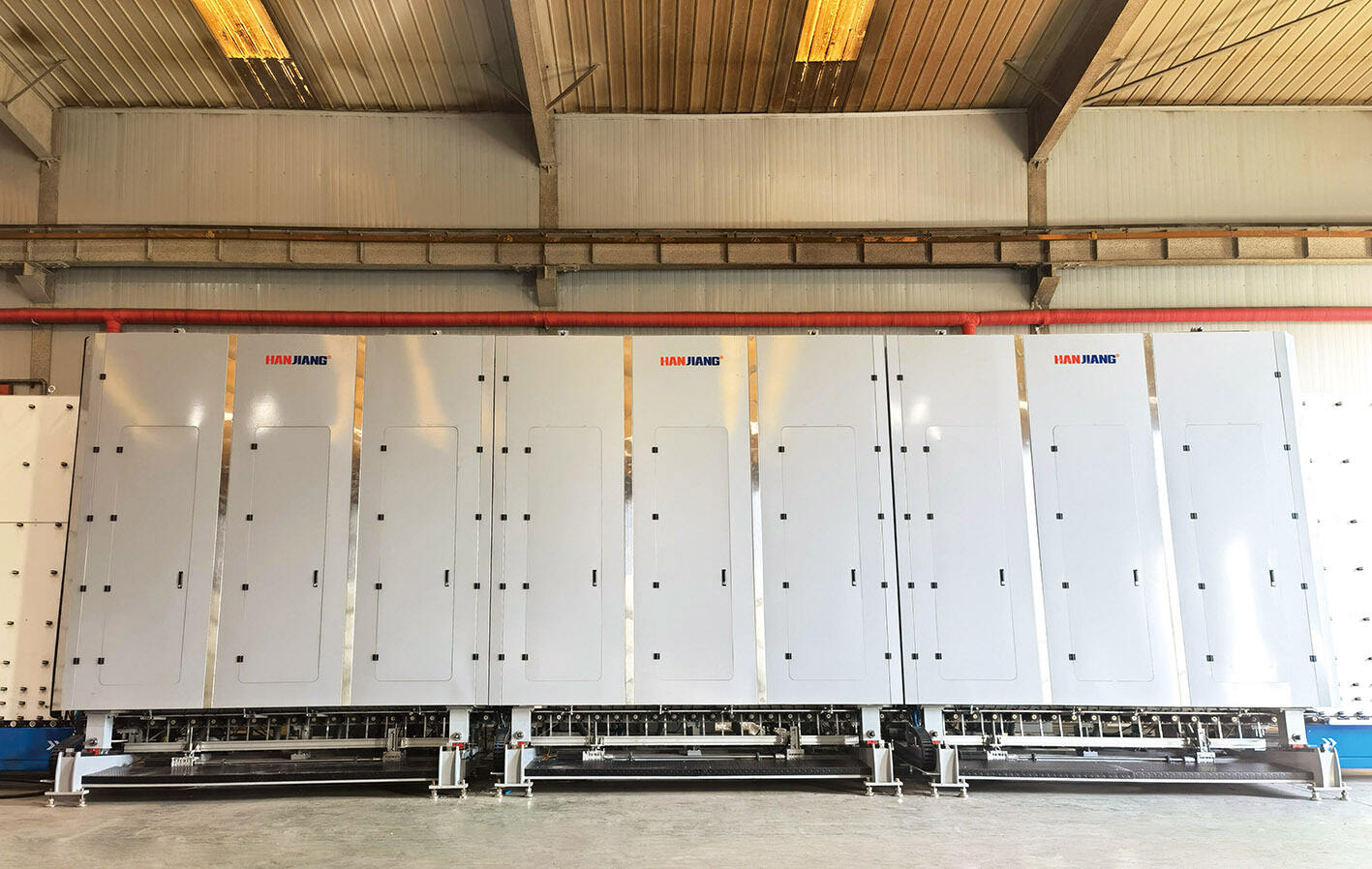
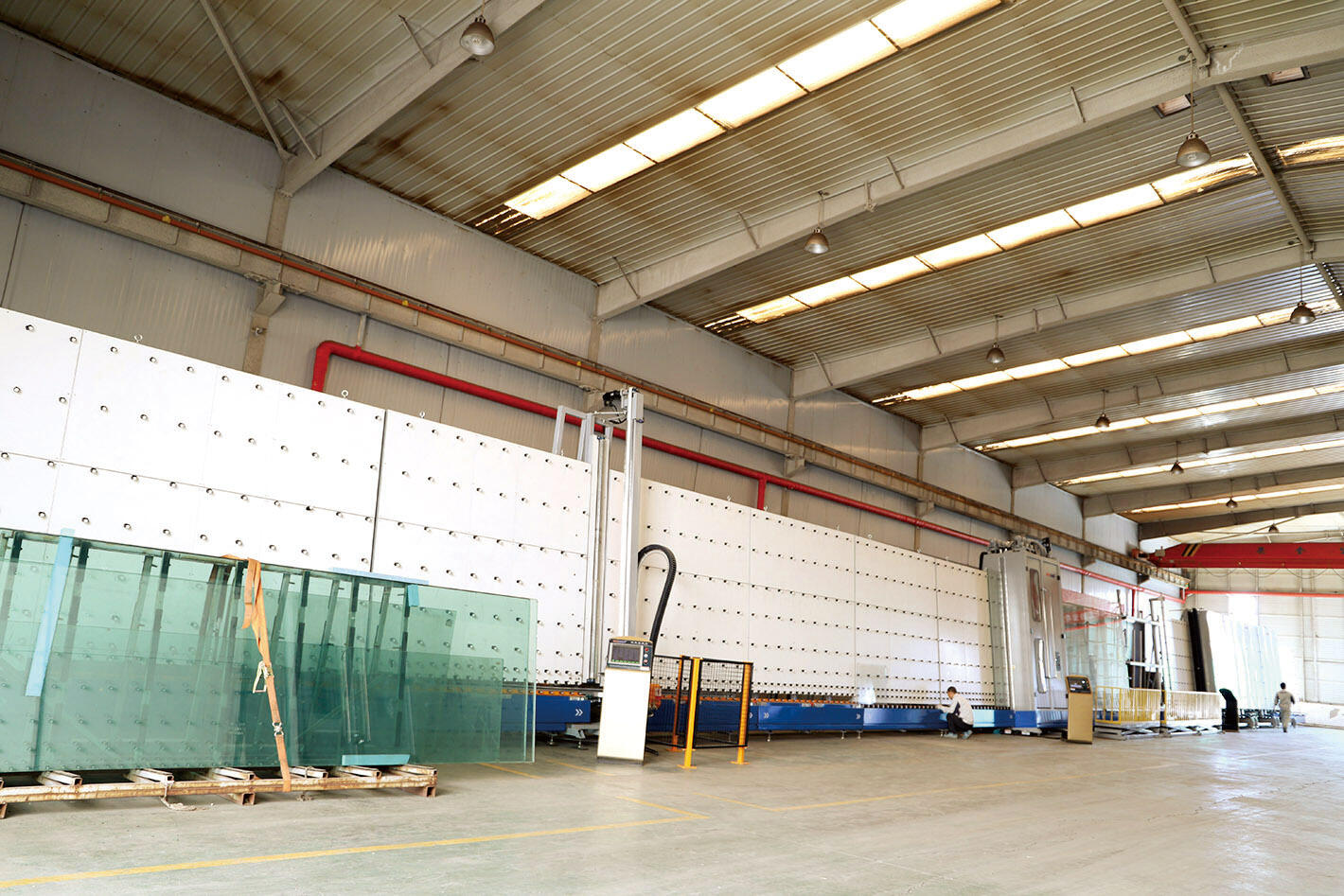
A leading insulated glass manufacturer distinguishes itself through the implementation of cutting-edge manufacturing technology that ensures every glazing unit delivers optimal performance and longevity. The production facility operates with state-of-the-art automated systems that control every phase of assembly with precision that human hands alone cannot achieve. These sophisticated manufacturing lines begin with computerized glass cutting stations that measure and cut panes to exact specifications, eliminating waste and ensuring perfect fits for custom applications. The washing and preparation stage employs advanced cleaning systems that remove all contaminants, oils, and particles from glass surfaces, creating the pristine conditions necessary for proper sealant adhesion and long-term durability. During assembly, robotic spacer application systems position aluminum or composite spacers with micrometer accuracy, maintaining consistent gap widths that optimize the insulating air or gas space between panes. The sealing process utilizes dual-seal technology, applying both primary butyl sealant and secondary structural sealant in controlled environments that prevent contamination and ensure complete hermetic sealing. Quality assurance represents a critical component of the manufacturing process, with every unit passing through multiple inspection stations equipped with sensors that detect even microscopic defects, gas leakage, or seal imperfections. Advanced insulated glass manufacturers also invest in low-emissivity coating application systems that apply microscopically thin metallic layers to glass surfaces, reflecting infrared energy while allowing visible light transmission. Gas-filling stations precisely inject argon or krypton into the sealed units, displacing air to further enhance thermal performance beyond what air-filled units can achieve. The integration of warm-edge spacer technology represents another technological advancement, utilizing materials with lower thermal conductivity than traditional aluminum to reduce heat transfer at the glass edge where temperature differences are greatest. These manufacturers also employ sophisticated testing equipment including accelerated weathering chambers, thermal cycling machines, and condensation resistance testers that simulate years of environmental exposure in compressed timeframes. The technological infrastructure extends to inventory management systems that track raw materials, monitor production efficiency, and ensure consistent supply chains that meet delivery schedules without compromising quality standards.
Comprehensive Customization Capabilities for Diverse Applications

Comprehensive Customization Capabilities for Diverse Applications

An experienced insulated glass manufacturer offers extensive customization capabilities that address the unique requirements of different projects, climates, and architectural visions. This flexibility begins with glass selection options that include clear, tinted, reflective, patterned, and low-iron varieties, each providing distinct aesthetic and performance characteristics suited to specific applications. Thickness combinations can be tailored to meet structural requirements, sound insulation needs, or security considerations, with options ranging from standard residential configurations to heavy-duty commercial assemblies incorporating laminated or tempered glass. The spacer width between panes can be adjusted to optimize thermal performance, with wider gaps generally providing better insulation while narrower profiles accommodate space constraints or design preferences. Coating options extend beyond basic low-emissivity films to include specialized treatments for solar control, UV protection, self-cleaning properties, and privacy applications that respond to electrical current. Shape capabilities represent another dimension of customization, as modern insulated glass manufacturers can produce units in rectangular, circular, triangular, trapezoidal, and virtually any geometric configuration that architectural designs demand. Size flexibility ranges from small accent windows to floor-to-ceiling curtain wall panels spanning multiple stories, with manufacturing equipment capable of handling both compact residential units and expansive commercial installations. Gas fill options allow clients to choose between standard air, argon for enhanced insulation, or krypton for maximum thermal performance in thinner profiles where space is limited. Edge treatments can be specified to match frame systems, with options for flush edges, stepped configurations, or specialized profiles that integrate with particular window or door hardware. Decorative elements can be incorporated between glass panes, including grilles, muntins, or specialty inserts that create traditional divided-light appearances without compromising energy efficiency or complicating cleaning. Performance specifications can be engineered to achieve specific R-values, U-factors, Solar Heat Gain Coefficients, or Visible Light Transmission percentages that align with energy codes, green building standards, or occupant comfort objectives. The customization process at a professional insulated glass manufacturer includes consultation services where technical experts analyze project requirements, recommend optimal configurations, and provide performance predictions based on orientation, climate data, and building characteristics. This collaborative approach ensures that every insulated glass unit serves its intended purpose while meeting budget constraints and installation schedules.
Rigorous Quality Standards and Long-Term Reliability

Rigorous Quality Standards and Long-Term Reliability

A reputable insulated glass manufacturer maintains rigorous quality standards throughout the production process, ensuring that every unit delivers reliable performance for decades after installation. This commitment to quality begins with raw material selection, as manufacturers source glass, spacers, sealants, and desiccants from certified suppliers who meet strict specifications for purity, consistency, and performance characteristics. Incoming materials undergo inspection and testing before entering production, with batch tracking systems that maintain traceability throughout the manufacturing process. The production environment itself is controlled to prevent contamination, with filtered air systems, regulated humidity levels, and temperature controls that create optimal conditions for sealant curing and gas retention. Quality control checkpoints are strategically positioned throughout the assembly line, where trained inspectors and automated sensors examine each unit for defects including scratches, chips, inadequate seal coverage, spacer alignment issues, or foreign particles trapped between panes. Seal integrity testing employs sophisticated equipment that measures gas concentration, detects microscopic leaks, and verifies that hermetic seals will maintain their barrier properties throughout the product's expected lifespan. Performance testing goes beyond basic quality checks to include thermal cycling, where sample units are subjected to extreme temperature variations that simulate years of seasonal changes, revealing potential weaknesses in materials or construction techniques. Condensation resistance testing exposes units to temperature differentials and high humidity conditions, verifying that interior surfaces remain clear and free from moisture accumulation that would indicate seal failure. Structural testing ensures that units can withstand wind loads, impact forces, and the stresses of installation and operation without glass breakage or seal compromise. Many insulated glass manufacturers maintain independent third-party certifications from organizations that verify compliance with industry standards and building codes, providing customers with documented assurance of product quality. Warranty programs offered by quality-focused manufacturers typically extend for ten to twenty years, covering seal failure, gas leakage, and material defects, demonstrating confidence in their production methods and material choices. Post-installation support includes technical assistance for proper handling, storage, and installation procedures that preserve unit integrity during construction. Documentation provided with each shipment includes performance data, installation guidelines, and care instructions that help ensure long-term satisfaction. This comprehensive approach to quality management distinguishes professional insulated glass manufacturers from lower-tier producers, delivering peace of mind alongside superior products that protect investments and enhance building value.