Insulating Glass Machine: Advanced Manufacturing Solutions for Premium Double Glazing Production

All Categories

Get a Free Quote

Our representative will contact you soon.
Email
Name
Company Name
Message
0/1000

insulating glass machine

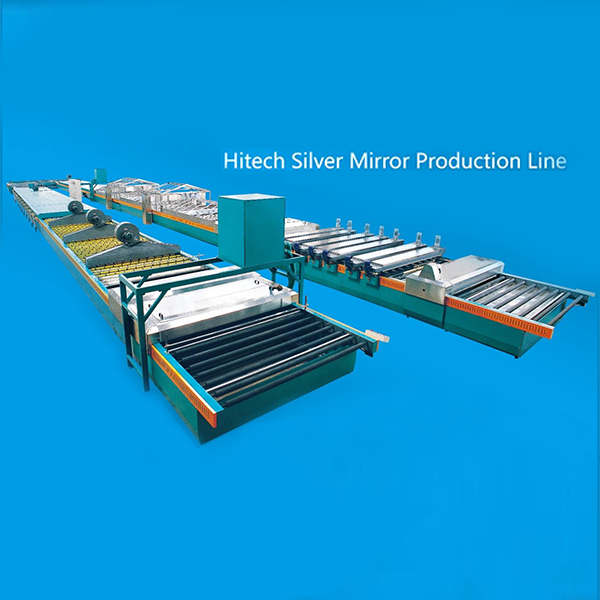
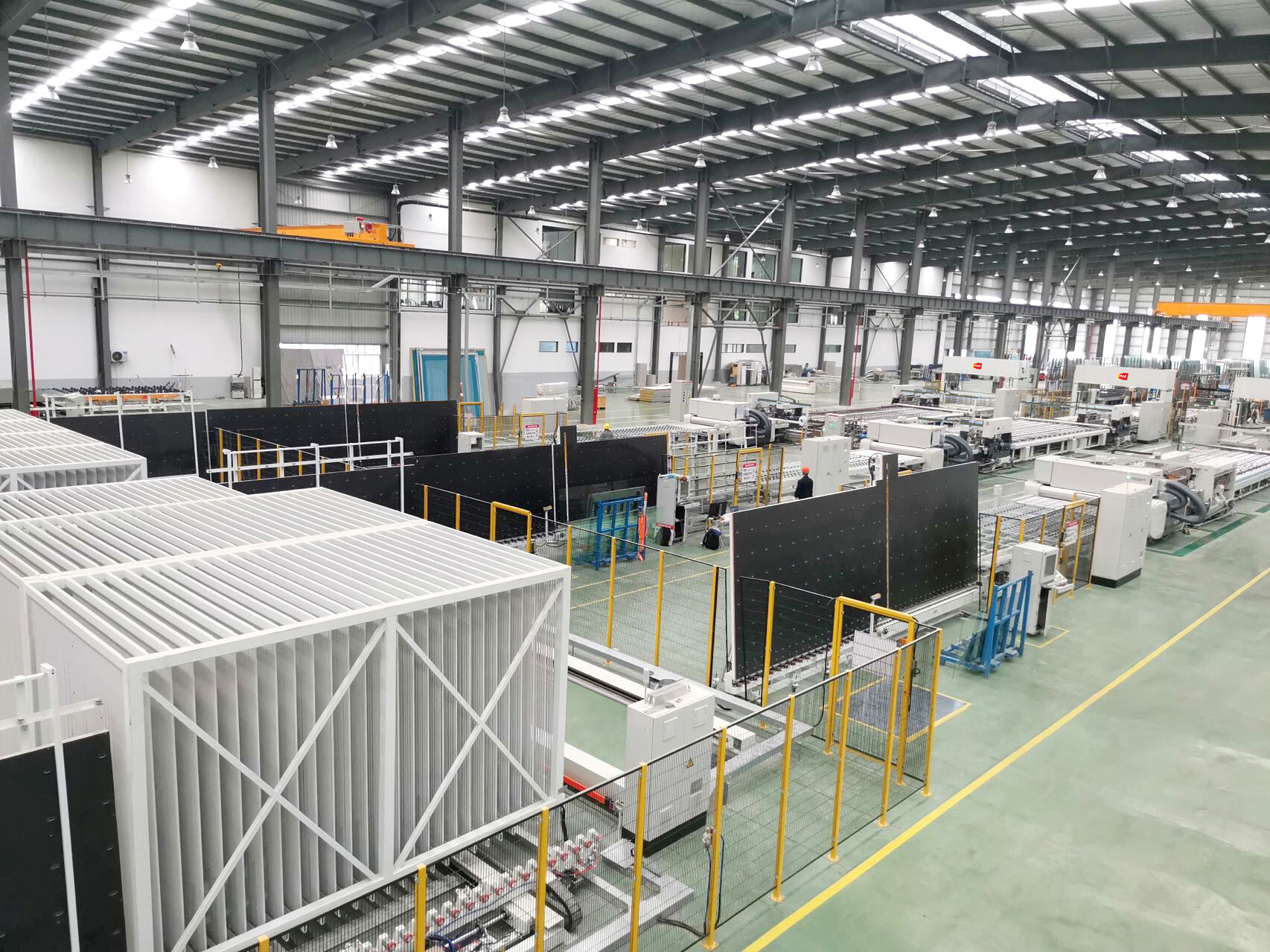
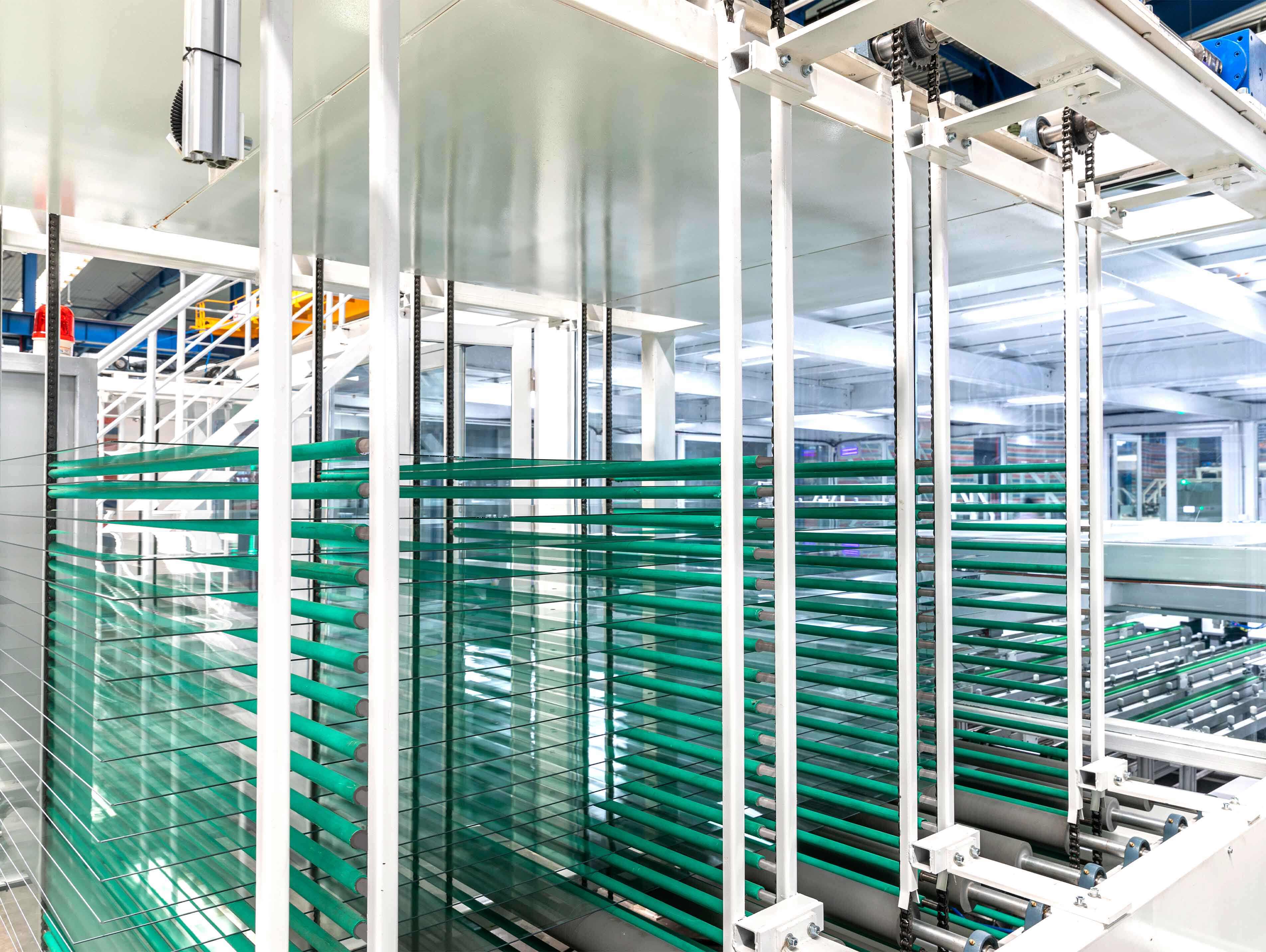
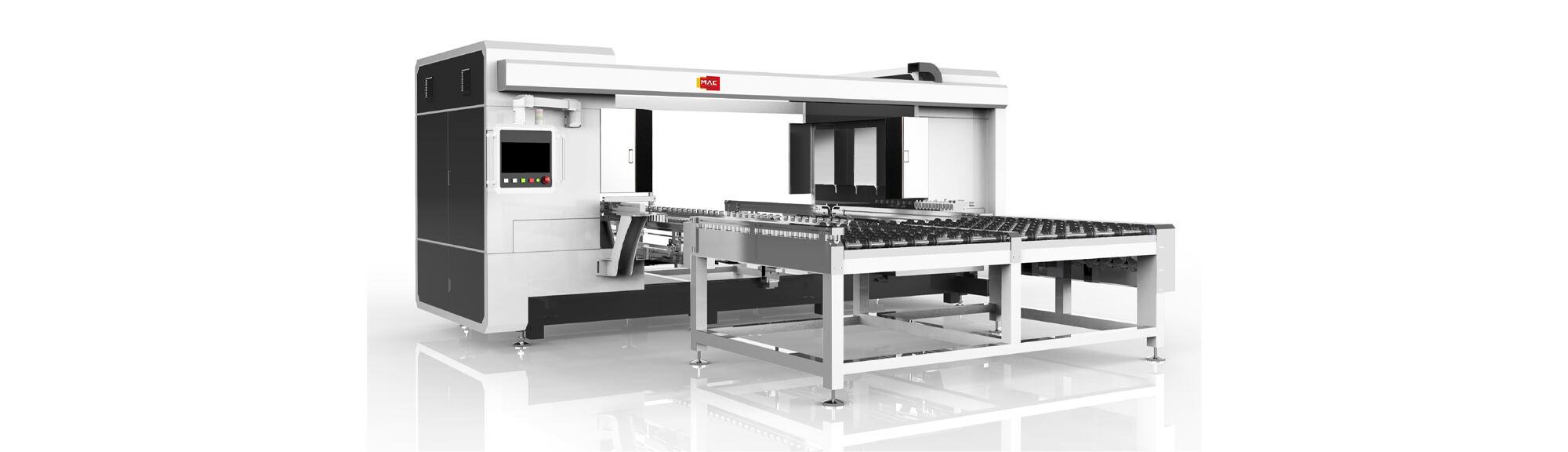
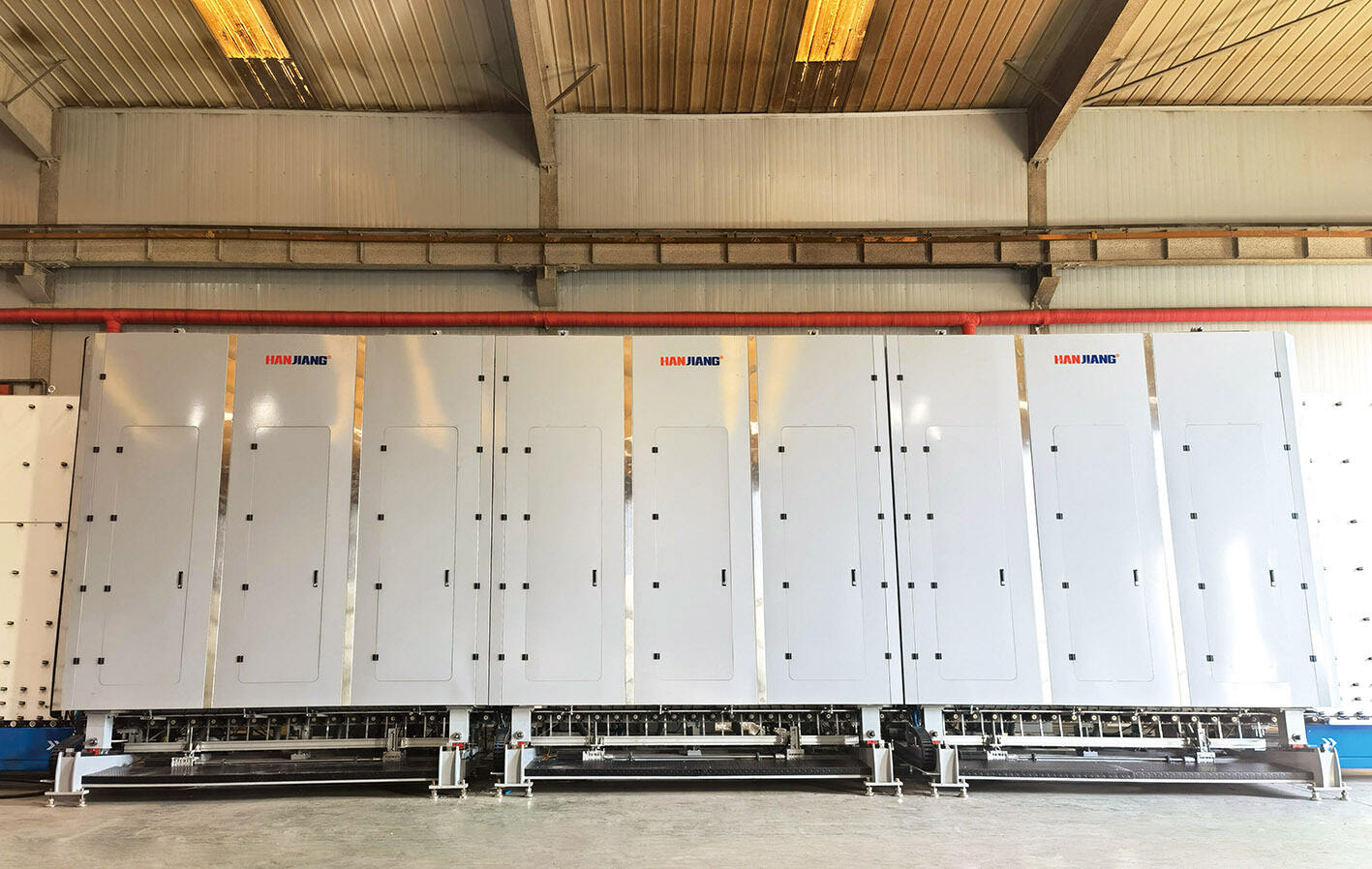
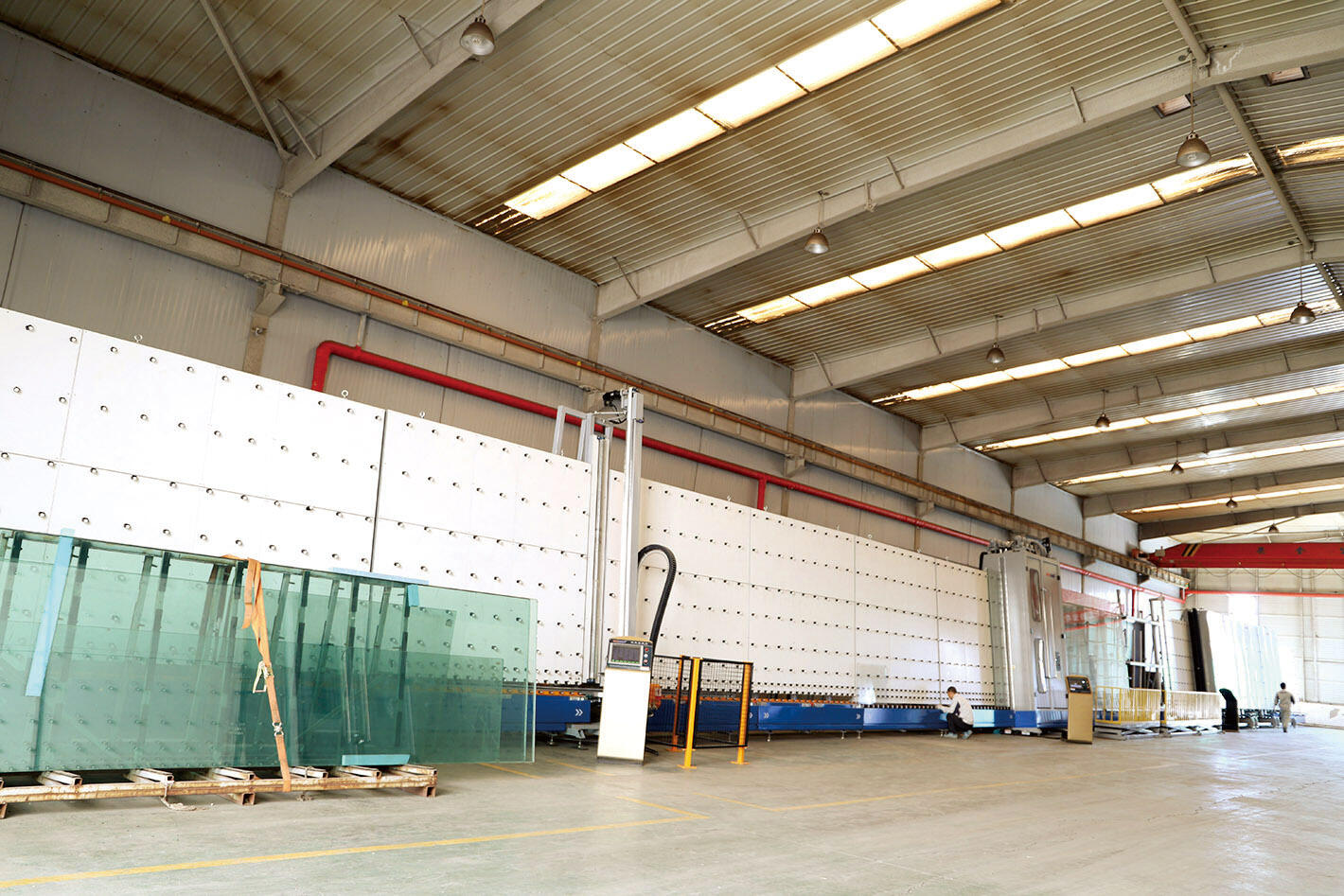
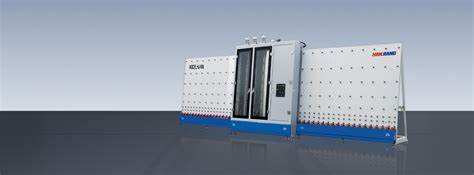
An insulating glass machine represents a sophisticated manufacturing solution designed to produce high-performance double or triple-glazed window units. This specialized equipment automates the process of creating insulated glass units, which consist of multiple glass panes separated by spacer bars and sealed around the edges to form an airtight chamber. The primary function of this machinery involves several critical stages including glass washing, spacer frame assembly, desiccant filling, sealant application, and final pressing to ensure hermetic sealing. Modern insulating glass machines integrate advanced technological features such as computerized control systems, precision sensors, and automated material handling mechanisms that work together to maintain consistent quality standards throughout production. These systems can process various glass thicknesses and dimensions, accommodating different architectural specifications and energy efficiency requirements. The machinery typically includes components like conveyor systems for smooth glass transportation, cleaning stations equipped with brushes and air knives for removing contaminants, automatic spacer bending units that create frames in custom shapes, butyl sealant applicators for primary sealing, and pressing stations that apply uniform pressure to bond all components together. Temperature control systems maintain optimal conditions for sealant curing, while quality inspection modules detect potential defects before products leave the production line. The technological sophistication of insulating glass machines enables manufacturers to achieve superior thermal insulation properties in finished units, significantly reducing heat transfer and improving energy conservation in buildings. Applications span across residential construction, commercial architecture, automotive industries, and specialized sectors requiring climate control solutions. The versatility of these machines allows production facilities to serve diverse market segments, from standard residential windows to custom architectural glazing projects demanding precise specifications and enhanced performance characteristics.

Popular Products

Investing in an insulating glass machine delivers substantial benefits that directly impact your bottom line and operational capabilities. First and foremost, these machines dramatically increase production speed compared to manual assembly methods, allowing your facility to fulfill larger orders within shorter timeframes while maintaining workforce efficiency. The automated nature of the equipment reduces labor costs significantly, as fewer operators are needed to oversee production runs, and human error becomes virtually eliminated from the manufacturing process. Quality consistency stands as another major advantage, with every unit produced meeting identical specifications regardless of production volume or shift changes. This reliability builds customer trust and reduces warranty claims that can drain resources and damage reputation. Energy savings become immediately apparent as the machinery operates with optimized power consumption, using resources efficiently throughout each production cycle. The precision engineering built into modern insulating glass machines ensures minimal material waste, with accurate measurements and controlled application of sealants and desiccants preventing overuse and reducing raw material expenses. Flexibility represents a crucial competitive advantage, as these systems can quickly switch between different product specifications, glass sizes, and configurations without lengthy downtime or complex retooling procedures. This adaptability enables manufacturers to respond swiftly to market demands and accept diverse project requirements without sacrificing efficiency. The machines also improve workplace safety by handling heavy glass panels mechanically, reducing the risk of injuries associated with manual lifting and carrying. Maintenance requirements remain manageable with straightforward service procedures and readily available replacement parts, ensuring maximum uptime and productivity. Quality control features embedded within the system catch defects early in the production process, preventing costly rework and material loss while ensuring that only premium products reach customers. The professional appearance and consistent quality of machine-produced units command higher market prices and open doors to premium project opportunities. Long-term durability of the equipment means your investment continues delivering returns for years, with robust construction withstanding the demands of continuous industrial operation. Environmental benefits also factor prominently, as efficient production processes generate less waste and the superior insulating properties of finished products contribute to building energy efficiency and reduced carbon footprints.

Tips And Tricks

What Safety Features Should Be Built into a Glass Sorting System?

24

Sep

What Safety Features Should Be Built into a Glass Sorting System?

Essential Safety Components for Modern Glass Processing Systems Glass sorting systems are vital components in recycling facilities and glass manufacturing plants, where efficiency must be perfectly balanced with worker protection. These sophisticated...
View More
What Are the Future Trends in Intelligent Glass Sorting Systems?

24

Sep

What Are the Future Trends in Intelligent Glass Sorting Systems?

The Evolution of Advanced Glass Sorting Technology The landscape of glass recycling and processing is undergoing a remarkable transformation through intelligent glass sorting systems. These sophisticated technologies are revolutionizing how we handle...
View More
Why Are CNC Grinding Machines Preferred in Modern Production Lines?

19

Dec

Why Are CNC Grinding Machines Preferred in Modern Production Lines?

Modern manufacturing has undergone a revolutionary transformation with the integration of advanced grinding technologies. Among these innovations, specialized grinding equipment has become indispensable for achieving precision results in various indu...
View More
How Can Grinding Machines Enhance Surface Finish and Dimensional Accuracy?

19

Dec

How Can Grinding Machines Enhance Surface Finish and Dimensional Accuracy?

Manufacturing precision has reached unprecedented levels in modern industrial applications, where surface finish quality and dimensional accuracy determine product performance and market competitiveness. Advanced grinding machines represent the corne...
View More

Get a Free Quote

Our representative will contact you soon.
Email
Name
Company Name
Message
0/1000

insulating glass machine

Advanced Automation Technology That Transforms Production Efficiency

Advanced Automation Technology That Transforms Production Efficiency

The cornerstone advantage of modern insulating glass machines lies in their sophisticated automation technology that revolutionizes how manufacturers approach production workflows. Unlike traditional manual methods that rely heavily on operator skill and physical effort, these advanced systems incorporate programmable logic controllers and intuitive touchscreen interfaces that allow operators to manage entire production sequences with minimal intervention. The automation extends across every critical phase of manufacturing, beginning with the automatic feeding systems that position glass sheets precisely on conveyors, eliminating alignment errors that commonly occur with manual handling. Sensors continuously monitor glass dimensions and surface conditions, automatically adjusting processing parameters to accommodate variations and maintain optimal output quality. The automated spacer frame assembly represents a particularly impressive feature, with machines that can bend aluminum or composite spacer bars into rectangular, square, or custom geometric shapes with millimeter precision, then cut them to exact lengths and join corners seamlessly. Desiccant filling occurs automatically with metered dispensing that ensures consistent moisture absorption capacity in every spacer frame, a critical factor for long-term unit performance and preventing internal condensation. Sealant application systems distribute primary butyl sealant and secondary structural sealants with computer-controlled precision, maintaining uniform bead widths and depths that create reliable barriers against moisture and gas infiltration. The pressing stations apply calibrated pressure across the entire glass surface area, ensuring intimate contact between all components and eliminating voids that could compromise seal integrity. This comprehensive automation delivers multiple tangible benefits for manufacturers seeking competitive advantages in demanding markets. Production speed increases dramatically, with modern machines capable of completing units in minutes compared to the hours required for manual assembly, directly translating to higher daily output volumes and improved order fulfillment capabilities. Labor allocation becomes more strategic, as skilled workers can focus on quality oversight and technical adjustments rather than repetitive physical tasks, while facilities require fewer total employees to maintain equivalent or superior production levels. Consistency across production runs reaches unprecedented levels, with every unit exhibiting identical specifications regardless of which shift produced it or how many thousands have been manufactured, building brand reputation for reliability and reducing costly callbacks for defective products.
Superior Quality Control Systems Ensuring Premium Product Standards

Superior Quality Control Systems Ensuring Premium Product Standards

Quality assurance stands as a defining characteristic that separates professional-grade insulating glass machines from basic manufacturing equipment, with integrated inspection systems that monitor critical parameters throughout the entire production process. These sophisticated quality control mechanisms begin at the glass washing stage, where optical sensors detect residual contaminants, water spots, or surface defects that could compromise final product appearance or adhesion properties, automatically flagging problematic sheets for removal or additional cleaning cycles before they proceed to assembly. During spacer frame preparation, measurement systems verify dimensional accuracy and corner joint integrity, ensuring frames fit glass specifications precisely and maintain structural stability under operational stresses. Sealant application monitoring represents another crucial quality checkpoint, with vision systems that inspect bead placement, width consistency, and coverage completeness, identifying any gaps or irregularities that could create potential leak paths allowing moisture infiltration or gas escape from insulated cavities. The pressing phase incorporates pressure mapping technology that confirms uniform force distribution across entire glass surfaces, preventing areas of insufficient bonding that might fail prematurely in field applications. Final inspection stations employ multiple verification methods including visual examination under specialized lighting conditions, dimensional measurement to confirm specifications match order requirements, and sometimes even electronic testing for gas-filled units to verify proper fill ratios and detect micro-leaks before packaging. These comprehensive quality control systems deliver substantial practical benefits that extend far beyond simple defect detection. Manufacturers experience dramatic reductions in rework rates, as problems are identified and corrected immediately rather than discovered after complete assembly when correction costs multiply significantly. Customer satisfaction improves measurably when every delivered unit performs as specified, meeting thermal efficiency ratings, maintaining clarity without internal fogging, and providing years of trouble-free service that builds lasting relationships and generates referral business. Warranty claim rates drop substantially when quality control eliminates defective products from reaching installation sites, protecting profit margins from expensive field service calls and replacement material costs. Reputation enhancement occurs naturally as consistent quality becomes associated with your brand, opening opportunities for premium projects where architects and contractors specify products based on proven reliability rather than simply lowest price.
Versatile Production Capabilities Meeting Diverse Market Requirements

Versatile Production Capabilities Meeting Diverse Market Requirements

The exceptional versatility built into modern insulating glass machines empowers manufacturers to serve multiple market segments and adapt quickly to evolving customer demands without major equipment investments or prolonged production interruptions. This flexibility manifests across numerous dimensions of operation, starting with the ability to process various glass types including clear float glass, low-emissivity coated glass, tinted or reflective glass, laminated safety glass, and even specialty products like decorative or patterned glass, all on the same production line with simple parameter adjustments. Size accommodation represents another significant versatility advantage, with machines capable of handling everything from small residential window units measuring just a few square feet to massive commercial curtain wall panels spanning ten feet or more in height and width, achieved through adjustable positioning systems and expandable work surfaces that reconfigure to match project requirements. Thickness variations are equally manageable, as modern systems process glass ranging from thin three-millimeter panes for interior applications to thick twelve-millimeter or greater sheets for demanding architectural installations requiring enhanced structural performance, with automatic adjustment of handling pressures and support positions preventing breakage regardless of glass weight or fragility. Spacer bar options extend production versatility further, supporting traditional aluminum spacers, thermally improved composite materials, or advanced warm-edge systems that minimize heat transfer at glass perimeters, with quick-change tooling allowing transitions between spacer types in minutes rather than hours. Gas filling capabilities add another dimension of flexibility for manufacturers serving energy-conscious markets, with integrated systems that evacuate air from insulated cavities and replace it with argon, krypton, or other inert gases that enhance thermal performance, complete with concentration monitoring ensuring proper fill levels that meet building code requirements and energy certification standards. Shape versatility accommodates projects beyond standard rectangular units, with some advanced machines capable of producing triangular, trapezoidal, or even curved insulating glass units that meet unique architectural visions, expanding potential project opportunities and differentiating your manufacturing capabilities from competitors limited to basic configurations. This comprehensive versatility translates directly into competitive business advantages that strengthen market position and revenue potential. Manufacturers can accept diverse projects without turning away opportunities due to equipment limitations, capturing business across residential, commercial, automotive, and specialty sectors with a single production platform. Response times to customer inquiries improve dramatically when you can confidently commit to any specification without equipment concerns, shortening sales cycles and winning competitive bids. Market adaptability increases as you can pivot quickly toward emerging trends like triple-glazed units or vacuum insulated glass without replacing entire production systems, protecting capital investments while maintaining technological relevance in evolving markets.