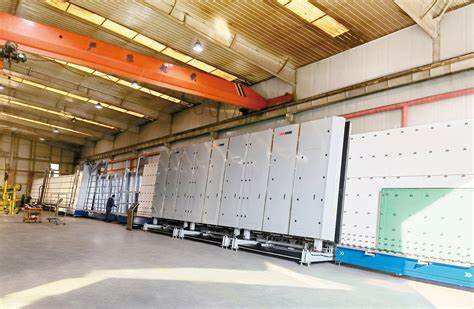
insulated glass price
Understanding insulated glass price involves recognizing the value proposition behind this essential building material that has revolutionized modern construction practices. Insulated glass, commonly known as double glazing or triple glazing, consists of multiple glass panes separated by a spacer filled with air or inert gas to create superior thermal insulation properties. The insulated glass price reflects not just the material costs but the sophisticated manufacturing processes and long-term energy savings this product delivers to property owners. When evaluating insulated glass price, customers should consider the comprehensive thermal performance characteristics that significantly reduce heat transfer between interior and exterior environments. The main functions of insulated glass include temperature regulation, noise reduction, condensation prevention, and enhanced security for residential and commercial buildings. Technological features incorporated into modern insulated glass systems include low-emissivity coatings, argon or krypton gas fills, warm edge spacer technology, and multiple glazing layers that work together to optimize energy efficiency. The insulated glass price varies depending on specifications such as glass thickness, spacer width, gas type, coating options, and overall unit dimensions. Applications for insulated glass span across residential windows, commercial facades, skylights, conservatories, sliding doors, and specialized architectural projects requiring superior insulation performance. The insulated glass price consideration becomes particularly important for builders, architects, and homeowners seeking to balance upfront investment with long-term operational savings through reduced heating and cooling costs. Modern manufacturing techniques have made insulated glass more accessible while maintaining exceptional quality standards, making the insulated glass price increasingly competitive in today's market. Factors influencing insulated glass price include regional labor costs, transportation expenses, customization requirements, and volume purchasing agreements that can provide substantial savings for larger projects requiring multiple units.
 EN
EN
 AR
AR
 BG
BG
 HR
HR
 CS
CS
 DA
DA
 NL
NL
 FI
FI
 FR
FR
 DE
DE
 EL
EL
 HI
HI
 IT
IT
 JA
JA
 KO
KO
 PL
PL
 PT
PT
 RO
RO
 RU
RU
 ES
ES
 SV
SV
 TL
TL
 IW
IW
 LV
LV
 LT
LT
 SK
SK
 SL
SL
 UK
UK
 VI
VI
 ET
ET
 HU
HU
 MT
MT
 TH
TH
 TR
TR
 FA
FA
 MS
MS
 SW
SW
 GA
GA
 AZ
AZ