Automated Pulling and Cooling Systems Guaranteeing Dimensional Consistency
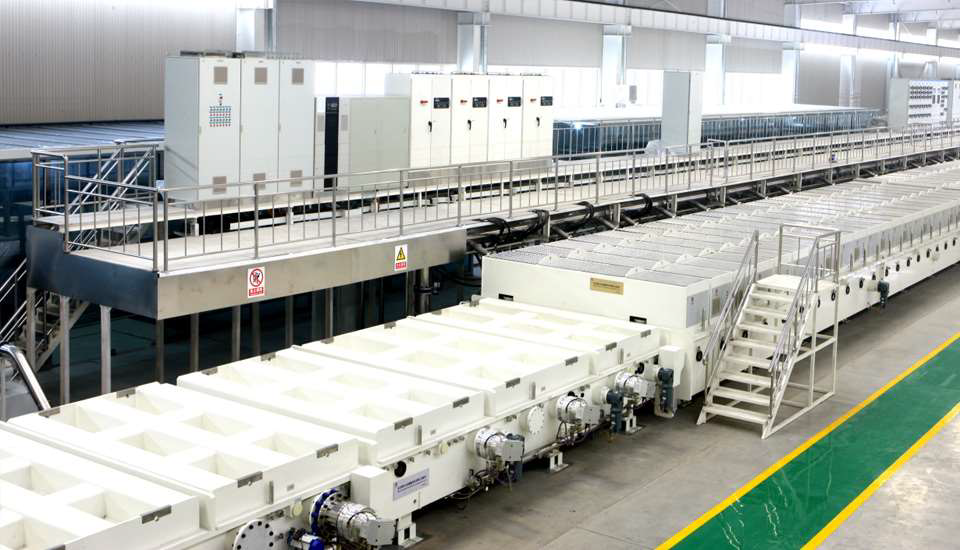
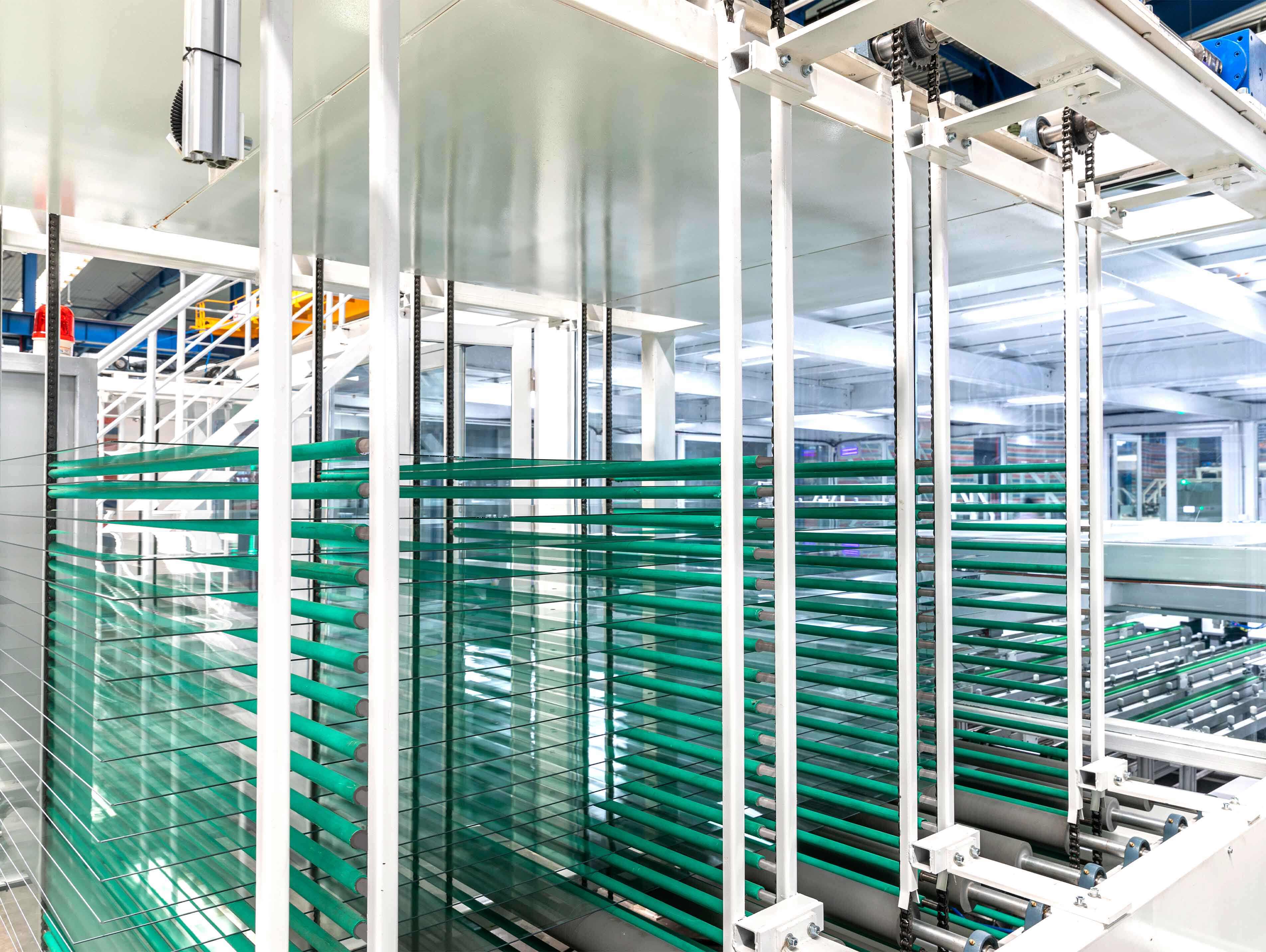
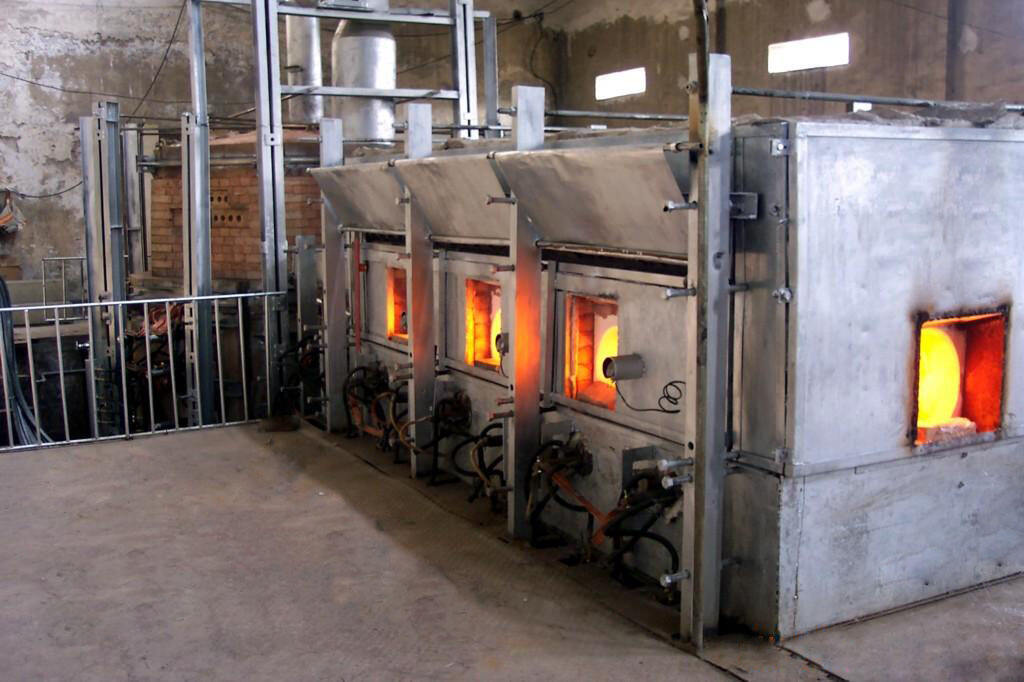
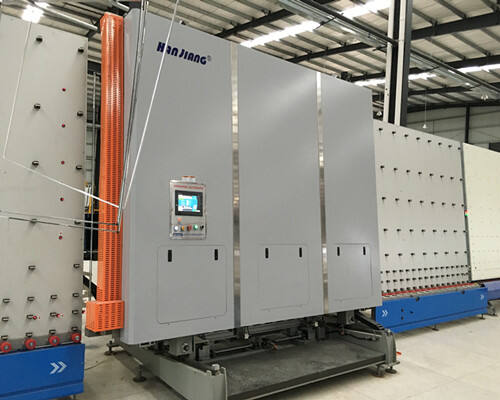
The pulling and cooling systems integrated within sophisticated glass extruder installations deliver the precise control necessary to transform molten glass emerging from forming dies into finished products with guaranteed dimensional accuracy and optimal material properties. This downstream processing capability distinguishes professional glass extruder equipment from basic alternatives, directly impacting product quality and production yield. The pulling mechanism employs servo-controlled drive systems that maintain exact linear velocity regardless of minor resistance variations, ensuring uniform wall thickness in hollow profiles and consistent diameter in solid rods. This glass extruder subsystem continuously monitors pulling force, automatically adjusting drive parameters to compensate for changes in glass viscosity or ambient conditions that might otherwise introduce dimensional variations. Precision encoders provide real-time feedback confirming actual movement matches programmed speeds, with any discrepancies triggering immediate corrections before defects develop. The pulling speed synchronization with extrusion rate represents a critical balance that the glass extruder control system manages automatically, calculating optimal parameters based on product specifications and material characteristics. Operators input desired dimensions through the interface, and sophisticated algorithms determine corresponding equipment settings, eliminating guesswork and reducing setup time substantially. The cooling system works in concert with pulling mechanisms to establish controlled temperature reduction that prevents thermal stress while solidifying glass into its final form. The glass extruder cooling chamber extends several meters downstream from the die, providing adequate distance for gradual temperature transitions. Multiple cooling zones within this chamber allow progressive heat removal, initially moderate to avoid thermal shock, then more aggressive as glass solidifies and stress sensitivity decreases. Air jets, water sprays, or radiant cooling panels positioned strategically throughout the glass extruder cooling system provide the heat removal capacity necessary for production speeds while maintaining the gentle gradients essential for quality. Temperature sensors monitor glass surface conditions throughout the cooling progression, feeding data back to control systems that adjust cooling intensity dynamically. This responsive approach accommodates variations in ambient conditions or production rates that might otherwise compromise annealing quality. The glass extruder incorporates programmable annealing schedules tailored to specific glass compositions and product geometries, ensuring internal stress remains within acceptable limits. Thick-walled products require extended annealing compared to thin sections, and different glass formulations exhibit varying stress sensitivity, factors the control system accounts for automatically. Dimensional measurement systems integrated into advanced glass extruder installations provide continuous verification that finished products meet specifications. Laser micrometers or vision systems scan extruded profiles, comparing actual dimensions against targets and alerting operators immediately if measurements drift outside tolerances. This real-time quality assurance enables prompt corrections, minimizing scrap production during any process disturbances. The pulling system also manages product handling downstream, either coiling flexible products onto spools or cutting rigid sections to specified lengths. This integrated approach streamlines material flow from the glass extruder through to finished goods packaging, reducing handling steps that might introduce damage. Maintenance accessibility receives careful attention in system design, with critical components positioned for convenient inspection and service without requiring extensive disassembly. The glass extruder pulling and cooling systems exemplify how comprehensive engineering addressing every production aspect delivers the reliable performance manufacturers require for competitive success in demanding markets where quality and consistency differentiate premium suppliers from commodity producers.