Water Jet Cutter Metal: Precision Cutting Technology for Superior Metal Fabrication

All Categories

Get a Free Quote

Our representative will contact you soon.
Email
Name
Company Name
Message
0/1000

water jet cutter metal

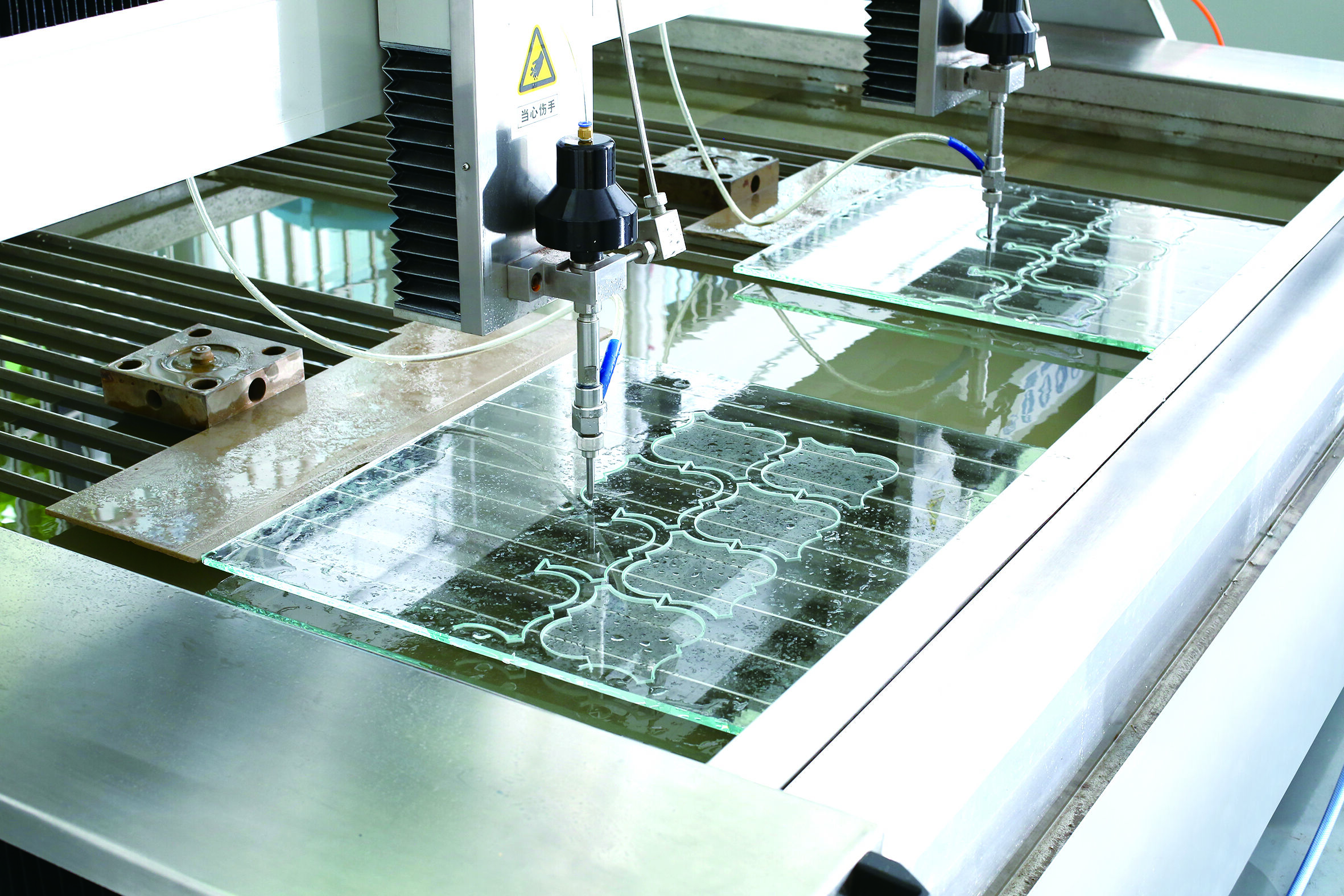
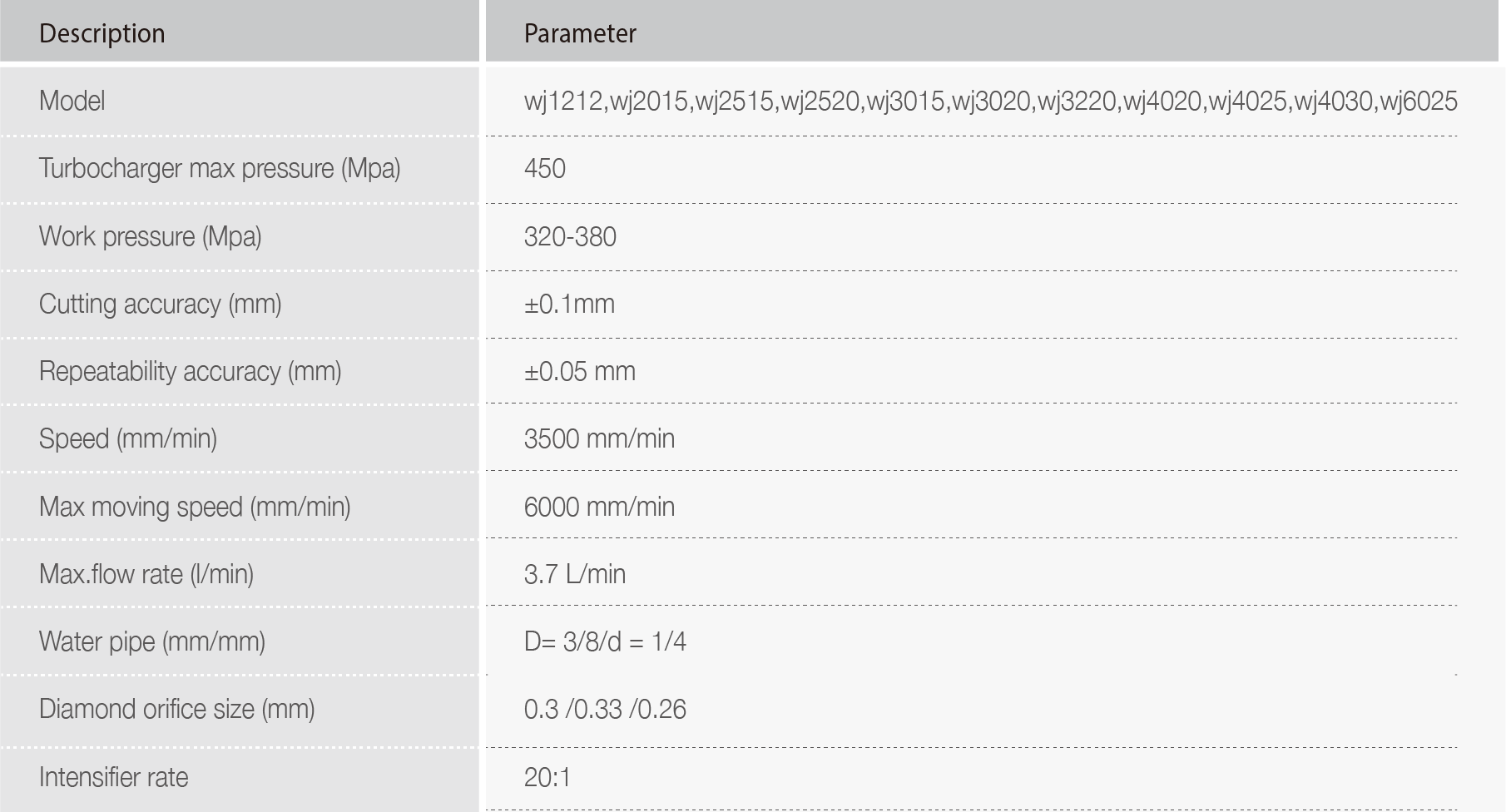
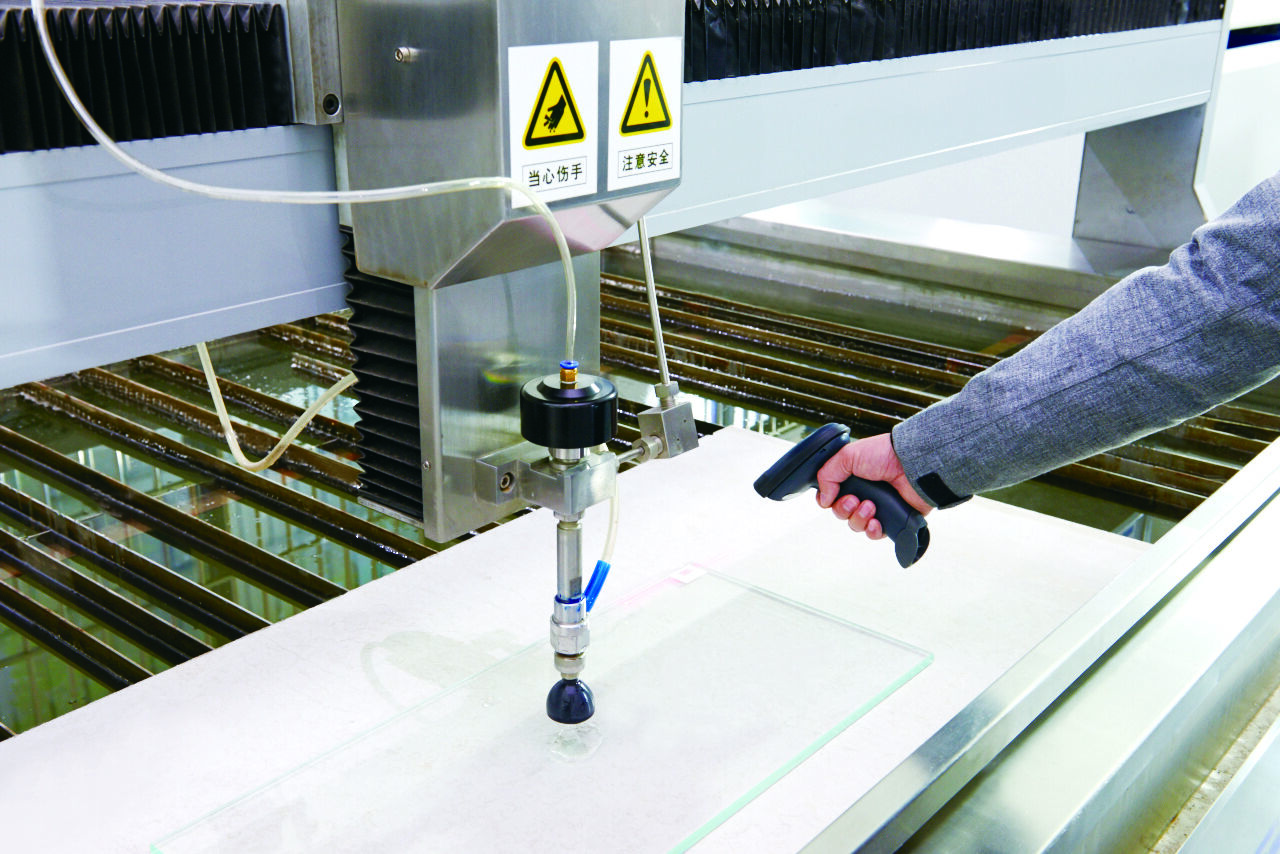
A water jet cutter metal is an advanced cutting technology that uses a high-pressure stream of water, often mixed with abrasive particles, to slice through various metal materials with exceptional precision. This innovative cutting method operates by forcing water through a small nozzle at pressures reaching up to 90,000 pounds per square inch, creating a focused stream capable of cutting through metals ranging from soft aluminum to hardened steel. The water jet cutter metal has revolutionized manufacturing and fabrication processes by offering a cold-cutting solution that eliminates heat-affected zones, thermal distortion, and material hardening that traditional cutting methods produce. The system consists of several key components including a high-pressure pump, cutting head, abrasive delivery system, and computer numerical control interface that guides the cutting path. The technological features of water jet cutter metal include multi-axis cutting capabilities, allowing operators to create complex three-dimensional shapes and beveled edges with remarkable accuracy. The abrasive waterjet cutting process incorporates garnet or other hard particles into the water stream, significantly enhancing cutting power for dense metals and thick materials. This technology finds extensive applications across diverse industries including aerospace, automotive manufacturing, architectural metalwork, industrial fabrication, and artistic metal sculpture. Manufacturers rely on water jet cutter metal for producing intricate components, custom parts, and prototypes without compromising material integrity. The versatility of this cutting method extends to processing stainless steel, titanium, brass, copper, and exotic metal alloys with thicknesses ranging from thin sheets to plates several inches thick. The water jet cutter metal represents a significant advancement in material processing technology, combining precision, versatility, and material preservation in a single cutting solution that meets the demanding requirements of modern manufacturing environments.

Popular Products

The water jet cutter metal delivers numerous practical benefits that directly impact your production efficiency and bottom line. First and foremost, this cutting method produces no heat during operation, which means your metal materials remain free from thermal stress, warping, or hardening that occurs with plasma or laser cutting. You can work with heat-sensitive materials without worrying about changing their molecular structure or mechanical properties. The absence of heat-affected zones means you eliminate the need for secondary finishing operations, saving both time and money in your production workflow. Another significant advantage is the remarkable versatility this technology offers. You can cut virtually any metal material regardless of its hardness, thickness, or composition using the same machine setup. Whether you need to process soft aluminum one day and hardened tool steel the next, your water jet cutter metal handles both tasks effortlessly. This flexibility eliminates the need for multiple cutting systems, reducing your equipment investment and facility space requirements. The precision capabilities of water jet cutter metal allow you to achieve tolerances as tight as 0.003 inches, ensuring your parts meet exact specifications without requiring extensive post-processing. You can create intricate designs, sharp corners, and complex geometries that would be impossible or extremely difficult with conventional cutting methods. The narrow kerf width, typically less than one millimeter, means you waste minimal material during cutting, maximizing material utilization and reducing scrap costs. Environmental friendliness stands as another compelling advantage. The water jet cutter metal produces no toxic fumes, hazardous gases, or airborne particles that require expensive ventilation systems or pose health risks to operators. The cutting process generates minimal waste, with used garnet abrasive being the primary byproduct, which can often be recycled or disposed of safely. Operating costs remain competitive compared to other cutting technologies. While initial water consumption might seem significant, the absence of expensive consumables like plasma electrodes or laser optics reduces long-term operational expenses. Your maintenance requirements stay minimal, with the high-pressure pump and cutting head being the primary components needing periodic service. You also gain the ability to start cutting from the edge of your material or pierce directly through the middle, offering greater flexibility in part nesting and material layout optimization. The water jet cutter metal operates with relatively low noise levels compared to mechanical cutting methods, creating a more comfortable work environment for your operators while meeting workplace safety regulations without extensive sound dampening investments.

Tips And Tricks

What Are the Benefits of Using an Automated Glass Sorting System?

24

Sep

What Are the Benefits of Using an Automated Glass Sorting System?

Revolutionizing Glass Recycling Through Advanced Automation The glass recycling industry is undergoing a remarkable transformation with the integration of automated glass sorting systems. These sophisticated technologies are reshaping how recycling f...
View More
What Are the Future Trends in Intelligent Glass Sorting Systems?

24

Sep

What Are the Future Trends in Intelligent Glass Sorting Systems?

The Evolution of Advanced Glass Sorting Technology The landscape of glass recycling and processing is undergoing a remarkable transformation through intelligent glass sorting systems. These sophisticated technologies are revolutionizing how we handle...
View More
What Factors Influence Compatibility With Different Glass Sheet Sizes?

19

Dec

What Factors Influence Compatibility With Different Glass Sheet Sizes?

Glass manufacturing and processing industries face critical decisions when selecting equipment that can accommodate varying sheet dimensions. Modern fabrication facilities require versatile solutions that maintain precision across different material ...
View More
What Should Manufacturers Consider When Selecting Equipment for Insulating Glass Production?

19

Dec

What Should Manufacturers Consider When Selecting Equipment for Insulating Glass Production?

Modern insulating glass manufacturing demands precision, efficiency, and cutting-edge technology to meet the growing requirements of energy-efficient building construction. Selecting the right equipment for insulating glass production involves carefu...
View More

Get a Free Quote

Our representative will contact you soon.
Email
Name
Company Name
Message
0/1000

water jet cutter metal

Unmatched Material Preservation and Quality Integrity

Unmatched Material Preservation and Quality Integrity

The water jet cutter metal stands apart from conventional cutting technologies through its unique ability to preserve material integrity throughout the entire cutting process. Unlike thermal cutting methods such as plasma, laser, or oxy-fuel systems, the water jet cutter metal operates as a cold-cutting technology, meaning it generates absolutely no heat that could alter the metallurgical properties of your workpiece. This fundamental characteristic delivers profound implications for manufacturers working with materials where maintaining precise mechanical properties is critical. When you cut metal with heat-based methods, the extreme temperatures create a heat-affected zone along the cut edge where the material's grain structure changes, potentially leading to brittleness, reduced fatigue resistance, or dimensional changes as the material cools. With water jet cutter metal technology, you completely eliminate these concerns because the cutting action relies purely on mechanical erosion rather than thermal energy. The high-velocity water stream mixed with abrasive particles physically removes material molecules without raising temperatures beyond ambient levels. This preservation of material properties proves especially valuable when working with hardened steels, aerospace alloys, or tempered materials where any heat exposure would compromise carefully controlled material characteristics. Manufacturers in the aerospace sector particularly value this attribute because components must maintain certified material specifications throughout fabrication. The absence of thermal distortion also means your cut parts remain perfectly flat and dimensionally stable, eliminating the need for flattening operations or stress-relieving treatments that add cost and time to production schedules. Additionally, the water jet cutter metal produces exceptionally smooth cut edges with minimal burr formation, often eliminating secondary deburring operations entirely. The edge quality achieved through waterjet cutting frequently meets final specifications without any additional finishing, allowing parts to move directly from the cutting table to assembly or packaging. This reduction in processing steps translates directly into labor savings, shortened lead times, and improved production throughput. The consistent quality across different materials and thicknesses further enhances manufacturing efficiency because operators do not need to adjust techniques or anticipate varying results when switching between different metal types or dimensions.
Extraordinary Versatility Across Materials and Applications

Extraordinary Versatility Across Materials and Applications

The water jet cutter metal represents a truly universal cutting solution capable of processing an incredibly diverse range of materials, thicknesses, and geometries within a single machine platform. This exceptional versatility eliminates the need for multiple specialized cutting systems, dramatically reducing capital equipment investment while simplifying production planning and facility management. With a water jet cutter metal in your facility, you gain the capability to cut soft metals like aluminum, copper, and brass with the same equipment that handles hardened tool steels, titanium alloys, and exotic materials such as Inconel or Hastelloy. The system accomplishes this remarkable range by simply adjusting operating parameters such as water pressure, abrasive flow rate, and cutting speed through the computerized control system. No expensive tooling changes, no specialized fixtures, and no complex setup procedures are required when transitioning between vastly different materials. This flexibility proves invaluable for job shops, prototype developers, and manufacturers who work with varied materials or frequently changing product designs. The thickness capacity of water jet cutter metal technology extends from delicate foils measuring mere thousandths of an inch up to solid plates exceeding twelve inches thick, with the same machine handling both extremes effectively. When cutting thicker materials, you simply reduce the cutting speed to allow the water stream adequate time to erode through the full depth while maintaining cut quality. The geometry capabilities equally impress, as water jet cutter metal systems execute intricate patterns, sharp internal corners, small diameter holes, and complex three-dimensional shapes that challenge or exceed the capabilities of alternative cutting methods. The narrow kerf width, typically between 0.020 and 0.040 inches depending on nozzle size, enables tight nesting of parts to maximize material utilization, directly reducing material costs per component. Advanced multi-axis cutting heads available on premium water jet cutter metal systems allow bevel cutting, chamfering, and three-dimensional shaping operations that previously required multiple machines or extensive manual finishing work. You can program complex cutting paths that include beveled edges for weld preparation, countersinks for fastener installation, or artistic sculptural elements, all executed in a single automated operation that ensures consistency across production runs.
Superior Operational Safety and Environmental Responsibility

Superior Operational Safety and Environmental Responsibility

The water jet cutter metal technology delivers exceptional workplace safety and environmental performance that distinguishes it from alternative metal cutting methods, creating a healthier work environment while reducing regulatory compliance burdens and environmental impact. Unlike plasma cutting which generates intense ultraviolet radiation requiring protective screens and specialized eye protection, or laser cutting which produces potentially hazardous fumes requiring expensive extraction systems, the water jet cutter metal operates with minimal safety concerns and environmental emissions. The cutting process produces no toxic gases, hazardous fumes, or airborne metal particles that could pose respiratory risks to operators or require complex ventilation infrastructure. The water stream effectively captures and contains virtually all cut material particles, carrying them into the catcher tank where they settle harmlessly rather than becoming airborne contaminants. This containment characteristic means your facility air quality remains excellent without requiring powerful exhaust systems, reducing both installation costs and ongoing energy consumption for ventilation. Operators working near water jet cutter metal equipment face no exposure to harmful radiation, extreme heat, or dangerous fumes, allowing them to work comfortably without specialized protective equipment beyond standard safety glasses and hearing protection. The noise levels generated by water jet cutter metal systems, while noticeable, remain significantly lower than mechanical shearing, punching, or sawing operations, contributing to a more pleasant work environment and easier compliance with occupational noise exposure regulations. The environmental footprint of water jet cutter metal technology proves remarkably small compared to thermal cutting alternatives. The primary consumables are water, which can often be recycled through filtration systems to extend usage, and garnet abrasive, a naturally occurring mineral that poses no environmental hazards and can frequently be recycled or disposed of as non-hazardous waste. No toxic cutting gases, no hazardous oils or coolants, and no dangerous chemical processes are involved in the operation. The waste stream consists primarily of settled metal particles mixed with spent abrasive, which can often be separated and recycled, with the metal recovered for scrap value. This clean operation reduces your facility's environmental compliance requirements, potentially eliminating the need for air quality permits, hazardous waste handling procedures, or special disposal arrangements that burden operations using alternative cutting technologies. The water jet cutter metal aligns perfectly with modern corporate sustainability initiatives and environmental responsibility programs, allowing you to promote your commitment to green manufacturing practices while actually reducing operational costs and regulatory exposure.