best waterjet cutting machine
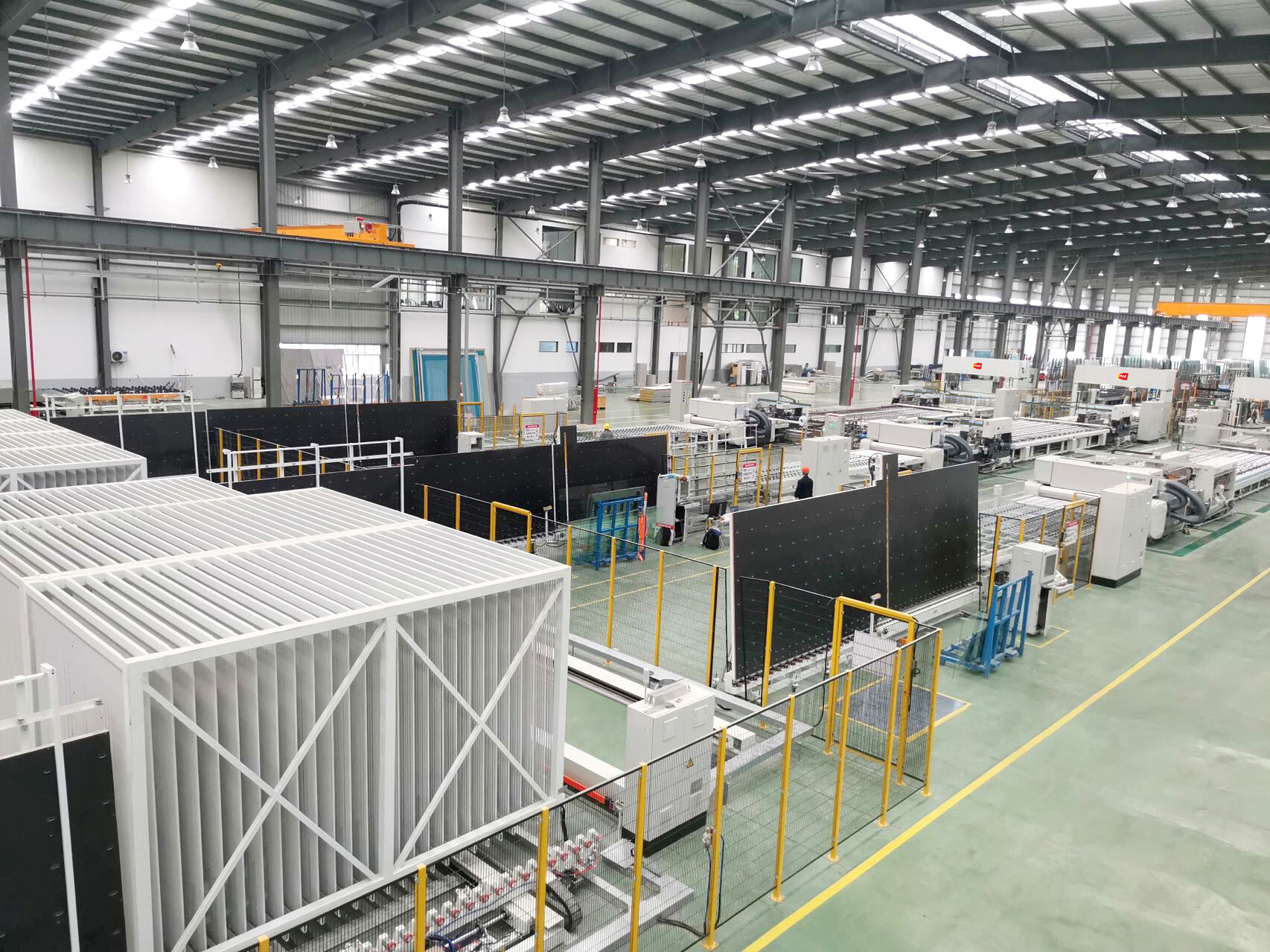
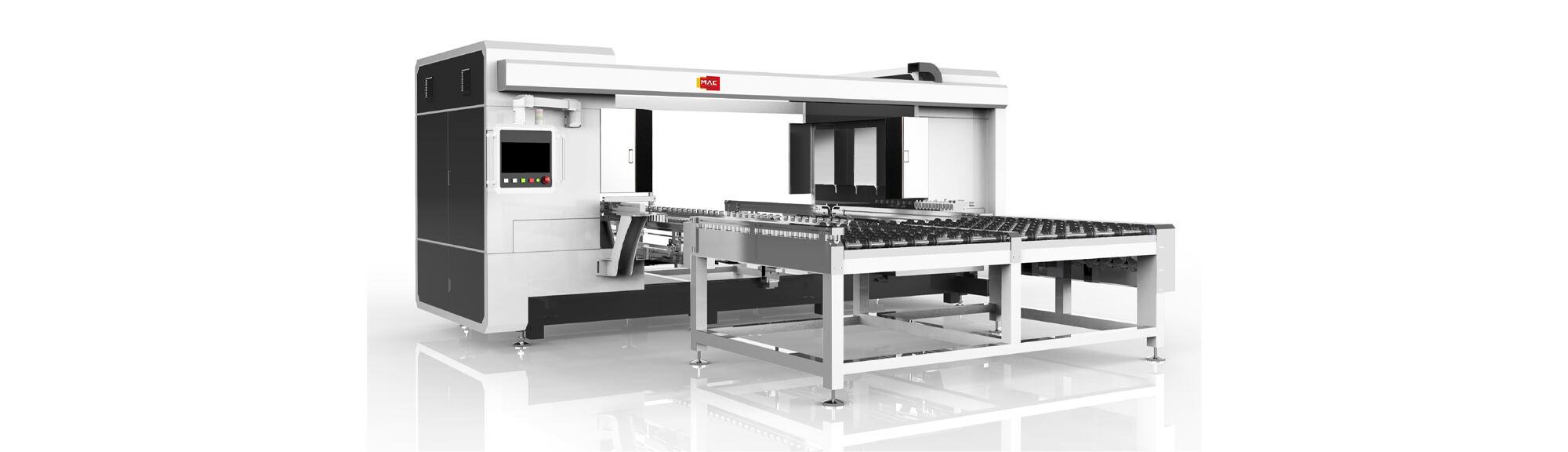
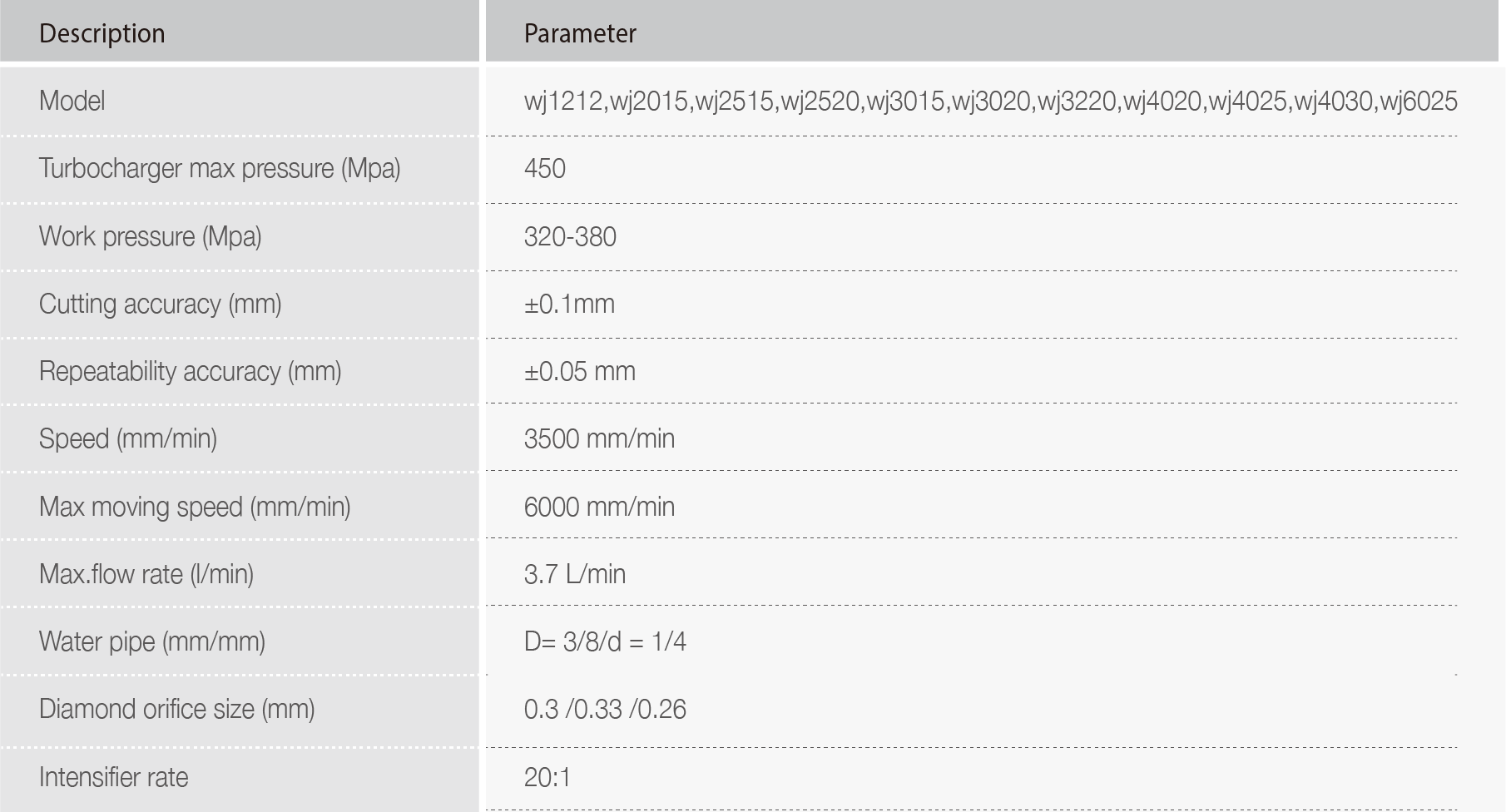
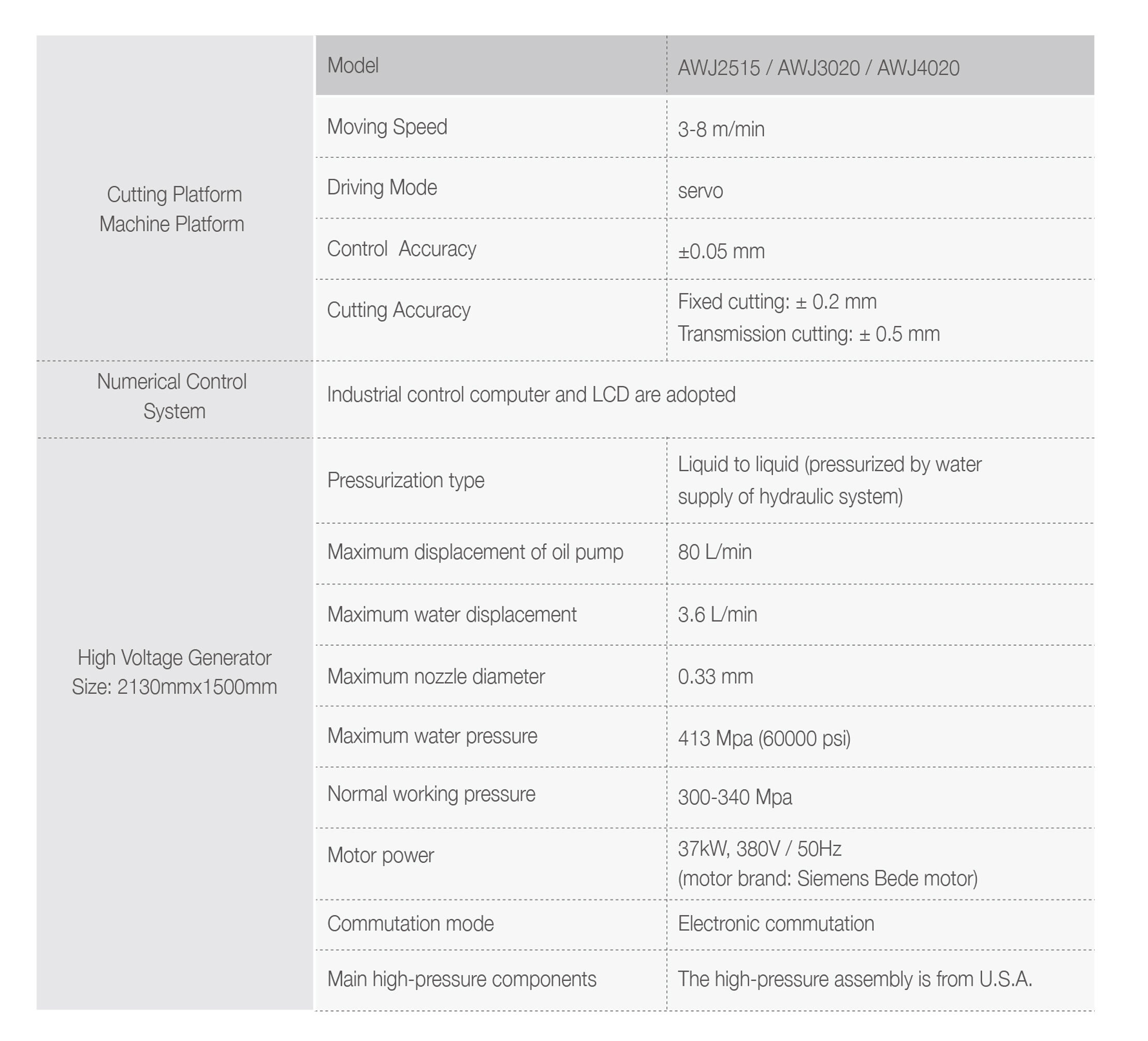
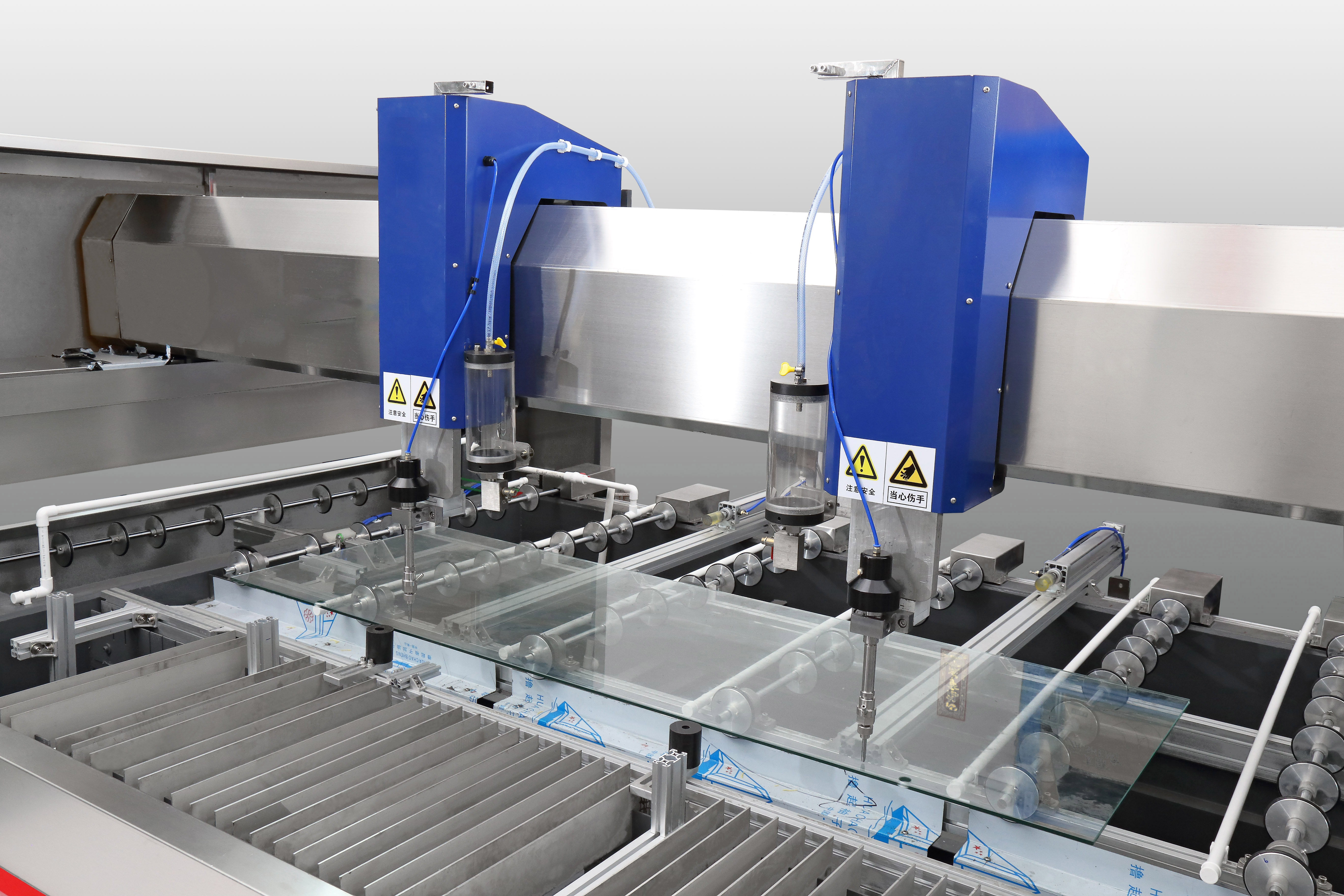
The best waterjet cutting machine represents a pinnacle of precision manufacturing technology that utilizes ultra-high-pressure water streams, often combined with abrasive particles, to cut through virtually any material with exceptional accuracy. This advanced cutting solution operates by pressurizing water to extreme levels, typically between 50,000 and 90,000 PSI, and forcing it through a small orifice to create a focused cutting stream capable of slicing through materials ranging from soft rubber and foam to hardened steel, titanium, glass, stone, and composites. The best waterjet cutting machine integrates sophisticated computer numerical control systems that enable operators to execute complex cutting patterns with repeatable precision, making it an indispensable tool across diverse industries including aerospace, automotive, architecture, manufacturing, and artistic fabrication. The technological features of the best waterjet cutting machine include dynamic cutting head technology that automatically adjusts pressure and speed based on material properties, multi-axis cutting capabilities that allow for beveled edges and three-dimensional shapes, and advanced software interfaces that seamlessly import CAD files for direct translation into cutting paths. These machines incorporate precision linear motion systems, robust gantry structures, and high-efficiency pumps designed for continuous operation in demanding production environments. The main functions extend beyond simple cutting to include drilling, shaping, etching, and surface preparation without generating heat-affected zones that could compromise material integrity. Applications span decorative metalwork, intricate gasket production, custom stone countertops, aerospace component fabrication, automotive interior parts, industrial prototyping, and artistic installations. The best waterjet cutting machine delivers unmatched versatility by eliminating the need for multiple specialized cutting tools, reducing material waste through narrow kerf widths, and maintaining the structural properties of materials by avoiding thermal distortion, making it the preferred choice for manufacturers seeking maximum flexibility and quality in their cutting operations.
 EN
EN
 AR
AR
 BG
BG
 HR
HR
 CS
CS
 DA
DA
 NL
NL
 FI
FI
 FR
FR
 DE
DE
 EL
EL
 HI
HI
 IT
IT
 JA
JA
 KO
KO
 PL
PL
 PT
PT
 RO
RO
 RU
RU
 ES
ES
 SV
SV
 TL
TL
 IW
IW
 LV
LV
 LT
LT
 SK
SK
 SL
SL
 UK
UK
 VI
VI
 ET
ET
 HU
HU
 MT
MT
 TH
TH
 TR
TR
 FA
FA
 MS
MS
 SW
SW
 GA
GA
 AZ
AZ