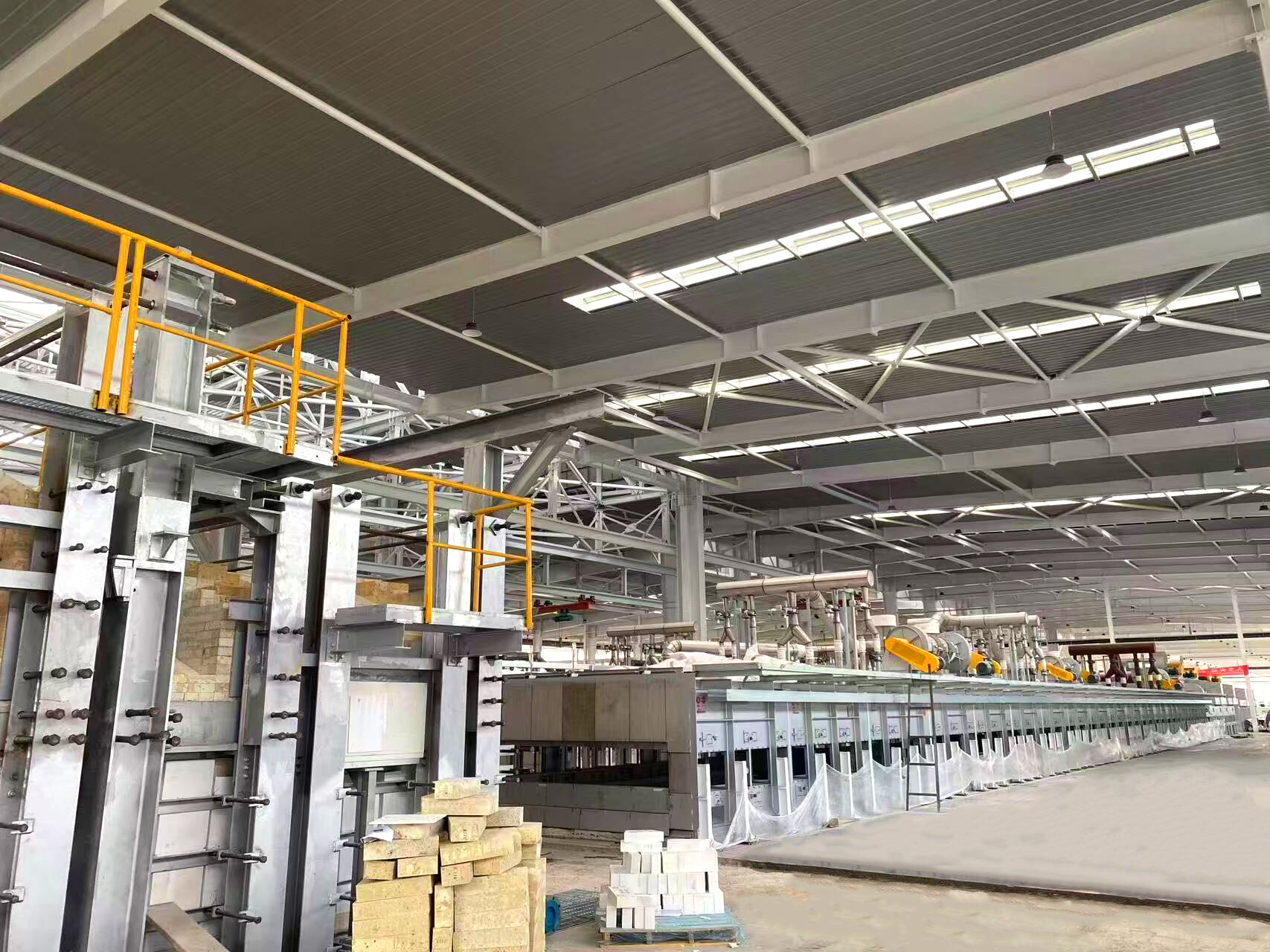
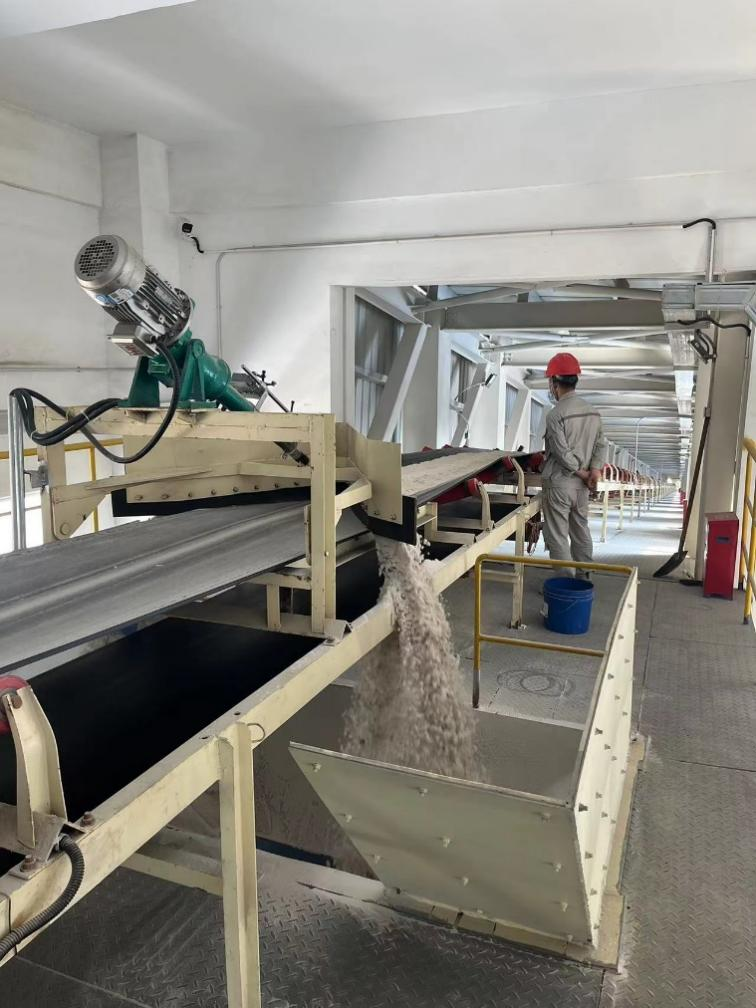
üzən şüşə istehsal xətti
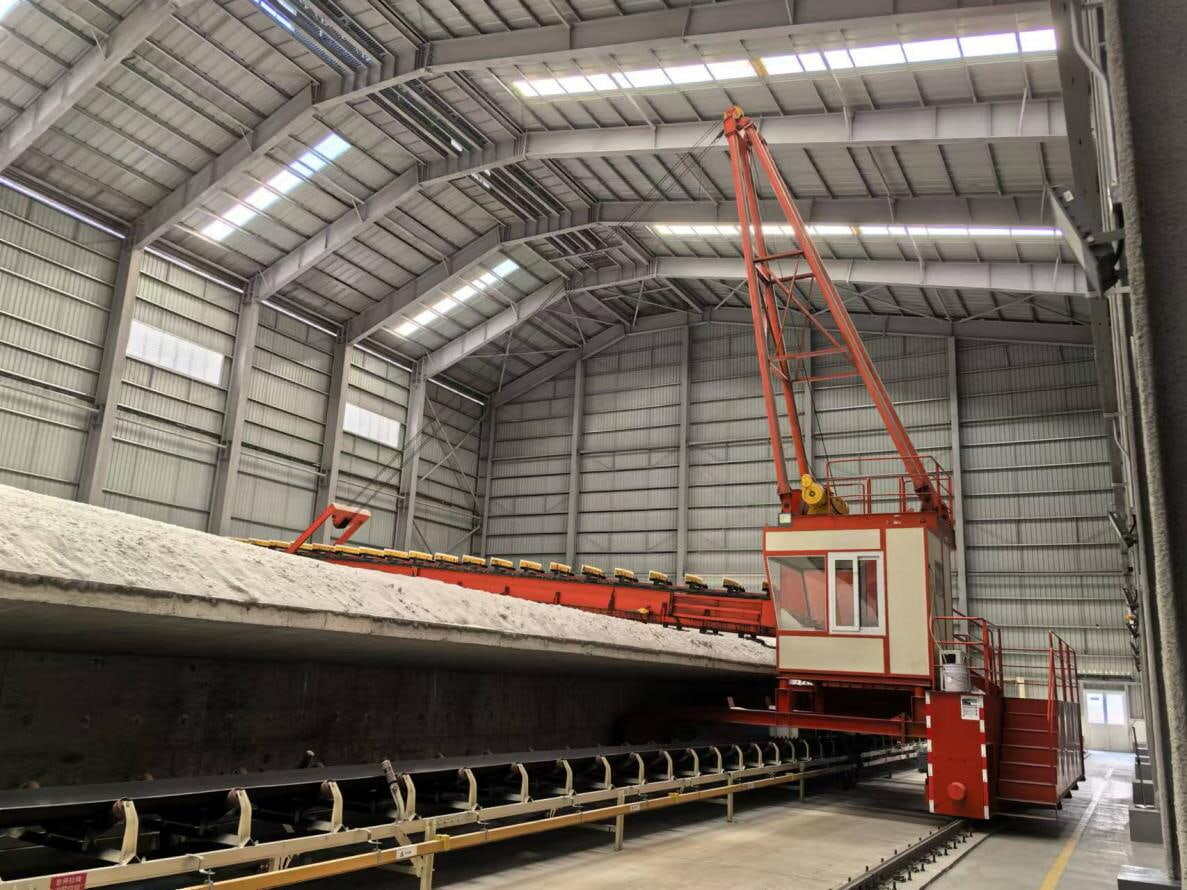
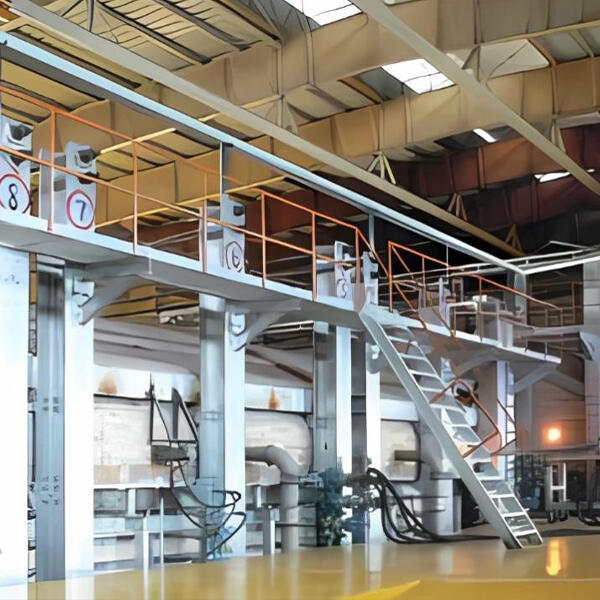
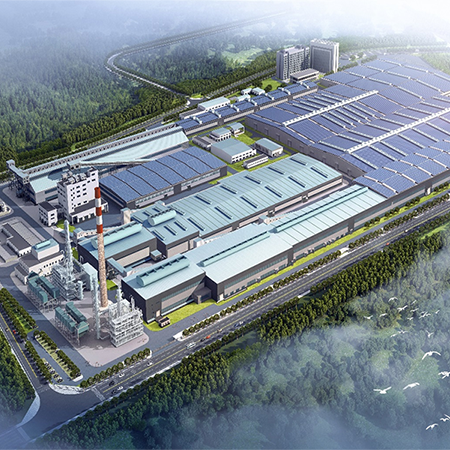
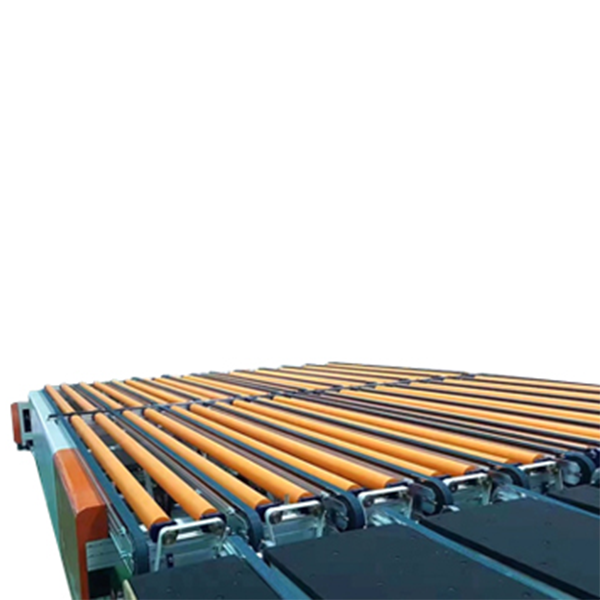
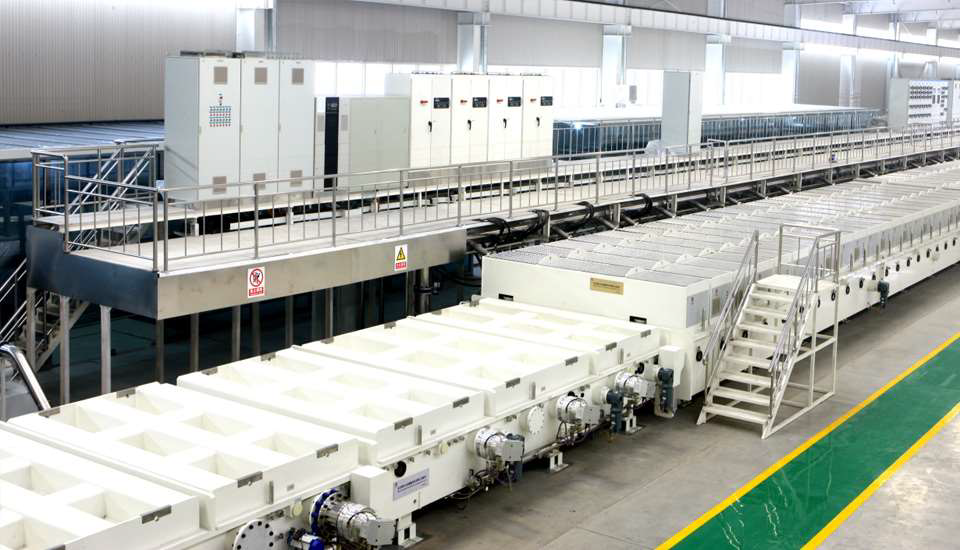
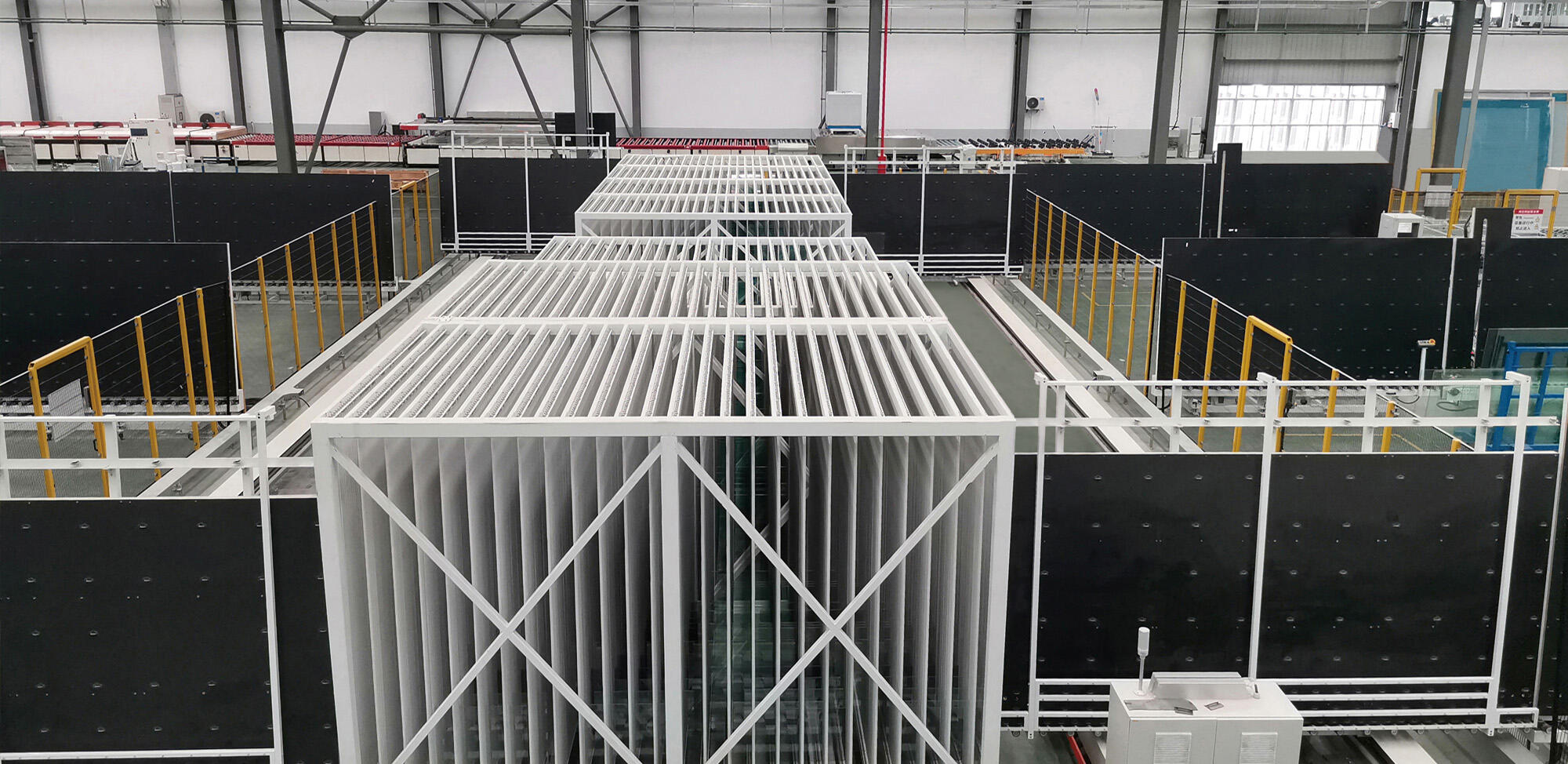
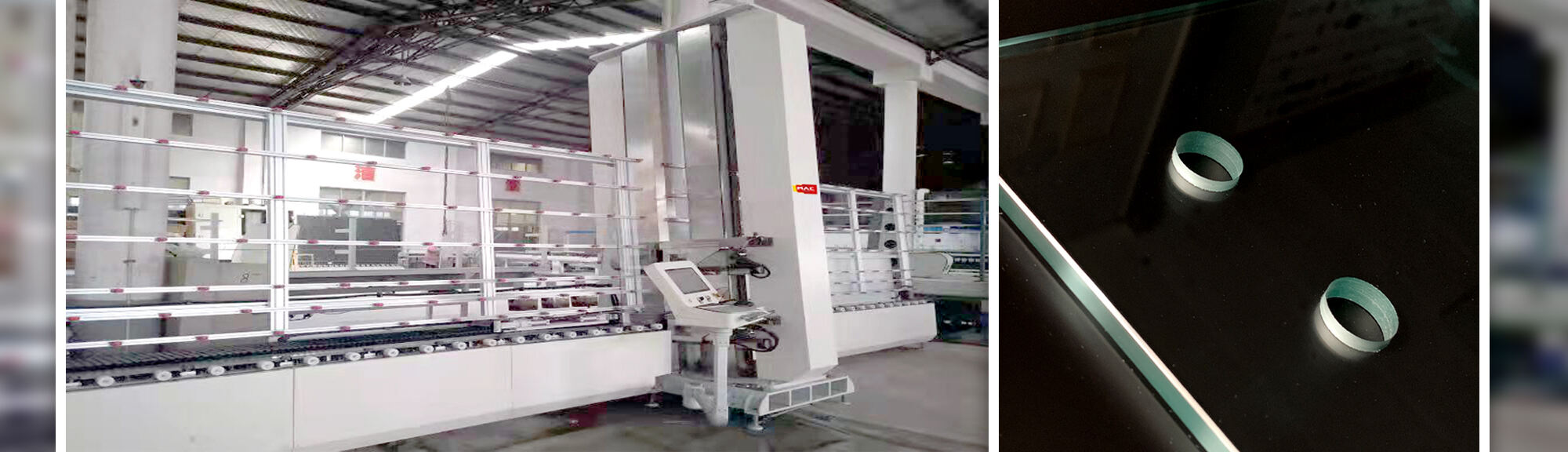
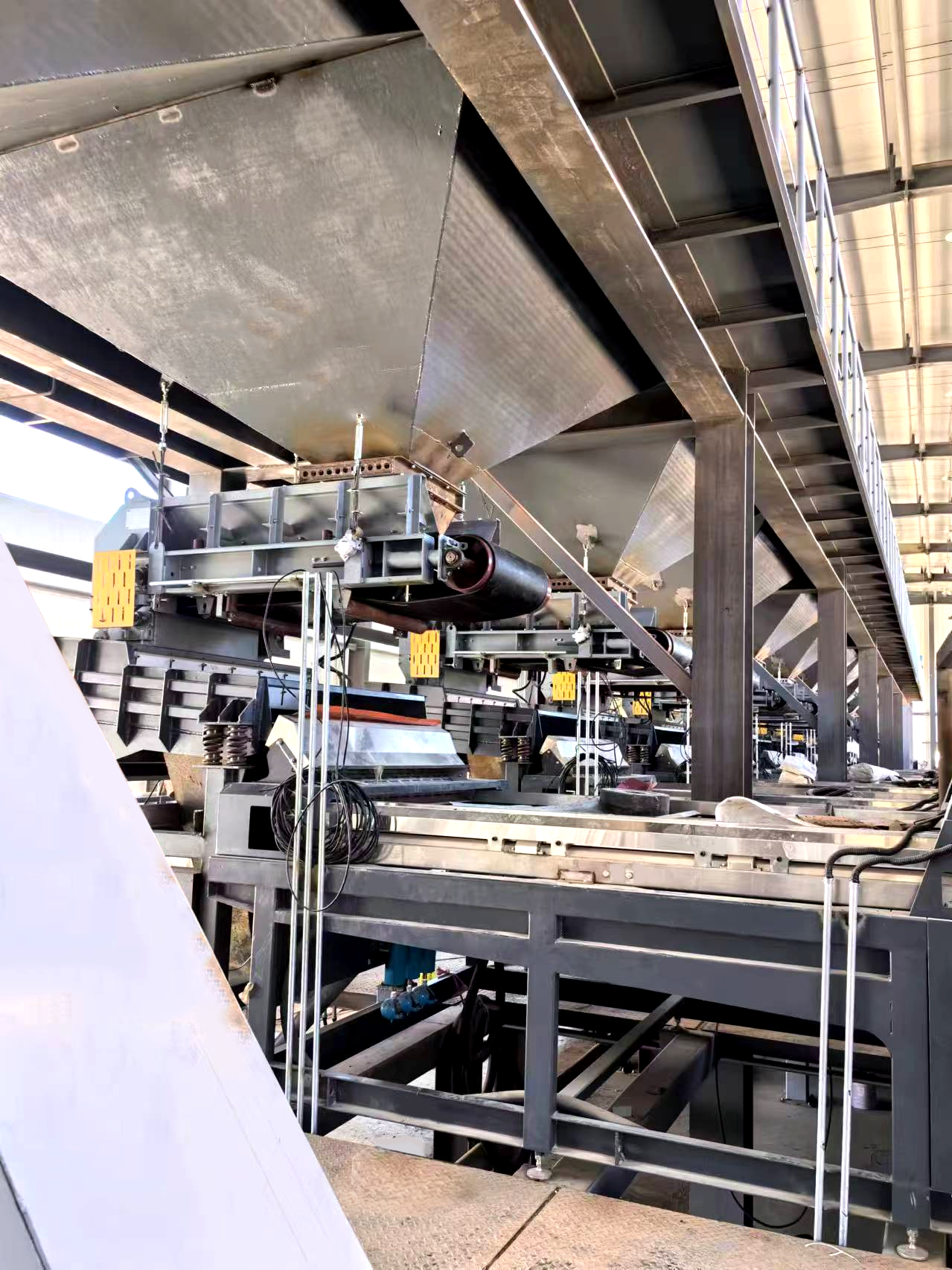
Yüzeyi düz şüşə istehsal xətti, yüksək keyfiyyətli müstəvi şüşəni davamlı proses vasitəsilə istehsal etmək üçün nəzərdə tutulmuş mürəkkəb bir istehsal sistemi təmsil edir. Bu irəliləmiş texnologiya xammalı sənaye tələblərini ödəyən, mükəmməl şüşə lövhələrinə çevirməyə imkan verir. İstehsal xətti qum, soda-əsasi, gips və digər materialların 1500 dərəcə Selsiydan yuxarı temperaturda sobada əriməsi ilə işə düşür. Ərimiş halda şüşə maye qurğuşun banyosuna axır və bura da bərabər şəkildə yayılaraq eyni qalınlığa malik lent əmələ gətirir. Bu üsul, ənənəvi şüşə istehsal üsullarının əldə edə bilmədiyi mükəmməl müstəvilik və optik aydınlıq təmin edir. Bu istehsal sisteminin əsas funksiyaları çoxsaylı zonalar üzrə dəqiq temperatur idarəsi, avtomatlaşdırılmış materialların idarə edilməsi, davamlı lent formalaşdırılması, nəzarət olunan soyuma prosesləri və keyfiyyət yoxlama stansiyalarıdır. Texnoloji xüsusiyyətlər hər bir parametri real vaxtda izləyən kompüterləşdirilmiş monitorinq sistemlərini əhatə edir ki, bu da məhsulun sabit keyfiyyətini təmin edir. Annealing lehr (soyutma peç) şüşənin daxili gərginlik yaratmadan temperaturunu yavaş-yavaş azaldır, avtomatlaşdırılmış kəsici sistemlər isə şüşəni müəyyən spesifikasiyalara uyğun ölçülərdə kəsir. Müasir xətlər istehsal prosesinə geri qaytarılaraq səmərəliliyi əhəmiyyətli dərəcədə artırılan itirilmiş istiliyi toplayan enerji bərpası sistemlərini inteqrasiya edir. Bu üsulla istehsal olunan şüşənin tətbiq sahələri tikinti, avtomobil sənayesi, günəş enerjisi, elektronika və mebellər dizaynı daxil olmaqla bir çox sənaye sahəsini əhatə edir. Memarlar bu şüşəni onun üstün optik xüsusiyyətləri səbəbindən ticari binalar, yaşayış layihələri və fasadlar üçün göstərir. Avtomobil istehsalçıları onu güclülüyü və aydınlığı səbəbindən ön şüşələr və pəncərələr üçün istifadə edirlər. Günəş enerjisi sənayesi onu fotovoltaik panel altlıqları kimi, elektronika istehsalçıları isə ekran displeylərinə daxil etmək üçün istifadə edirlər. Bu istehsal prosesinin universal təbiəti istehsalçıların ultra nazik lövhələrdən tutmuş qalın panelə qədər müxtəlif qalınlıqlarda şüşə istehsal etməsinə imkan verir və beləliklə, qlobal bazarlarda müxtəlif bazar tələblərini və müştərilərin spesifikasiyalarını ödəyir.
 EN
EN
 AR
AR
 BG
BG
 HR
HR
 CS
CS
 DA
DA
 NL
NL
 FI
FI
 FR
FR
 DE
DE
 EL
EL
 HI
HI
 IT
IT
 JA
JA
 KO
KO
 PL
PL
 PT
PT
 RO
RO
 RU
RU
 ES
ES
 SV
SV
 TL
TL
 IW
IW
 LV
LV
 LT
LT
 SK
SK
 SL
SL
 UK
UK
 VI
VI
 ET
ET
 HU
HU
 MT
MT
 TH
TH
 TR
TR
 FA
FA
 MS
MS
 SW
SW
 GA
GA
 AZ
AZ