 EN
EN
 AR
AR
 BG
BG
 HR
HR
 CS
CS
 DA
DA
 NL
NL
 FI
FI
 FR
FR
 DE
DE
 EL
EL
 HI
HI
 IT
IT
 JA
JA
 KO
KO
 PL
PL
 PT
PT
 RO
RO
 RU
RU
 ES
ES
 SV
SV
 TL
TL
 IW
IW
 LV
LV
 LT
LT
 SK
SK
 SL
SL
 UK
UK
 VI
VI
 ET
ET
 HU
HU
 MT
MT
 TH
TH
 TR
TR
 FA
FA
 MS
MS
 SW
SW
 GA
GA
 AZ
AZ

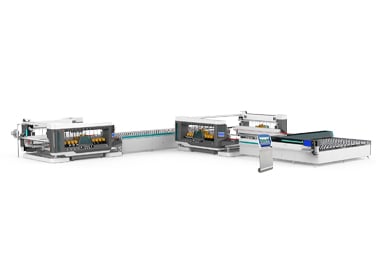
Architectural glass production demands precision at every stage, and the finishing process plays a critical role in determining final product quality. Many manufacturers wonder whether investing in modern double edgers truly enhances polishing quality or merely represents an operational expense. The answer is definitively yes—when properly selected and implemented, a glass double edger significantly improves edge finish, consistency, and aesthetic appeal of architectural glass products.
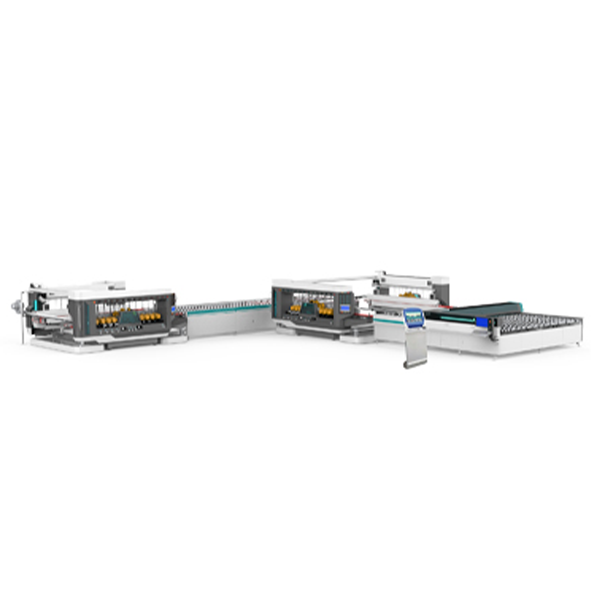
The glass edging machine has evolved considerably over the past decade, transforming from basic abrasive tools to sophisticated systems capable of simultaneous beveling, edge polishing, and quality control in one pass. A double edging machine operates on the principle of applying controlled pressure, water cooling, and multiple polishing stages to create uniform, optically clear edges. This technology addresses one of the most persistent challenges in glass manufacturing: achieving consistent edge quality across high-volume production runs while minimizing material waste and labor-intensive rework.
Understanding Double Edging Technology and Its Role in Edge Polishing
How Double Edging Machines Function
A glass edging machine works by positioning sheet glass between rotating wheels fitted with diamond or ceramic abrasives of progressively finer grades. The automatic double edger simultaneously processes both edges of the glass sheet, eliminating the need for separate passes or manual repositioning. This parallel processing dramatically reduces cycle time while the water spray system continuously cools the glass and removes abraded particles, preventing thermal stress and ensuring consistent edge quality throughout the polishing operation.
The double edging machine incorporates precision guides and pressure adjustment mechanisms that maintain uniform contact between the abrasive wheels and glass edges. Modern automatic double edger units feature programmable controls that accommodate various glass thicknesses and edge profiles, from standard straight edges to beveled or polished finishes. This flexibility enables manufacturers to process diverse architectural glass specifications without equipment changes, streamlining workflow and reducing downtime between production batches.
Key Performance Advantages in Polishing Quality
The primary advantage of using a glass double edger lies in surface uniformity and optical clarity achieved during the polishing stage. Traditional manual polishing or single-edge machines often produce microscopic irregularities, waviness, or stress marks that become visible when light reflects across the edge. The automatic double edger eliminates these defects by applying consistent pressure and maintaining precise wheel alignment, resulting in edges that meet or exceed architectural glass standards for transparency and aesthetic appearance.
Double edgers also reduce the incidence of micro-chipping and edge damage common in lower-specification finishing equipment. The gradual progression through multiple abrasive stages in the double edging machine allows the glass structure to compress and strengthen incrementally, rather than experiencing shock or sudden pressure changes. This controlled process minimizes stress concentrations and produces edges with superior mechanical integrity, which directly translates to improved durability in installed applications.
Quality Improvements and Production Efficiency Gains
Surface Finish and Aesthetic Quality Enhancements
Architectural glass products demand visual perfection because edges remain visible in many applications, from frameless glass partitions to balustrades and shower enclosures. A glass edging machine delivers a polished surface that appears crystal clear from all viewing angles, enhancing the perceived quality of finished glass products. The automatic double edger achieves this by maintaining consistent wheel speed, pressure, and cooling flow, producing edges with uniform reflectivity and minimal haze or cloudiness that can otherwise diminish aesthetic appeal.
Additionally, double edging machines reduce surface contamination and inclusion-related defects that compromise visual quality. The enclosed processing environment and continuous water circulation in the double edging machine prevent dust, debris, and abraded material from embedding into the glass surface. This protective approach ensures that polished edges maintain their clarity and brilliance indefinitely, meeting strict architectural specifications for high-end applications where glass visibility and cleanliness are non-negotiable requirements.
Production Consistency and Compliance Benefits
Manufacturing consistency directly correlates with quality control compliance and customer satisfaction in architectural glass production. The automatic double edger delivers reproducible edge finishes across every unit produced, eliminating operator-dependent variability inherent in manual polishing methods. This consistency enables manufacturers to establish documented quality baselines, facilitate traceability, and meet international standards such as ISO 12543 and EN standards for architectural glass edge quality.
Double edgers also provide measurable data on polishing parameters—wheel wear rates, cycle times, glass thickness variations—that inform predictive maintenance and continuous process improvement initiatives. By tracking these metrics over time, manufacturers using a glass double edger can optimize production schedules, anticipate equipment servicing needs, and maintain performance quality with minimal quality variation. This data-driven approach strengthens compliance documentation and instills confidence in customers purchasing safety-critical or high-specification architectural glass products.
Practical Return on Investment and Implementation Considerations
Cost-Benefit Analysis for Glass Producers
The investment in a double edging machine requires careful financial evaluation, yet most high-volume architectural glass producers recognize rapid payback periods. An automatic double edger typically processes glass at twice the speed of manual or single-edge methods, directly reducing labor costs per unit. Furthermore, the double edgers minimize material waste through reduced rework, grinding dust, and edge breakage during handling. These efficiency gains combine to offset capital equipment costs within 18 to 36 months for facilities processing 500 or more square meters of glass daily.
Beyond direct cost recovery, the quality improvements delivered by a glass edging machine generate indirect financial benefits through reduced customer returns, warranty claims, and reputational risk. Architectural glass products with superior edge finishes command premium pricing in market segments demanding aesthetic excellence and durability assurance. Glass double edger investment essentially purchases both operational efficiency and market differentiation, positioning manufacturers competitively within premium architectural glass segments.
Selection and Integration Best Practices
Selecting an appropriate automatic double edger requires matching machine specifications to existing production volumes, glass thickness ranges, and edge profile requirements. Manufacturers should evaluate features including wheel diameter, motor power, water circulation capacity, and control system sophistication. The double edging machine should integrate seamlessly with upstream cutting and tempering equipment to maximize workflow efficiency and minimize material handling between production stages.
Operator training and maintenance protocols significantly influence the long-term performance of any glass double edger installation. Staff must understand proper wheel selection, pressure calibration, and water quality management to maintain optimal polishing quality consistently. Regular maintenance of the double edging machine—including wheel dressing, bearing lubrication, and system flushing—preserves equipment longevity and prevents performance degradation that would undermine the quality advantages that motivated the investment.
FAQ
Can double edgers handle different glass thicknesses?
Modern automatic double edger units feature adjustable pressure systems and guide rollers that accommodate glass thicknesses typically ranging from 3mm to 19mm. The double edging machine's control system allows operators to program specific thickness parameters, enabling rapid changeovers between production runs without physical equipment modification. This flexibility makes a glass double edger suitable for diversified architectural glass manufacturing operations processing multiple product specifications.
What edge profiles can double edging machines produce?
The glass edging machine can produce straight polished edges, beveled edges at standard angles, and specialized profiles depending on wheel configuration. By changing the abrasive wheel sets, an automatic double edger can be adapted to customer requirements for aesthetic or functional edge finishes. The double edgers maintain consistent profile geometry and surface quality regardless of edge type, ensuring reliable output across diverse architectural glass applications.
How often do polishing wheels require replacement in double edgers?
Wheel lifespan in a glass double edger depends on production volume, glass hardness, and polishing wheel quality, typically lasting 40 to 80 operating hours before requiring replacement or dressing. The double edging machine alerts operators when wheel performance diminishes, and systematic replacement schedules prevent quality degradation. Using high-grade diamond or ceramic wheels in your glass double edger extends serviceability and reduces per-unit polishing costs over extended production campaigns.