 EN
EN
 AR
AR
 BG
BG
 HR
HR
 CS
CS
 DA
DA
 NL
NL
 FI
FI
 FR
FR
 DE
DE
 EL
EL
 HI
HI
 IT
IT
 JA
JA
 KO
KO
 PL
PL
 PT
PT
 RO
RO
 RU
RU
 ES
ES
 SV
SV
 TL
TL
 IW
IW
 LV
LV
 LT
LT
 SK
SK
 SL
SL
 UK
UK
 VI
VI
 ET
ET
 HU
HU
 MT
MT
 TH
TH
 TR
TR
 FA
FA
 MS
MS
 SW
SW
 GA
GA
 AZ
AZ


Modern fabrication businesses demand precision, speed, and flexibility to remain competitive in the custom glass market. A glass cutting line has become essential infrastructure for operations that must deliver tailored solutions across diverse glass types and specifications. Whether handling architectural panels, automotive components, or specialty applications, businesses face the challenge of balancing production efficiency with the precision required for non-standard orders.
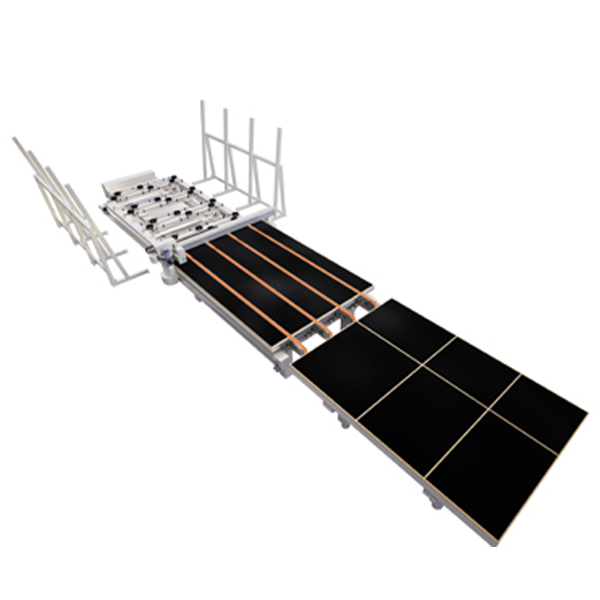
Understanding how an automatic glass cutting line operates and delivers value across different fabrication scenarios is critical for making informed investment decisions. Customized glass production requires more than basic cutting capability; it demands adaptive technology that can handle variable dimensions, materials, edge treatments, and workflow integration. This guide explores the practical effectiveness of modern glass cutting systems and how they address the real-world demands of specialized glass businesses.
How Glass Cutting Lines Enhance Production Efficiency
Automating Precision Cuts for Diverse Orders
An automatic glass cutting machine eliminates manual layout and reduces human error in custom work. Operators input specifications directly into the control system, and the glass cutting equipment positions glass sheets, aligns cutting heads, and executes precise scoring and breaking sequences automatically. This automation dramatically cuts setup time between jobs and ensures consistent quality regardless of operator skill level. For businesses handling 20, 50, or even 100 different cutting specifications per day, this capability transforms production economics.
The speed advantage becomes particularly evident in high-volume custom orders. A glass cutting system can process sheets in sequential patterns, minimizing waste and maximizing yield from each glass sheet. Businesses report time savings of 40% to 60% compared to manual cutting, freeing labor resources for quality inspection, edge finishing, and customer communication. This efficiency gain directly improves profit margins on custom projects where time-to-delivery creates competitive advantage.
Handling Multiple Glass Types Within One Line
Fabrication businesses often work with varied materials: tempered glass, laminated glass, low-iron glass, coated glass, and specialty composites. A modern glass cutting machine adapts cutting parameters to material properties automatically. The glass cutting equipment adjusts cutting speed, blade pressure, and breaking sequences based on material density and brittleness. This flexibility means one production line handles float glass, tempered sheets, and specialty formats without requiring separate machines or lengthy recalibration between material types.
Customized glass applications in architectural cladding, shower enclosures, solar panels, and automotive components each demand specific edge finishes and dimensional tolerances. The glass cutting system preserves these requirements through programmable workflows, storing job parameters and recalling them instantly when repeat orders arrive. Businesses avoid costly setup mistakes and rework cycles that erode custom order profitability.
Scalability and Operational Flexibility
Adapting to Seasonal Demand Fluctuations
Custom glass demand varies seasonally; architectural projects spike in spring, solar installations surge in summer, and retail fit-outs intensify before year-end. An automatic glass cutting line scales output without hiring additional full-time operators. During peak periods, the same equipment runs extended shifts with minimal additional labor cost. During slower months, the investment remains productive on smaller order volumes. This operational flexibility protects business margins across cyclical demand patterns.
The glass cutting equipment also handles rush orders more effectively than manual methods. When a customer needs 500 custom panels within 48 hours, an automated glass cutting machine executes the job reliably without fatigue-related quality degradation. This capability strengthens customer relationships and opens opportunities for premium rush pricing on time-sensitive work.
Integration with Modern Fabrication Workflows
Contemporary glass cutting systems integrate with factory management software, inventory tracking, and CAD design programs. Designers create cutting layouts digitally, transmit specifications wirelessly to the glass cutting line, and the equipment executes work with full traceability. Businesses track material usage, production time, and cost allocation per job automatically. This integration reduces scheduling errors, improves communication between sales and production teams, and generates data for continuous improvement initiatives.
Custom fabrication businesses using modern glass cutting equipment also benefit from predictive maintenance alerts and usage analytics. The glass cutting machine logs runtime hours, blade wear rates, and performance metrics. Maintenance can be scheduled proactively during low-demand periods, minimizing unexpected downtime. Production managers gain visibility into bottlenecks and can adjust workflows to optimize throughput.
Precision and Quality Consistency in Customized Work
Achieving Tight Tolerances on Non-Standard Dimensions
Customized glass often requires dimensions that standard stock cannot accommodate. A glass cutting machine programmed to hold tolerances of ±0.5 mm or tighter delivers panels that fit perfectly into custom frames, automated assembly lines, or specialized enclosures. This precision reduces rework, returns, and customer dissatisfaction. For industries like renewable energy, medical devices, or high-end architectural work, tolerance consistency is non-negotiable, and a glass cutting system provides this assurance reliably.
Edge quality also improves with automatic equipment. Controlled scoring and breaking produce smooth, chip-free edges that reduce secondary processing steps. Some glass cutting equipment incorporates edge polishing or beveling inline, further streamlining production. Businesses competing on quality perception gain significant differentiation when custom orders arrive perfectly finished and ready for immediate assembly or installation.
Reducing Material Waste in Specialty Glass Applications
Specialty glass materials—coated glass, laminated composites, or low-iron panels—carry premium costs. Inefficient cutting wastes expensive material and reduces project profitability. An automatic glass cutting line optimizes nesting patterns algorithmically, arranging multiple part geometries on each sheet to minimize scrap. Waste reduction of 5% to 15% is common, translating to substantial annual savings on high-value material purchases. For fabrication businesses, this waste reduction often justifies the entire equipment investment within two to three years.
The glass cutting system also reduces downtime from blade breakage or cutting errors. Precise pressure control and optimized cutting sequences extend blade life and minimize defective cuts. Fewer spoiled sheets mean lower material costs and more reliable production schedules, both essential for maintaining customer trust in custom delivery commitments.
FAQ
What types of glass can an automatic glass cutting line process?
A modern glass cutting machine handles float glass, tempered glass, laminated glass, coated glass, low-iron varieties, and many specialty composites. The glass cutting equipment automatically adjusts parameters for material properties. Consult equipment specifications to confirm compatibility with your specific glass types and thicknesses.
How does a glass cutting system improve production time for custom orders?
An automatic glass cutting line eliminates manual layout, reduces setup time between different jobs, and executes cuts faster than manual methods. The glass cutting machine can process multiple specifications sequentially without operator intervention, freeing labor for finishing, quality checks, and customer service. Businesses typically achieve 40% to 60% time savings compared to traditional cutting approaches.
What should fabrication businesses consider when choosing a glass cutting equipment investment?
Evaluate throughput capacity, tolerance accuracy, material compatibility, software integration with your existing systems, maintenance requirements, and total cost of ownership. Consider the range of custom orders your business handles, expected annual volume, and whether the glass cutting system's capabilities match your quality and delivery standards. Request demonstrations and speak with other fabrication businesses using the equipment.