 EN
EN
 AR
AR
 BG
BG
 HR
HR
 CS
CS
 DA
DA
 NL
NL
 FI
FI
 FR
FR
 DE
DE
 EL
EL
 HI
HI
 IT
IT
 JA
JA
 KO
KO
 PL
PL
 PT
PT
 RO
RO
 RU
RU
 ES
ES
 SV
SV
 TL
TL
 IW
IW
 LV
LV
 LT
LT
 SK
SK
 SL
SL
 UK
UK
 VI
VI
 ET
ET
 HU
HU
 MT
MT
 TH
TH
 TR
TR
 FA
FA
 MS
MS
 SW
SW
 GA
GA
 AZ
AZ

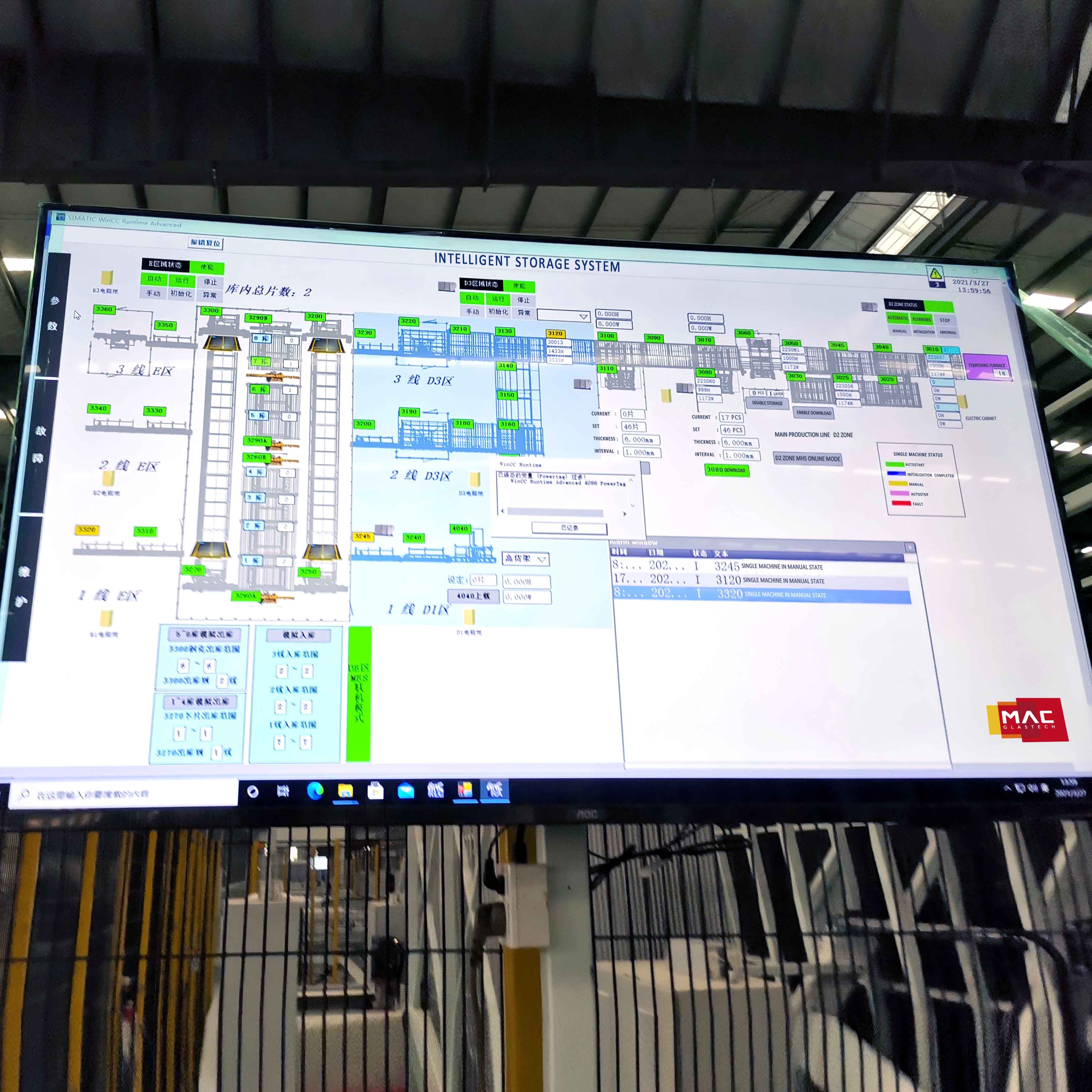
Industrial glass factories face significant operational challenges when managing high-volume production schedules. Manual sorting processes consume valuable time, increase labor costs, and introduce inconsistencies that compromise final product quality. A glass sorting system directly addresses these workflow bottlenecks by automating the segregation and inspection of glass materials throughout the production cycle. When implemented strategically, this technology transforms factory operations by reducing downtime, minimizing waste, and accelerating throughput without sacrificing quality standards.
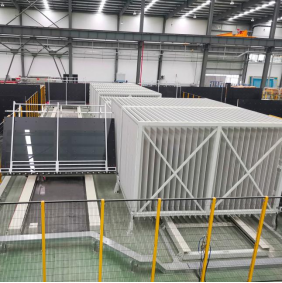
The integration of automatic glass sorting technology into factory workflows represents a fundamental shift in how glass manufacturers approach production efficiency. By replacing labor-intensive manual inspection with precision-driven automation, facilities can process larger volumes consistently while maintaining strict quality control. Understanding how a glass sorting machine functions and its measurable impact on operational metrics is essential for factory managers seeking competitive advantage in an increasingly demanding market.
How Automatic Glass Sorting Improves Production Speed
Eliminating Manual Processing Bottlenecks
Manual glass sorting introduces inherent workflow delays that compound across production cycles. Workers must visually inspect each piece, identify defects or size variations, and manually separate materials into appropriate categories. This process is time-intensive, prone to human error, and creates scheduling unpredictability. Automatic glass sorting eliminates these delays by processing materials continuously without fatigue-related performance degradation. A glass sorting machine performs hundreds of inspections per minute, enabling factories to maintain consistent throughput regardless of shift schedules or operator availability. This speed advantage directly translates into increased daily output capacity and shorter order-to-delivery timelines.
Real-Time Quality Control Integration
Modern glass sorting equipment incorporates advanced sensor technology that identifies material inconsistencies faster than human visual assessment. These systems detect color variations, thickness irregularities, cracks, and contamination instantaneously, removing defective pieces before they progress to downstream production stages. By catching quality issues at the sorting stage rather than during final finishing or customer delivery, factories avoid costly rework, waste material, and reputational damage. The glass inspection sorting system creates a quality checkpoint that strengthens overall production reliability while maintaining speed advantage over manual processes.
Operational Cost Reduction Through Workflow Automation
Labor Efficiency and Resource Optimization
Implementing glass sorting equipment reduces direct labor requirements in the sorting and inspection departments. While this workforce transition requires strategic planning and employee retraining, it reallocates skilled workers toward higher-value production tasks such as machine maintenance, process optimization, and quality supervision. The glass sorting machine operates consistently without overtime premium costs, sick leave coverage, or performance variability. Factories can reduce personnel in sorting-specific roles while maintaining or increasing total factory output, resulting in significant per-unit labor cost reduction. This operational efficiency directly improves profit margins across production volumes.
Waste Reduction and Material Recovery
Precise automatic glass sorting maximizes material utilization by accurately categorizing glass by type, size, and quality grade. This sorting accuracy enables factories to recover usable material that might otherwise be discarded when sorted manually with lower precision standards. Glass sorting equipment minimizes contamination-related material loss and reduces scrap generation by implementing consistent classification standards. The financial impact compounds when multiplied across millions of individual pieces processed annually. Additionally, improved waste categorization supports environmental compliance requirements and enables better material recycling program participation, creating both cost savings and sustainability benefits.
Implementation Considerations for Factory Workflow Integration
Equipment Selection and Integration Planning
Selecting appropriate glass sorting equipment requires careful assessment of factory-specific requirements including production volume, material types, quality standards, and existing infrastructure. A glass sorting system must integrate seamlessly with current conveyor systems, packaging machinery, and data management platforms to maximize efficiency gains. Factory managers should evaluate multiple glass sorting machine options based on throughput capacity, accuracy rates, maintenance requirements, and long-term scalability potential. Equipment selection directly influences whether workflow improvements materialize as planned or require expensive retrofitting and operational disruptions.
Workforce Training and Change Management
Introducing glass inspection sorting system technology requires comprehensive employee training that addresses equipment operation, quality monitoring responsibilities, and maintenance procedures. Operators must understand system parameters, alarm conditions, and troubleshooting protocols to maintain consistent performance. Supervisory staff need training in data interpretation, performance metrics tracking, and equipment optimization. Successful implementation includes clear communication about workflow changes, career development opportunities for displaced workers, and performance incentives tied to efficiency gains. Factories that invest in thorough training and transparent change management typically achieve faster return on investment and higher equipment utilization rates than those approaching implementation as a purely technical upgrade.
FAQ
What specific workflow improvements should factories expect after implementing a glass sorting system?
Factories typically experience 25-40% increases in sorting throughput within the first six months of implementation. Defect detection rates improve to 99%+ accuracy compared to 90-95% manual inspection rates. Quality control becomes more consistent, reducing customer returns and warranty costs. Most importantly, factories gain scheduling flexibility and can respond faster to production demand fluctuations without proportionally increasing labor costs or extending delivery timelines.
How does a glass sorting machine handle different glass types and production specifications?
Modern automatic glass sorting technology uses advanced optical sensors and programmable logic controllers that adapt sorting parameters based on production requirements. Operators input specific material characteristics, size tolerances, color specifications, and defect thresholds into the system. The glass sorting equipment then applies these parameters consistently across entire production runs without manual adjustment between individual pieces. This flexibility allows single facilities to manage multiple product lines and customer specifications simultaneously without reducing efficiency.
What is the typical payback period for investing in glass sorting equipment?
Glass sorting equipment typically achieves payback within 18-36 months depending on factory size, production volume, and current labor costs. Factories processing higher volumes experience faster payback as fixed equipment costs spread across more units. The calculation should include direct labor savings, waste reduction, improved quality leading to fewer returns, and increased throughput enabling higher revenue without proportional cost increases. Long-term operational benefits extend well beyond initial payback as equipment reliability typically supports 10+ years of consistent performance.