 EN
EN
 AR
AR
 BG
BG
 HR
HR
 CS
CS
 DA
DA
 NL
NL
 FI
FI
 FR
FR
 DE
DE
 EL
EL
 HI
HI
 IT
IT
 JA
JA
 KO
KO
 PL
PL
 PT
PT
 RO
RO
 RU
RU
 ES
ES
 SV
SV
 TL
TL
 IW
IW
 LV
LV
 LT
LT
 SK
SK
 SL
SL
 UK
UK
 VI
VI
 ET
ET
 HU
HU
 MT
MT
 TH
TH
 TR
TR
 FA
FA
 MS
MS
 SW
SW
 GA
GA
 AZ
AZ

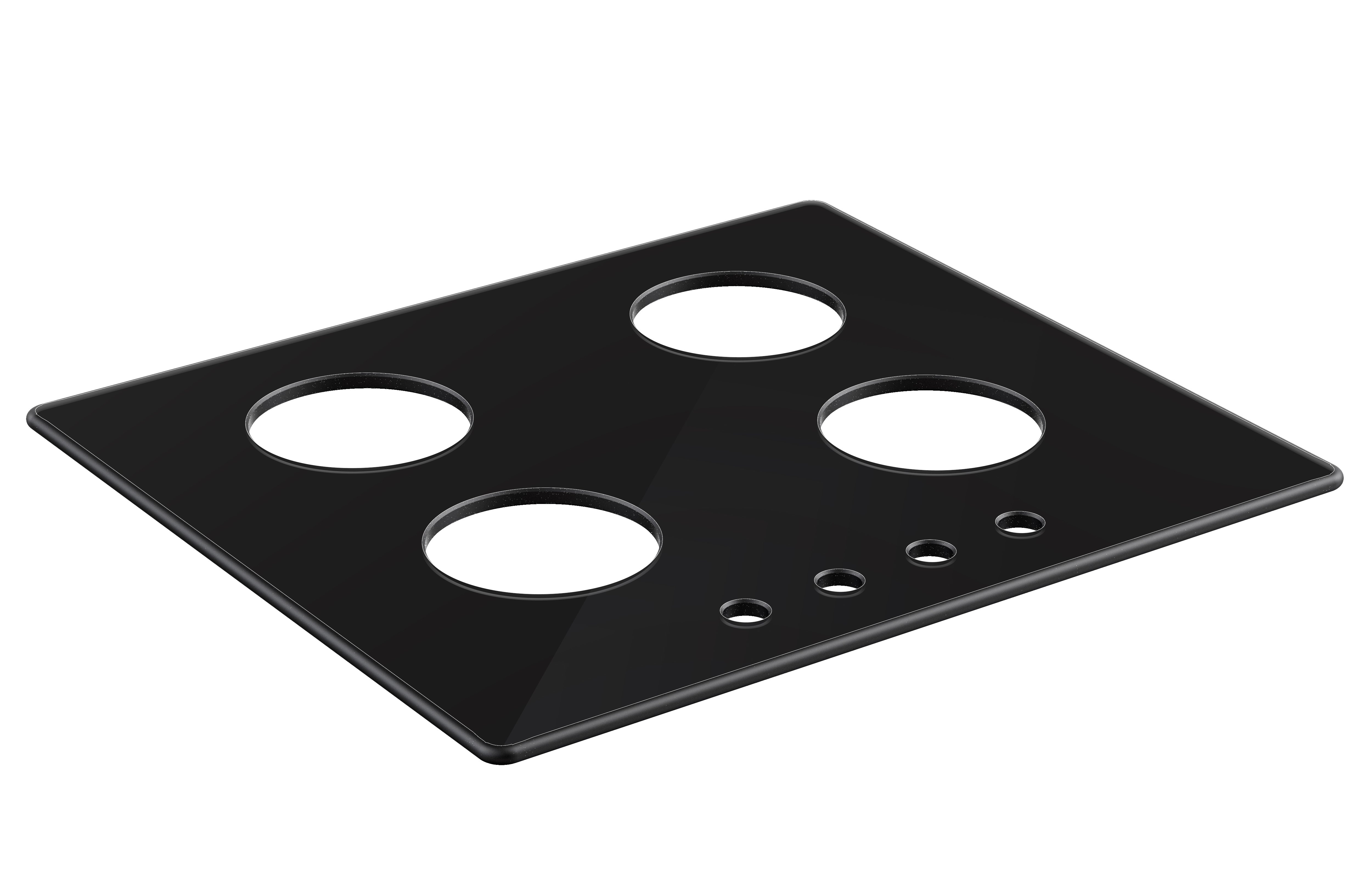
The modern architectural glass industry demands precision, speed, and reliability in production. A glass sorting system serves as a critical component in automated processing lines, handling the complex task of categorizing, grading, and directing glass products through manufacturing workflows. This technology integrates computer vision, mechanical handling, and intelligent routing to ensure each piece meets strict quality standards while maintaining throughput targets. Understanding how this system operates within a broader production environment is essential for facility managers, procurement specialists, and operations teams seeking to optimize their glass processing capabilities.
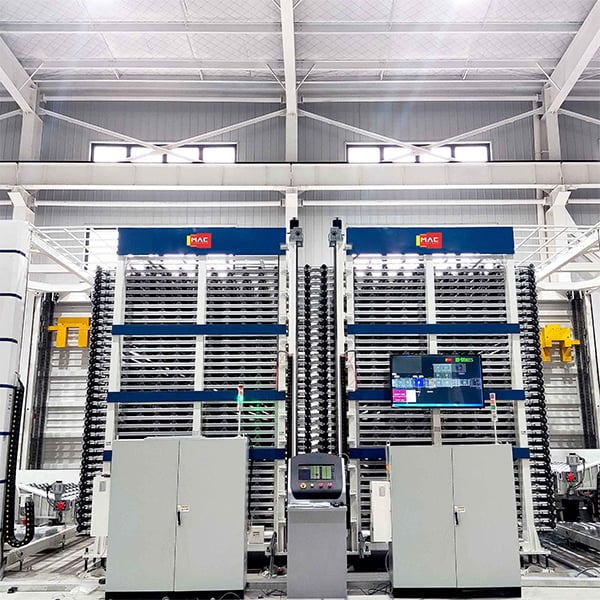
In architectural glass production, the glass sorting machine has become indispensable for separating defective material from premium stock. The automatic glass sorting process operates continuously, inspecting each sheet or cut piece for surface defects, thickness variations, color consistency, and structural integrity. By automating this function, producers eliminate manual inspection bottlenecks, reduce labor costs, and dramatically improve consistency. The glass sorting equipment achieves speeds that would be impossible for human operators, while maintaining accuracy levels that exceed traditional quality control methods.
Core Functionality of Glass Sorting Equipment
Visual Inspection and Defect Detection
The glass inspection sorting system uses advanced optical sensors and artificial intelligence to scan glass surfaces at high speed. These sensors detect surface scratches, dust particles, bubbles, coating inconsistencies, and edge chips that would compromise the final product. The automatic glass sorting system captures thousands of data points per second, creating a comprehensive profile of each piece. This real-time analysis enables instant sorting decisions without slowing production velocity. The glass sorting machine categorizes pieces into multiple output streams based on quality levels, allowing different grades to follow optimized downstream paths.
Integration with Production Line Architecture
A modern glass sorting system sits strategically within the production flow, typically positioned after cutting, coating, or tempering stages. The glass sorting equipment connects to conveyor systems, robotic handlers, and packaging stations through coordinated control logic. Data from the glass inspection sorting system feeds into the plant management system, providing real-time visibility into yield rates, defect patterns, and equipment performance. This integration enables operators to identify root causes of quality issues quickly and adjust upstream parameters. The automatic glass sorting process ensures that only qualified material advances, protecting brand reputation and customer satisfaction.
Operational Efficiency and Throughput Optimization
Speed and Precision in High-Volume Production
Architectural glass facilities processing thousands of sheets daily depend on the glass sorting machine to maintain consistent output without sacrificing quality. Modern automatic glass sorting systems handle speeds exceeding 100 sheets per minute, a performance level impossible to achieve with manual inspection. The glass sorting equipment maintains consistent accuracy across extended shifts, eliminating fatigue-related errors that plague human inspectors. Precision positioning and sorting ensure that each piece reaches its appropriate destination without manual rework. For large-scale operations, the cumulative time savings from a glass inspection sorting system translate into significant productivity gains and reduced operational costs.
Defect Traceability and Process Control
Each piece passing through the glass sorting system leaves a digital footprint, enabling comprehensive traceability and process analytics. The glass sorting machine records defect location, type, and severity for every rejected piece, creating valuable feedback for production improvement. This data helps identify whether defects originate from raw material issues, equipment calibration drift, or operational errors. Facility managers use this intelligence to optimize maintenance schedules, adjust processing parameters, and negotiate supplier performance. The automatic glass sorting process becomes a diagnostic tool, not merely a quality gate, driving continuous improvement throughout the manufacturing ecosystem.
Quality Assurance and Customer Satisfaction
Meeting Architectural Standards and Specifications
Architectural applications demand glass that meets precise specifications for optical clarity, dimensional accuracy, and structural integrity. The glass sorting equipment ensures that only pieces within acceptable tolerance ranges advance to finishing stages. Automated inspection reduces the likelihood of defective material reaching customers, protecting contract compliance and warranty management. The glass inspection sorting system can be configured to enforce multiple specification sets, accommodating different product grades and customer requirements from a single production line. This flexibility makes the glass sorting machine valuable for facilities serving diverse market segments with varying quality demands.
Scalability and Adaptability to Different Products
Modern automatic glass sorting systems offer programmable sorting logic that adapts to different glass types, thicknesses, and finishing requirements. The glass sorting equipment can be reconfigured rapidly to handle laminated glass, tempered glass, coated glass, or specialty products without replacing hardware. This adaptability maximizes capital equipment utilization and enables facilities to respond to market shifts without major capital expenditure. Facilities operating multiple product lines benefit from the glass inspection sorting system's ability to handle format changes quickly and reliably. The glass sorting machine becomes a strategic asset supporting business agility and market responsiveness in a dynamic industry.
FAQ
What defects can a glass sorting system reliably detect?
A glass inspection sorting system detects surface scratches, dust contamination, edge chips, bubble inclusions, color variations, coating inconsistencies, and thickness deviations. Advanced sensors identify defects as small as 0.5 millimeters, catching issues invisible to the human eye. The automatic glass sorting process prioritizes defects that compromise product function or appearance, distinguishing between cosmetic issues and structural problems. This discrimination allows facilities to segregate material appropriately rather than discarding salvageable pieces.
How does automatic glass sorting improve production yield?
By identifying defects immediately and routing affected material away from premium channels, the glass sorting machine reduces scrap disposal costs and maximizes sellable output. Facilities using glass sorting equipment report yield improvements of 5 to 15 percent depending on baseline conditions and application specificity. The glass inspection sorting system eliminates customer returns caused by undetected defects, avoiding expensive warranty claims and reputation damage. Improved yield directly translates to lower per-unit production costs and enhanced profitability.
Can a glass sorting system integrate with existing production equipment?
Yes, modern glass sorting machines are designed to integrate with legacy conveyor systems, robotic handlers, and control architectures through standardized interfaces and communication protocols. The automatic glass sorting process can be retrofitted into existing facilities without complete line replacement. Most glass sorting equipment manufacturers provide customized mounting, control integration, and data connectivity solutions to accommodate diverse facility layouts and legacy systems. Integration typically requires engineering assessment but remains feasible for most architectural glass producers seeking to upgrade quality control capabilities.