 EN
EN
 AR
AR
 BG
BG
 HR
HR
 CS
CS
 DA
DA
 NL
NL
 FI
FI
 FR
FR
 DE
DE
 EL
EL
 HI
HI
 IT
IT
 JA
JA
 KO
KO
 PL
PL
 PT
PT
 RO
RO
 RU
RU
 ES
ES
 SV
SV
 TL
TL
 IW
IW
 LV
LV
 LT
LT
 SK
SK
 SL
SL
 UK
UK
 VI
VI
 ET
ET
 HU
HU
 MT
MT
 TH
TH
 TR
TR
 FA
FA
 MS
MS
 SW
SW
 GA
GA
 AZ
AZ

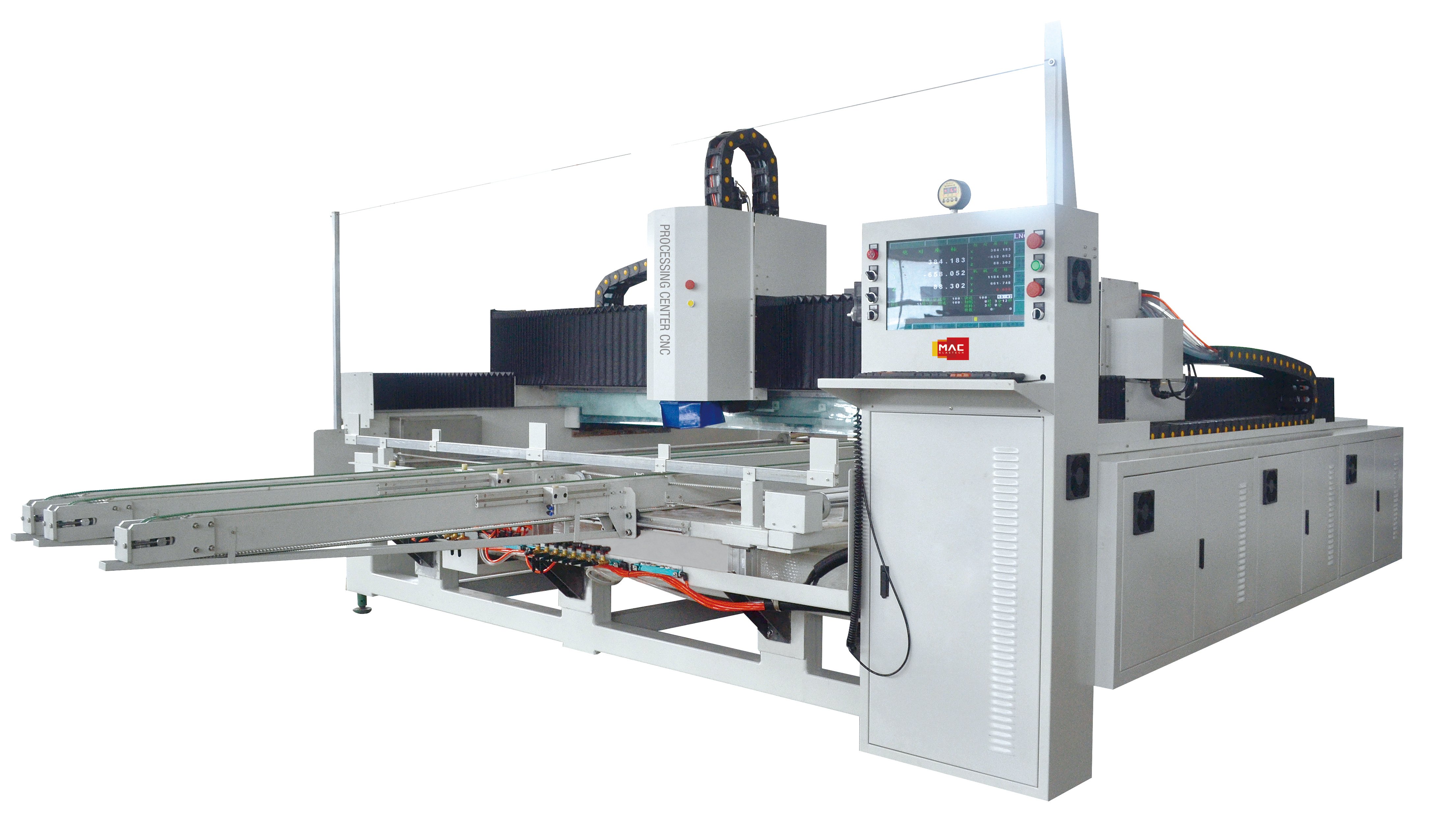
Glass machines have become indispensable in modern manufacturing, particularly within the automotive and appliance industries where precision and quality are non-negotiable. These specialized systems handle the complex demands of glass production, from raw material preparation through final finishing stages. Understanding how glass machines are applied in these sectors reveals the critical role they play in delivering components that meet stringent safety, durability, and aesthetic standards.
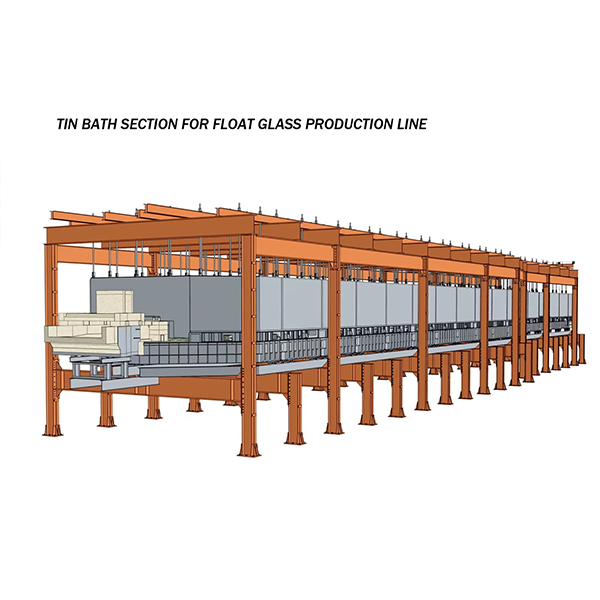
The application of glass processing machines across automotive and appliance manufacturing represents a significant advancement in industrial automation. Glass processing equipment enables manufacturers to achieve consistent quality, reduce waste, and optimize production timelines. Modern glass machinery manufacturer innovations have transformed what was once a labor-intensive process into a highly controlled, efficient operation that supports the rapid growth demands of these industries.
Core Applications in Automotive Glass Production
Windshield and Side Window Manufacturing
Automotive glass production relies heavily on specialized glass machines designed to cut, shape, and temper glass components with extreme precision. The windshield production process begins with large glass sheets that must be trimmed to exact vehicle specifications. Glass processing machines perform this cutting operation while maintaining dimensional tolerances within fractions of millimeters, which is essential for proper fitment and safety performance.
Tempering is a critical stage in automotive glass production where glass machinery manufacturer systems heat glass to high temperatures and then cool it rapidly. This process creates internal stress patterns that make the glass stronger and cause it to break into small, relatively harmless fragments if damaged, rather than creating dangerous sharp shards. The precision control offered by modern glass processing equipment ensures uniform tempering quality across every component.
Laminated Glass Assembly
Many automotive applications require laminated glass, which consists of multiple glass layers bonded with an interlayer material. Glass processing machines handle the alignment, cutting, and bonding processes that create these safety-critical components. The equipment must maintain exact positioning and pressure control to ensure the interlayer adheres properly without air pockets or misalignment.
A glass machine supplier provides systems that can process large windshield formats while managing the thin interlayer materials with precision. These machines automatically detect and reject components that fail quality standards, ensuring only compliant parts reach vehicle assembly lines. The automation reduces manual handling, which lowers defect rates and improves worker safety by minimizing exposure to glass handling hazards.
Appliance Glass Applications and Processing Solutions
Refrigerator Door and Shelf Glass
Appliance manufacturers depend on glass processing machines to produce door panels and shelving components that combine functionality with attractive appearance. Refrigerator glass must be tempered to withstand thermal stress from repeated temperature cycling without developing stress fractures. Glass processing equipment controls heating and cooling rates precisely to achieve the desired temper level while maintaining optical clarity.
Decorative treatments often enhance appliance glass components, requiring additional processing steps that glass machines must perform reliably. Edge polishing, beveling, and coating applications are controlled through automated glass processing machines that ensure consistent results across high production volumes. A glass machinery manufacturer designs these systems with rapid changeover capabilities to support product variety without extended downtime.
Oven Door and Stovetop Components
Glass machines used in oven door production must manage ceramics-glass bonding and heat-resistant processing to create components capable of withstanding extreme temperatures. These glass processing machines apply protective coatings and perform strengthening treatments that prevent thermal shock failures. The equipment monitors critical parameters throughout processing to maintain the integrity of the glass throughout its service life.
Stovetop glass surfaces require specialized treatment to achieve both safety and aesthetic qualities. Glass processing equipment applies patterns, strengthens surfaces through ion exchange or tempering, and performs quality verification automatically. A glass machine supplier selecting equipment for these applications must ensure systems can handle the specific material properties and processing requirements of stovetop glass.
Advanced Technology and Integration in Glass Machines
Precision Control Systems
Modern glass machines incorporate computer numerical control (CNC) and sensor-based monitoring that enables unprecedented accuracy in manufacturing. Real-time measurement systems track dimensional specifications, surface quality, and material properties throughout processing. Glass processing machines automatically adjust operating parameters when measurements deviate from target specifications, ensuring quality remains consistent regardless of material variations.
Integration of artificial intelligence into glass processing equipment has enabled predictive maintenance and process optimization that reduces downtime and improves productivity. Sensors embedded throughout the system provide continuous data that helps operators identify emerging issues before they cause production failures. A glass machinery manufacturer incorporating these technologies provides customers with systems that achieve superior uptime and product consistency.
Environmental and Safety Considerations
Glass machines in modern facilities include advanced dust collection, waste management, and cooling systems that protect workers and minimize environmental impact. Glass processing equipment is designed with safeguards that prevent operator contact with sharp edges and heated materials during normal operation. A glass machine supplier emphasizing safety features helps customers maintain compliance with occupational safety regulations while protecting their workforce.
Water and chemical usage in glass processing machines has been optimized through advanced circulation and filtration systems that reduce waste and operational costs. Modern glass processing equipment minimizes energy consumption through efficient heating systems and motion control that reduces cycle times. These environmental improvements benefit both manufacturers and communities where production facilities operate.
FAQ
What distinguishes automotive glass machines from those used in appliance production?
Automotive glass machines must handle larger component formats and complex curved geometries that demand specialized tempering and lamination capabilities. Appliance glass processing machines often prioritize rapid changeover between different product configurations and decorative treatment applications. While both require precision and reliability, automotive systems emphasize structural safety while appliance systems balance aesthetics with functionality.
How do glass processing machines ensure quality consistency in mass production?
Modern glass processing equipment incorporates multiple measurement and inspection points throughout the production line that verify critical dimensions, surface quality, and material properties. Automated systems reject components that fail specifications before they enter downstream processes, preventing defects from reaching final assembly. Continuous monitoring enables manufacturers to maintain process stability and catch quality variations immediately rather than discovering problems after production completes.
What role does a glass machinery manufacturer play in helping customers optimize their operations?
A skilled glass machinery manufacturer provides technical expertise, equipment design optimization, and ongoing support that maximizes production efficiency and product quality. Manufacturers work closely with customers to understand their specific requirements and select or customize equipment that delivers optimal performance for their applications. Support services including training, maintenance planning, and process improvement consultation help customers extract maximum value from their glass processing equipment investments.