 EN
EN
 AR
AR
 BG
BG
 HR
HR
 CS
CS
 DA
DA
 NL
NL
 FI
FI
 FR
FR
 DE
DE
 EL
EL
 HI
HI
 IT
IT
 JA
JA
 KO
KO
 PL
PL
 PT
PT
 RO
RO
 RU
RU
 ES
ES
 SV
SV
 TL
TL
 IW
IW
 LV
LV
 LT
LT
 SK
SK
 SL
SL
 UK
UK
 VI
VI
 ET
ET
 HU
HU
 MT
MT
 TH
TH
 TR
TR
 FA
FA
 MS
MS
 SW
SW
 GA
GA
 AZ
AZ

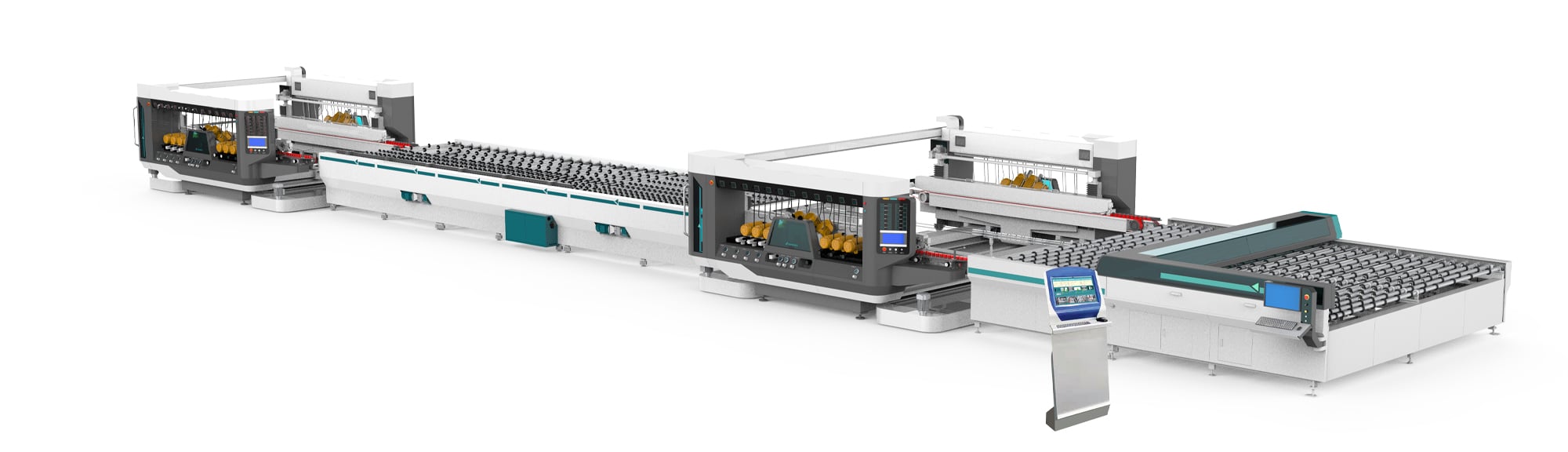
In modern industrial manufacturing, glass machines have become essential assets for facilities seeking to maximize output while maintaining quality standards. These sophisticated systems drive significant productivity improvements across continuous production lines, enabling manufacturers to meet growing market demand without proportional increases in labor or operational complexity. Understanding how glass processing equipment directly impacts facility performance is crucial for operations managers and plant engineers evaluating capital investments.

Modern glass processing machines deliver measurable productivity gains by automating repetitive tasks, reducing cycle times, and minimizing material waste throughout the manufacturing process. When properly integrated into continuous operations, these glass machinery systems transform production efficiency metrics while simultaneously improving product consistency and reducing operational bottlenecks that traditionally limit throughput.
Automation and Throughput Acceleration
Continuous Operation Capability
Glass processing equipment designed for continuous operations eliminates production stoppages that plague manual or outdated systems. Modern glass machines maintain consistent operating speeds across multiple shifts, delivering predictable output rates that allow precise production scheduling and inventory management. This reliability becomes especially valuable in high-volume manufacturing environments where even minor downtime translates into significant lost revenue and missed customer commitments.
Advanced glass processing machines incorporate automated control systems that monitor and adjust operating parameters in real-time, ensuring optimal performance without constant operator intervention. These systems detect variations in raw material properties, temperature fluctuations, and pressure changes, automatically compensating to maintain uniform product quality and maximize throughput. The result is higher average production rates combined with reduced variability that would otherwise require manual correction.
Labor Efficiency and Workforce Optimization
Glass machinery manufacturer systems substantially reduce the number of manual interventions required during production cycles, allowing facilities to redeploy skilled workers toward higher-value activities such as quality control, maintenance, and process optimization. Rather than replacing labor entirely, modern glass processing equipment redefines workforce allocation, enabling smaller teams to manage larger production volumes with greater consistency. This shift improves both labor productivity metrics and employee satisfaction by reducing repetitive, physically demanding tasks.
Automated glass machines also reduce training requirements for entry-level operators, as system controls handle complex adjustments that previously demanded years of experience to master. New personnel can achieve competency faster while contributing meaningfully to production goals, accelerating workforce development and improving retention rates in facilities with high turnover pressures.
Material Optimization and Waste Reduction
Precision Cutting and Forming
Glass processing equipment delivers exceptional precision in cutting, forming, and shaping operations that directly reduce material scrap rates. Modern glass machines employ advanced measurement and control technologies to minimize waste during every production stage, translating directly into improved material yield and lower raw material costs per finished unit. In commodity-driven industries where margins depend heavily on operational efficiency, this waste reduction capability delivers substantial competitive advantages.
Precision cutting systems integrated into contemporary glass machinery prevent the overages and rough edges that characterized older equipment, while forming processes achieve tighter tolerances that reduce secondary finishing operations. This cascading efficiency improvement means glass processing machines deliver dual benefits: less raw material consumed and fewer downstream processing steps required before finished goods reach quality inspection.
Energy Efficiency and Resource Conservation
Modern glass machinery manufacturer designs incorporate energy-efficient heating systems, optimized cooling cycles, and intelligent power management that reduce utility consumption compared to legacy equipment. These improvements become increasingly important as energy costs rise and environmental regulations tighten, with some facilities reporting 20–30 percent reductions in thermal energy requirements after upgrading to current-generation glass processing machines. Lower energy consumption also improves facility carbon footprints, supporting corporate sustainability commitments and potentially qualifying for efficiency-based incentives.
Advanced monitoring systems within glass processing equipment track real-time energy consumption, identify inefficiencies, and recommend operational adjustments that optimize resource utilization without compromising output. This data-driven approach to energy management transforms utilities from fixed overhead into manageable variable costs that directly respond to operational decisions.
Quality Consistency and Product Reliability
Process Control and Quality Assurance
Glass machines equipped with integrated quality monitoring systems maintain consistent product specifications across entire production runs, dramatically reducing defect rates and customer rejection incidents. Automated inspection functions detect dimensional variations, surface defects, and structural inconsistencies before products reach packaging, preventing costly rework and protecting brand reputation. This quality consistency reflects directly in customer satisfaction metrics and reduces warranty claims that would otherwise damage profitability.
Real-time process data captured by modern glass processing equipment provides actionable insights into production trends, allowing proactive adjustments that prevent quality drift before defects occur. This predictive quality management approach differs fundamentally from reactive inspection methods, enabling facilities to maintain excellence while maximizing production velocity.
Performance Monitoring and Predictive Maintenance
Contemporary glass machinery systems embed advanced diagnostics that predict maintenance requirements before equipment failures disrupt production schedules. Sensors throughout glass processing machines monitor wear patterns, thermal conditions, and mechanical stress, alerting technicians to required service intervals with sufficient advance warning to schedule maintenance during planned production gaps. This predictive approach eliminates the unplanned downtime and emergency repairs that devastate productivity metrics and strain maintenance resources.
Maintenance data collected by glass machines creates detailed equipment history records that support continuous improvement initiatives and inform capital replacement decisions. Facilities gain clear visibility into which glass processing equipment delivers superior reliability and cost-effectiveness, enabling strategic investments that compound productivity advantages over time.
FAQ
How much productivity improvement can facilities expect from upgrading to modern glass machines?
Productivity gains from upgrading to modern glass machines typically range from 15–40 percent depending on baseline equipment age, production complexity, and implementation quality. Facilities replacing outdated equipment often achieve the higher end of this range, while those upgrading relatively recent systems see more modest improvements. The specific gains depend heavily on how thoroughly operations teams adopt optimized processes enabled by glass processing equipment capabilities.
What factors should guide the selection of a glass machinery manufacturer?
Critical selection criteria include equipment reliability ratings, available technical support, spare parts availability, integration capability with existing systems, and total cost of ownership over the equipment lifecycle. Facilities should evaluate glass processing machines based on actual uptime performance data from comparable installations rather than manufacturer claims alone. Reference customers using identical glass machines in similar production environments provide the most reliable performance guidance.
How do glass processing equipment investments affect workforce planning?
Modern glass machines reduce absolute operator requirements while increasing skill requirements for available positions, shifting workforce composition toward maintenance technicians and process engineers. Facilities should plan transition periods allowing existing staff to develop new competencies rather than immediate reductions. This gradual transition protects employee morale while building internal expertise that maximizes the return on glass machinery investments.