 EN
EN
 AR
AR
 BG
BG
 HR
HR
 CS
CS
 DA
DA
 NL
NL
 FI
FI
 FR
FR
 DE
DE
 EL
EL
 HI
HI
 IT
IT
 JA
JA
 KO
KO
 PL
PL
 PT
PT
 RO
RO
 RU
RU
 ES
ES
 SV
SV
 TL
TL
 IW
IW
 LV
LV
 LT
LT
 SK
SK
 SL
SL
 UK
UK
 VI
VI
 ET
ET
 HU
HU
 MT
MT
 TH
TH
 TR
TR
 FA
FA
 MS
MS
 SW
SW
 GA
GA
 AZ
AZ

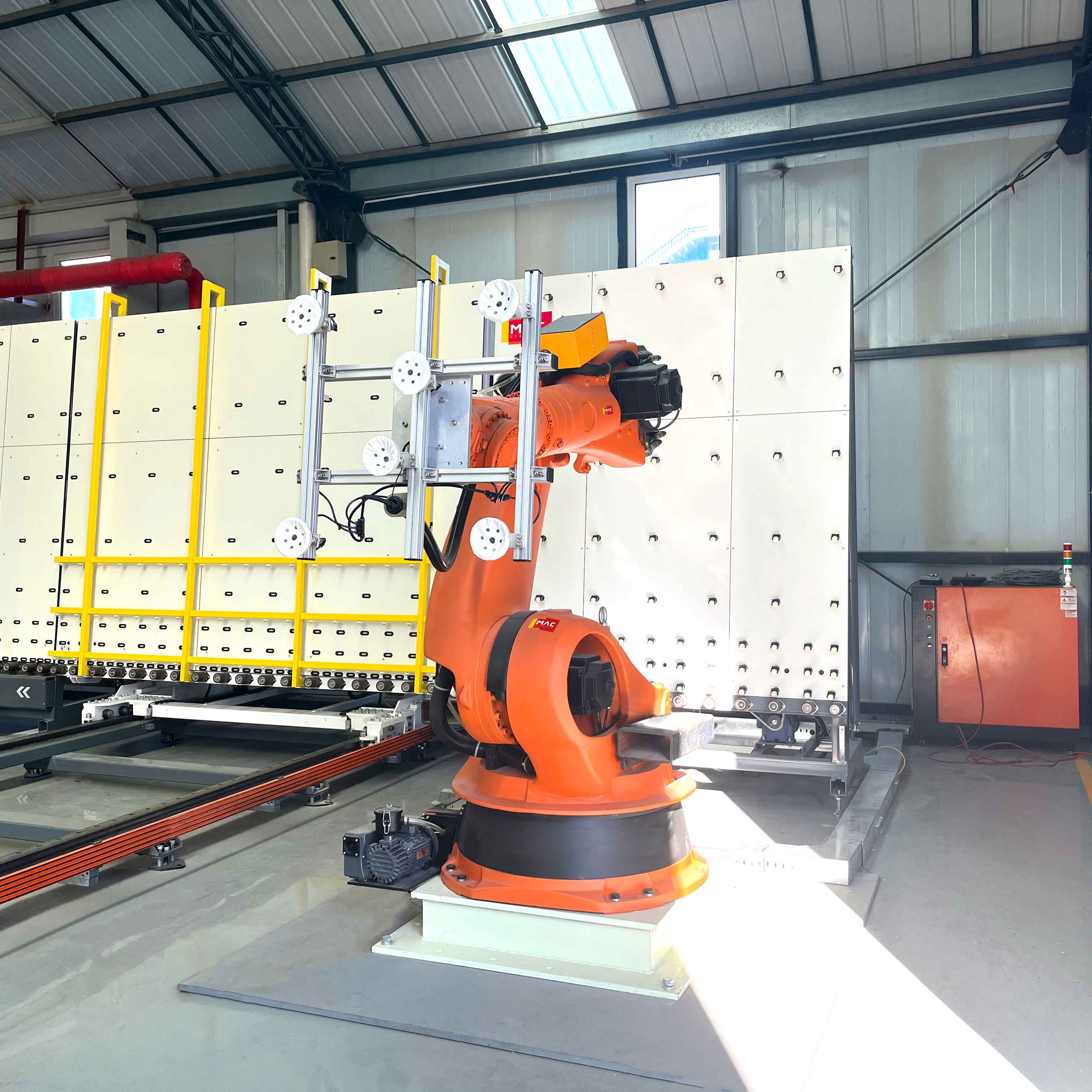
Safety in commercial glass processing plants has become increasingly critical as facilities handle larger volumes and thicker materials. A glass robot transforms how organizations approach worker protection and operational efficiency. By automating repetitive and hazardous handling tasks, these systems reduce human exposure to heavy loads, sharp edges, and environmental hazards that have historically caused injuries in the glass industry.
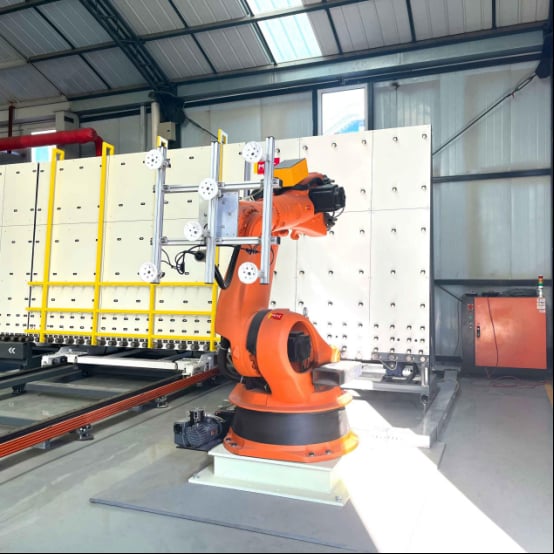
The integration of an automatic glass robot into production workflows represents a fundamental shift in how commercial glass facilities manage risk. These systems operate with precision and consistency that human workers cannot sustain over extended shifts, eliminating fatigue-related errors and accidents. Organizations using a glass processing robot report measurable improvements in safety metrics, reduced workers' compensation claims, and enhanced operational reliability.
How Glass Handling Robots Reduce Workplace Injuries
Eliminating Manual Load Handling
Commercial glass sheets often weigh between 50 and 200 kilograms per unit, requiring significant physical effort and precise coordination to move safely. Traditional manual handling exposes workers to musculoskeletal strain, back injuries, and repetitive stress disorders. A glass handling robot manages these loads with engineered grip systems and programmed motion sequences that eliminate human strain. The automatic glass robot maintains consistent pressure and positioning, preventing glass breakage that could cause lacerations or eye injuries from flying shards.
Minimizing Environmental Hazards
Glass processing environments generate multiple hazards including extreme temperatures from furnaces, fine particulates from cutting operations, and chemical exposure from treatments. An industrial glass robot operates in these harsh conditions without requiring breaks, air circulation, or protective equipment beyond standard operational maintenance. The glass processing robot's sealed joints and industrial-grade components resist contamination from silica dust and caustic materials. Workers previously stationed near these hazard zones can be reassigned to supervisory and quality roles, reducing cumulative exposure over their careers.
Operational Benefits of Automatic Glass Robot Systems
Precision and Consistency in Every Cycle
Repeatability is fundamental to safety in automated glass handling. An automatic glass robot executes the same motion sequence thousands of times without deviation, eliminating human error caused by fatigue, distraction, or inconsistent technique. The glass robot's computer-controlled positioning ensures that each sheet is gripped, transported, and released identically. This consistency reduces damage rates and the risk of accidents triggered by unexpected material failures or dropped loads.
Throughput and Demand Flexibility
Commercial glass facilities face fluctuating production demands and seasonal peaks that strain manual workforce capacity. A glass handling robot scales production without proportional labor increases, allowing facilities to meet customer deadlines while maintaining safety standards. The industrial glass robot can operate continuously during overnight and weekend shifts without the fatigue-related safety compromises that human workers experience. Facilities can reconfigure the glass processing robot's programming to handle different glass sizes, thicknesses, and processing stages, providing operational flexibility that manual methods cannot match.
Integration Strategies for Existing Glass Facilities
Retrofit Compatibility and Workspace Design
Most commercial glass processing plants use modular equipment that can accommodate a glass handling robot without complete facility overhaul. Modern automatic glass robot systems feature compact footprints and flexible mounting options that fit alongside existing conveyor systems, cutting tables, and furnaces. Facilities assess current workflow bottlenecks to determine optimal placement for the industrial glass robot. The glass processing robot's reach and speed specifications should align with production line velocity to prevent bottlenecking or creating new safety issues from congestion.
Staff Training and Change Management
Successful deployment of a glass robot requires thoughtful workforce planning rather than immediate workforce reduction. Existing manual handlers transition into roles supervising robot operations, monitoring product quality, and managing exception scenarios. Training programs build competency in robot programming, maintenance, and troubleshooting, creating career advancement opportunities. The automatic glass robot typically requires 2–4 weeks of staff familiarization before reaching full productivity and safety optimization. Facilities that invest in comprehensive training report faster ROI and more sustainable safety improvements than those rushing implementation without adequate preparation.
FAQ
What safety standards must a glass handling robot meet in commercial facilities?
Industrial glass robots must comply with ISO 10218 for collaborative robot safety, ISO 13849 for functional safety of control systems, and industry-specific ANSI standards. The glass processing robot undergoes rigorous certification for electrical safety, mechanical stability, and emergency stop functionality. Facilities should verify that their industrial glass robot provider conducts third-party testing and provides detailed safety documentation before installation.
Can an automatic glass robot integrate with existing production line equipment?
Yes, modern glass handling robots are designed for flexible integration with conveyor systems, automated cutting equipment, and furnaces. An automatic glass robot communicates through standard industrial protocols like Ethernet/IP or Profibus, allowing seamless data exchange with existing production control systems. Most glass processing robot vendors provide integration support and engineering consultation to ensure compatibility with your facility's specific equipment configuration.
How does a glass robot reduce long-term operational costs beyond safety improvement?
A glass handling robot reduces labor costs through increased throughput, minimizes material waste through consistent handling, and decreases workers' compensation insurance premiums. The industrial glass robot requires electricity and periodic maintenance but eliminates human fatigue-related downtime and training expenses for new workers. Most facilities recover their glass robot investment within 18–36 months through combined labor productivity, quality improvement, and safety-related cost reductions.