 EN
EN
 AR
AR
 BG
BG
 HR
HR
 CS
CS
 DA
DA
 NL
NL
 FI
FI
 FR
FR
 DE
DE
 EL
EL
 HI
HI
 IT
IT
 JA
JA
 KO
KO
 PL
PL
 PT
PT
 RO
RO
 RU
RU
 ES
ES
 SV
SV
 TL
TL
 IW
IW
 LV
LV
 LT
LT
 SK
SK
 SL
SL
 UK
UK
 VI
VI
 ET
ET
 HU
HU
 MT
MT
 TH
TH
 TR
TR
 FA
FA
 MS
MS
 SW
SW
 GA
GA
 AZ
AZ

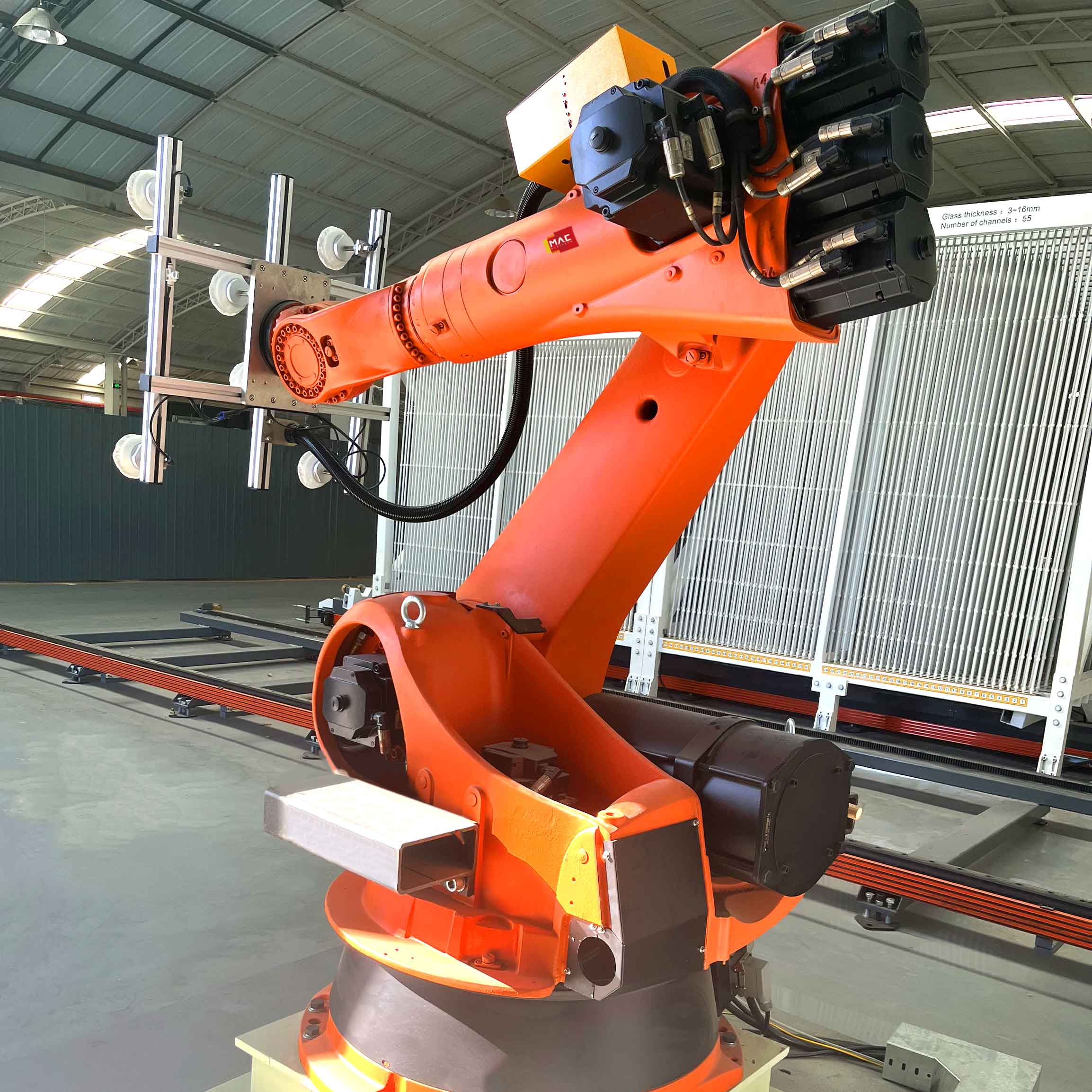
Intelligent architectural glass production demands precision, speed, and consistency that manual handling simply cannot deliver reliably. A glass robot represents a fundamental shift in how modern facilities manage the entire production workflow, from cutting and handling to quality verification and packaging. Understanding why leading manufacturers invest in automated glass handling solutions reveals the strategic advantage that glass processing robots provide across safety, productivity, and operational cost structure.
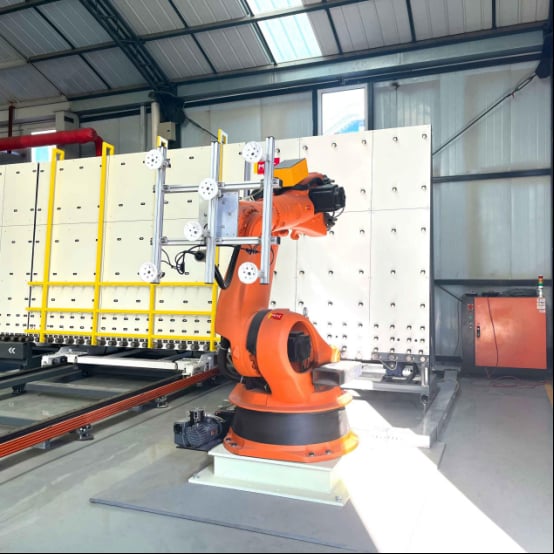
The decision to implement an industrial glass robot is not merely about automation for its own sake. Rather, it reflects a recognition that architectural glass production environments require consistent handling of delicate, heavy, and high-value materials under tight quality specifications. Modern automatic glass robot systems address critical business challenges: minimizing product damage, reducing labor injury risk, improving throughput consistency, and meeting customer delivery timelines without sacrificing quality standards that architectural applications demand.
Safety and Worker Protection Benefits
Eliminating Manual Handling Injuries
Manual glass handling represents one of the highest-risk activities in manufacturing environments. Large sheets of architectural glass weigh 50 to 300 pounds or more, creating repetitive strain injuries, crush injuries, and laceration hazards that directly impact workforce safety metrics and long-term employee health. A glass handling robot performs this physically demanding work consistently without fatigue, eliminating the conditions that lead to worker compensation claims, lost production time, and turnover. Industrial glass robot deployment transfers risk from human operators to automated systems designed specifically for safe, predictable glass sheet movement.
Reduced Workplace Accident Costs
Safety incidents in glass production environments generate measurable financial impact beyond direct medical costs. Accident investigation, regulatory compliance, production downtime, and insurance premium increases compound the cost of injuries. By implementing a glass processing robot system, facilities measurably reduce accident frequency and severity. Insurance carriers often recognize this risk reduction through lower premiums, offsetting a portion of the initial capital investment. The automatic glass robot also creates a safer workplace culture where human workers focus on oversight, quality decisions, and equipment management rather than bearing direct contact with fragile, heavy materials.
Production Efficiency and Output Consistency
Accelerating Throughput Without Quality Compromise
Manual glass handling introduces variability into production timing based on individual worker pace, fatigue level, and attention span. An automatic glass robot operates at consistent cycle times, handling materials at predetermined speed and precision regardless of shift duration or external disruptions. This consistency means facilities can reliably plan output, commit to delivery dates with confidence, and respond to demand spikes by increasing robot operation hours rather than hiring temporary labor. Glass handling robot systems maintain throughput velocity even during extended runs, preventing the quality degradation that often occurs when fatigued workers rush through repetitive tasks.
Optimizing Material Flow and Inventory
Intelligent architectural glass production requires seamless movement of materials between cutting stations, processing equipment, inspection areas, and packaging zones. A glass processing robot integrates with facility layout and production scheduling software, optimizing the path of each glass sheet through the workflow. Industrial glass robot systems reduce material bottlenecks, prevent sheets from sitting idle between stations, and enable just-in-time material delivery that reduces inventory holding costs. This optimization directly improves facility asset utilization and shortens the time from raw material input to finished product shipment.
Cost Structure and Return on Investment
Long-Term Labor Cost Reduction
Labor represents a substantial ongoing expense in glass production environments where multiple workers handle materials across multiple shifts. While an automatic glass robot requires capital investment and maintenance, it displaces recurring labor costs over years of operation. As labor costs continue rising and skilled workers become harder to recruit, the economic advantage of glass handling robot automation increases. A glass processing robot operates consistently across day shifts, night shifts, and weekend production without wage escalation, shift premiums, or benefits cost increases that affect human workforce expenses.
Minimizing Material Waste and Damage
Glass sheet breakage, scratching, and mishandling during production represent direct product loss that compresses margins on each unit manufactured. An industrial glass robot handles sheets with calibrated pressure, consistent grip tension, and programmed movement paths that eliminate the handling damage caused by human variability. Damage reduction directly translates to improved yield rates and reduced scrap expense. For high-value architectural glass products with large batch sizes, minimizing breakage during internal handling justifies automation investment within 12 to 36 months depending on current damage rates and material costs.
Quality Assurance and Precision Standards
Consistent Handling and Positioning Accuracy
Architectural glass applications often require tight dimensional tolerances, specific edge treatments, and precise surface conditions that subsequent processing steps depend on. A glass robot moves sheets into exact positions needed for cutting, coating application, or quality inspection with repeatable accuracy that manual placement cannot match. This precision prevents downstream processing errors, reduces rework cycles, and ensures final products meet architectural specification requirements consistently across production runs. The automatic glass robot integrates positioning data with production management systems, creating a digital record of material handling that supports quality traceability.
Integration with Quality Control Systems
Modern glass handling robot systems connect with machine vision inspection equipment, surface scanning technology, and automated quality gates that verify each sheet meets specification before advancing to the next production stage. This integration enables real-time quality feedback that human operators alone cannot provide, preventing out-of-specification material from reaching customers. Industrial glass robot coordination with quality systems improves first-pass yield, reduces customer returns, and strengthens the facility reputation for consistent product quality in architectural markets where performance standards are non-negotiable.
FAQ
What specific production tasks can a glass robot handle in architectural manufacturing?
An industrial glass robot efficiently handles glass sheet loading onto cutting tables, transferring sheets between processing stations, positioning materials for coating or coating machine application, moving finished sheets into inspection areas, and organizing finished product for packaging and shipment. Glass handling robot systems adapt to various glass thicknesses, sizes, and weight ranges within their design specifications. Many automatic glass robot installations also manage inventory rotation, material staging, and sorting tasks that require precision and consistency beyond typical manual capability.
How long does implementation and operator training typically require?
A glass processing robot installation timeline depends on facility layout, existing equipment integration requirements, and custom programming needs, typically ranging from 4 to 12 weeks from delivery to full production operation. Operator and maintenance staff training usually requires 2 to 4 weeks, with specialized technician certification extending over several additional weeks. Most glass robot suppliers provide on-site support during commissioning, and many offer ongoing technical assistance through remote monitoring systems that identify maintenance needs before equipment failure occurs. The learning curve for production staff is relatively gentle since the automatic glass robot handles material movement while operators manage production workflow oversight.
What maintenance and support requirements does an automatic glass robot require?
Industrial glass robot systems require routine preventive maintenance including gripper cleaning, movement track lubrication, electrical connection inspection, and software updates, typically scheduled weekly or monthly depending on usage intensity. Professional service technicians should inspect glass handling robot performance quarterly to identify wear patterns before they affect consistency. Most glass processing robot suppliers offer maintenance contracts that include priority support, parts availability, and diagnostic software access. Downtime for routine maintenance is minimal, usually less than one hour monthly for standard operations, and spare parts availability ensures quick recovery from unexpected failures.