 EN
EN
 AR
AR
 BG
BG
 HR
HR
 CS
CS
 DA
DA
 NL
NL
 FI
FI
 FR
FR
 DE
DE
 EL
EL
 HI
HI
 IT
IT
 JA
JA
 KO
KO
 PL
PL
 PT
PT
 RO
RO
 RU
RU
 ES
ES
 SV
SV
 TL
TL
 IW
IW
 LV
LV
 LT
LT
 SK
SK
 SL
SL
 UK
UK
 VI
VI
 ET
ET
 HU
HU
 MT
MT
 TH
TH
 TR
TR
 FA
FA
 MS
MS
 SW
SW
 GA
GA
 AZ
AZ

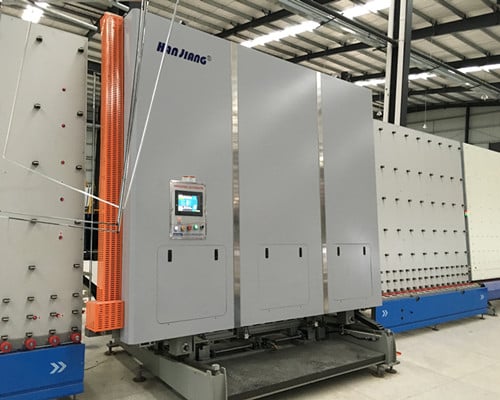
Modern green building standards demand materials that reduce energy consumption, minimize environmental impact, and enhance occupant comfort. Insulating glass production has emerged as a cornerstone technology for meeting these rigorous requirements. Insulating glass units, commonly known as IGUs, are double or triple-glazed window assemblies filled with inert gas that dramatically improve thermal performance. As building codes worldwide become stricter and sustainability mandates intensify, the role of advanced insulating glass production in achieving green certification benchmarks has never been more critical.

The connection between insulating glass equipment quality and green building compliance is direct and measurable. High-performance insulating glass production line systems enable manufacturers to consistently produce units that meet LEED, Passive House, and net-zero energy standards. By optimizing thermal resistance, controlling air leakage, and ensuring long-term durability, modern IGU production delivers the energy savings that green buildings require while supporting manufacturers' profitability and market competitiveness.
Energy Efficiency and Thermal Performance
Meeting U-Value and Solar Heat Gain Requirements
Green building standards specify strict U-values and solar heat gain coefficients that windows must achieve. An advanced IGU production line ensures consistent glazing alignment, precise gas fill ratios, and perfect seal integrity—all factors that directly influence thermal performance. When insulating glass equipment operates at optimal settings, manufacturers can reliably produce units achieving U-values below 0.20, well beyond typical code minimums. This precision is impossible with manual processes, making automated insulating glass manufacturing essential for green certification.
Low-Emissivity Coatings and Solar Control
Modern insulating glass production integrates advanced coating technologies that control solar radiation and minimize heat transfer. Low-E coatings applied during manufacturing reflect infrared radiation while allowing visible light through, creating the selective transparency that green buildings demand. An efficient insulating glass manufacturing line applies these coatings with nanometer precision, ensuring uniform performance across every unit. The quality achieved through automated IGU production line systems exceeds what manual coating can deliver, directly supporting buildings' heating and cooling efficiency goals.
Environmental Impact and Sustainable Certification
Reducing Embodied Carbon and Waste
Green building standards increasingly measure embodied carbon—the emissions generated during material production and transportation. Modern insulating glass equipment minimizes waste through precision cutting, optimized frame sizing, and efficient gas handling. High-yield insulating glass production line systems reduce scrap rates by up to 40%, directly lowering the carbon footprint per unit produced. Additionally, insulating glass production facilities using energy-efficient equipment consume less electricity, reducing operational emissions. This dual impact—lower manufacturing waste and reduced energy consumption—aligns perfectly with LEED, EU Green Building Council, and other certification frameworks that account for full lifecycle impact.
Recyclability and Material Stewardship
Green standards increasingly favor materials with end-of-life recyclability pathways. Advanced insulating glass manufacturing systems now produce units designed for material recovery, using standardized sealants and frame designs that facilitate disassembly and recycling. An optimized IGU production line can incorporate recycled glass and reclaimed spacer materials without compromising performance, supporting circular economy principles. This capability is becoming a competitive differentiator in markets where green building adoption is highest, particularly Europe and North America.
Durability, Performance Verification, and Compliance
Quality Assurance Through Automated Testing
Green buildings demand long-term performance guarantees, and insulating glass equipment manufacturers must prove durability through rigorous testing. Modern insulating glass production line systems include integrated automated testing stations that measure gas fill levels, seal integrity, and thermal bridging effects in real-time. This continuous quality assurance prevents field failures and ensures that units maintain their certified performance for 20+ years. A reliable insulating glass manufacturing process eliminates variability, giving building designers and installers confidence that units will deliver promised energy performance throughout the building's lifecycle.
Documentation and Certification Traceability
Green certification bodies require detailed performance documentation for every window installation. Advanced IGU production line systems automatically generate compliance reports that track U-value, solar heat gain, air leakage, and coating specifications for each unit. This traceability ensures that building projects can document compliance with LEED requirements, Passive House standards, and local energy codes. An efficient insulating glass manufacturing operation integrates this documentation into its workflow, reducing administrative burden while ensuring nothing slips through certification gaps.
FAQ
How does insulating glass equipment help buildings achieve net-zero energy performance?
Net-zero buildings require exceptionally low heating and cooling loads, which depends critically on window performance. High-quality insulating glass production line systems produce units with ultra-low U-values, minimal air leakage, and optimized solar heat gain. When combined with insulating glass manufacturing processes that incorporate high-performance coatings and precise gas fills, these units dramatically reduce the building's thermal load, making net-zero feasibility economically achievable. Better windows mean smaller, less expensive HVAC systems, directly supporting net-zero project economics.
What role does an IGU production line play in meeting international green standards?
International standards like EU Building Performance Directive, Passive House, and LEED all specify strict window performance criteria. An advanced insulating glass equipment system enables manufacturers to consistently meet or exceed these standards through precision control of every production variable. Modern insulating glass production lines automate coating application, gas filling, seal inspection, and performance verification, ensuring that every unit leaves the factory certified and ready for high-performance building applications. This consistency is impossible without automated insulating glass manufacturing technology.
Are there cost benefits to investing in advanced insulating glass production equipment?
Yes. While initial capital investment in a modern IGU production line is significant, the operational benefits are substantial. Reduced scrap rates, faster cycle times, and lower labor costs amortize the investment quickly. Additionally, the ability to produce high-performance units that command premium pricing in green building markets directly improves profitability. Insulating glass manufacturing facilities using advanced insulating glass equipment also reduce energy consumption per unit, lowering operational costs. Over a 10-year horizon, manufacturers typically recover their investment and achieve significant net positive returns.