 EN
EN
 AR
AR
 BG
BG
 HR
HR
 CS
CS
 DA
DA
 NL
NL
 FI
FI
 FR
FR
 DE
DE
 EL
EL
 HI
HI
 IT
IT
 JA
JA
 KO
KO
 PL
PL
 PT
PT
 RO
RO
 RU
RU
 ES
ES
 SV
SV
 TL
TL
 IW
IW
 LV
LV
 LT
LT
 SK
SK
 SL
SL
 UK
UK
 VI
VI
 ET
ET
 HU
HU
 MT
MT
 TH
TH
 TR
TR
 FA
FA
 MS
MS
 SW
SW
 GA
GA
 AZ
AZ

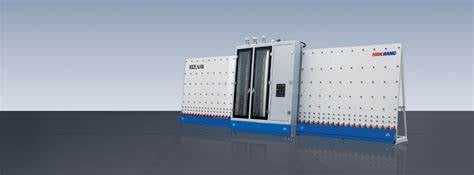
Labor efficiency and product quality remain the two most pressing challenges in modern insulating glass production. Manufacturers face mounting pressure to reduce operational costs while maintaining strict quality standards that customers demand. The competitive landscape has intensified, with buyers expecting faster delivery times and fewer defects. For producers operating IGU production lines, this dual challenge requires strategic investment in both technology and process optimization. Understanding how to balance labor reduction with quality improvement is essential for staying competitive in today's market.
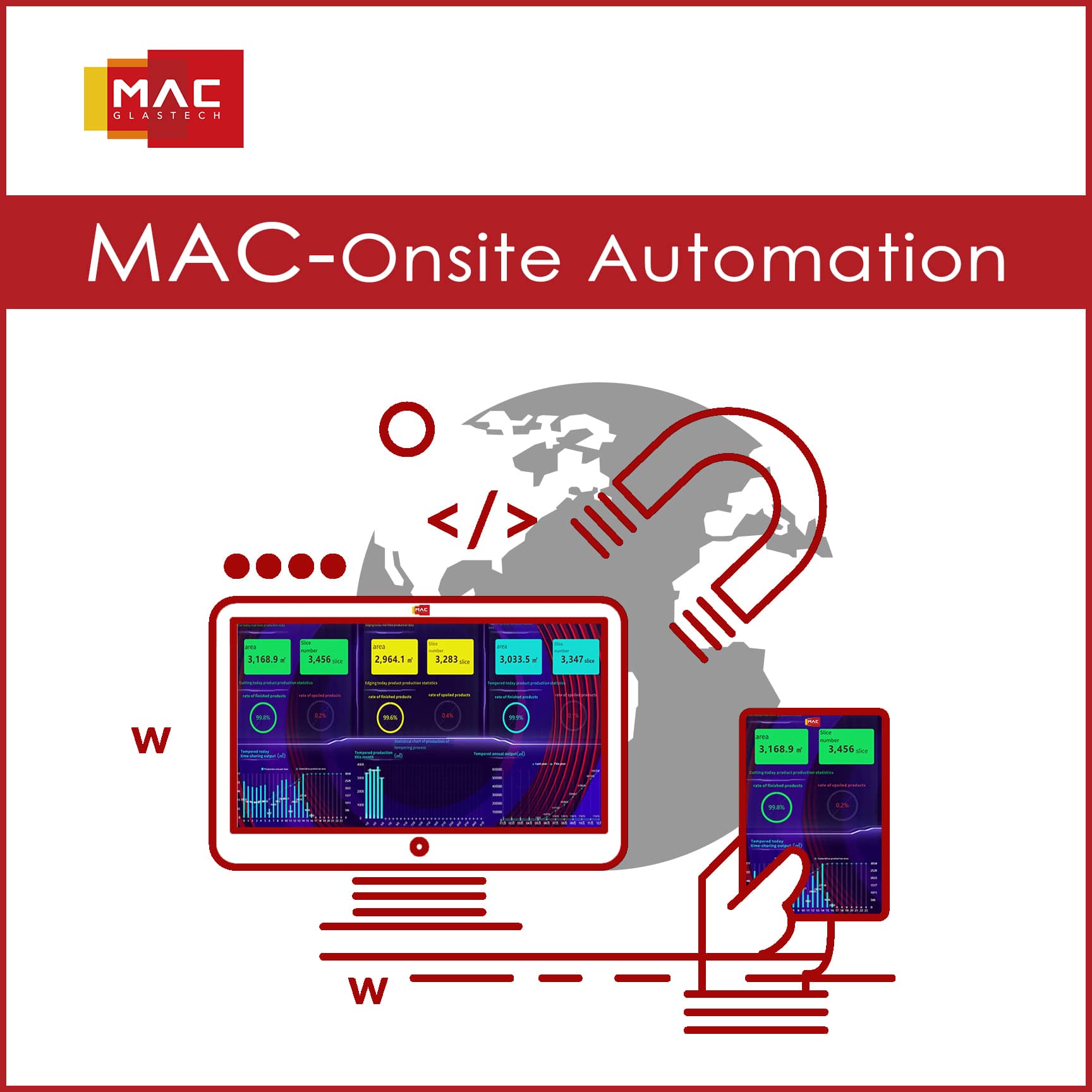
Modern insulating glass manufacturing demands precision at every stage, from glass cutting through seal assembly. When manual processes dominate your production workflow, inconsistencies inevitably emerge. Operators working long shifts become fatigued, leading to measurement errors, improper seal application, and defective units that require rework or scrapping. The financial impact extends beyond waste; rework consumes labor hours that could focus on new production. By strategically implementing automation within your insulating glass equipment setup, you can dramatically reduce human error while freeing your workforce to handle higher-value tasks that require judgment and problem-solving.
Automation's Role in Streamlining IGU Production Lines
Understanding Core Automation Benefits
Automation technology fundamentally transforms how IGU production lines operate. Automated systems execute repetitive tasks with machine precision, eliminating variation that arises from human handling. In insulating glass manufacturing, even millimeter-level inconsistencies in spacer placement or seal width can compromise thermal performance and durability. When your insulating glass production relies on manual labor for these critical steps, quality fluctuates based on worker experience and fatigue levels. Automated equipment maintains identical performance across every unit, shift after shift. This consistency doesn't just improve quality metrics; it builds customer trust and reduces warranty claims that drain profitability.
Labor Cost Reduction Through Strategic Implementation
The labor cost advantage of modern insulating glass equipment extends far beyond simple headcount reduction. When you implement automation on your IGU production line, each operator can oversee multiple processes simultaneously rather than performing single manual tasks. A worker no longer spends eight hours cutting glass or applying sealant; instead, they monitor equipment performance, manage material supply, and conduct quality checks. This shift toward oversight roles reduces total labor hours required while actually increasing the skill level needed for remaining positions. Many facilities report 30 to 50 percent reductions in labor-intensive production steps after implementing comprehensive insulating glass manufacturing automation. The financial return from labor savings typically recovers equipment investment within two to three years, after which automation becomes pure margin improvement.
Quality Improvements Through Advanced Insulating Glass Equipment
Precision in Critical Manufacturing Processes
Insulating glass equipment designed for modern production demands must deliver precision across multiple dimensions. Spacer positioning, sealant bead thickness, and pressure application during assembly directly affect thermal performance and lifespan. Manual processes introduce variation that testing might not catch until units fail in the field. Automated systems on your insulating glass production line measure and adjust in real-time, maintaining tolerances within fractions of a millimeter. Desiccant distribution becomes uniform, seal integrity improves, and thermal bridge effects diminish. These technical improvements translate directly into superior product performance, enabling you to specify higher performance ratings and command premium pricing in the marketplace.
Quality Control Integration
Modern IGU production line automation includes sophisticated quality inspection systems that human operators cannot match. Machine vision systems scan every unit for seal defects, contamination, and dimensional accuracy. These systems detect problems in real-time, allowing immediate correction before defective glass reaches inventory. Insulating glass manufacturing benefits tremendously from this capability because detecting defects early prevents costly downstream rework. Data from automated quality checks provides actionable insights into production trends, enabling preventive maintenance and process optimization. When equipment flags an emerging issue—such as gradual seal application drift—operators intervene before scrap rates climb. This proactive quality management keeps your insulating glass equipment running efficiently and maintains consistent customer satisfaction.
Implementation Strategy for Maximum Benefit
Phased Automation Approach
Implementing automation across your entire insulating glass production line doesn't require simultaneous investment in all equipment. Leading manufacturers adopt a phased approach, beginning with the highest-labor, lowest-skill activities where automation delivers immediate impact. Early projects might focus on glass cutting, edging, or spacer insertion—tasks that demand consistency but require minimal decision-making. Success in these initial projects builds internal expertise and generates financial returns that fund subsequent automation phases. By concentrating insulating glass manufacturing improvements on high-impact areas first, facilities reduce implementation risk and prove ROI before committing larger capital. This staged approach also allows your workforce to adapt gradually, reducing disruption and building internal support for ongoing modernization.
Workforce Transition and Skill Development
Successful insulating glass equipment implementation requires thoughtful management of workforce transitions. Rather than viewing automation as job elimination, progressive manufacturers recognize it as an opportunity to upgrade workforce capabilities. As routine tasks move to machines, your team shifts toward equipment operation, maintenance, and process optimization. This change requires training investments, but the resulting workforce becomes more valuable and commands higher compensation. Operators who understand both manual processes and automated systems can troubleshoot equipment issues, optimize parameters, and drive continuous improvement. Many facilities find that implementing automation on their IGU production line actually increases demand for skilled technicians, creating career advancement opportunities that improve employee retention. When presented thoughtfully, automation becomes a collaborative tool that enhances rather than threatens workforce security.
FAQ
How much labor reduction can insulating glass equipment typically achieve?
Facilities implementing comprehensive automation across their insulating glass production report labor reductions of 30 to 50 percent in directly automated processes. The actual improvement depends on your starting point, production volume, and automation scope. High-volume facilities benefit more dramatically because equipment utilization improves. A facility producing 200 units daily might reduce labor from eight operators to five, while proportionally smaller operations see smaller absolute headcount changes. Beyond direct labor, indirect benefits include reduced rework, fewer quality escapes, and faster customer response times, which further improve productivity metrics.
What is the typical return on investment for IGU production line automation?
Most well-planned insulating glass manufacturing automation projects recover capital investment within 24 to 36 months through labor savings, scrap reduction, and improved throughput. ROI varies based on your current labor costs, defect rates, and production volume. Facilities with higher labor expenses or significant quality problems typically see faster returns. Beyond the payback period, automation becomes pure profit improvement as equipment continues operating without additional capital requirements. Many manufacturers find that the secondary benefits—improved quality enabling premium pricing and faster delivery supporting customer retention—match or exceed direct labor savings in total financial impact.
Can existing facilities retrofit insulating glass equipment without production disruption?
Yes, most insulating glass production line automation can be implemented incrementally using a phased approach that maintains production continuity. Equipment manufacturers design modern systems to integrate with existing layouts and workflows. Strategic sequencing allows you to automate one process stage while the rest of the facility continues operating normally. Depending on your facility size and complexity, you might implement critical improvements during planned maintenance windows or low-demand periods. Planning the transition carefully with your equipment supplier minimizes disruption while capturing automation benefits. Some facilities even maintain redundant manual capability during the transition period, providing a safety net if unexpected issues arise.