 EN
EN
 AR
AR
 BG
BG
 HR
HR
 CS
CS
 DA
DA
 NL
NL
 FI
FI
 FR
FR
 DE
DE
 EL
EL
 HI
HI
 IT
IT
 JA
JA
 KO
KO
 PL
PL
 PT
PT
 RO
RO
 RU
RU
 ES
ES
 SV
SV
 TL
TL
 IW
IW
 LV
LV
 LT
LT
 SK
SK
 SL
SL
 UK
UK
 VI
VI
 ET
ET
 HU
HU
 MT
MT
 TH
TH
 TR
TR
 FA
FA
 MS
MS
 SW
SW
 GA
GA
 AZ
AZ

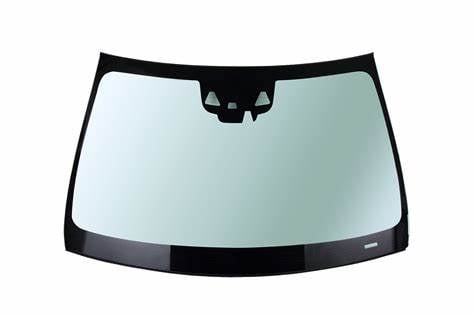
Modern manufacturing demands precision, speed, and reliability. Automotive glass processing has emerged as a critical component in vehicle production, yet manufacturers often question whether it truly aligns with smart factory automation strategies. The answer is nuanced and depends on several technical and operational factors that directly impact production efficiency, quality control, and capital investment.

Smart factory automation represents a fundamental shift in how manufacturing operates, integrating real-time monitoring, predictive maintenance, and automated workflows. Automotive glass manufacturing must meet stringent quality standards, including precise dimensions, optical clarity, and structural integrity. Understanding how automotive glass equipment integrates into this automation ecosystem is essential for facility managers, production engineers, and strategic decision-makers planning significant capital expenditures.
Integration Compatibility and Technical Alignment
Sensor Integration and Data Capture
Modern automotive glass equipment features sophisticated sensors that measure thickness, curvature, and surface defects in real time. These sensors generate continuous data streams compatible with Industry 4.0 frameworks. Smart factory automation platforms can aggregate this data, enabling predictive maintenance schedules and quality trend analysis. Automotive glass processing lines equipped with IoT-ready sensors facilitate seamless integration into manufacturing execution systems.
The automotive glass machine architecture must support standardized communication protocols such as OPC-UA or MQTT. Equipment manufacturers increasingly design automotive glass manufacturing systems with built-in connectivity, allowing direct integration into supervisory control systems. This technical foundation makes automotive glass processing suitable for automation environments where real-time visibility is essential.
Production Flow Coordination
Smart factory automation requires synchronized production workflows across multiple processing stations. Automotive glass equipment must communicate production status, cycle times, and defect rates to central control systems. Modern automotive glass processing capabilities include programmable logic controllers with remote monitoring capabilities, essential for coordinated automation. This alignment ensures that glass processing does not become a bottleneck in integrated production chains.
Operational Benefits Within Automation Ecosystems
Quality Consistency and Defect Reduction
One primary advantage of integrating automotive glass equipment into smart factory systems is enhanced quality control. Automated inspection using vision systems and thickness measurements reduces human error and ensures consistent output. Automotive glass processing within automated environments benefits from real-time feedback loops that adjust parameters instantly when deviations occur. This capability directly addresses automotive industry demands for zero-defect manufacturing and traceability.
Statistical process control becomes more effective when automotive glass manufacturing data feeds directly into central analytics platforms. Patterns emerge faster, root causes are identified sooner, and corrective actions are deployed across multiple lines simultaneously. Smart factory automation transforms glass processing from a reactive operation into a proactive, data-driven function.
Resource Optimization and Downtime Reduction
Predictive maintenance represents a significant operational advantage of automotive glass equipment integration into smart factories. By analyzing sensor data, AI algorithms predict component failures before they occur, enabling scheduled maintenance during planned downtime. Unplanned production interruptions decrease substantially, improving overall equipment effectiveness. Automotive glass processing lines can achieve utilization rates exceeding 90% when integrated into comprehensive automation strategies.
Energy consumption also benefits from automation oversight. Smart systems optimize heating cycles, cooling durations, and material flow rates based on real-time demand and historical performance data. Automotive glass manufacturing becomes more sustainable and cost-efficient through intelligent resource allocation.
Implementation Considerations and Practical Challenges
Legacy Equipment Compatibility
Existing automotive glass processing lines may lack native connectivity features, creating integration challenges. Retrofitting older automotive glass equipment with sensors and communication modules incurs additional costs but remains feasible. The decision depends on residual equipment life, upgrade costs, and expected ROI from automation benefits. Many facilities choose selective integration, prioritizing critical automotive glass processing stations first.
Workforce Adaptation and Skill Requirements
Successfully deploying automotive glass equipment in smart factories requires technicians trained in both mechanical operation and digital systems. Operators must interpret automated alerts, troubleshoot connectivity issues, and manage data quality. Organizations should invest in training programs addressing these dual competencies. The automotive glass manufacturing workforce evolves from purely mechanical operators to data-literate technicians capable of leveraging automation insights.
Staff acceptance and change management are equally important. Clear communication about automation benefits and job security helps teams embrace new automotive glass processing workflows. Facilities thriving in smart environments foster collaborative relationships between traditional operators and automation engineers.
FAQ
Can existing automotive glass processing equipment connect to smart factory systems?
Most modern automotive glass machines feature connectivity capabilities, but older equipment may require retrofitting. Sensor integration kits and communication gateways are available for legacy automotive glass processing lines. Compatibility depends on specific equipment models and manufacturer support for integration protocols. Consulting with automation vendors can clarify retrofit feasibility and associated costs for your automotive glass manufacturing facility.
What measurable improvements does automotive glass equipment achieve in automated factories?
Smart integration of automotive glass processing typically yields 15-25% improvement in overall equipment effectiveness, 30-40% reduction in defect rates, and 10-15% energy savings. Quality consistency improves dramatically because automotive glass equipment operates within tighter parameter tolerances monitored continuously. Production visibility increases substantially, enabling better scheduling and capacity planning across the automotive glass manufacturing operation.
What is the typical investment required to integrate automotive glass processing into a smart factory?
Integration costs vary based on equipment age, line complexity, and automation scope. New automotive glass equipment with built-in connectivity might add 5-10% to capital costs. Retrofitting existing automotive glass processing systems can range from $50,000 to $300,000 per line depending on scope. Consider these investments against operational savings from reduced downtime, improved quality, and optimized resource utilization over the equipment's lifecycle.