 EN
EN
 AR
AR
 BG
BG
 HR
HR
 CS
CS
 DA
DA
 NL
NL
 FI
FI
 FR
FR
 DE
DE
 EL
EL
 HI
HI
 IT
IT
 JA
JA
 KO
KO
 PL
PL
 PT
PT
 RO
RO
 RU
RU
 ES
ES
 SV
SV
 TL
TL
 IW
IW
 LV
LV
 LT
LT
 SK
SK
 SL
SL
 UK
UK
 VI
VI
 ET
ET
 HU
HU
 MT
MT
 TH
TH
 TR
TR
 FA
FA
 MS
MS
 SW
SW
 GA
GA
 AZ
AZ

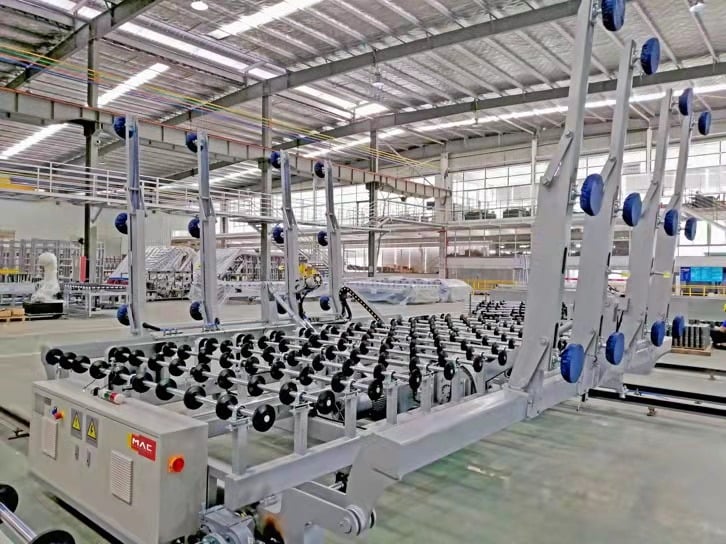
The glass loader unloader represents a critical component in modern automated glass handling systems, serving as the bridge between production stages and material flow optimization. In industrial glass manufacturing and processing environments, automated systems demand precision, speed, and reliability to maintain productivity while minimizing damage and labor costs. Understanding how a glass loader unloader functions within these integrated systems is essential for operations managers, plant engineers, and purchasing professionals seeking to optimize their glass handling workflows.
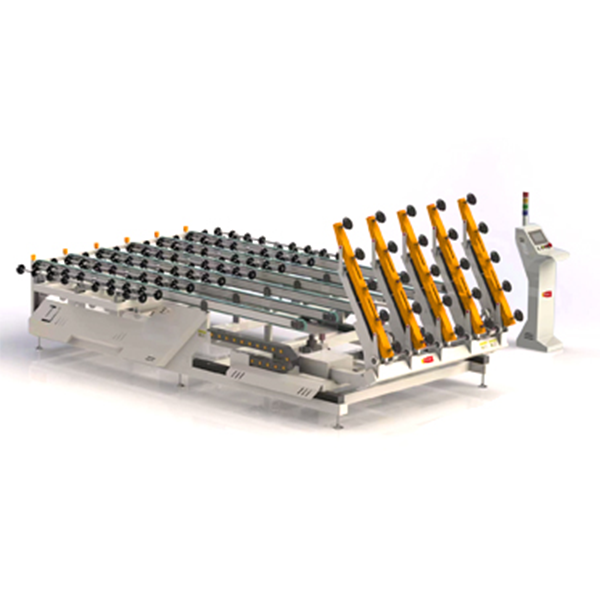
Automated glass handling systems integrate multiple components working in concert to move, position, and process glass sheets through production lines. The automatic glass loader unloader operates as a mechanical interface that receives finished or semi-finished glass products from upstream processes and transfers them to storage, packaging, or the next production stage. By automating this transfer process, facilities reduce manual handling risks, accelerate throughput, and maintain consistent glass quality by minimizing edge contact and surface contamination.
Core Functions of Glass Loading and Unloading Equipment
Material Reception and Positioning
The glass loading system receives glass sheets exiting from processing equipment such as edge polishers, washers, or coating machines. The equipment uses precision positioning mechanisms, often pneumatic or servo-driven, to grip and align sheets without creating stress concentrations or micro-fractures. The automatic glass loader aligns each sheet perpendicular to the receiving conveyor or storage rack, ensuring dimensional accuracy and preventing jams downstream. Vacuum or specialized gripping systems maintain secure hold throughout the transfer cycle, essential for heavy or oversized sheets that characterize industrial applications.
Transfer Workflow and Timing Control
In a glass loading system, the transfer workflow synchronizes with upstream production speed through sensor feedback and programmable logic controllers. The glass unloading machine detects when a sheet arrives at the transfer point, executes a pick cycle, positions the load, and places it at the destination with millisecond precision. This synchronized timing prevents bottlenecks, reduces idle time, and allows production lines to run at maximum rated speeds. The automatic glass loader unloader continuously cycles, responding to real-time production demands without requiring operator intervention.
Integration Within Automated Glass Handling Systems
Connection to Conveyors and Storage
Automated glass handling systems typically integrate the glass unloading machine with conveyor belts, stackers, or racking systems that store finished inventory. The loader unloader equipment communicates with these components through integrated control networks, sharing status signals and sequencing information. Many glass loading system configurations include buffer zones where sheets temporarily wait before the automatic glass loader transfers them to the next stage, balancing production speed variations across multiple process steps. This integration creates seamless material flow from production through storage or packaging operations.
Sensor Integration and Quality Control
Modern automatic glass loader equipment incorporates proximity sensors, weight sensors, and dimension-checking devices that verify sheet integrity before transfer. The glass loading system can reject sheets that don't meet dimensional tolerances or show damage, automatically routing them to a separate quality-hold area. The glass unloading machine communicates rejection events to production monitoring systems, enabling real-time yield tracking and process diagnostics. This sensor-based quality control within the automatic glass loader unloader prevents defective material from advancing to subsequent stages.
Operational Advantages and Implementation Considerations
Efficiency and Throughput Optimization
The primary advantage of a glass loader unloader in automated glass handling systems is sustained throughput without operator fatigue or human error. Manual sheet handling typically limits production to 60–100 sheets per hour depending on sheet size and weight. An automatic glass loader unloader performs 120–200+ cycles per hour, directly proportional to production capacity gains. The glass loading system reduces labor requirements, allows operators to focus on higher-value monitoring tasks, and significantly decreases per-unit handling costs across high-volume production runs.
Damage Reduction and Product Quality
Precision gripping and controlled motion within the automatic glass loader unloader minimize edge contact stress and surface scratching compared to manual handling or crude mechanical transfer systems. The glass unloading machine uses specialized grip patterns engineered for specific sheet dimensions and edge characteristics, reducing breakage and damage claims. Consistent, repeatable transfer mechanics ensure product uniformity, which is critical for tempered glass, laminated products, or specialty applications where defect rates directly impact customer satisfaction and warranty costs.
Space and Safety Considerations
While a glass loading system requires dedicated floor space and infrastructure integration, many facilities recover this investment through reduced accident rates and worker compensation exposure. The automatic glass loader unloader eliminates repetitive lifting injuries, pinch points, and strain-related claims common in manual glass handling environments. Automated safety interlocks within the glass unloading machine prevent operator contact during active cycles, and remote monitoring capabilities allow supervisors to track system status and troubleshoot without close proximity to moving equipment.
FAQ
What types of glass can an automatic glass loader handle?
A glass loading system is designed to handle a wide variety of sheet products including annealed, tempered, laminated, coated, and tinted glass. The automatic glass loader unloader operates reliably with sheets ranging from small decorative panels to large architectural sheets, provided the equipment is configured with appropriate grip and drive settings for the specific load weight and dimensions. Custom gripper configurations allow adaptation to edge profiles, including polished, beveled, or specialty finish edges without compromising transfer reliability.
How does a glass unloading machine integrate with existing production lines?
Integration of a glass unloading machine typically involves connecting it to existing conveyors or stackers through mechanical mounting and electrical control networking. The automatic glass loader unloader communicates via Modbus, Profibus, or proprietary protocols compatible with existing production control systems. Most manufacturers provide integration support and software customization to ensure the glass loading system synchronizes with upstream equipment timing and downstream material handling sequences, minimizing disruption during installation.
What maintenance does an automatic glass loader unloader require?
Regular maintenance of a glass loader unloader includes periodic cleaning of grippers to remove dust or film residue, inspection of pneumatic or hydraulic actuators, and verification of sensor calibration. The glass unloading machine should undergo quarterly inspections for wear on gripper pads and guide components, with replacement scheduled before critical wear compromises transfer quality. Preventive maintenance programs typically add 5–10% to equipment operating costs but significantly extend service life and minimize unexpected downtime in the automatic glass loader unloader system.