 EN
EN
 AR
AR
 BG
BG
 HR
HR
 CS
CS
 DA
DA
 NL
NL
 FI
FI
 FR
FR
 DE
DE
 EL
EL
 HI
HI
 IT
IT
 JA
JA
 KO
KO
 PL
PL
 PT
PT
 RO
RO
 RU
RU
 ES
ES
 SV
SV
 TL
TL
 IW
IW
 LV
LV
 LT
LT
 SK
SK
 SL
SL
 UK
UK
 VI
VI
 ET
ET
 HU
HU
 MT
MT
 TH
TH
 TR
TR
 FA
FA
 MS
MS
 SW
SW
 GA
GA
 AZ
AZ

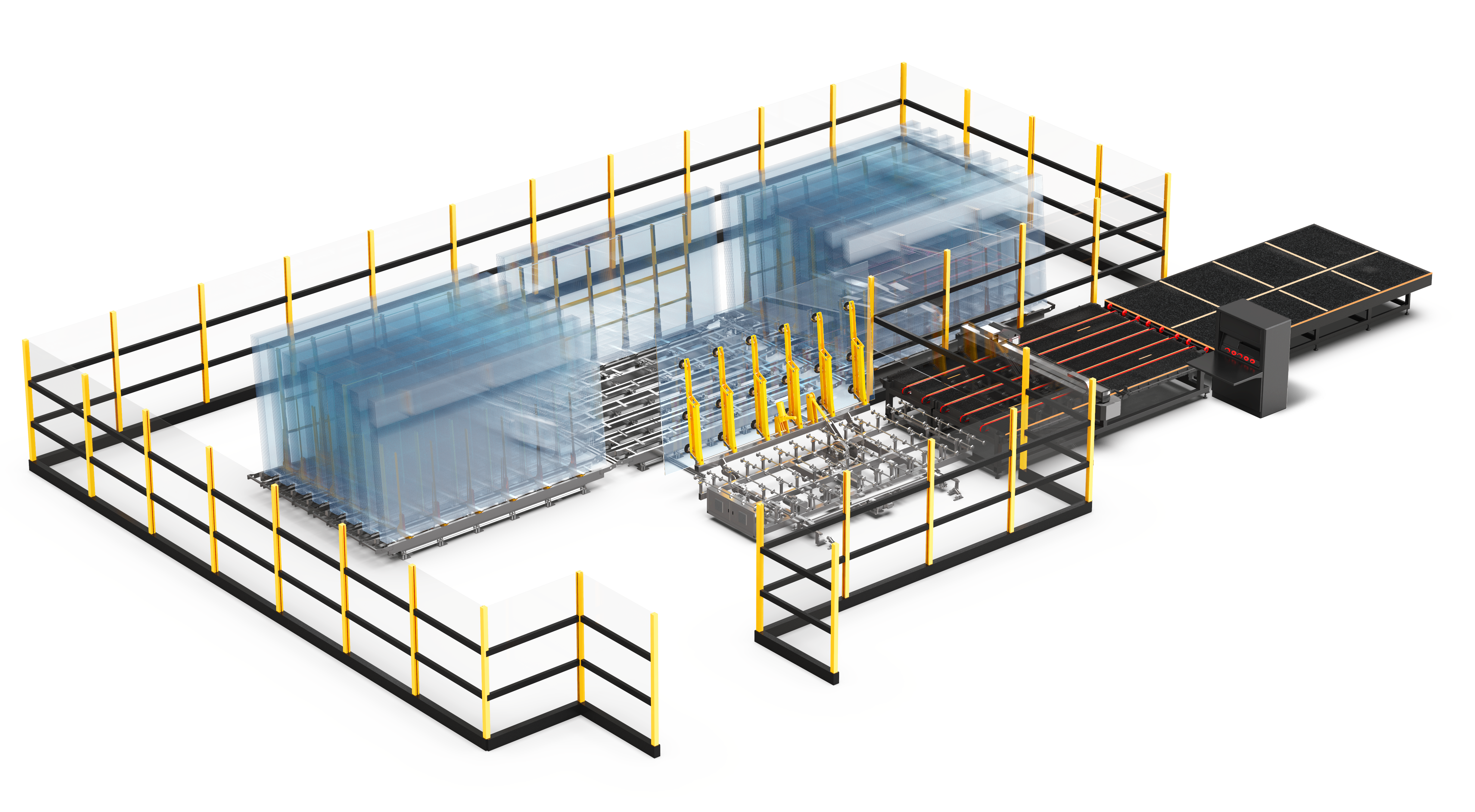
Understanding the distinction between glass production intelligence and glass production automation is critical for manufacturers seeking to optimize their operations. While these terms are often used interchangeably, they represent fundamentally different approaches to manufacturing excellence. Glass production automation focuses on the mechanical and control systems that execute repetitive tasks without human intervention, whereas glass production intelligence refers to the data-driven insights and decision-making capabilities that inform and enhance those automated processes. This article explores how these two concepts differ and why both are essential components of modern glass manufacturing.
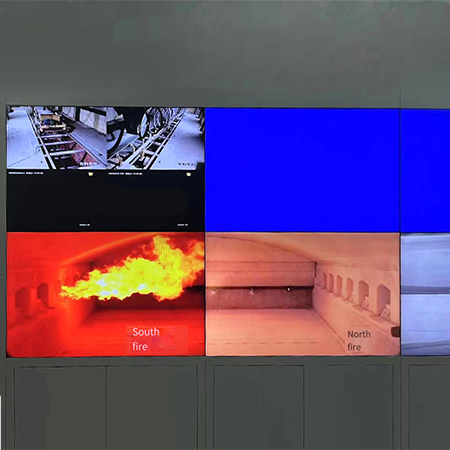
The relationship between these two capabilities is symbiotic. Glass factory automation provides the operational foundation—the robotic arms, conveyor systems, temperature controllers, and precision machinery that perform actual production tasks. In contrast, glass production intelligence supplies the brain behind those operations, collecting real-time data, analyzing performance metrics, identifying bottlenecks, and recommending optimizations. An effective glass automation system combines both elements: machines that execute with precision, and analytical systems that guide their execution toward better outcomes.
Core Differences Between Automation and Intelligence
Execution Versus Insight
Glass production automation is primarily execution-focused. It automates manual labor by replacing human operators with mechanical systems that perform predetermined tasks consistently and at scale. Automated glass processing systems move glass sheets, apply coatings, cut, shape, and package products with minimal human oversight. These systems follow programmed instructions and respond to basic environmental sensors. They excel at repeatability and speed but lack the capacity to independently evaluate whether the current approach is optimal. A glass automation solution operates the machinery; it performs the work.
Glass production intelligence, by contrast, is insight-focused. It examines data streams from the production line—temperature fluctuations, defect rates, energy consumption, cycle times, and yield percentages—and translates that raw information into actionable knowledge. Intelligence systems detect patterns that humans would miss, forecast equipment maintenance needs, recommend process parameter adjustments, and quantify the financial impact of operational changes. Intelligence does not execute tasks; it informs decisions about how tasks should be executed.
Static Programming Versus Adaptive Learning
Automated glass processing systems operate on static logic. Once programmed, they perform their assigned functions in the same way unless manually reprogrammed. If market demand shifts or raw material properties change, the glass factory automation machinery continues operating according to its original parameters until a technician intervenes. This predictability is valuable, but it creates operational inflexibility. The system cannot independently recognize that a new approach would yield better results.
Intelligence systems, particularly those powered by advanced analytics and machine learning, adapt and improve continuously. They compare current performance against historical baselines, identify which parameter adjustments correlate with quality improvements, and progressively refine recommendations. Over time, these systems become more valuable as they accumulate data and learn the unique characteristics of your specific glass production environment. A glass automation solution paired with intelligence capabilities evolves; static automation alone does not.
Integration: Why Both Matter
The Limitations of Automation Without Intelligence
A glass factory automation system without intelligence is like a vehicle without a driver—it moves, but without strategic direction. It can execute production runs efficiently in terms of raw speed and consistency, but it cannot optimize for profitability, sustainability, or market responsiveness. Without intelligence, operators must manually monitor performance, identify problems, and adjust parameters. This reintroduces human variability and delays problem resolution. Downtime extends because no system alerts you to emerging issues before they become critical. Defect rates plateau because no mechanism systematically discovers root causes and recommends improvements. A glass automation solution operates the machinery, but intelligence transforms that machinery into a profit-generating asset.
The Limitations of Intelligence Without Automation
Conversely, intelligence without automation is equally incomplete. Sophisticated analytics that recommend parameter adjustments are valuable only if those recommendations can be rapidly implemented. In a purely manual environment, even perfect insights face implementation delays. Operators interpret recommendations inconsistently, forget to apply them, or misimplement them under production pressure. Automated glass processing accelerates the translation of insight into action. When intelligence recommends a temperature adjustment or cycle time modification, the glass automation system executes that change instantly and consistently across all production units. Speed of implementation amplifies the value of intelligence.
Synergy in Modern Glass Manufacturing
The most effective modern glass automation solution integrates both capabilities. Real-time sensor data flows into intelligence systems that analyze performance, detect anomalies, and recommend optimizations. Those recommendations trigger automated adjustments in the glass factory automation machinery, which then executes the new parameters. This feedback loop continuously improves yield, reduces defects, minimizes energy consumption, and extends equipment lifespan. The automated glass processing systems become increasingly intelligent and responsive. This integration transforms your production facility from a static cost center into a dynamic profit generator that learns from experience and adapts to changing conditions.
Practical Implications for Manufacturing Strategy
Implementation Priorities
Understanding these distinctions clarifies investment priorities. If your facility lacks basic automation, your immediate focus should be implementing reliable glass production automation systems that perform core manufacturing tasks consistently. These systems form the foundation upon which intelligence can later be layered. However, if your glass factory automation infrastructure is already solid, the next strategic priority is intelligence—systems that analyze your existing operations and unlock hidden optimization potential. Sequencing matters because intelligence is most valuable when applied to stable, automated processes.
Vendor Evaluation and Technology Selection
When evaluating vendors and technologies, clarify whether solutions address automation, intelligence, or both. A vendor offering only machinery is providing automated glass processing capability. A vendor offering only analytics software is providing intelligence. The most complete glass automation solution providers offer integrated platforms that combine reliable machinery with sophisticated data analytics and decision-support tools. This integration ensures that insights can be rapidly translated into production improvements without manual reinterpretation or delay. Ask vendors how their intelligence systems connect to and drive changes in their automation machinery.
The distinction between glass production intelligence and glass production automation is not merely academic—it shapes how you invest, what outcomes you achieve, and how effectively you compete. Automation alone delivers consistency and speed. Intelligence alone delivers insight but no action. Together, they create a glass automation system that continuously improves, adapts to conditions, and maximizes your return on manufacturing investment. Modern glass producers who understand and implement both capabilities gain significant competitive advantage.
FAQ
Can glass production automation work effectively without intelligence?
Yes, automated glass processing can function without intelligence, delivering consistent production and reduced labor costs. However, it operates at lower potential efficiency because no system continuously analyzes performance, identifies optimization opportunities, or adapts to changing conditions. The glass factory automation machinery executes its programmed tasks reliably but cannot improve independently. Adding intelligence typically unlocks 10–25% additional value from the same equipment through systematic optimization.
What are the main data sources that intelligence systems use?
Glass production intelligence systems collect data from multiple sources: temperature sensors, humidity monitors, defect detection cameras, weight scales, energy meters, equipment vibration sensors, and production scheduling systems. These diverse data streams are aggregated and analyzed to identify patterns, correlations, and optimization opportunities. The quality and density of available data directly influences the sophistication and value of the intelligence insights your glass automation solution can generate.
How does a glass automation solution improve return on investment?
An integrated glass automation solution improves ROI through reduced labor costs, lower defect rates, higher throughput, reduced energy consumption, and extended equipment lifespan. Automation reduces headcount and improves consistency; intelligence systematically optimizes all operational parameters. Together, they accelerate payback period and increase total lifetime value. Most facilities see positive ROI within 18–36 months when implementing both automation and intelligence components.