 EN
EN
 AR
AR
 BG
BG
 HR
HR
 CS
CS
 DA
DA
 NL
NL
 FI
FI
 FR
FR
 DE
DE
 EL
EL
 HI
HI
 IT
IT
 JA
JA
 KO
KO
 PL
PL
 PT
PT
 RO
RO
 RU
RU
 ES
ES
 SV
SV
 TL
TL
 IW
IW
 LV
LV
 LT
LT
 SK
SK
 SL
SL
 UK
UK
 VI
VI
 ET
ET
 HU
HU
 MT
MT
 TH
TH
 TR
TR
 FA
FA
 MS
MS
 SW
SW
 GA
GA
 AZ
AZ


The demand for precision and efficiency in commercial glass manufacturing has never been higher. Organizations across architectural, automotive, and electronics industries require consistent, high-quality drilling solutions that can scale with production demands. Glass drilling machines have emerged as essential equipment for businesses seeking to automate their glass processing workflows while maintaining dimensional accuracy and reducing labor costs.
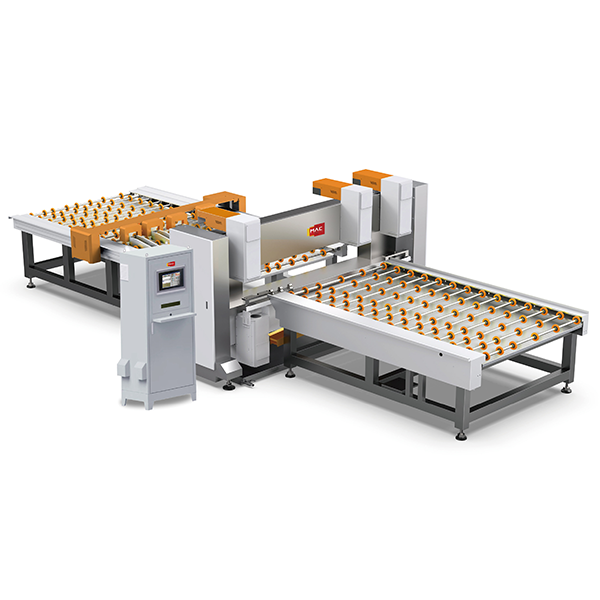
Modern automatic glass drilling represents a significant advancement in glass fabrication technology. These systems transform how manufacturers handle repetitive drilling tasks, offering speed, repeatability, and reliability that manual processes cannot match. The transition from traditional hand-drilling to automated solutions directly impacts operational costs, product quality, and competitive positioning in commercial markets.
Automation Capabilities in Glass Drilling Equipment
High-Speed Processing and Production Volume
Glass drilling equipment designed for commercial manufacturing delivers substantial throughput improvements over conventional methods. Automatic glass drilling systems can process multiple holes per piece with consistent precision, enabling manufacturers to meet large orders without quality degradation. The speed of CNC glass drilling machines translates directly to faster project completion, reduced lead times, and improved customer satisfaction in competitive markets.
Production capacity scales efficiently with automated glass drilling. A single CNC glass drilling machine can handle significantly higher volumes than multiple manual operators while maintaining tolerance specifications that commercial clients demand. This scalability makes these systems particularly valuable for manufacturers experiencing seasonal demand spikes or serving large-scale projects.
Precision and Consistency Standards
Commercial glass manufacturing requires drilling accuracy that human operators struggle to maintain across hundreds or thousands of pieces. Glass drilling equipment with CNC capabilities ensures every hole meets exact positioning and diameter specifications, eliminating rework and scrap costs. This consistency proves especially critical for architectural glass, automotive components, and electronics applications where precision directly affects product functionality and safety.
The repeatability of automatic glass drilling eliminates the variability inherent in manual operations. Temperature fluctuations, tool wear, and operator fatigue no longer compromise hole quality. Modern automatic glass drilling systems compensate for material variations and maintain stable cutting conditions throughout extended production runs.
Integration with Commercial Manufacturing Workflows
Workflow Optimization and Reduced Labor Dependency
Integrating CNC glass drilling machinery into existing production lines creates opportunities for workflow streamlining and cost reduction. Manufacturers can position glass drilling equipment within assembly sequences to minimize material handling and transport distances. This integration improves overall factory efficiency while reducing the skilled labor typically required for precision drilling operations.
Automatic glass drilling reduces direct labor costs while shifting workforce focus toward quality oversight and process management. Operators transition from performing repetitive drilling tasks to monitoring system performance, loading materials, and ensuring tool maintenance. This repositioning improves job satisfaction while maintaining skilled employment within manufacturing facilities.
Multi-Head Systems and Parallel Operations
Advanced glass drilling machines feature multiple spindles or drilling heads, enabling simultaneous hole production on single glass pieces or parallel processing of multiple components. Double and triple-head configurations dramatically increase throughput compared to single-spindle systems. These multi-head designs prove particularly effective for manufacturers producing glass components with numerous drilling requirements, such as automotive windshields, architectural framing systems, and electronic device housings.
Parallel operations capability means glass drilling equipment can handle complex drilling patterns that would require multiple setup cycles in manual operations. Commercial projects with tight timelines and high precision demands benefit significantly from this efficiency gain, improving profitability on challenging fabrication assignments.
Suitability Assessment for Commercial Environments
Material Compatibility and Application Scope
Glass drilling machines designed for commercial manufacturing accommodate various glass types, thicknesses, and edge conditions. Tempered glass, laminated glass, and specialty compositions present different drilling challenges, yet modern automatic glass drilling equipment manages these variations through adjustable feed rates, specialized tooling, and cooling systems. Commercial applications spanning automotive, architectural, and consumer products can leverage glass drilling equipment suited to their specific material requirements.
The versatility of CNC glass drilling machinery enables manufacturers to serve diverse customer specifications without purchasing multiple specialized systems. This equipment flexibility reduces capital equipment costs while improving asset utilization across varied commercial projects.
Return on Investment and Business Case
Commercial glass manufacturers justify glass drilling equipment investment through several financial metrics. Reduced scrap rates, lower labor costs, faster production cycles, and improved quality reputation combine to create compelling returns within two to four years for most operations. Manufacturers processing over ten thousand glass components annually typically achieve positive ROI within the first operational year.
Beyond direct cost savings, automatic glass drilling strengthens competitive positioning by enabling manufacturers to guarantee tighter tolerances, faster delivery, and consistent quality. These capabilities attract premium customers and justify higher pricing for precision work, further improving profitability compared to manual operations.
FAQ
What specific advantages does automatic glass drilling offer over manual drilling?
Automatic glass drilling delivers superior speed, consistency, and precision compared to manual methods. CNC glass drilling machines eliminate human error variability, reduce production time by fifty to seventy percent, and significantly lower scrap rates. Operators benefit from safer working conditions while manufacturers achieve higher profit margins through improved efficiency and quality.
How does glass drilling equipment handle different glass thicknesses and types?
Modern glass drilling machines include adjustable parameters such as feed rates, spindle speeds, and cooling options to accommodate various materials. Operators input specifications for each glass type and thickness, and the equipment automatically optimizes drilling parameters accordingly. This adaptability enables commercial manufacturers to process diverse glass compositions without extensive equipment modifications.
Is CNC glass drilling machinery difficult to operate and maintain?
Contemporary glass drilling equipment features user-friendly interfaces and intuitive programming systems accessible to technicians with basic training. Maintenance requirements focus on routine tasks such as tool inspection, coolant management, and spindle lubrication, which manufacturers typically perform during regular production schedules. Manufacturer support and technical documentation help ensure smooth equipment operation and extended service life.