Insulating Glass Production: Advanced Manufacturing for Energy-Efficient Windows and Building Solutions

All Categories

Get a Free Quote

Our representative will contact you soon.
Email
Name
Company Name
Message
0/1000

insulating glass production

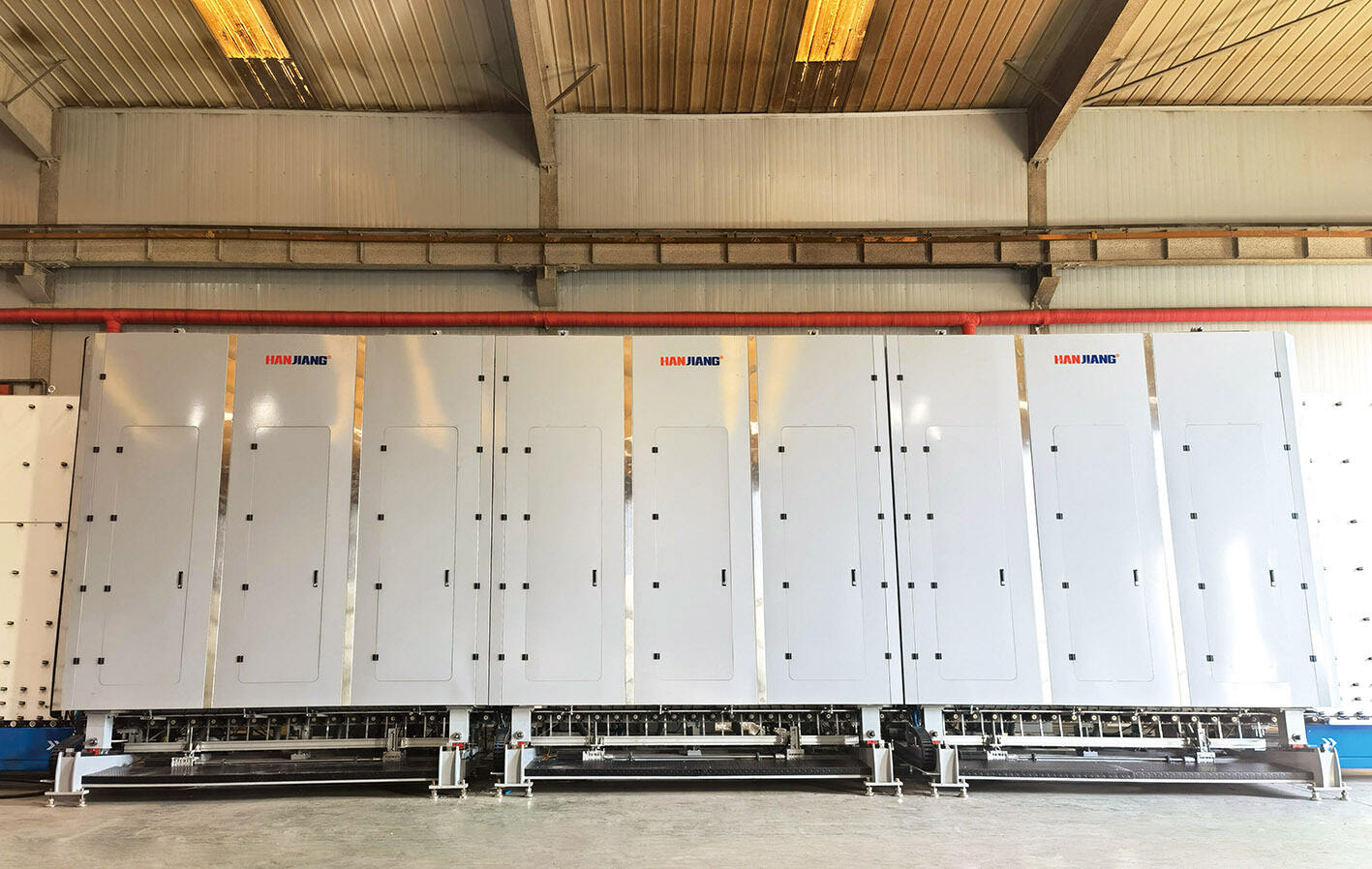
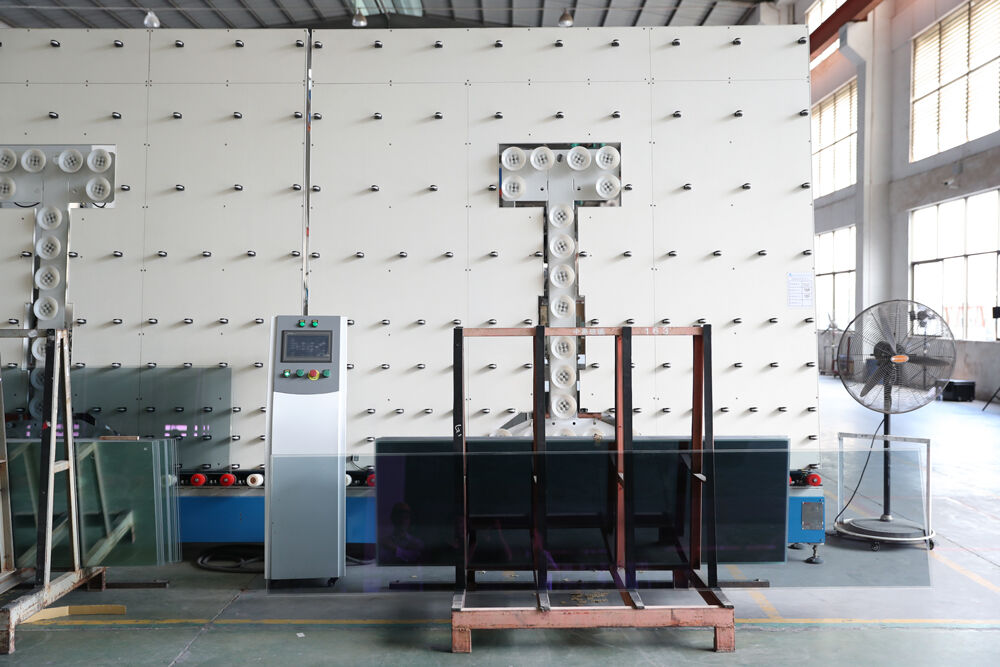
Insulating glass production represents a sophisticated manufacturing process that creates high-performance window units designed to improve energy efficiency in buildings. This specialized production method involves assembling multiple glass panes separated by a sealed space filled with air or inert gas, creating a barrier against heat transfer. The insulating glass production process combines precision engineering with advanced materials to deliver products that meet modern construction standards. During insulating glass production, manufacturers carefully select glass sheets, apply spacer bars around the perimeter, fill the cavity with dehumidified air or gases like argon or krypton, and seal the entire unit with high-quality sealants. The main functions of insulating glass production include creating thermal barriers that reduce energy consumption, minimizing condensation on interior surfaces, reducing outside noise penetration, and enhancing overall building comfort. Technological features of insulating glass production encompass automated cutting systems that ensure precise glass dimensions, computerized spacer application that maintains consistent cavity spacing, gas filling stations that introduce inert gases to improve thermal performance, and dual-seal systems that prevent moisture infiltration and gas leakage. Modern insulating glass production facilities utilize quality control measures including laser measurement systems, gas concentration testing, and seal integrity verification to ensure every unit meets stringent performance standards. Applications of insulating glass production span residential construction where homeowners seek energy savings and comfort, commercial buildings requiring large glazed facades with optimal thermal performance, specialized environments like cold storage facilities needing superior insulation, and renovation projects upgrading existing windows to contemporary efficiency standards. The insulating glass production industry continues evolving with innovations in coating technologies, spacer materials, and assembly techniques that push performance boundaries while reducing manufacturing costs and environmental impact.

Popular Products

The advantages of insulating glass production translate directly into tangible benefits that improve daily living and working environments while reducing operational costs. Energy savings stand as the most compelling advantage, with properly manufactured insulating glass units reducing heating and cooling expenses by up to 30 percent compared to single-pane windows. This happens because the insulating glass production process creates an effective thermal barrier that keeps warm air inside during winter and blocks heat from entering during summer months. Your utility bills decrease substantially when buildings incorporate products from quality insulating glass production, allowing the initial investment to pay for itself within several years through accumulated energy savings. Comfort enhancement represents another significant advantage, as insulating glass production eliminates cold spots near windows during winter and reduces hot zones during summer. People sitting near windows no longer experience uncomfortable temperature differences, making every area of a room equally pleasant. The insulating glass production methods also dramatically reduce condensation problems that plague traditional windows, protecting window frames and surrounding walls from moisture damage that leads to mold growth and structural deterioration. Noise reduction capabilities stemming from advanced insulating glass production techniques create quieter indoor environments, particularly valuable in urban settings or near busy roads. The sealed air space and multiple glass layers absorb and deflect sound waves, allowing residents and workers to enjoy peaceful surroundings without constant traffic noise or neighborhood disturbances. Environmental benefits emerge from insulating glass production as buildings consume less fossil fuel energy for climate control, reducing carbon footprints and contributing to sustainability goals. Property values increase when buildings feature windows from modern insulating glass production because buyers recognize the long-term savings and comfort improvements these installations provide. Maintenance requirements decrease significantly since quality insulating glass production creates durable units that resist weathering, maintain their appearance longer, and require less frequent replacement than inferior alternatives. The versatility of insulating glass production allows customization for specific needs, whether maximizing solar heat gain in cold climates, minimizing it in warm regions, or balancing both factors in temperate zones. Safety improvements result from insulating glass production options that incorporate tempered or laminated glass, providing impact resistance and security benefits alongside thermal performance. UV protection built into many insulating glass production processes prevents furniture, carpets, and artwork from fading while still allowing natural light to illuminate interior spaces. The clarity and visibility maintained by professional insulating glass production ensure unobstructed views while delivering all performance benefits, unlike some alternative solutions that compromise aesthetics for functionality.

Practical Tips

What Factors Should You Consider When Choosing Automotive Glass Processing Methods?

28

Oct

What Factors Should You Consider When Choosing Automotive Glass Processing Methods?

The Complete Guide to Modern Automotive Glass Manufacturing The automotive glass processing industry has undergone significant transformation in recent years, driven by technological advancements and evolving vehicle design requirements. As manufactu...
View More
How to Troubleshoot Common Issues in Double Edgers?

24

Nov

How to Troubleshoot Common Issues in Double Edgers?

Double edgers are essential machinery in glass processing facilities, responsible for delivering precise edge grinding and polishing operations. These sophisticated machines can encounter various operational challenges that impact productivity and pr...
View More
How to Select the Right Hub Glass Furnace for Your Facility?

24

Nov

How to Select the Right Hub Glass Furnace for Your Facility?

Selecting the appropriate hub glass furnace for your manufacturing facility represents one of the most critical decisions that will impact your production efficiency, product quality, and long-term operational costs. A hub glass furnace serves as the...
View More
Why Are CNC Grinding Machines Preferred in Modern Production Lines?

19

Dec

Why Are CNC Grinding Machines Preferred in Modern Production Lines?

Modern manufacturing has undergone a revolutionary transformation with the integration of advanced grinding technologies. Among these innovations, specialized grinding equipment has become indispensable for achieving precision results in various indu...
View More

Get a Free Quote

Our representative will contact you soon.
Email
Name
Company Name
Message
0/1000

insulating glass production

Advanced Thermal Barrier Technology in Insulating Glass Production

Advanced Thermal Barrier Technology in Insulating Glass Production

The cornerstone of effective insulating glass production lies in its sophisticated thermal barrier technology that fundamentally transforms how buildings manage heat transfer. This technology involves multiple coordinated elements working together to create an optimal insulation system. During insulating glass production, engineers carefully calculate the optimal spacing between glass panes, typically ranging from 12 to 20 millimeters, to maximize thermal resistance while maintaining structural integrity. The space between panes functions as an insulating cushion, and when manufacturers fill this cavity with inert gases like argon during insulating glass production, thermal performance improves dramatically because these gases conduct heat more slowly than regular air. The molecular structure of argon gas, being denser than air, significantly reduces convection currents within the sealed space, a principle expertly exploited in modern insulating glass production. Low-emissivity coatings applied during insulating glass production add another dimension to thermal performance by reflecting infrared heat back toward its source while allowing visible light to pass through freely. These microscopically thin metallic coatings, invisible to the human eye, can reduce heat transfer through windows by an additional 30 to 50 percent compared to uncoated insulating glass production. The dual-seal system employed in quality insulating glass production provides both structural support and moisture protection, with the primary seal typically consisting of polyisobutylene that blocks moisture and gas migration, while the secondary seal offers structural strength and additional protection against environmental factors. This comprehensive approach to thermal management through insulating glass production delivers measurable results in real-world applications, with thermal conductivity values reaching as low as 1.0 W per square meter Kelvin, compared to 5.8 for single glazing. Building owners who invest in products from advanced insulating glass production experience immediate comfort improvements and see their energy consumption decrease measurably during the first heating or cooling season after installation, validating the effectiveness of this technology in practical settings.
Precision Manufacturing Processes Ensuring Quality in Insulating Glass Production

Precision Manufacturing Processes Ensuring Quality in Insulating Glass Production

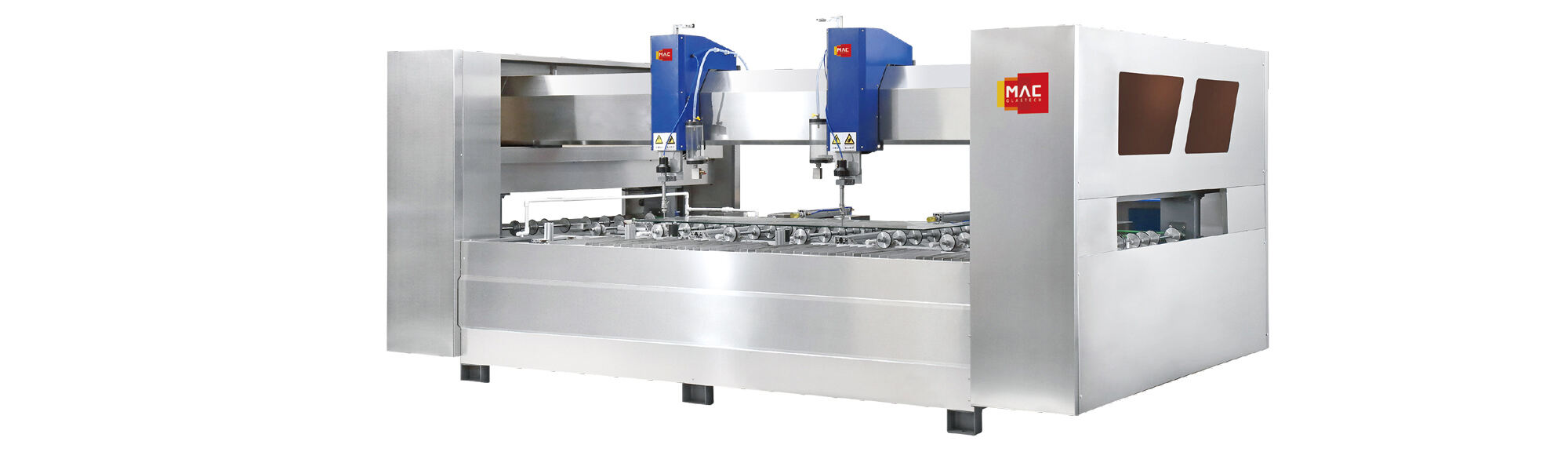
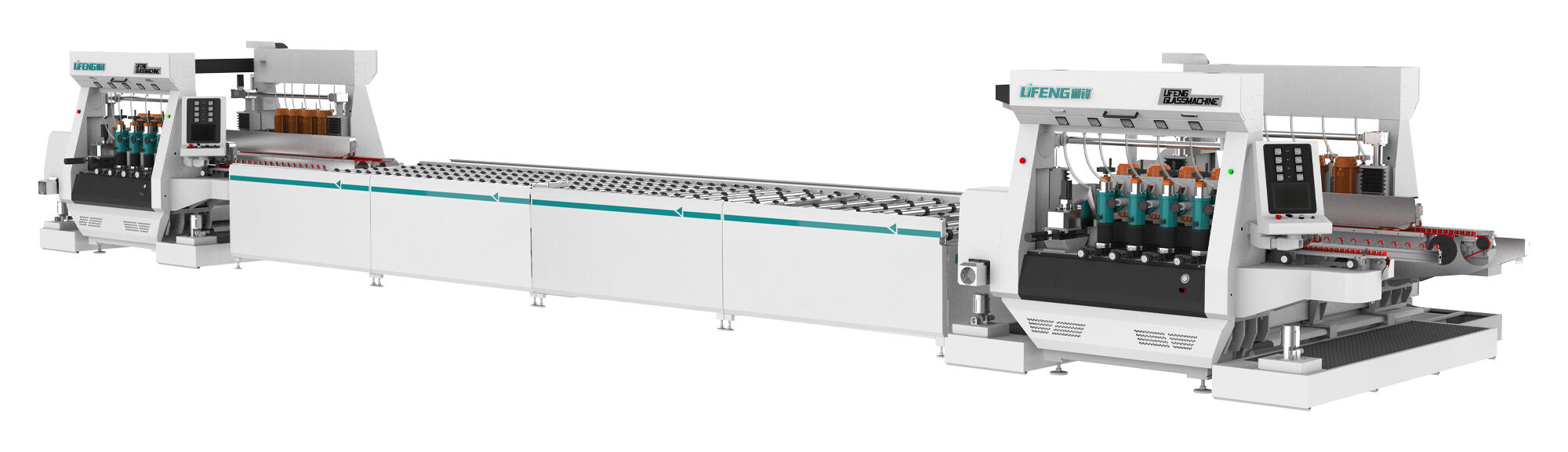
Quality control and precision manufacturing define successful insulating glass production, distinguishing superior products from mediocre alternatives in a competitive marketplace. The insulating glass production journey begins with glass selection, where manufacturers choose sheets based on specific project requirements including thickness, tint, coating properties, and optical clarity. Automated cutting systems used in modern insulating glass production employ computer-controlled equipment that measures and cuts glass to exact specifications, ensuring dimensional accuracy within fractions of a millimeter. This precision proves critical because even slight variations can compromise seal integrity and overall performance in the finished units from insulating glass production. Edge processing represents a crucial stage in insulating glass production where glass edges receive specialized treatment to remove microscopic flaws that could propagate into cracks and ensure optimal adhesion with sealant materials. Washing and drying systems incorporated into insulating glass production lines remove all contaminants from glass surfaces, as even microscopic particles trapped between panes would remain permanently visible and detract from appearance. Spacer application during insulating glass production has evolved from manual placement to automated systems that apply aluminum or composite spacers with consistent pressure and positioning, maintaining uniform cavity dimensions around the entire perimeter. Desiccant materials integrated into spacers during insulating glass production absorb any residual moisture from the sealed cavity, preventing internal condensation that would obstruct visibility and indicate seal failure. Gas filling procedures in sophisticated insulating glass production facilities utilize precise measurement and injection systems that displace air with argon or krypton to specified concentrations, typically 90 percent or higher for optimal performance. Sealant application during insulating glass production involves both primary and secondary seals applied by automated dispensing systems that ensure consistent bead thickness and complete coverage without gaps or voids. Quality verification concludes the insulating glass production process with inspections that include visual examination, dimensional measurement, gas concentration testing, and seal integrity assessment before units receive approval for shipment. This comprehensive approach to manufacturing excellence in insulating glass production guarantees that every unit leaving the facility will perform as specified throughout its expected service life, providing customers with reliable products worthy of their investment.
Versatile Applications and Customization Options in Insulating Glass Production

Versatile Applications and Customization Options in Insulating Glass Production

The remarkable versatility of insulating glass production enables manufacturers to create customized solutions for virtually any architectural requirement or performance specification. Residential applications of insulating glass production range from standard replacement windows for existing homes to expansive window walls in contemporary designs that maximize natural light and views while maintaining energy efficiency. Homeowners benefit from insulating glass production options that include various glass thicknesses, tints, and coatings tailored to their climate zone, orientation, and aesthetic preferences. Commercial buildings leverage insulating glass production to create impressive facades that define corporate identity while meeting stringent energy codes and sustainability certifications like LEED or BREEAM. Curtain wall systems incorporating products from specialized insulating glass production allow architects to design buildings with floor-to-ceiling glazing that would be thermally impractical with traditional glazing methods. Specialized applications of insulating glass production include skylight systems that bring natural illumination to interior spaces while controlling solar heat gain, and sloped glazing installations that require enhanced structural capabilities alongside thermal performance. The hospitality industry relies on insulating glass production for hotel rooms where guest comfort and energy efficiency directly impact operational profitability and customer satisfaction. Healthcare facilities specify products from insulating glass production that combine thermal performance with acoustic insulation to create healing environments free from external noise disturbances. Educational institutions implement insulating glass production in classroom windows where comfortable learning environments and budget-conscious energy consumption both rank as priorities. Retail spaces utilize insulating glass production for storefront systems that showcase merchandise while protecting interiors from temperature extremes and UV damage. Industrial applications of insulating glass production include control room windows in manufacturing facilities where operators require clear visibility while remaining isolated from production floor temperatures and noise levels. Cold storage facilities and refrigerated warehouses depend on specialized insulating glass production with enhanced thermal resistance to maintain temperature separation between work areas and storage zones. Historic renovation projects adapt insulating glass production techniques to replicate traditional window appearances while incorporating modern performance capabilities that preserve buildings and reduce energy waste. The customization possibilities within insulating glass production extend to specialty shapes, curved units, and oversized panels that address unique architectural visions without compromising performance standards, demonstrating how this manufacturing process adapts to serve diverse market segments and application requirements.