 EN
EN
 AR
AR
 BG
BG
 HR
HR
 CS
CS
 DA
DA
 NL
NL
 FI
FI
 FR
FR
 DE
DE
 EL
EL
 HI
HI
 IT
IT
 JA
JA
 KO
KO
 PL
PL
 PT
PT
 RO
RO
 RU
RU
 ES
ES
 SV
SV
 TL
TL
 IW
IW
 LV
LV
 LT
LT
 SK
SK
 SL
SL
 UK
UK
 VI
VI
 ET
ET
 HU
HU
 MT
MT
 TH
TH
 TR
TR
 FA
FA
 MS
MS
 SW
SW
 GA
GA
 AZ
AZ

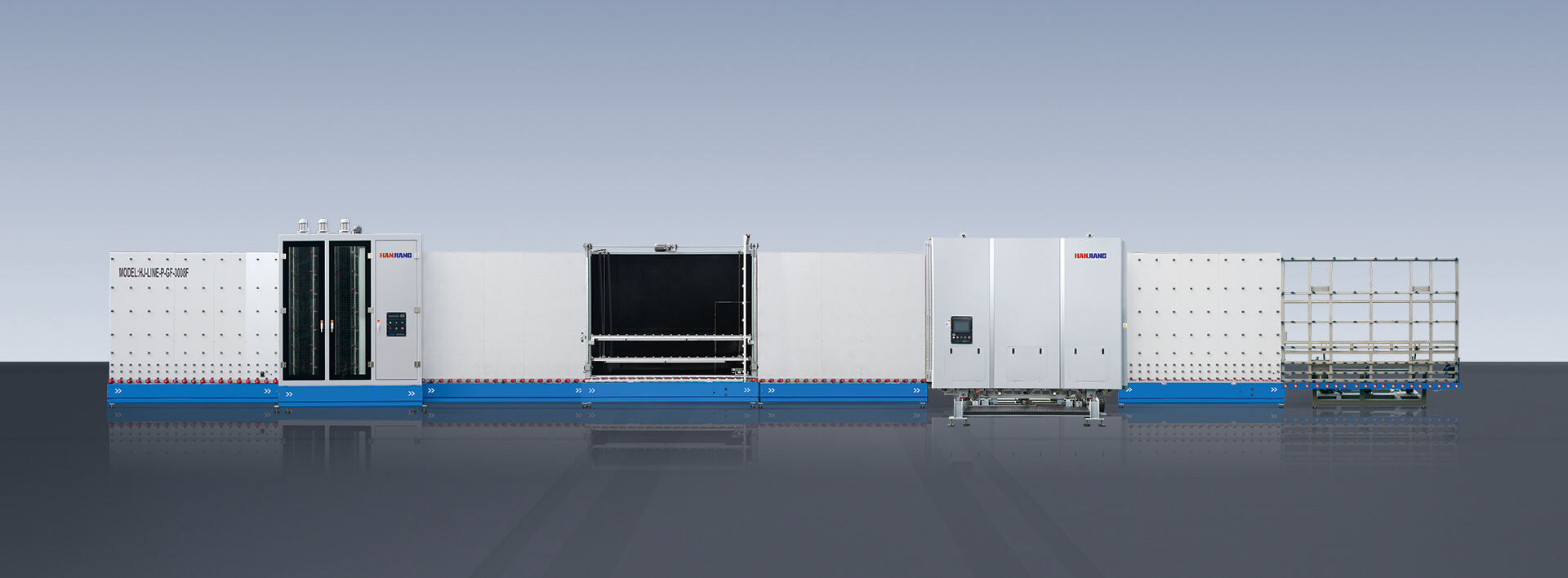
Modern insulating glass manufacturing demands precision, efficiency, and cutting-edge technology to meet the growing requirements of energy-efficient building construction. Selecting the right equipment for insulating glass production involves careful evaluation of multiple factors that directly impact product quality, operational efficiency, and long-term profitability. Manufacturers must navigate through various technical specifications, production capacities, and technological innovations to make informed decisions that align with their specific production goals and market demands.
Production Capacity and Throughput Requirements
Analyzing Current and Future Market Demands
Understanding market demand patterns forms the foundation for selecting appropriate production equipment. Manufacturers must evaluate current order volumes, seasonal variations, and projected growth trajectories to determine optimal production capacity. This analysis helps identify whether high-volume automated systems or flexible mid-scale equipment better serves their operational needs. Market research data, customer forecasts, and industry trends provide valuable insights for making capacity-related decisions.
Geographic market considerations also influence capacity planning decisions. Regional building codes, climate conditions, and architectural preferences affect insulating glass specifications and demand patterns. Manufacturers serving multiple geographic markets may require equipment capable of producing diverse product specifications efficiently. This flexibility becomes particularly important when considering export opportunities and international market expansion strategies.
Balancing Speed with Quality Standards
Production speed and quality represent critical performance metrics that must be carefully balanced during equipment selection. High-speed production lines offer attractive throughput advantages but may compromise quality control capabilities if not properly designed. Manufacturers should evaluate equipment specifications that maintain consistent quality standards while achieving desired production rates. This balance requires careful consideration of process control systems, quality monitoring technologies, and operator skill requirements.
Quality consistency becomes increasingly important as production speeds increase. Advanced process control systems, automated quality monitoring, and real-time feedback mechanisms help maintain product standards across high-volume production runs. Manufacturers should prioritize equipment featuring comprehensive quality control integration rather than simply focusing on maximum throughput capabilities.
Technology Integration and Automation Capabilities
Advanced Coating Technologies
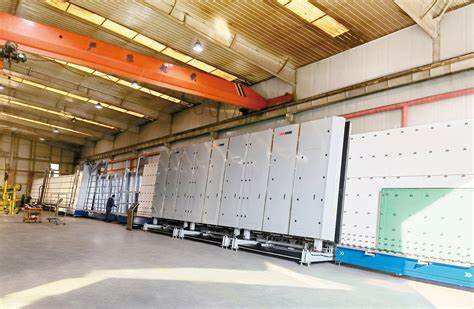
Contemporary insulating glass production increasingly relies on sophisticated coating technologies to achieve superior energy performance. A low-e coating line represents one of the most critical technology investments for manufacturers seeking competitive advantages in energy-efficient glass production. These systems enable precise application of low-emissivity coatings that significantly enhance thermal performance while maintaining optical clarity.
Modern coating equipment incorporates multiple advanced features including uniform coating distribution, precise thickness control, and minimal material waste. Manufacturers should evaluate coating systems based on their ability to handle various substrate sizes, coating materials, and production volumes. Integration capabilities with existing production lines, maintenance requirements, and technical support availability also influence equipment selection decisions.
Automation and Control System Integration
Automation technology transforms traditional glass manufacturing processes by reducing labor requirements, improving consistency, and enabling sophisticated process control. Modern insulating glass production equipment features integrated control systems that manage multiple process parameters simultaneously. These systems provide real-time monitoring, automatic adjustments, and comprehensive data logging capabilities that enhance operational efficiency and product quality.
Integration between different production stages becomes increasingly important as automation levels increase. Seamless communication between coating, assembly, sealing, and quality control systems enables optimized production flow and reduced handling requirements. Manufacturers should prioritize equipment suppliers offering comprehensive integration solutions rather than individual component systems requiring complex custom integration.
Quality Control and Testing Capabilities
In-Line Quality Monitoring Systems
Comprehensive quality control capabilities distinguish professional-grade production equipment from basic manufacturing systems. In-line monitoring technologies enable continuous assessment of critical quality parameters without interrupting production flow. These systems typically include optical inspection, dimensional measurement, seal integrity testing, and coating quality verification. Advanced monitoring capabilities provide immediate feedback enabling rapid process adjustments and defect prevention.
Data collection and analysis capabilities enhance quality control effectiveness by identifying trends, predicting potential issues, and optimizing process parameters. Modern quality control systems generate comprehensive reports supporting quality certification requirements and customer documentation needs. Manufacturers should evaluate monitoring system capabilities based on their specific quality standards and certification requirements.
Testing and Validation Procedures
Equipment selection must consider comprehensive testing capabilities that validate product performance according to industry standards and customer specifications. Testing systems should accommodate various performance criteria including thermal performance, structural integrity, durability, and optical properties. Advanced testing equipment enables manufacturers to provide comprehensive performance documentation supporting marketing claims and customer confidence.
Validation procedures extend beyond basic performance testing to include long-term durability assessment and environmental resistance evaluation. Equipment featuring accelerated testing capabilities enables faster product development cycles and more comprehensive quality assurance. Manufacturers should consider testing equipment that supports both routine production quality control and advanced product development activities.
Maintenance and Operational Considerations
Preventive Maintenance Requirements
Equipment maintenance requirements significantly impact operational costs, production availability, and long-term equipment performance. Manufacturers should evaluate maintenance complexity, frequency requirements, and associated costs when selecting production equipment. Modern equipment designs incorporate maintenance-friendly features including accessible components, diagnostic systems, and predictive maintenance capabilities that minimize downtime and maintenance costs.
Spare parts availability and technical support quality represent critical factors affecting long-term operational success. Equipment suppliers with comprehensive parts inventory, rapid delivery capabilities, and skilled technical support provide significant operational advantages. Manufacturers should investigate supplier support capabilities, service response times, and parts availability before making equipment commitments.
Energy Efficiency and Environmental Impact
Energy consumption patterns and environmental impact considerations increasingly influence equipment selection decisions. Energy-efficient equipment designs reduce operational costs while supporting corporate sustainability goals and regulatory compliance requirements. Manufacturers should evaluate total energy consumption, peak demand characteristics, and waste generation when comparing equipment alternatives.
Environmental compliance requirements continue expanding across manufacturing industries, affecting equipment selection criteria. Modern production equipment incorporates emission control systems, waste minimization features, and environmentally-friendly process technologies. Manufacturers should consider future regulatory requirements and sustainability goals when evaluating equipment alternatives to ensure long-term compliance and operational viability.
FAQ
What factors determine the optimal production capacity for insulating glass manufacturing equipment?
Optimal production capacity depends on current market demand, projected growth rates, seasonal variations, and available facility space. Manufacturers should analyze order patterns, customer forecasts, and market trends to determine appropriate capacity levels. Additionally, considering equipment utilization rates, maintenance requirements, and flexibility for product variations helps establish realistic capacity targets that balance efficiency with adaptability.
How important are coating technologies in modern insulating glass production equipment?
Coating technologies represent critical competitive advantages in contemporary insulating glass manufacturing. Advanced coating capabilities enable production of high-performance, energy-efficient glass products that command premium pricing and meet stringent building code requirements. Modern coating systems provide precise application control, uniform coverage, and superior coating durability that directly impact product performance and customer satisfaction.
What maintenance considerations should manufacturers evaluate when selecting production equipment?
Maintenance considerations include routine maintenance complexity, spare parts availability, technical support quality, and predictive maintenance capabilities. Manufacturers should evaluate maintenance schedules, required skill levels, and associated costs. Equipment featuring diagnostic systems, accessible components, and comprehensive supplier support minimizes operational disruptions and reduces long-term maintenance expenses.
How do automation capabilities impact insulating glass production efficiency?
Automation significantly enhances production efficiency through improved consistency, reduced labor requirements, and optimized process control. Advanced automation systems provide real-time monitoring, automatic adjustments, and comprehensive data collection that support quality improvement and operational optimization. Integrated automation across production stages enables seamless material flow and reduced handling requirements, maximizing overall production efficiency.
Table of Contents
- Production Capacity and Throughput Requirements
- Technology Integration and Automation Capabilities
- Quality Control and Testing Capabilities
- Maintenance and Operational Considerations
-
FAQ
- What factors determine the optimal production capacity for insulating glass manufacturing equipment?
- How important are coating technologies in modern insulating glass production equipment?
- What maintenance considerations should manufacturers evaluate when selecting production equipment?
- How do automation capabilities impact insulating glass production efficiency?